

Ryobi Generator Troubleshooting often resolves fuel, spark, battery, or maintenance issues quickly and cheaply.
I’ve spent years fixing small engines and rescuing stranded RV and job-site users, so I know Ryobi Generator Troubleshooting inside and out. This guide walks you through common faults, clear steps to diagnose problems, real-world tips I learned the hard way, and safe fixes you can try at home. Read on to save time, avoid common mistakes, and get your Ryobi generator running reliably again.

36% off Today’s Exclusive Deals
Limited-time Exclusive Deals. Check current discount on Amazon.
Check Price on Amazon As an Amazon Associate I earn from qualifying purchases.
Why Ryobi Generator Troubleshooting Matters
Ryobi Generator Troubleshooting keeps power flowing when you need it. Small faults can stop a unit fast. Fixing them yourself saves money and builds confidence. I’ll show a simple approach that helps you find the root cause and fix it safely.

Common Problems with Ryobi Generators
Knowing the usual failure points speeds troubleshooting. Here are the most seen issues I encounter when doing Ryobi Generator Troubleshooting.
- Engine won’t start
- Often due to bad fuel, a fouled spark plug, or a dead battery on electric-start models.
- Runs rough or stalls
- Clogged carburetor or stale fuel can make the engine cough and die.
- Low or no output
- The engine may run, but the inverter or alternator can fail or the outlet circuit breaker can trip.
- Overheating or odd smells
- Blocked airflow, oil issues, or an electrical short can cause heat and scents.
- Hard to pull recoil starter
- Compression or flywheel brake issues, or a seized engine from stale fuel, are common causes.
Ryobi Generator Troubleshooting starts by identifying which symptom you see. Keep notes as you test parts to avoid guessing.
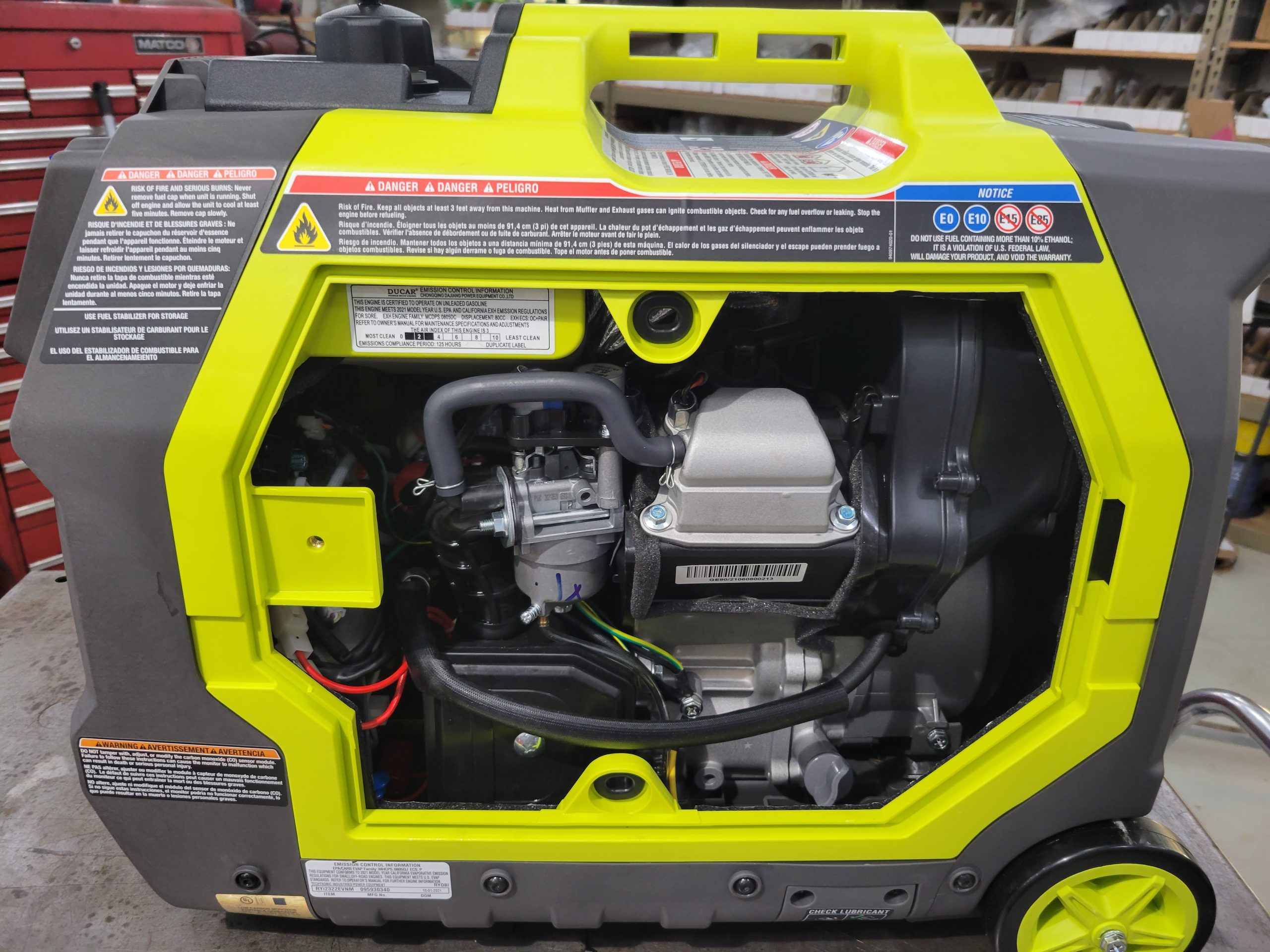
Step-by-Step Ryobi Generator Troubleshooting Guide
Follow these steps in order. Each step rules out common causes and narrows the problem fast.
- Check fuel and fuel system
- Turn off the fuel valve and drain old fuel if it’s over 30 days old. Stale fuel clogs jets.
- Replace fuel filter if present and inspect the fuel line for cracks.
- Inspect and replace the spark plug
- Remove the plug, check color and gap, and swap for a new one if fouled or corroded.
- A healthy spark is blue and strong; no spark means ignition system check.
- Test the battery and electric start
- Measure voltage; a charge under 12.4V usually fails to start the motor.
- Clean battery terminals and ensure the starter solenoid clicks.
- Clean or rebuild the carburetor
- If the engine starts briefly then dies, jets are likely clogged from gum and varnish.
- Use a carb cleaner or a rebuild kit; for long-term reliability, replace the carburetor if damaged.
- Check air filter and intake
- A dirty air filter chokes the engine. Replace or clean per the manual.
- Verify oil level and oil sensor
- Many Ryobi generators have a low-oil sensor that kills the engine. Fill to the mark.
- If the sensor is faulty, bypass only for testing and replace the sensor promptly.
- Inspect output and electrical components
- Test AC output with a multimeter at the receptacle while running.
- Reset breakers, inspect the AVR or inverter module, and check wiring for damage.
- Listen and test for mechanical issues
- Unusual knocks or smoke point to internal engine damage. Stop and get professional help.
Use basic tools: socket set, screwdrivers, pliers, multimeter, spark tester, fuel line clamp. These let you perform almost all home Ryobi Generator Troubleshooting tasks.

Maintenance Tips to Prevent Troubleshooting Needs
Routine care cuts issues and makes Ryobi Generator Troubleshooting rare.
- Change the oil every 50 hours or per manual and use the recommended grade.
- Use fresh fuel and add stabilizer for storage over 30 days.
- Run the generator monthly under load for 20–30 minutes to keep parts lubricated.
- Replace air and fuel filters on schedule to avoid poor running.
- Keep cooling vents clear and store in a dry, ventilated spot.
- Inspect spark plug and battery before heavy use like storms or trips.
From my experience, skipping a seasonal tune-up is the number-one cause of preventable visits to troubleshooting. Small checks save big hassles.

Tools, Parts, and When to Replace Components
Knowing what to replace and when speeds Ryobi Generator Troubleshooting.
- Spark plug
- Replace annually or after 100 hours. Use the exact heat-range spec.
- Fuel filter and fuel lines
- Replace if cracked, brittle, or clogged. Old lines can leak and cause fire risk.
- Carburetor rebuild kit
- Rebuild if cleaner fixes don’t work. Kits are inexpensive and restore flow.
- Battery
- Replace when capacity drops or it won’t hold charge. Keep terminals clean.
- AVR or inverter module
- Replace if output voltage is unstable or drops under load. Testing may require a pro for safety.
When parts are cheap and your time is limited, swapping a suspect component is often faster than long diagnosis. Keep a small parts kit handy if you rely on your generator.

Safety Tips for Ryobi Generator Troubleshooting
Safety is key. Never skip basic protections during Ryobi Generator Troubleshooting.
- Work in a well-ventilated area to avoid carbon monoxide.
- Always disconnect the spark plug or battery before working on the engine.
- Use gloves and eye protection when handling fuel or cleaning parts.
- Avoid backfeeding household circuits; use a transfer switch or approved interlock.
- Let a hot engine cool before touching exhaust, muffler, or oil parts.
I once ignored a hot muffler, and the burn slowed my repair that day. Learn from that: pace your work and protect yourself.
When to Call Professional Service
Some problems need skilled repair or warranty support. Call a pro when:
- You see heavy smoke, metal-on-metal noise, or signs of bearing failure.
- The engine is seized or you suspect major internal damage.
- Electrical faults persist after basic checks or involve the inverter module.
- The unit is under warranty; opening sealed parts can void coverage.
If you’re unsure, stop and ask. A quick inspection by a certified tech can save money and avoid unsafe fixes.
People Also Ask — Quick Answers
What causes a Ryobi generator not to start?
A common cause is stale fuel, fouled spark plug, or a dead battery. Start with fuel and spark checks.
How do I test the output of my Ryobi generator?
Run the generator and use a multimeter to check AC voltage at the outlet. Compare readings to the spec on the unit.
Can I use fuel stabilizer in a Ryobi generator?
Yes. A quality stabilizer keeps fuel fresh for months and helps avoid carburetor clogs.
How often should I service a Ryobi generator?
Service every 50–100 hours or seasonally for regular users. Light users should still run and inspect monthly.
Is it safe to repair a Ryobi generator myself?
Yes for basic tasks like spark plug or filter changes. For internal or complex electrical fixes, consult a pro.
Frequently Asked Questions of Ryobi Generator Troubleshooting
How do I fix a Ryobi generator that starts then shuts off?
This often points to stale fuel or a clogged carburetor. Drain old gas, clean the carburetor, and replace fuel filters to solve the issue.
Why does my Ryobi generator run but not produce power?
Check circuit breakers, the AVR/inverter, and output wiring. If breakers and wiring are fine, the inverter or alternator may need professional testing.
What does it mean when my Ryobi generator backfires?
Backfiring can be caused by incorrect timing, a lean fuel mix, or a worn exhaust valve. Inspect the carburetor, air filter, and exhaust system for issues.
How do I test the spark on my Ryobi generator?
Use a spark tester or remove the spark plug, reconnect the plug wire, and ground the plug against the engine while cranking. Look for a strong blue spark.
Can bad oil stop a Ryobi generator from running?
Yes. Very low or contaminated oil can trigger the low-oil shutdown or cause engine damage. Always check oil level and condition before running.
How long can I store a Ryobi generator between uses?
If you add stabilizer and run the engine to circulate fuel, you can store it for several months. For longer storage, drain the fuel and fog the engine to prevent gum buildup.
Is it okay to bypass the low-oil sensor for troubleshooting?
Bypass only as a brief diagnostic step and with the engine off afterward. Never run the generator long-term without a working oil sensor to avoid engine damage.
Conclusion
Ryobi Generator Troubleshooting is about method, safety, and steady care. Start with simple checks—fuel, spark, filters—then move to electrical and mechanical diagnostics. Regular maintenance cuts faults and keeps your unit ready when you need power. Try the steps here, keep a small parts kit, and ask a pro for big electrical or internal repairs. If this guide helped, subscribe for more tips or leave a comment about your experience with Ryobi generators.

