

Spearfishing is underwater hunting that uses a spear, pole, or speargun to catch fish.
I have taught and practiced spearfishing for years, taught safety courses, and worked with fisheries managers. This article explains what spearfishing is, how spearfishing works, the gear you need, safe techniques, and how to spearfish with respect for ocean life. Read on to learn practical steps, real tips, and the rules that keep spearfishing legal and sustainable.

36% off Today’s Exclusive Deals
Limited-time Exclusive Deals. Check current discount on Amazon.
Check Price on Amazon As an Amazon Associate I earn from qualifying purchases.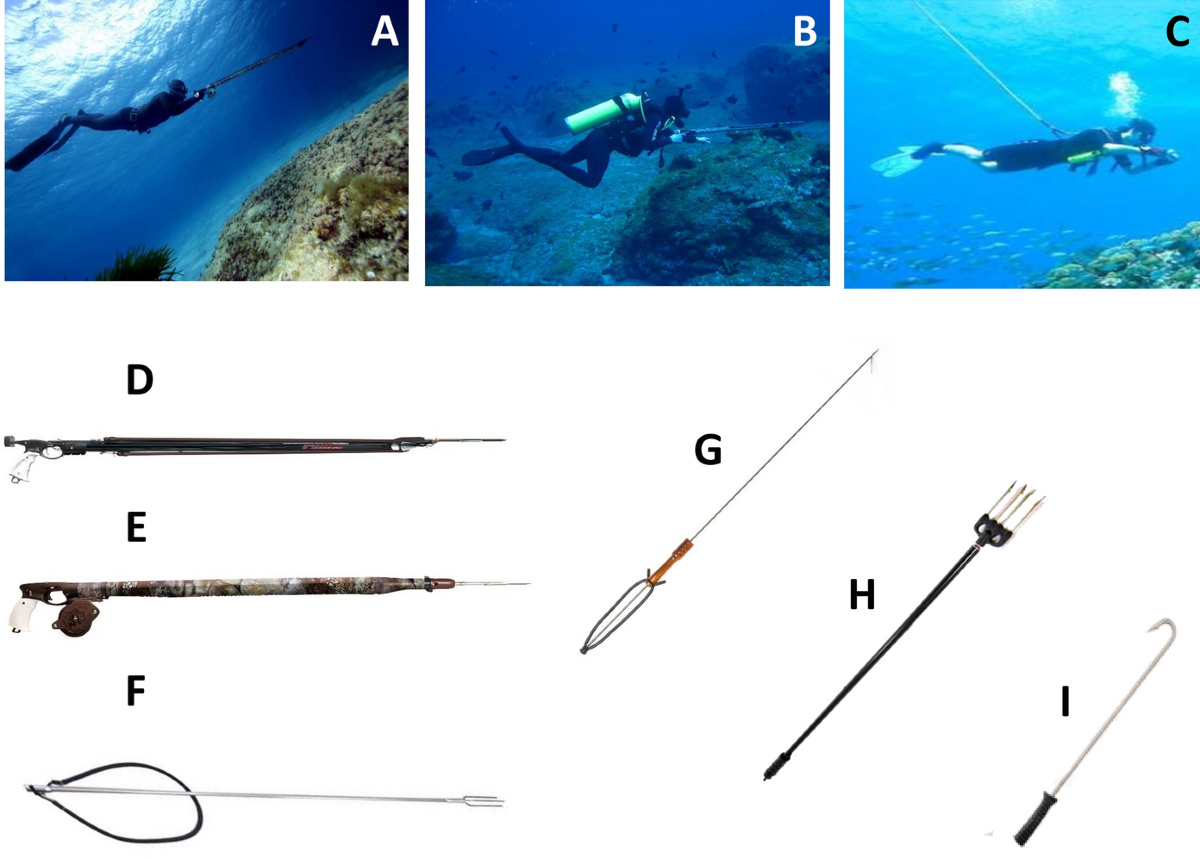
What is spearfishing?
Spearfishing is a method of catching fish underwater using a spear, pole spear, or speargun. It can be done while snorkeling, freediving, or with scuba gear where it is legal. Spearfishing is both a sport and a subsistence method around the world.
Types of spearfishing:
- Shore or rock fishing from land or shallow water.
- Boat-based spearfishing for deeper water and reef access.
- Blue-water spearfishing for pelagic species.
- Recreational freediving spearfishing focused on skill and restraint.
Why people spearfish:
- Spearfishing is selective. You choose species and sizes you target.
- It can be sustainable when done with rules and care.
- Many fish taste better fresh from a targeted catch.
Spearfishing requires skill, knowledge of fish behavior, and safe breath-hold or diving techniques. When done well, it is low-waste and precise.
How spearfishing works
Spearfishing combines scouting, stealth, precise shooting, and quick retrieval. The basic cycle is find, approach, aim, shoot, and secure the catch.
Step-by-step overview:
- Locate good habitat. Look for reefs, drop-offs, weed beds, or structure where fish feed.
- Scout from the surface with snorkel or boat. Notice fish patterns and currents.
- Approach quietly. Move slowly and reduce your profile to avoid spooking fish.
- Aim and shoot. Use a pole spear or speargun. Aim for vital zones for humane dispatch.
- Retrieve and secure. Use a float, line, or buddy to handle the fish quickly and safely.
Key mechanics that make spearfishing work:
- Line of sight matters. Fish see movement and light changes.
- Shot placement matters. A central hit reduces suffering and secures the catch.
- Float systems keep you and the fish safe and visible after a shot.
Physics and gear interplay:
- Band spearguns store elastic energy and are very common.
- Pneumatic spearguns use compressed air for smooth shots.
- Pole spears rely on direct thrust from the diver.
Common scenarios and what to expect:
- Reef ambush: stay still and wait for the fish to come.
- Open-water stalk: swim slowly downwind and use low profile.
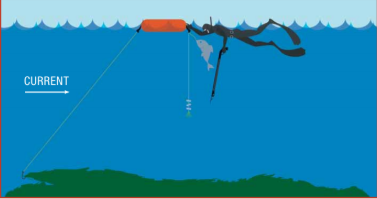
- Drift spearfishing: use a float line to follow currents and keep tackle in control.
PAA-style questions (short answers):
What depth is spearfishing done at? Spearfishing is often shallow to moderately deep. Freedivers typically hunt between 5 and 30 meters depending on skill.
Is spearfishing harder than rod fishing? It is different. Spearfishing requires breath control, stealth, and close-range accuracy.
Can anyone learn to spearfish? Yes, with training, practice, and respect for safety and local rules.

Equipment for spearfishing
Good gear matters. Start with the essentials and upgrade as you learn.
Basic kit:
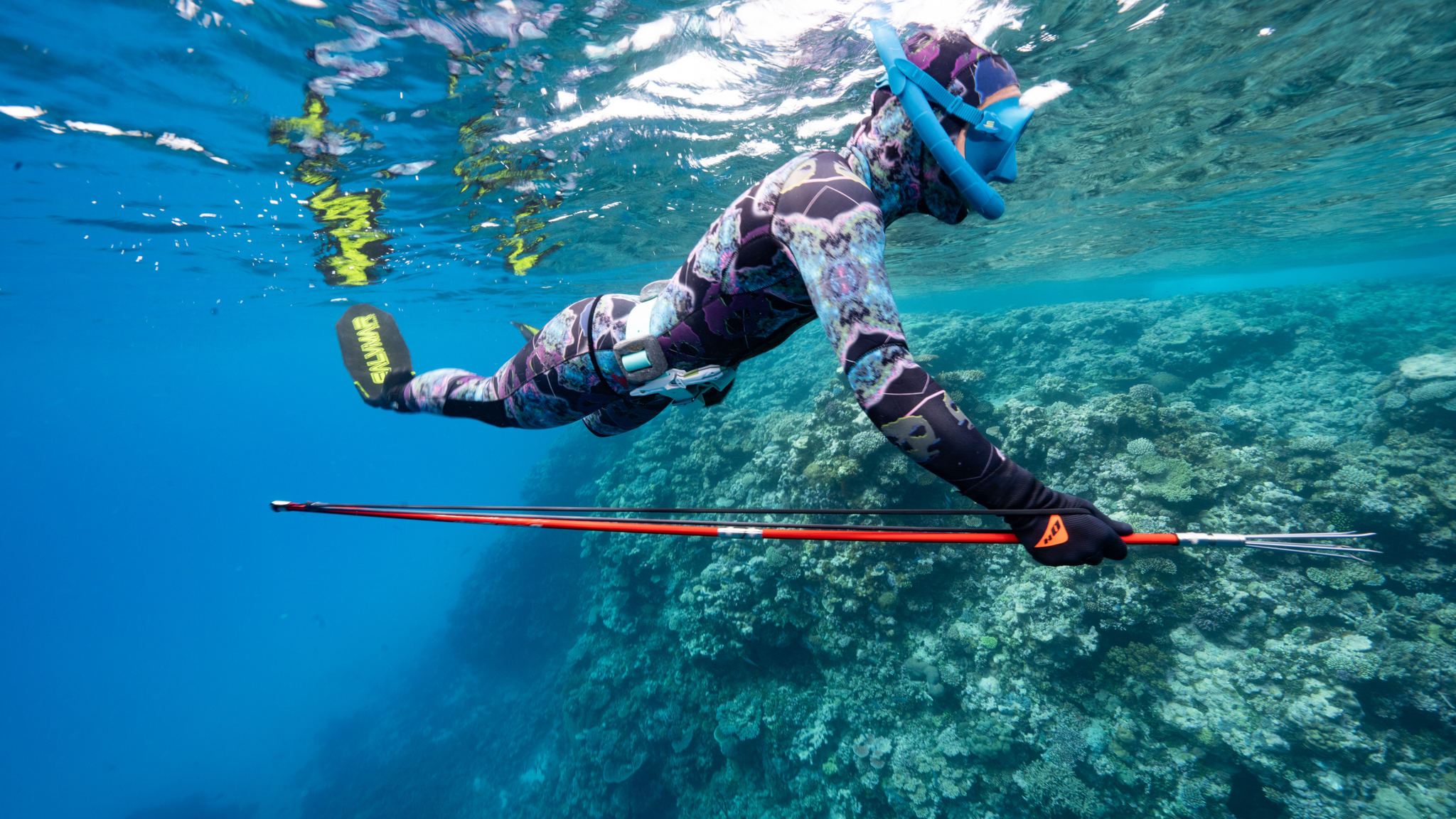
- Mask and snorkel. A low-volume mask improves vision and equalization.
- Fins. Long freediving fins help conserve energy and speed.
- Wetsuit. Choose thickness for local water temperatures to stay warm and buoyant.
- Weight belt. Use weights to reach neutral buoyancy safely.
Spearfishing tools:
- Speargun or pole spear. Choose band or pneumatic spearguns based on range and feel.
- Float and float line. Keeps your catch, marks your position, and holds gear.
- Stainless knife. For dispatch, bleeding, and safety.
- Gloves and booties. Protect hands and feet from coral and line cuts.
Optional tech:
- Dive computer or depth gauge. Track dive time and depth.
- Fish stringer or mesh bag. Carry fish without damage.
- Wetsuit hood or SPF rashguard. Add sun and cold protection.
Choosing your first speargun:
- Start with a smaller, lighter gun if you are a beginner.
- Band guns are forgiving and have simple maintenance.
- Practice loading, aiming, and firing in a safe, controlled area.
Maintenance tips:
- Rinse gear in fresh water after every dive.
- Replace rubber bands and check shafts often.
- Keep screws, swivels, and line in good condition to avoid failures.
Source: spearfishingaustralia.com
Techniques and tactics
A few core techniques will improve success quickly. Focus on fish behavior and personal control.
Approach and stalking:
- Move slowly and predictably. Avoid sudden motions.
- Use the reef and current to hide your silhouette.
- Reduce splashing on the surface to avoid spooking fish.
Shooting and aiming:
- Aim for the head or spine for quick human dispatch.
- Consider angle of shot—fish appear closer when seen from below.
- Practice dry-firing the speargun safety protocols on land.
Float line management:
- Use a float to secure the fish and reduce drag.
- Keep line clear of propellers and rocks.
- Use elastic on the float line to absorb shock when a large fish runs.
Team tactics:
- Dive with a buddy to increase safety and efficiency.
- Assign roles: one person watches surface and line, the other hunts.
- Communicate with hand signals and agreed plans.
Practice drills:
- Breath-hold training with a coach or partner.
- Aiming drills on land with a training target.
- Shallow water recovery practice to build confidence and speed.
Mistakes to avoid:
- Chasing fish long distances. It wastes energy and safety margins.
- Shooting at fish you cannot identify. Misidentification may break laws and harm stocks.
- Ignoring currents and tides. They change your approach and safety.

Source: youtube.com
Safety, training, and regulations
Spearfishing is rewarding but has real risks. Learn before you go.
Major safety concerns:
- Shallow-water blackout from breath-hold diving. Always dive with a buddy.
- Line entanglement. Keep a knife handy and manage lines carefully.
- Boat traffic. Use a bright float and flags to signal presence.
Training and preparation:
- Take a freediving course to learn safe breathing techniques.
- Learn speargun safety and basic first aid.
- Practice emergency drills with a trusted partner.
Legal and regulatory considerations:
- Many areas ban use of scuba gear for spearfishing. Check local laws.
- There are size limits, seasonal closures, and protected species lists.
- Licenses and permits are often required. Follow bag limits.
Personal safety story:
Early in my diving, I chased a fish into murky water and lost contact with my buddy. I learned to set strict limits on pursuit and to stop and regroup after every shot. That saved me from a dangerous situation.
Regulatory compliance keeps fisheries healthy and keeps you on the right side of the law. Follow rules closely.
Conservation and ethics
Spearfishing can be very selective and thus relatively low-impact when done right. Ethics matter.
Principles of sustainable spearfishing:
- Target abundant species. Avoid vulnerable ones.
- Follow size and bag limits. Release small or breeding individuals.
- Avoid night spearfishing or use special care where rules restrict it.
Best practices:
- Use quick, humane dispatch methods.
- Report catches if local programs request data.
- Teach newcomers about marine ecosystems and responsible harvest.
Why ethics matter:
- Spearfishing affects fish populations and reef health.
- Good practices build trust with other water users and regulators.
- Ethical spearfishers help conserve habitats for future generations.

Source: reddit.com
Personal experience and practical tips
I started spearfishing as a freediver and learned most from guided dives and patient mentors. Here are what I learned the hard way.
Top tips from real dives:
- Learn to read water. Currents, swell, and light tell you where fish hide.
- Practice breath control on land before diving deeper.
- Build habit of checking gear before every dive. A snapped band or tangled line ends a trip early.
- Be conservative. If conditions feel off, postpone the dive.
Common beginner mistakes:
- Overweighting. Too much weight makes buoyancy control hard.
- Poor shot placement. That leads to lost fish or illegal catches.
- Not using a float. Without a float, a shot fish can drag you or sink.
How to progress:
- Start in shallow, clear water with calm seas.
- Train with a mentor or take a local spearfishing class.
- Upgrade gear only after you outgrow basic equipment.
A short anecdote:
On my first blue-water hunt I underestimated a current. My float snagged, and I lost a great fish. Since then I always check currents and set redundant safety lines. That lesson changed how I plan every dive.
Frequently Asked Questions
What is the difference between spearfishing and regular fishing?
Spearfishing is a direct, visual hunt underwater with a spear or speargun. Regular fishing usually uses lines, nets, or traps from the surface or boat.
Is spearfishing legal everywhere?
No. Laws vary by country and region. Some places ban scuba spearfishing or have seasonal limits and protected species lists.
Do I need training before I start spearfishing?
Training is highly recommended. Freediving and speargun safety courses reduce risks and improve success.
What fish are best for beginners?
Start with slow reef species and abundant fish. Avoid fast pelagics until you gain skill and confidence.
Can spearfishing be sustainable?
Yes. Spearfishing can be sustainable because it is selective and has low bycatch when done responsibly.
Conclusion
Spearfishing is an ancient, direct form of fishing that combines skill, gear, and respect for the ocean. Learn the basics, train for safety, follow local rules, and practice ethical harvesting. If you are ready, start small, dive with a mentor, and build experience step by step. Try a local course, subscribe to community resources, or leave a comment below with your questions or stories about spearfishing.

