

Freediving is breath-hold underwater diving used to hunt fish silently and efficiently in spearfishing.
I’ve practiced freediving and spearfishing for several years, training breath control, equalization, and safe dive habits. This guide explains what freediving is, how freediving skills translate to spearfishing, and shares practical tips you can use on your first freedive hunt.

36% off Today’s Exclusive Deals
Limited-time Exclusive Deals. Check current discount on Amazon.
Check Price on Amazon As an Amazon Associate I earn from qualifying purchases.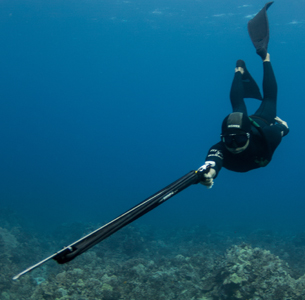
What is freediving?
Freediving is diving on a single breath without scuba gear. It relies on breath-hold, relaxation, and efficient movement to stay underwater longer and move deeper. Freediving has styles such as static apnea, dynamic apnea, constant weight, and free immersion, each testing different skills of breath control and body mechanics.
Freediving works with natural body reflexes like the mammalian dive reflex, which slows heart rate and redirects blood to vital organs during a dive. Training improves tolerance to CO2 and low oxygen, plus mental control to stay calm under pressure. Many freedivers train with dry apnea exercises, pool sessions, and guided open-water dives.
Freediving equipment and safety basics
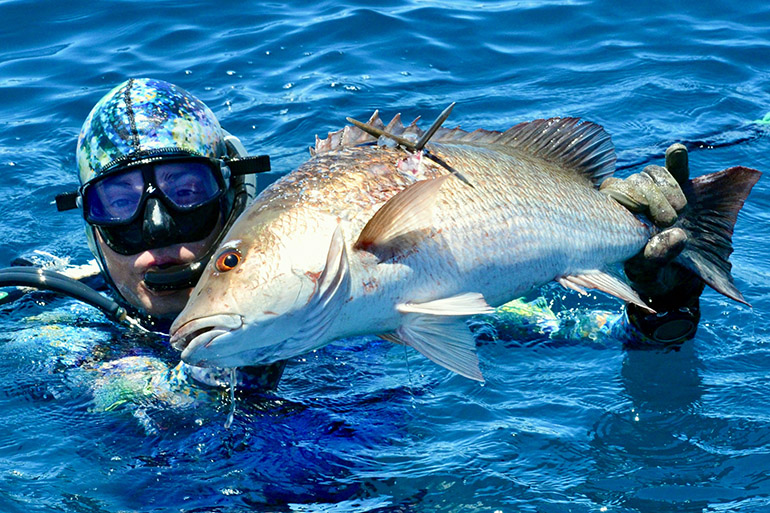
Freediving uses simple gear compared to scuba, but good equipment matters for safety and performance. Typical gear includes mask, low-volume snorkel, long freediving fins, neoprene wetsuit, weight belt, and a lanyard or float line for deep training. Spearfishing adds a pole spear, speargun, float, and flag for safety and visibility.
Safety practices are critical and non-negotiable. Always use the buddy system so someone topside watches every dive. Plan dives to avoid blackout risks, avoid hyperventilation before dives, and know emergency procedures for shallow water blackout and barotrauma.
How freediving is used in spearfishing
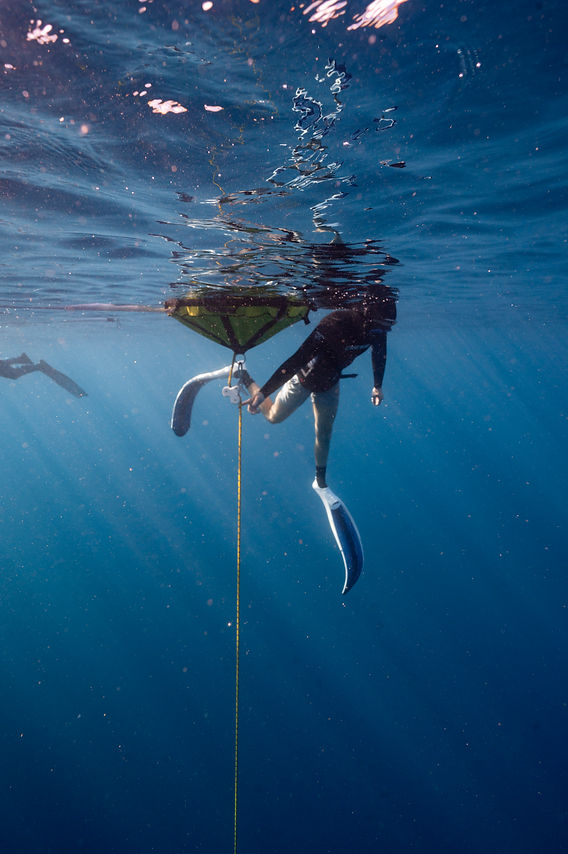
Freediving is the backbone of traditional spearfishing. Breath-hold diving lets a spearfisher approach fish quietly, reduce noise and bubbles, and position for a clean shot. Freediving allows hunting in reefs, kelp, bluewater, and shallow flats with techniques that match fish behavior and habitat.
Common freedive spearfishing approaches:
- Ambush hunting — sit near a reef or ledge and wait for fish to come close for a clear shot.
- Stalking — slowly approach fish in clear water using minimal fin strokes and camouflage to close distance.
- Drift spearfishing — ride the current with a float, catching passing fish while freediving near structure.
- Bluewater hunting — freedive for pelagic species around floating debris while using a buoy and team for safety.
Freediving helps you read currents, find thermoclines, and gauge fish depth. When you master breath-hold timing and movement, you reduce missed shots and limit harm to fish by aiming for quick, humane kills.

Skills, training, and techniques for spearfishing freediving
Key skills for spearfishing include breath-hold, equalization, duck dive, and efficient finning. Train with progressive breath-hold sets, pool practice for static apnea, and shallow-water dives to build comfort under pressure. Learn equalization methods like the Valsalva and Frenzel early so you can descend without pain or injury.
Technique for the hunt:
- Quiet entry — surface quietly to avoid spooking fish and get a visual of the area.
- Duck dive — push your body down with one strong kick, streamline, and equalize early.
- Glide and observe — glide into position and watch fish reaction before committing to a shot.
- Shot discipline — aim for vital areas, use proper range, and follow up safely.
Regular practice improves CO2 tolerance and reduces panic. Also practice rescue and buddy skills so you can assist if someone loses consciousness or has a long blackout.

Risks, legal and ethical considerations
Freediving spearfishing carries risks that are both medical and legal. Medical risks include shallow water blackout, ear and sinus barotrauma, lung squeeze, and hypothermia. Prevent these by conservative dive profiles, no solo diving, and respectful pacing of dives.
Legal and ethical points to follow:
- Know local fishing regulations, species limits, and protected zones before you dive.
- Use best-practice targeting to avoid bycatch and undersized fish.
- Mark your dive with a dive flag and float to alert boaters.
- Respect marine ecosystems by avoiding overharvesting and habitat damage.
Being ethical keeps fisheries healthy and protects your right to freedive and spearfish in the future.

Personal experiences and practical tips
I learned early that calm breath and slow movement matter more than depth. In my early dives I rushed and lost fish; slowing down and watching currents tripled my success. A few practical tips I use every trip:
- Buddy checks before entry — confirm gear, signals, and the dive plan together.
- Warm-up routine — light swimming and breath-hold sets to prepare lungs and mind.
- Sight-lines — pick clear reference points so you know where the boat or shore is beneath the surface.
- Short dives, many repeats — this beats long, risky single attempts and keeps you fresh.
Mistakes to avoid:
- Never hyperventilate to extend a dive; it raises blackout risk.
- Avoid hunting beyond your training depth or comfort.
- Don’t chase fish into unknown terrain or over slick rocks.
Frequently Asked Questions of What is freediving and how is it used in spearfishing?
What is the main difference between freediving and scuba diving?
Freediving uses one breath and no scuba tanks, while scuba uses compressed air and breathing gear. Freediving relies on breath-hold skills, making it quieter and more mobile for hunting.
Is freediving spearfishing safe for beginners?
It can be safe with proper training, a buddy, and conservative practices. Beginners should take a course, practice basic breath-hold skills, and start in shallow water.
How deep do freedivers go for spearfishing?
Many spearfishing dives are in the 10 to 30 foot range, but trained freedivers may go deeper for certain species. Depth depends on target species, conditions, and personal training level.
What gear is essential for freedive spearfishing?
Essential gear includes mask, snorkel, freediving fins, wetsuit, weight belt, speargun or pole spear, and a surface float with a flag. A safety lanyard and knife are also recommended.
How do I avoid shallow water blackout?
Avoid hyperventilation, never dive alone, and keep dives short and conservative. Use a trained buddy to monitor you and learn rescue techniques.
Can freediving improve my spearfishing success?
Yes. Better breath control, equalization, and streamlining let you approach fish more silently and get into ideal shooting positions. Practice and patience increase strike accuracy and reduce wasted effort.
Conclusion
Freediving is breath-hold underwater diving that pairs naturally with spearfishing to provide a quiet, efficient, and intimate way to hunt fish. Mastering freediving skills—breath control, equalization, and calm movement—improves safety and makes spearfishing more successful and ethical. Start with training, dive with a buddy, follow local laws, and practice gentle, precise hunting.
Try one clear step this week: take a beginner freediving or spearfishing class, or practice basic breath-hold and buddy rescue drills in a pool. Share your experiences, ask questions below, or subscribe for more practical freediving and spearfishing guides.

