

Home cooks usually need 1.5–5 quarts; small shops 10–20 quarts; commercial ops 25–60+ quarts.
I’ve worked with home machines, countertop batch freezers, and commercial continuous freezers for years. This guide explains what size ice cream machine do I need, how to calculate capacity, and real-world tips so you choose the right model without overspending or under-sizing. Read on for clear steps, examples, and hands-on advice.

36% off Today’s Exclusive Deals
Limited-time Exclusive Deals. Check current discount on Amazon.
Check Price on Amazon As an Amazon Associate I earn from qualifying purchases.
Understanding ice cream machine sizes
Ice cream machines are measured by batch volume or output per hour. Hobby and home models list quarts or liters per batch. Commercial machines often use quarts, liters, or kilograms per hour. There are two main categories:
- Batch machines: freeze single batches, rated in quarts or liters per batch.
- Continuous freezers: produce a steady flow, rated in quarts or kilograms per hour.
Types also differ by cooling method:
- Compressor-built: plug-in, consistent, best for frequent use.
- Ice-and-salt or pre-frozen bowl: cheaper but limited to one or two batches before refreezing.
Why the size label matters: the label tells you how much ice cream the machine can make in one run or per hour. Knowing this helps answer what size ice cream machine do I need for your routine and goals. Think of machine size like a kitchen pan: too small and you’ll churn constantly; too large and you waste space and energy.
Factors to consider when choosing size
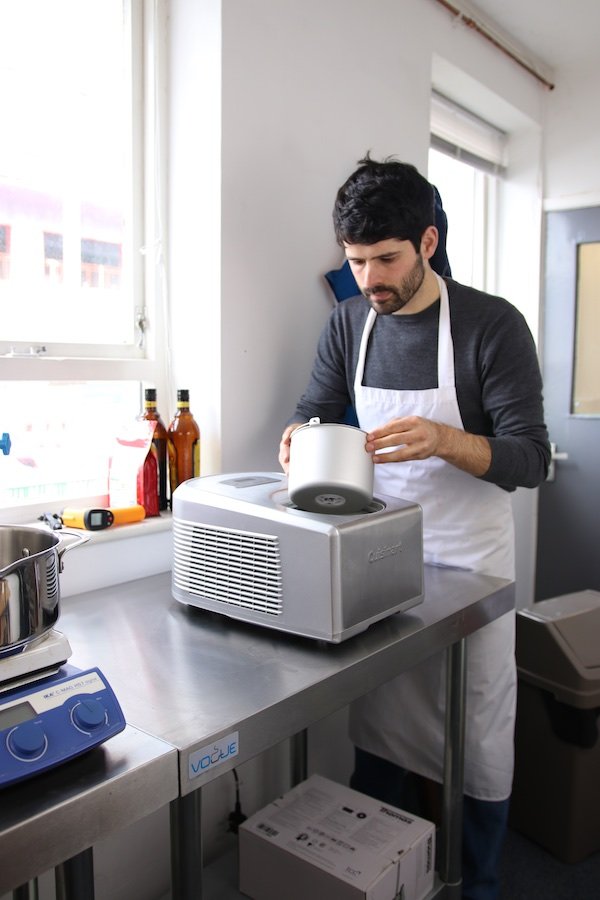
Match machine capacity to your demand. Ask simple questions:
- Who are you serving? Family of four, weekend parties, a food truck, or a shop?
- How often will you make ice cream? Daily, weekly, or monthly?
- How much freezer space do you have to store finished product?
- What power and ventilation are available where you’ll place the machine?
Other important factors:
- Batch time: larger batches can take longer to freeze, but give more product per run.
- Overrun and texture: commercial freezers manage overrun better for consistent texture.
- Menu variety: multiple flavors need more churns or several machines.
- Budget and maintenance: bigger machines cost more to buy and run, and require more maintenance.
A clear answer to "What size ice cream machine do I need" depends on these choices. If you run a small cafe, a countertop 10–20 quart machine might be ideal. For making treats for home and friends, 1.5–5 quarts is usually enough.
People also ask (quick answers)
How many servings does one quart make?
One quart makes about 4 to 6 standard 4-ounce servings, depending on scooping size and air content.
Is a compressor machine better than a frozen bowl?
Yes, compressor machines are more convenient and consistent for frequent use, while frozen-bowl machines are cheaper for occasional use.
Do commercial machines need special power?
Some larger commercial machines require 220V or dedicated circuits; always check electrical requirements before buying.

How to calculate required capacity
Use simple math to estimate capacity needs.
Step 1 — Define serving size:
- Standard serving: 4 ounces (0.5 cup).
- 1 quart = 32 ounces → about 8 servings per quart (at 4 oz) or 6–8 depending on mix expansion.
Step 2 — Estimate demand:
- Home daily: family of 4, one serving each → 4 servings/day → 0.5 quart/day.
- Party of 20: 20 servings → about 2.5 quarts.
- Small cafe: 100 servings/day → 12.5 quarts/day.
Step 3 — Convert to machine runs:
- If a machine makes 1.5 quarts per batch, you need 9 batches to hit 13.5 quarts.
- For a shop making 12.5 quarts/day, a 10–20 quart machine is efficient to reduce cycle times.
Examples
- Home user: 1.5–2 quart compressor or 1.5 quart ice-only machine works well.
- Weekend entertainer: 3–5 quart compressor gives flexibility for parties.
- Small cafe: 10–20 quart countertop batch freezer or multiple 3–5 quart machines for variety.
- Catering or food truck: 20–40 quart batch freezer or a small continuous freezer to meet peak demand.
Practical tip: add a 20–30% buffer for busy days, special events, and menu expansion. This avoids constant late-night churning and gives room for experimentation.
Common machine sizes and typical uses
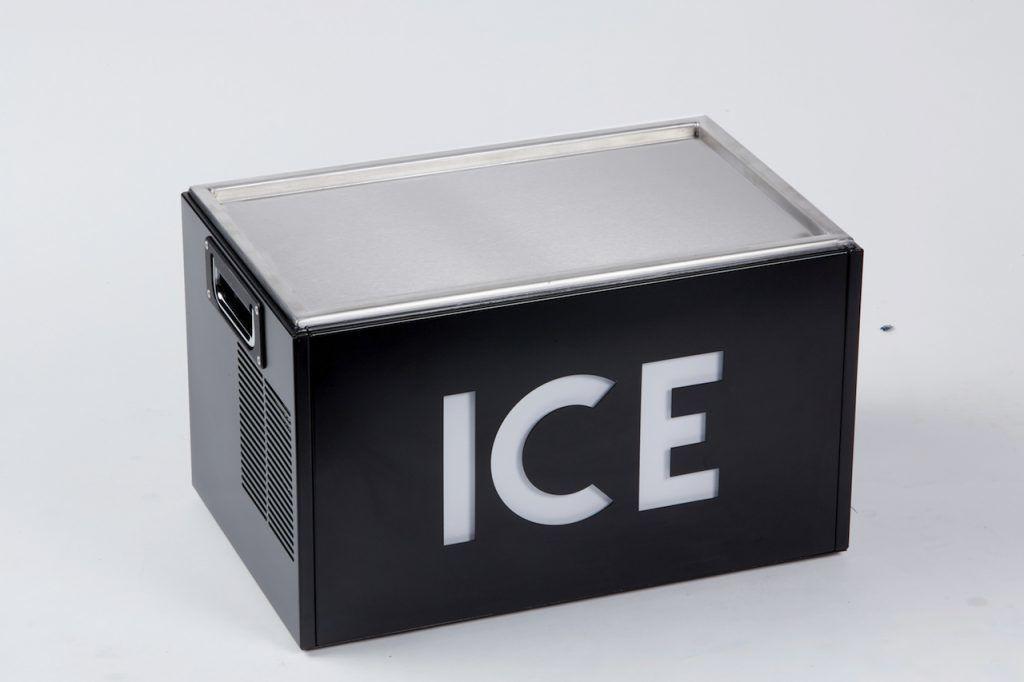
Here’s a practical breakdown to match needs with machine sizes.
Home and hobby
- 0.5–1.5 quarts: single-family snacks, low cost, best for occasional use.
- 1.5–5 quarts: families and regular entertaining; balanced size for storage and performance.
Small commercial / cafes
- 10–20 quarts (countertop batch freezers): good for shops making multiple flavors daily or selling by the scoop.
- 20–40 quarts (floor batch freezers): higher daily output; suits busy cafes and catering services.
Large commercial
- 50–200+ quarts or continuous freezers: high throughput for ice cream parlors, production kitchens, or frozen dessert manufacturing.
Servings reference
- 1.5-quart batch ≈ 12 small servings.
- 10-quart batch ≈ 80 small servings.
- Continuous freezers are rated hourly; a 20-quart-per-hour unit gives steady output for busy periods.
When asking "What size ice cream machine do I need," choose based on servings per day, not just storage space. Size should reflect how much product you want ready, and how many flavors you plan to offer simultaneously.
Personal experiences and tips
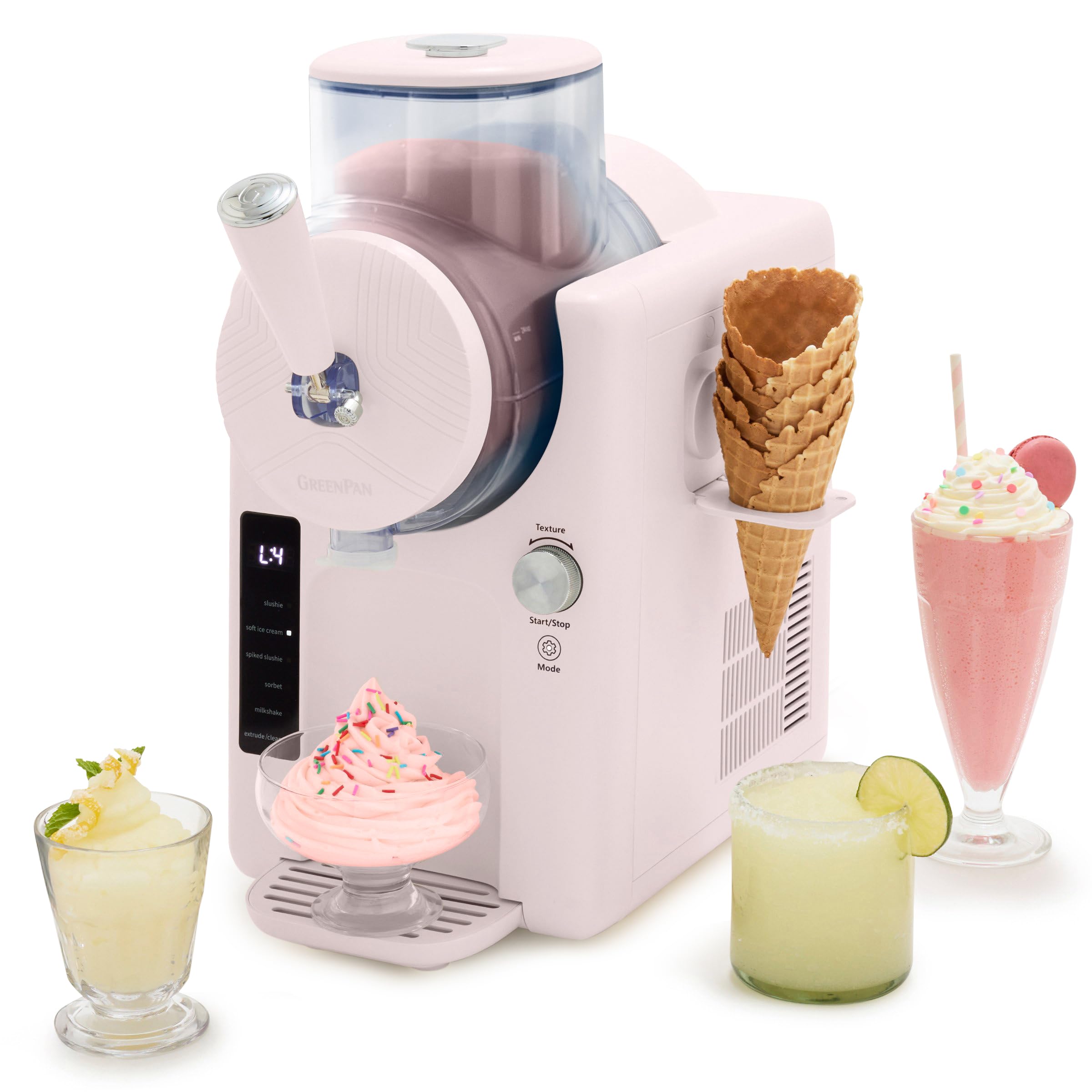
From my time testing machines and running pop-up dessert events, here are what I learned:
- Don't undersize: I once used a 1.5-quart machine for a 30-person event and spent the night churning. Choose a larger batch machine for parties.
- Compressor is worth it: a plug-in compressor saved me time and freezer space compared with pre-frozen-bowl models.
- Balance number of flavors and batch size: two 5-quart machines let me run two flavors simultaneously, reducing wait time for customers.
- Consider cleanup time: larger machines can be harder to clean, so plan for labor when choosing size.
Mistakes to avoid:
- Ignoring power needs: a friend bought a commercial unit without verifying electrical supply and had to upgrade wiring.
- Not planning storage: producing more than you can store leads to waste.
- Overlooking maintenance: compressors and seals need regular service to avoid breakdowns.
These lessons shaped how I advise others asking "What size ice cream machine do I need"—plan around real demand and realistic operation time.

Buying guide and recommendations
Follow a simple checklist when shopping:
- Capacity: choose a size based on calculated servings and a 20–30% buffer.
- Cooling type: compressor for frequent use; frozen-bowl for occasional use.
- Power requirements: check voltage and circuit needs.
- Footprint and weight: ensure it fits your workspace and can be moved if needed.
- Ease of cleaning: removable bowls and smooth surfaces speed cleanup.
- Warranty and support: prefer brands with parts and service availability.
- Budget: balance upfront cost with operating expenses.
Recommendations by need:
- Occasional home use: 1.5 quart frozen-bowl or 1.5–2 quart compressor.
- Regular home entertaining: 3–5 quart compressor.
- Small cafe or food truck: 10–20 quart countertop batch freezer.
- Catering and medium production: 20–40 quart floor batch freezer.
- High-volume production: continuous freezer, sized to servings per hour.
Final buying tip: test a machine if possible, or read detailed user reviews about uptime and real output. That helps answer the practical side of "What size ice cream machine do I need" beyond the specs.

Frequently Asked Questions of What size ice cream machine do I need
What is the best size ice cream machine for a family of four?
A 1.5–3 quart machine is usually enough for a family of four. It provides multiple batches without taking too much counter space.
How many quarts do I need for a small cafe?
Most small cafes do well with a 10–20 quart countertop batch freezer to meet daily scoop demand. This size balances output and footprint.
Can I use multiple small machines instead of one large one?
Yes. Multiple small machines let you run several flavors at once and provide redundancy if one needs maintenance. They can be a flexible solution for varied menus.
How do I account for overrun when calculating capacity?
Overrun increases volume due to air. Assume 20–100% overrun depending on the recipe and machine; plan servings using finished volume, not raw mix volume.
Is a frozen-bowl machine good for a small business?
Frozen-bowl machines are fine for very low-volume businesses, but they limit continuous output. For reliable daily sales, a compressor or batch freezer is preferable.
Conclusion
Choosing the right machine starts with honest demand forecasting and simple math. Match servings per day to batch size, consider frequency, and allow a buffer for busy times. If you make ice cream weekly for family, a 1.5–5 quart unit will serve you well. If you sell daily, look to 10–40 quart batch freezers or continuous machines for higher throughput.
Take action: list your typical weekly servings, set a realistic buffer, and compare machines that meet that capacity and power profile. If you found this helpful, try measuring your actual usage for a month and adjust your choice. Leave a comment with your needs and I’ll suggest specific models.

