

Yes — many home ice cream machines can make soft serve with the right mix and technique.
I’ve spent years testing home and countertop machines and teaching friends how to make soft, creamy treats at home. In this guide I explain, step by step, whether and how you can make soft serve ice cream in an ice cream machine, which machines work best, what mix to use, and tips to avoid soggy or icy textures. Read on to learn practical methods, common mistakes, and quick fixes so you can make reliable soft serve at home.

36% off Today’s Exclusive Deals
Limited-time Exclusive Deals. Check current discount on Amazon.
Check Price on Amazon As an Amazon Associate I earn from qualifying purchases.:max_bytes(150000):strip_icc()/one-off-writer-loved-cuisinart-soft-serve-machine-tout-60774991951e4d5ba5432045e1c9c0ca.jpg)
How soft serve differs from regular ice cream
Soft serve is softer and airier than hard-packed ice cream. It uses more air (overrun), a lower fat base, and is served at a warmer temperature. These differences affect ingredients and machine needs.
Can you make soft serve ice cream in an ice cream machine using standard ice cream mixes? Yes, but the result depends on the machine’s ability to add air and hold a slightly warmer serving temperature. If you want the classic soft swirl and texture, match the mix and the machine settings.

Types of ice cream machines and which can make soft serve
Home ice cream machines fall into a few clear types. Each type handles soft serve differently.
- Freezer-bowl machines
- Easy to use. Bowl must be pre-frozen. They churn slowly and add limited air. They often make a soft-serve-like frozen yogurt rather than classic soft serve.
- Compressor machines
- Built-in refrigeration. They can churn and hold consistent temperatures. Many models can produce proper soft serve texture.
- Gelato machines
- Designed for denser, lower-temperature products. They can make soft-serve-style desserts if you adjust mix and churning time.
- Commercial soft serve machines
- Made to churn and dispense continuously. These are the true soft serve devices for restaurants.
Can you make soft serve ice cream in an ice cream machine that is not compressor-based? Yes, but expect a different texture. Freezer-bowl units can approach soft serve but rarely match commercial machines.
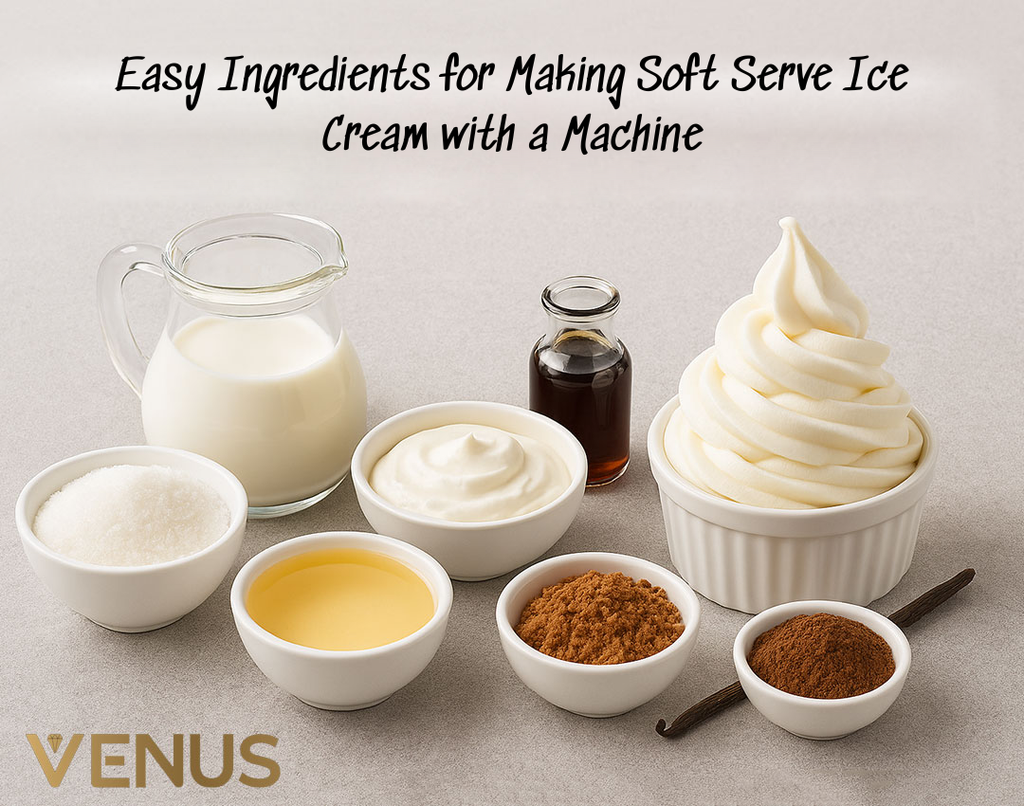
Ingredients and mixes for soft serve at home
Soft serve requires a balanced base. Key elements include milk solids, sugar, stabilizers, and often lower fat than hard ice cream.
- Milk and cream ratio
- Use more milk than cream for a lighter mouthfeel. Aim for 3%–6% fat for a soft-serve style.
- Sugars and sweeteners
- Sugar lowers freezing point and helps scoopability. Use sucrose or a blend with dextrose for better softness.
- Stabilizers and emulsifiers
- Small amounts of stabilizers (guar gum, locust bean gum) reduce ice crystals and hold air. They improve texture for soft serve.
- Commercial soft serve mixes
- Designed to give the right overrun and stability. They simplify results in home machines that can handle them.
Can you make soft serve ice cream in an ice cream machine using regular ice cream mix? Yes, with adjustments. Reduce fat slightly and add a stabilizer or extra sugar to mimic soft serve behavior.

Step-by-step method to make soft serve in a home machine
Follow these clear steps for the best chance to make soft serve at home.
- Prepare a soft-serve style mix
- Use a base with lower fat, slightly more sugar, and a small stabilizer dose. Chill the mix thoroughly.
- Pre-chill the machine or bowl
- For freezer-bowl machines, keep the bowl in the freezer 12–24 hours. Compressor machines need no advance freezing but should be cold.
- Churn with attention to timing
- Start the machine on a cold mix. Watch for a loose, ribbon-like texture. This typically takes 15–25 minutes depending on the unit.
- Adjust for air and temperature
- Stop when the mix is thick but still soft. If it’s too dense, reduce churn time next batch. If icy, increase stabilizer or chill mix longer.
- Serve immediately or hold briefly
- Soft serve is best right away. Compressor machines can hold it for short periods. Freezer-bowl machines may firm up quickly; serve fast.
Can you make soft serve ice cream in an ice cream machine and store it? Yes, but texture changes. Soft serve firms as it cools; a short hold in a cooler 5–10 minutes can help, but long storage turns it into regular ice cream.
:max_bytes(150000):strip_icc()/Carly-Diaz-for-Wiz-Bang-Bar-1-1fd36edd308c460382fe9dc2d3652d86.jpg)
Troubleshooting common problems
Short fixes help when texture or flavor goes wrong.
- Too icy
- Cause: low sugar or inadequate stabilizer. Fix: add a sweetener or stabilizer next batch.
- Too dense or heavy
- Cause: low overrun or too much fat. Fix: churn less or use a lighter base.
- Too soft and runny
- Cause: warm serving temperature or under-churned. Fix: chill machine parts and churn a bit longer.
- Grainy or icy after storage
- Cause: freezer crystallization. Fix: use airtight containers, add a small alcohol or invert sugar, or serve fresh.
Can you make soft serve ice cream in an ice cream machine every time? With practice, yes. Expect a learning curve for timing, mix tweaks, and machine behavior.
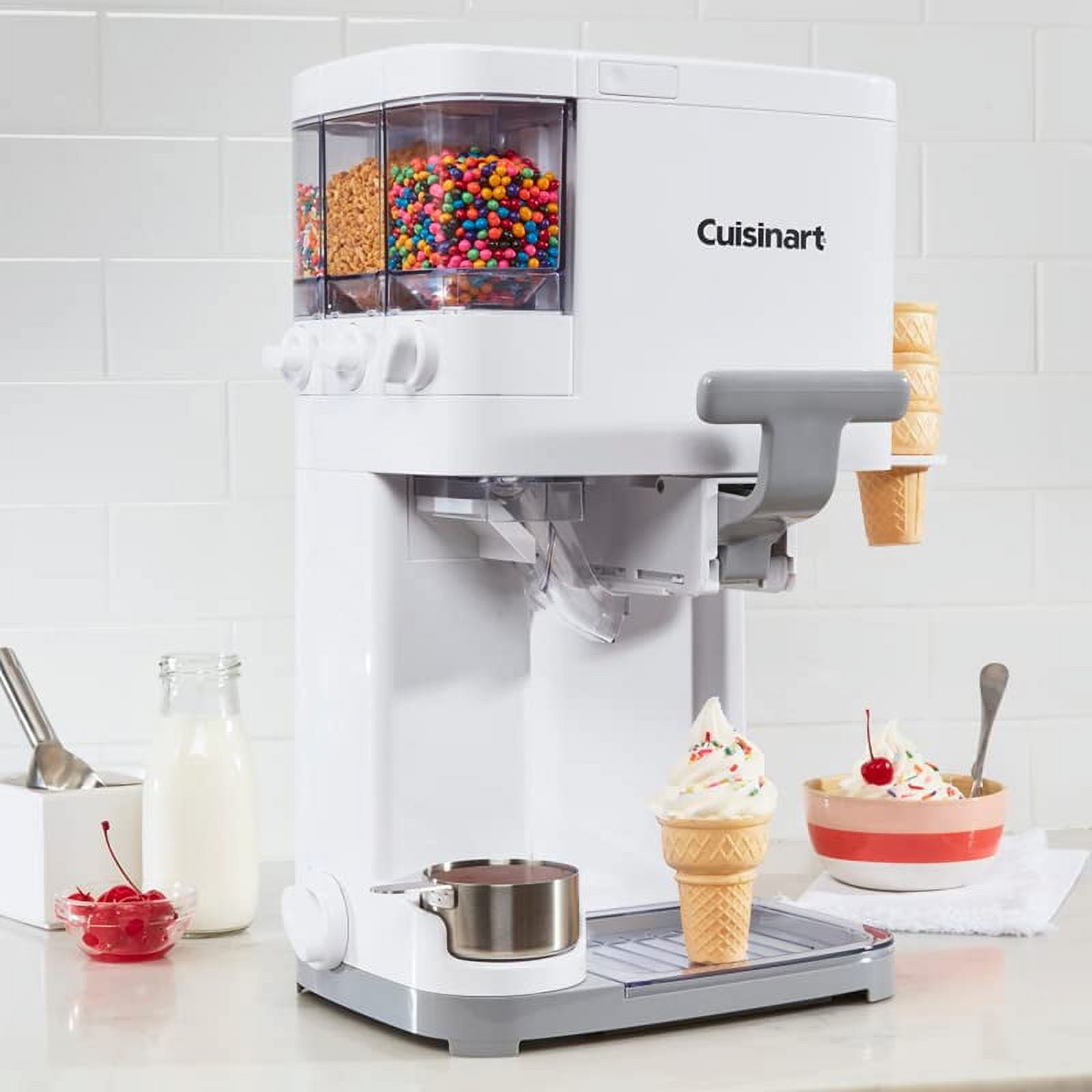
My experience making soft serve at home
I tested several home machines over multiple summers. My freezer-bowl machine made tasty quick treats, but they lacked the classic swirl. A small compressor unit produced the best soft-serve texture at home. Key lessons I learned:
- Chill mixes well. Cold mixes churn faster and take air better.
- Use small stabilizer amounts for smoothness. Too much makes the texture gummy.
- Practice timing. One extra minute of churn can change soft serve into frozen yogurt.
These tips come from repeated trial and error. They helped me move from icy batches to consistent soft serve at home.

Nutrition, safety, and storage tips
Soft serve has different nutrition and safety concerns than hard ice cream.
- Nutrition
- Lower fat bases can reduce calories, but sugar often remains high. Adjust sweeteners for diet needs.
- Food safety
- Keep dairy mixes cold at all times. Bacteria grow quickly in dairy at room temperature.
- Storage
- Soft serve is best served fresh. If storing, freeze quickly in shallow, airtight containers and expect a firmer result.
Can you make soft serve ice cream in an ice cream machine safely for kids and parties? Yes, if you keep mixes chilled and serve quickly. For large groups, consider batch prep and a compressor-style machine to hold texture.

Frequently Asked Questions
What type of home ice cream machine makes the best soft serve?
Compressor machines consistently make the best soft serve at home because they control temperature and churn continuously. Freezer-bowl units can approximate soft serve but often produce firmer results.
Do I need special soft serve mix for home machines?
You can use regular mixes with adjustments, but commercial soft serve mixes simplify the process and improve texture. Adding stabilizers and tweaking fat and sugar levels helps when using homemade bases.
How long can I hold soft serve in a home machine?
Compressor machines can hold soft serve for short stretches, typically 30–60 minutes, depending on the unit. Freezer-bowl machines are not meant for long holding and will firm up quickly.
Can I make dairy-free soft serve in an ice cream machine?
Yes, many plant-based milks work well if you add sugar and stabilizers to improve texture and mimic creaminess. Coconut and full-fat oat milk often give the creamiest results.
How do I prevent soft serve from becoming icy after freezing?
Use stabilizers, higher sugar or invert sugar, and store in airtight containers to limit crystal growth. Rapid freezing and minimizing air exposure also help.
Is overrun important for home soft serve?
Yes. Overrun (air whipped into the mix) creates the light mouthfeel of soft serve. Many home machines add less overrun than commercial units, so adjust expectations and churning time.
Conclusion
You can make soft serve ice cream in an ice cream machine with the right machine, mix, and technique. Compressor machines give the closest match to commercial soft serve, while freezer-bowl units can still make tasty, soft-style desserts. Practice timing, tweak your recipe, and mind temperature to get consistent results. Try one batch with the tips here, refine your mix, and share your success—then subscribe or comment to tell me how your soft serve turned out.

