

A red card in soccer means a player is sent off and removed from the game for a serious foul.
I’ve spent years watching, coaching, and writing about soccer, and I know how a red card changes a match. This guide explains what a red card is, why it is shown, what offenses trigger it, how referees decide, and practical tips to avoid it. Read on for clear rules, real examples, and useful advice you can apply on and off the pitch.

36% off Today’s Exclusive Deals
Limited-time Exclusive Deals. Check current discount on Amazon.
Check Price on Amazon As an Amazon Associate I earn from qualifying purchases.
What is a red card?
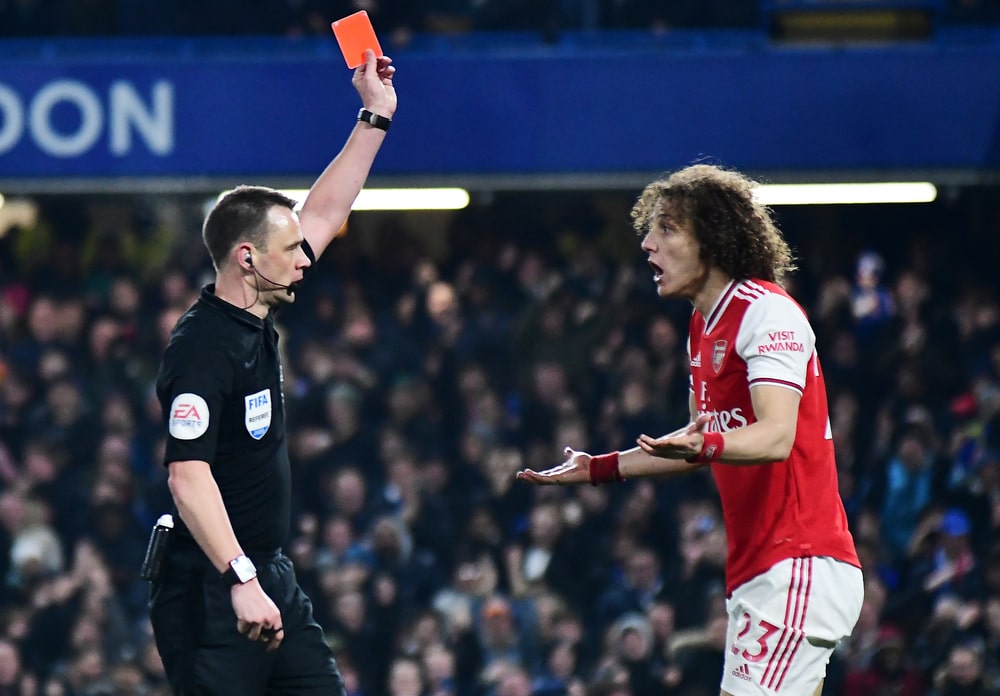
A red card is the referee’s signal to dismiss a player from the match. When a player receives a red card, they must leave the field immediately and cannot be replaced. The team continues with one fewer player for the rest of the game. The decision reflects serious rule breaches defined by the Laws of the Game.
The red card covers both direct send-offs and cases that follow a second yellow card. A second yellow equals an automatic red and removal. The referee’s report usually starts the post-match disciplinary process for suspensions or fines.
Why are red cards shown?
Referees use a red card to keep safety and fairness in the match. Red cards punish behavior that risks player safety or breaks the spirit of fair play. Showing a red card helps control violent conduct, dangerous tackles, and deliberate cheating. The threat of a red card also sets a clear boundary for player conduct.
Using a red card keeps matches safer and preserves the sport’s integrity. It forces teams and players to respect rules and opponents. Referees aim to apply the red card consistently and only when necessary.
Offenses that lead to a red card
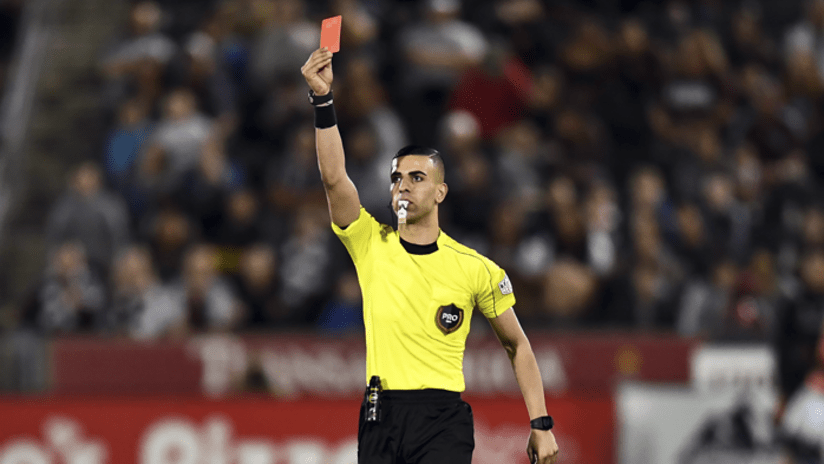
Common offenses that result in a red card include the following.
- Violent conduct: Striking, elbowing, or head-butting an opponent or any person.
- Serious foul play: Tackles that endanger an opponent with excessive force.
- Denying an obvious goal-scoring opportunity: Using a hand or a foul to stop an attacker from scoring.
- Spitting at someone: Considered an immediate sending-off offense.
- Offensive or abusive language and gestures: Extreme verbal abuse toward players, officials, or fans.
Many of these offenses also apply to substitutes and team officials. A straight red is shown for the most serious acts, while two cautions (yellow cards) also lead to a red.

Consequences and the disciplinary process
Immediate match consequences are straightforward. The sent-off player leaves the bench area and cannot return to the field. The team plays with one fewer player, which forces tactical and physical adjustments.
Post-match consequences often include suspension and possible fines. Leagues and associations review the referee’s report and can extend bans for severe incidents. Clubs can appeal, but overturned red cards are relatively rare and need strong evidence.

How referees decide: signals, VAR, and the process
Referees judge intent, force, and context. A clear red card incident often involves visible danger or deliberate unfair play. Referees use the red card signal by holding it aloft in one hand and completing the dismissal procedure.
VAR (video assistant referee) can review and recommend a red card for clear and obvious errors. VAR checks include potential violent conduct, DOGSO (denying an obvious goal-scoring opportunity), or mistaken identity. Referees still make the final call after VAR checks.

Tips to avoid red cards: advice for players and coaches
Staying disciplined is the best way to avoid a red card. Play strong but fair. Here are practical tips I’ve used as a coach.
- Improve timing: Focus on clean tackles and positioning to avoid last-ditch fouls.
- Control emotions: Take a breath after confrontations and avoid retaliation.
- Communicate with teammates: Clear communication prevents desperate fouls inside dangerous areas.
- Practice situational play: Train scenarios like one-on-one defense and goalkeeper challenges.
- Respect the referee: Small gestures and calm discussion reduce chances of escalating to a red card.
From my experience, teaching young players to value fair play reduces red cards significantly. Mistakes happen, but consistent coaching and simple habits cut down risky play.

Common short questions
Can a player return after a red card?
No. A player sent off by a red card cannot return during that match and cannot be replaced.
Is a second yellow the same as a red card?
Yes. Two yellow cards in one match equal a red card and result in dismissal.
Does VAR always review red card incidents?
No. VAR reviews only clear and obvious refereeing errors or serious missed incidents related to red card offenses.

Frequently Asked Questions of What is a red card in soccer?
What happens to team numbers after a red card?
The team plays with one fewer player for the rest of the match. They cannot bring on a substitute to replace the sent-off player.
Can substitutes or coaches get a red card?
Yes. Substitutes, substituted players, and team officials can be shown a red card for misconduct or violent actions.
How long is the suspension after a red card?
Suspension length varies by league and offense. Typical bans start from one match and increase for violent conduct or repeat offenses.
Can a red card be appealed and overturned?
Yes. Clubs can appeal red cards, but overturning them requires strong video or procedural evidence. Appeals succeed only in a minority of cases.
Does a red card affect player statistics?
Yes. Red cards are recorded in match reports and affect disciplinary records, suspension counts, and sometimes reputation for future refereeing decisions.
Conclusion
A red card in soccer is a powerful tool to protect players and keep the game fair. It removes a player for serious fouls, forces teams to adapt, and often leads to further discipline. Learn the rules, train to play clean, and control emotions to avoid the costly consequences of a red card. If you coach or play, use this guide to teach safer habits and smarter decisions on the pitch. Share your red card stories or questions below, subscribe for more soccer guides, or leave a comment to join the discussion.

