

Six players play on the court; team rosters usually list 12 to 14 players total.
I’ve coached and played volleyball for years, and I’ll walk you through exactly how many players are on a volleyball team, why those numbers matter, and how they change by format and level. This guide covers on-court rules, roster sizes for competitions, position roles, substitutions, and practical tips you can use whether you’re a new player, a parent, or a coach.

36% off Today’s Exclusive Deals
Limited-time Exclusive Deals. Check current discount on Amazon.
Check Price on Amazon As an Amazon Associate I earn from qualifying purchases.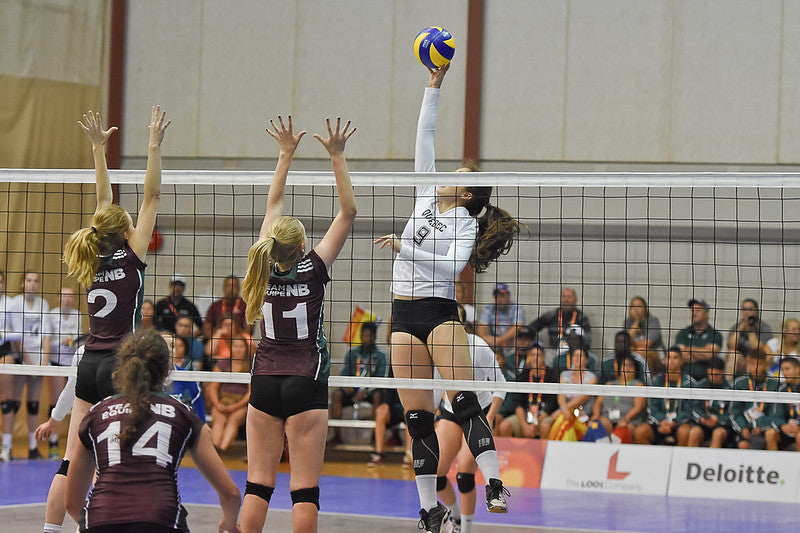
Standard roster and match day numbers
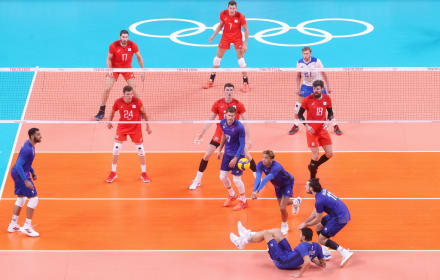
The short, clear rule is simple: how many players are on a volleyball team on the court? Six players per team play at once in indoor volleyball. Those six cover offense, defense, and serve-receive duties while forming the core rotation.
Rosters off the court vary by league and level. Recreational teams can list as few as six players. High school and many club teams often carry 10 to 15 players. At major international events, rosters are usually limited to around 12 to 14 players per match. Always check the competition rules for exact roster limits.
Why the difference? Having 12 to 14 players allows coaches to swap in specialists, rest starters, and cover injuries without breaking rotation rules. If you wonder how many players are on a volleyball team for a specific event, look at that event’s technical manual or team sheet for the official number.
Positions and roles on a volleyball team
Knowing how many players are on a volleyball team matters most when you learn the roles. Six positions on the court create a balanced team. Each role has specific responsibilities and skills.
- Setter. Runs the offense and sets hitters. Good setters read the blockers and tempo.
- Outside hitter. Primary attacker and passer. They often get the most swings.
- Opposite hitter. Strong blocker and attacker from the right side. Adds offense when the setter is in the front row.
- Middle blocker. Fast attacker and central blocker. Moves quickly along the net.
- Libero. Defensive specialist who can replace back-row players without counting as a substitution. Focuses on passing and digging.
- Defensive specialist. A substitution-based role used to improve back-row defense or passing.
When people ask how many players are on a volleyball team and what each does, the answer is six on court but a fuller roster supports these specialized roles. A good team balances hitters, blockers, and defenders so the six on court can rotate and maintain tempo.

Substitutions, rotation, and bench strategy
Understanding how many players are on a volleyball team also means understanding bench use. Teams carry extra players to replace tired or injured players and to shift tactics.
- Substitutions keep players fresh. Coaches plan them to match opponents or manage fatigue.
- Libero swaps are special. The libero replaces back-row players freely under most rules without counting as a regular substitution.
- Rotation rules affect lineup. Players must follow rotation order on serve and can be swapped tactically between sets.
Specific substitution limits and procedures can change by league. If you coach or play, learn your league’s substitution rules before game day. In practice, treat the bench as a tactical toolbox. I’ve seen matches flipped when a fresh outside hitter entered to exploit a tired blocker.

Variations: beach volleyball, sitting volleyball, and youth formats
How many players are on a volleyball team depends on the version of the game. Different formats have different on-court counts and rosters.
- Beach volleyball. Two players per team on the sand. Rosters are small; partnerships often travel as a pair.
- Sitting volleyball. Typically six players per team on the court, adapted for athletes with disabilities. Rules are similar but with seat contact rules.
- Youth and recreational variants. You’ll find 4s, 3s, or modified play to match skill levels. Some programs use eight or nine-player rosters for rotation ease.
If you ask how many players are on a volleyball team for beach play, the answer is two. For indoor Paralympic-style sitting volleyball, it mirrors the six-on-court indoor game but with adapted rules.

Practical examples and tips for coaches and players
Putting the numbers into real situations helps you plan. Here are common roster examples and tips to manage players.
- Small club team: 8 to 10 players. Offer steady playtime and focus on skill growth.
- High school team: 10 to 15 players. Balance varsity and JV roles to keep depth.
- College or pro match roster: usually 12 to 14 players. Use specialists and manage fatigue over long tournaments.
Tips from experience:
- Keep at least two players for each role when possible. That helps if someone gets hurt.
- Practice with the full match roster. Train substitutes to step in without losing rhythm.
- Use clear role labels (primary setter, backup setter, two middles, three outsides, libero) so players know expectations.
When figuring out how many players are on a volleyball team for your club, start with six on court and then build a roster that balances skill, stamina, and versatility.
Common short questions players ask
What is the minimum number of players required to start a volleyball match?
Most leagues require six players on the court to start an indoor match. Beach volleyball needs two players per team to start.
Can a team play with fewer than six players?
Teams can play short-handed if allowed by league rules, but it hurts rotation and defense. Some competitions will forfeit if a team cannot field the required number.
Does the libero count toward how many players are on a volleyball team?
The libero is part of the team roster but does not count as a substitution when replacing a back-row player. The libero still occupies one of the roster spots.
How many substitutes should a coach bring to a tournament?
Bring enough substitutes to cover all roles—typically 4 to 8 on top of your six starters. This provides options for injury, fatigue, and tactical shifts.
Do beach volleyball teams have reserves?
Beach teams usually travel as pairs and may add a reserve or coach in larger events. The two players play all roles on the sand, so reserves are rare.
Frequently Asked Questions of How many players are on a volleyball team?
How many players are on a volleyball team during a standard indoor match?
Six players per side play on the court in standard indoor volleyball. Teams usually carry additional players on the roster to substitute or rotate.
How many players are allowed on a team roster in competitions?
Roster sizes vary by competition. Common match rosters range from 10 to 14 players, but exact limits depend on the league or event rules.
How many players are on a beach volleyball team?
Two players are on the court per side in beach volleyball. Teams are typically made up of just the two players who handle all roles.
How many players are needed for a practice squad?
A good practice squad includes at least 8 to 10 players to allow for full rotations and scrimmage play. That creates realistic drills and resting options.
How many hitters should a team have on its roster?
Aim for three to four strong hitters across the outside, opposite, and middle positions. Depth prevents offensive breakdowns when one hitter is out.
Can a team change how many players are on the court mid-game?
No. The number of players on the court stays fixed by format—six for indoor and two for beach. Substitutions change personnel, not the count on court.
Conclusion
Six players on the court form the heart of every indoor volleyball team, while rosters usually expand to 10–14 players so coaches can use tactics and manage fatigue. Whether you play indoor, beach, or sitting volleyball, understanding how many players are on a volleyball team helps you plan lineups, practices, and strategy. Take a look at your league rules, build a balanced roster, and practice substitutions so your team can perform under pressure. Share your roster strategy or questions below, subscribe for more volleyball guides, or leave a comment about the team size you use.

