

Start with consistent fundamentals, practice smart drills, and build footwork, strength, and game sense daily.
I’ve coached and played volleyball for years, and I’ll walk you through clear, practical steps to help beginners improve volleyball skills fast. This guide breaks fundamentals into easy drills, explains what to focus on first, and shares real coaching tips and mistakes I learned the hard way. Read on to build better passing, serving, hitting, and court awareness with confidence.

36% off Today’s Exclusive Deals
Limited-time Exclusive Deals. Check current discount on Amazon.
Check Price on Amazon As an Amazon Associate I earn from qualifying purchases.
Fundamental principles every beginner should know
Volleyball is simple at heart: control the ball, move efficiently, and communicate. Focus on body position, platform for passing, and a consistent approach for hitting. Good fundamentals multiply every practice session’s value and speed up how you improve volleyball skills.
Key fundamentals to practice daily:
- Hand and wrist placement for accurate passing.
- Low, balanced stance to move in any direction.
- Consistent toss and footwork for serving and setting.
- Basic communication cues like “mine” and “setter.”
My experience: beginners who master a stable platform and simple footwork see faster improvements than those who chase powerful spikes early. Start small and build.
Essential skills and how to improve them
Improving volleyball skills means focusing on core actions: passing, setting, serving, attacking, blocking, and defense. Break each skill into bite-sized mechanics, then practice with intention.
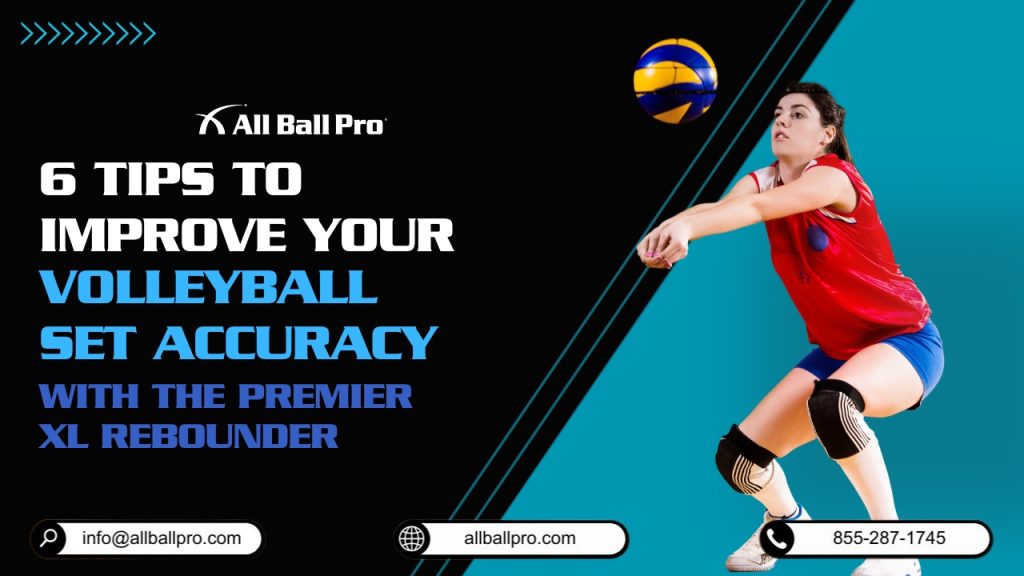
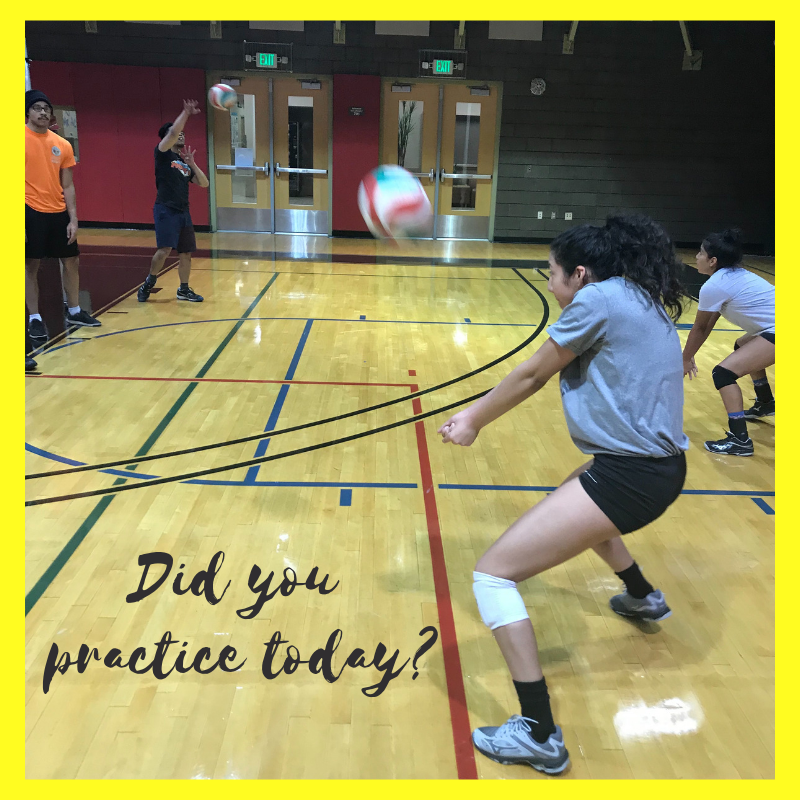
Passing (bump)
- Focus on a flat, angled forearm platform and knees bent.
- Drill: Partner short feeds, aim to pass to a target on the court.
- Tip: Eyes on the ball’s trajectory, not the target, then use shoulder rotation to direct the pass.
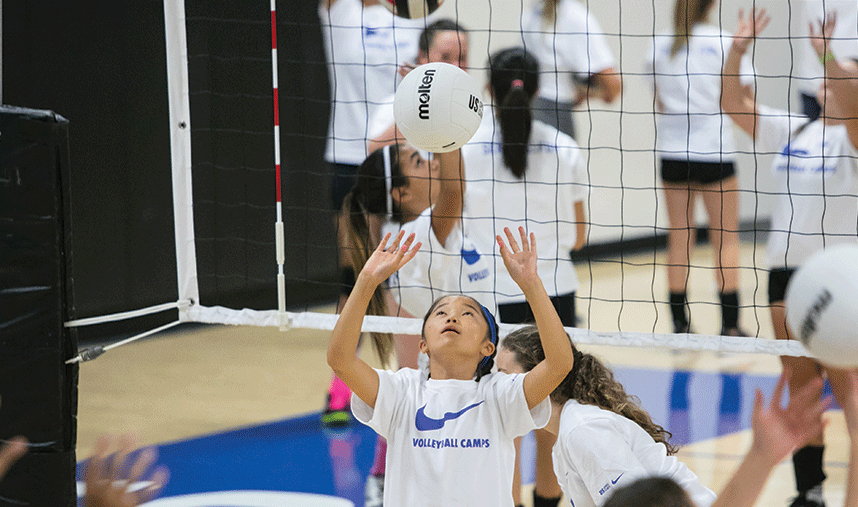
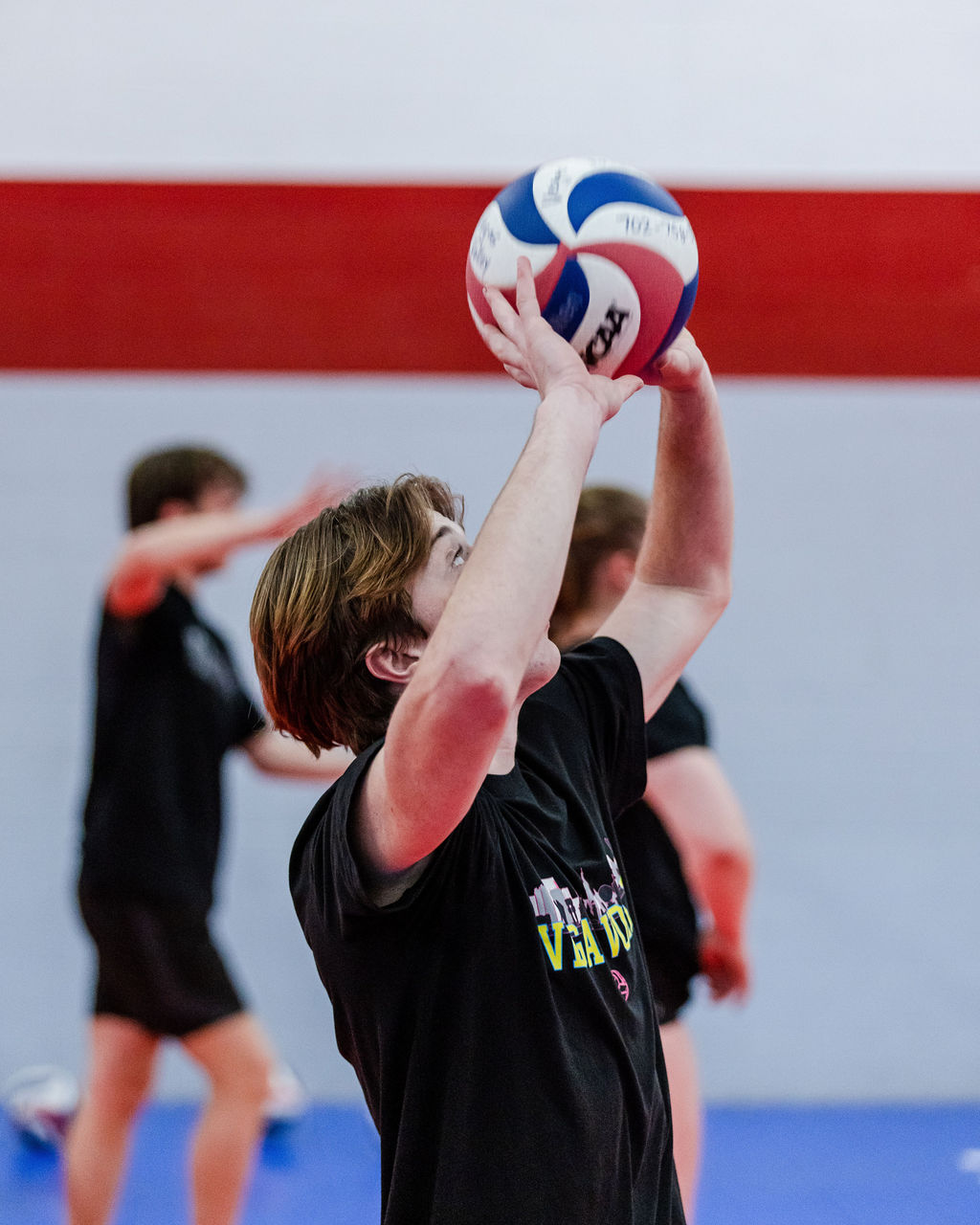
Setting
- Use fingertips, form a triangle window, and extend through the ball.
- Drill: Wall sets for touch, then partner sets to a target.
- Tip: Practice footwork to get directly under the ball for consistent sets.
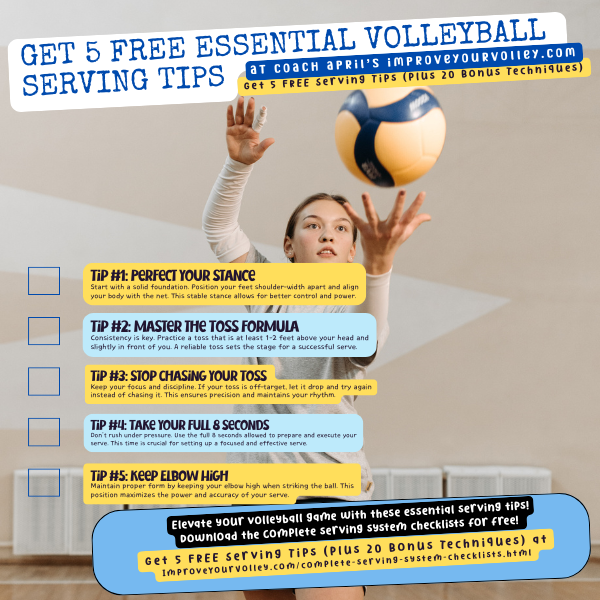
Serving
- Start with consistent underhand if needed, then progress to overhand float.
- Drill: 10 serves to zones; aim for accuracy before power.
- Tip: Short, repeatable toss beats a big, inconsistent toss every time.
Attacking (spiking)
- Timing and approach matter more than raw height.
- Drill: Approach steps and arm swing without a ball, then add tosses.
- Tip: Work on wrist snap and hitting different angles, not just power.
Blocking
- Work on footwork along the net and timing the jump with the setter’s pass.
- Drill: Read hitter’s arm swing and close hands over the net.
- Tip: Blocks are often about angle and timing, not hand strength.
Defense (digging and covering)
- Keep low, hands ready, and read hitters’ shoulders.
- Drill: Reaction drills where balls are directed unpredictably.
- Tip: Anticipation and positioning are key — move your feet before the ball drops.
Practice each skill in short focused sessions. Quality reps beat quantity when you want to improve volleyball skills.
PAA-style question: What should beginners focus on first?
Start with passing and footwork. These skills create a stable base for setting, serving, and attacking.
PAA-style question: How often should beginners practice?
Aim for 3 to 4 focused sessions per week plus short daily drills or tosses to maintain touch.
Drills and practice routines that accelerate progress
A well-structured practice routine helps beginners improve volleyball skills faster. Mix technical drills, conditioning, and game-like scenarios.
Sample weekly routine for beginners
- Day 1: Passing and serve accuracy (30–45 minutes)
- Day 2: Setting drills and approach footwork (30–45 minutes)
- Day 3: Hitting technique and blocking footwork (30–45 minutes)
- Day 4: Game scrimmage and targeted corrections (45–60 minutes)
Effective drills to include
- Target passing: Pass to hula hoop or tile on court.
- Wall setting: 100 continuous sets focusing on hand contact.
- Serve-to-zone: 20 serves to each zone, track accuracy.
- Approach shadowing: Practice 3-step or 4-step approaches without ball.
- Reaction tosses: Coach throws unpredictable balls to build defense.
Real-life tip: I often timed 10-minute “touch” blocks—short, intense focus on one skill. Players kept interest high and improved faster.
Footwork, movement, and positioning
Foot speed and court positioning are essential to improve volleyball skills. Good footwork puts you in the right place to execute technique.
Basic movement drills
- Shuffle and recovery: Move laterally, pause, then sprint to cover.
- Drop-step for blocks: Step to the net, then swing feet to match hitter.
- Approach drills: Repeat approach steps with consistent rhythm.
Positioning rules for beginners
- Stay between the ball and your target (for passers).
- Let the setter get to the second touch; avoid crossing paths.
- Back-row players stay low and ready to cover tips and deep shots.
From experience, players who practice footwork 10 minutes daily see big gains in game reads and fewer miscues.
Strength, conditioning, and injury prevention
Physical readiness speeds skill development and reduces injuries. Balance strength work with mobility and recovery.
Key exercises for volleyball
- Squats and lunges to build leg drive for jumping.
- Core planks and anti-rotation moves for stability.
- Calf raises and single-leg balance for ankle strength.
Warm-up and recovery
- 8–10 minute dynamic warm-up before practice.
- Cool down with light stretching and foam rolling.
- Respect rest days to let muscles recover.
Injuries to watch for and prevention tips
- Overuse shoulder pain: Limit repetitive overhead hitting; strengthen rotator cuff muscles.
- Ankle sprains: Practice landing mechanics and wear supportive shoes.
- Knee stress: Build quadriceps and hamstring balance.
I once skipped mobility work during a season and paid for it with tight hips. Short daily mobility saved my teammates and me from nagging pain later.
Mental game, communication, and game IQ
Volleyball is a team sport where communication and mental focus matter as much as technique. Improving volleyball skills requires sharpening your mind.
Mental habits to develop
- Stay present between plays; reset quickly after mistakes.
- Learn to read opponents’ tendencies and hitter body language.
- Use simple calls like “mine,” “yours,” and “switch” to avoid confusion.
Building game IQ
- Watch matches and focus on positioning and rotation.
- Play small-sided games to increase touches and decision-making speed.
- Ask coaches for feedback and apply one correction per practice.
A tip from coaching: players who verbally commit to plays and use eye contact reduce errors and build trust faster than silent teams.

Common mistakes beginners make and how to fix them
Recognizing errors helps you improve volleyball skills efficiently. Fixing fundamentals prevents bad habits.
Common mistakes and fixes
- Mistake: Standing upright when passing. Fix: Bend knees and lower center of gravity.
- Mistake: Rushing serving power. Fix: Prioritize toss and follow-through for accuracy.
- Mistake: Poor approach timing. Fix: Practice approach footwork without the ball, then add timing.
- Mistake: Freezing after mistakes. Fix: Practice quick resets and short breathing routines to refocus.
From my playing days, the biggest shift came when I replaced power-first mindset with a control-first routine. It improved my consistency overnight.

Tracking progress and setting goals
Track improvements to stay motivated and make practice efficient. Clear metrics help you know what to improve next.
How to set goals
- Short-term: Make 8 of 10 serves to zone, or pass 50 consecutive target passes.
- Mid-term: Increase successful sets in scrimmage by 20% within a month.
- Long-term: Become a reliable starting player or hit consistent line shots.
Progress tracking tools
- Practice log: Record drills, reps, and notes after each session.
- Video review: Film practices and games to spot mechanical issues.
- Simple stats: Track serve percent, passing accuracy, and digs per set.
I kept a small notebook in my gym bag for years. Reading it weekly showed patterns I’d otherwise miss and kept practice focused.

Resources and continued learning
Keep learning beyond practice to improve volleyball skills continuously. Mix reading, watching, and playing.
Recommended learning habits
- Watch match clips and focus on one skill per video.
- Read short coaching articles or watch tutorial breakdowns.
- Join local clinics or small-group training for targeted feedback.
Be mindful: not every tip fits your style. Test ideas, keep what helps, and discard what doesn’t. That trial-and-error mindset accelerated my progress more than any single drill.
Frequently Asked Questions of How can beginners improve volleyball skills?
What is the best skill for beginners to start with?
Begin with passing and footwork. These basics create a reliable foundation for setting and attacking.
How long does it take to see improvement?
With focused practice 3–4 times a week, most beginners notice clear gains in 4–8 weeks.
How many times per week should I practice to improve?
Aim for at least three focused sessions per week plus short daily touch work like 10–15 minutes of serving or setting.
Should beginners learn overhand or underhand serve first?
Start with a consistent underhand if necessary, then progress to overhand float serves for more control and transition to power later.
What equipment do beginners need to practice effectively?
Basic needs are a good volleyball, knee pads, supportive shoes, and access to a net. A partner or wall helps for solo drills.
Conclusion
Mastering volleyball starts with consistent fundamentals, focused drills, smart conditioning, and strong communication. By practicing passing, setting, serving, and footwork with intention, tracking progress, and learning from mistakes, beginners can improve volleyball skills steadily and enjoy the game more. Start small, practice smart, and stay curious—your best improvements come from steady, measurable steps. Try the sample weekly routine, keep a short practice log, and share your progress or questions below to keep improving together.

