

LBW is when a ball hits the batter’s body and would have gone on to hit the stumps.
I’ve spent years playing, coaching, and umpiring club and semi-pro cricket, so I’ll walk you through LBW with clear law-based explanations, real examples, and practical tips. This article explains what LBW means, the exact criteria umpires use, how technology helps, common scenarios, and how both bowlers and batsmen can respond smartly to LBW chances. Read on to get a full, reliable guide to LBW in cricket that you can use on the pitch today.

36% off Today’s Exclusive Deals
Limited-time Exclusive Deals. Check current discount on Amazon.
Check Price on Amazon As an Amazon Associate I earn from qualifying purchases.
What is LBW? Definition and the law
LBW stands for leg before wicket. It is one of the main ways a batter can be dismissed in cricket.
At its core, LBW means an umpire decides the ball, after leaving the bowler’s hand, struck the batter’s body (usually the pad) instead of the bat and would have hit the stumps. The decision rests on several precise conditions in the Laws of Cricket. Umpires judge whether the ball was a legal delivery, where the ball pitched, where it struck the batter, and whether it would have hit the stumps. Those checks make LBW a technical call.

The five key criteria for an LBW decision
Umpires use clear checks before raising their finger for LBW. Each must be satisfied for a batter to be out LBW.
- The delivery must be legal and not a no-ball. A no-ball cannot result in LBW.
- The ball must not have pitched outside the line of leg stump. If it pitches outside leg, LBW is not possible.
- The ball must strike the batter without first touching the bat or glove held in the hand that counts as part of the bat.
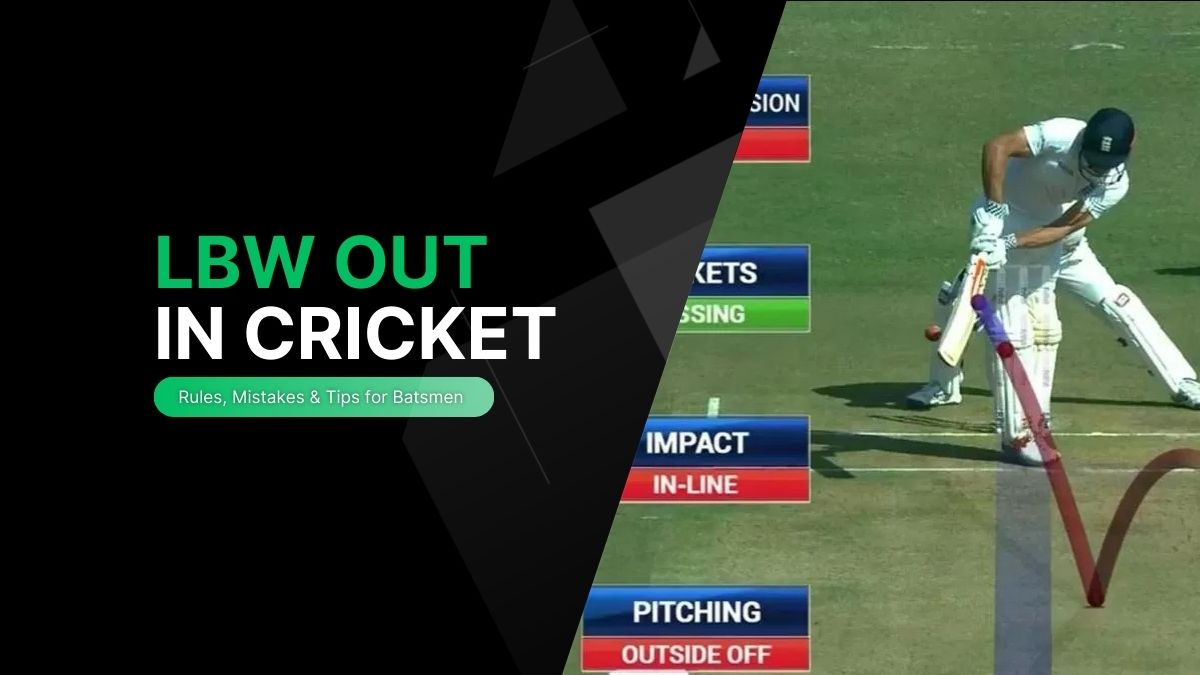
- The point of impact must be in line with the stumps, or the batter must not have offered a genuine shot when struck outside the line of off stump.
- The ball, according to the umpire’s judgment or ball-tracking, must have been going on to hit the stumps.
These checks are applied quickly by the on-field umpire and then re-examined when a DRS review occurs. Clear understanding of each rule helps players know when to appeal and when to accept a decision.
How umpires decide LBW: signals, intuition, and DRS
On-field umpires combine observation, positioning, and rules knowledge to judge LBW appeals. They watch the bowler’s release, the ball’s bounce, the bat’s movement, and where the ball hits the batter. If an appeal is made, the umpire signals out or not out. For tight calls, teams can use DRS.
DRS uses technologies like ball-tracking to model the ball’s path after impact. It also uses audio and edge-detection tools to ensure the ball didn’t touch the bat first. Ball-tracking predicts whether the ball would have hit the stumps. That prediction factors into the LBW ruling during reviews. Umpires and third umpires work together to reach a final, fair call.

People also ask
Can a batter be given out LBW if the ball hits the glove?
If the glove is on the hand holding the bat, it counts as part of the bat. So if the ball hits that glove first, LBW cannot be given. If the glove is not involved and the ball hits the pad, LBW can still apply.
Is LBW possible if the batter plays a shot?
Yes. A batter can be out LBW even when playing a genuine shot if the impact is in line and the ball would hit the stumps. If playing a shot and struck outside off, the batter is usually not out.
Common LBW scenarios with examples
Understanding common scenarios helps players avoid mistakes and bowlers create chances.
- Ball pitching outside leg stump then hitting pad — not out. Many club players appeal this but it’s not allowed.
- Ball pitching in line, hitting pad in front of middle stump, would hit stumps — out LBW.
- Ball pitching outside off stump, batter offers no shot, impact outside off — can be out if ball would hit stumps.
- Turning deliveries that beat the bat and hit pad in line — often out because the ball would hit wickets.
- Inside edge before pad — not LBW because the bat touched the ball first.
From my time coaching, I saw a lot of young batters get trapped LBW by leaving their pads exposed. The best defense is to get bat to ball or present the pad carefully when you judge the line. Bowlers can exploit this by targeting the pads with good drift and angles.

Technology, controversies, and limits
Technology has improved LBW accuracy, but limits remain. Ball-tracking models trajectories based on sensors and video frames, then projects the path to the stumps. That helps decide if the ball would have hit the wicket.
Controversies include margin of error and interpretation of impact points. Different systems may give slightly different projections. Human umpires can also make genuine mistakes. The spirit of cricket asks players to accept fair decisions, yet debates around LBW continue. Understanding the tech’s strengths and limits makes reviews smarter and fairer.

Practical tips: How to avoid or win LBW appeals
Both batters and bowlers can use simple tactics to reduce or increase LBW chances.
For batters:
- Get bat to ball whenever possible to remove LBW risk.
- Learn when to leave — if the ball is clearly outside off and you’re offering a shot, it’s safer to leave.
- Use footwork to get outside the line of impact and present fewer LBW chances.
For bowlers:
- Aim at the stumps and use seam or swing to attack the pads.
- Vary length and angle to create doubt about hitting the stumps.
- Appeal with good timing and confidence; well-timed appeals aid umpires’ focus.
From personal experience, I learned to practice leaving balls and watching seam/tail. That cut down my LBW dismissals. As a bowler, I once won a match with a clever in-swing that trapped the batter in front. Simple habits matter most.
Related concepts and terms to know
Knowing related terms clears confusion around LBW calls.
- DRS — the review system used to challenge on-field LBW decisions.
- Ball-tracking — the tech that predicts if a ball would hit the stumps.
- No-ball — cancels any LBW possibility from that delivery.
- Edge — a contact between bat and ball; if present, LBW is ruled out.
- Line of off and leg — key spatial references umpires use for LBW judgments.
These terms appear in match commentary and decisions. A quick grasp of them helps you follow LBW calls and act correctly on the field.

Frequently Asked Questions of What is LBW in cricket?
What does LBW stand for?
LBW stands for leg before wicket. It is a dismissal when the ball hits the batter’s body and would have gone on to hit the stumps.
Can you be out LBW if the ball hits your bat first?
No. If the ball touches the bat or the glove attached to the bat before hitting the pad, the batter cannot be out LBW.
Is LBW possible if the ball pitches outside leg stump?
No. If the ball pitches outside the leg stump, the batter cannot be given out LBW.
Does playing a shot stop an LBW decision?
Playing a genuine shot can prevent an LBW if the impact is outside the line of off stump. However, a shot does not automatically stop an LBW if other criteria are met.
How does DRS affect LBW decisions?
DRS uses ball-tracking and edge detection to reassess LBW calls. It helps correct close errors but has a small margin of uncertainty.
Can a wicketkeeper appeal for LBW?
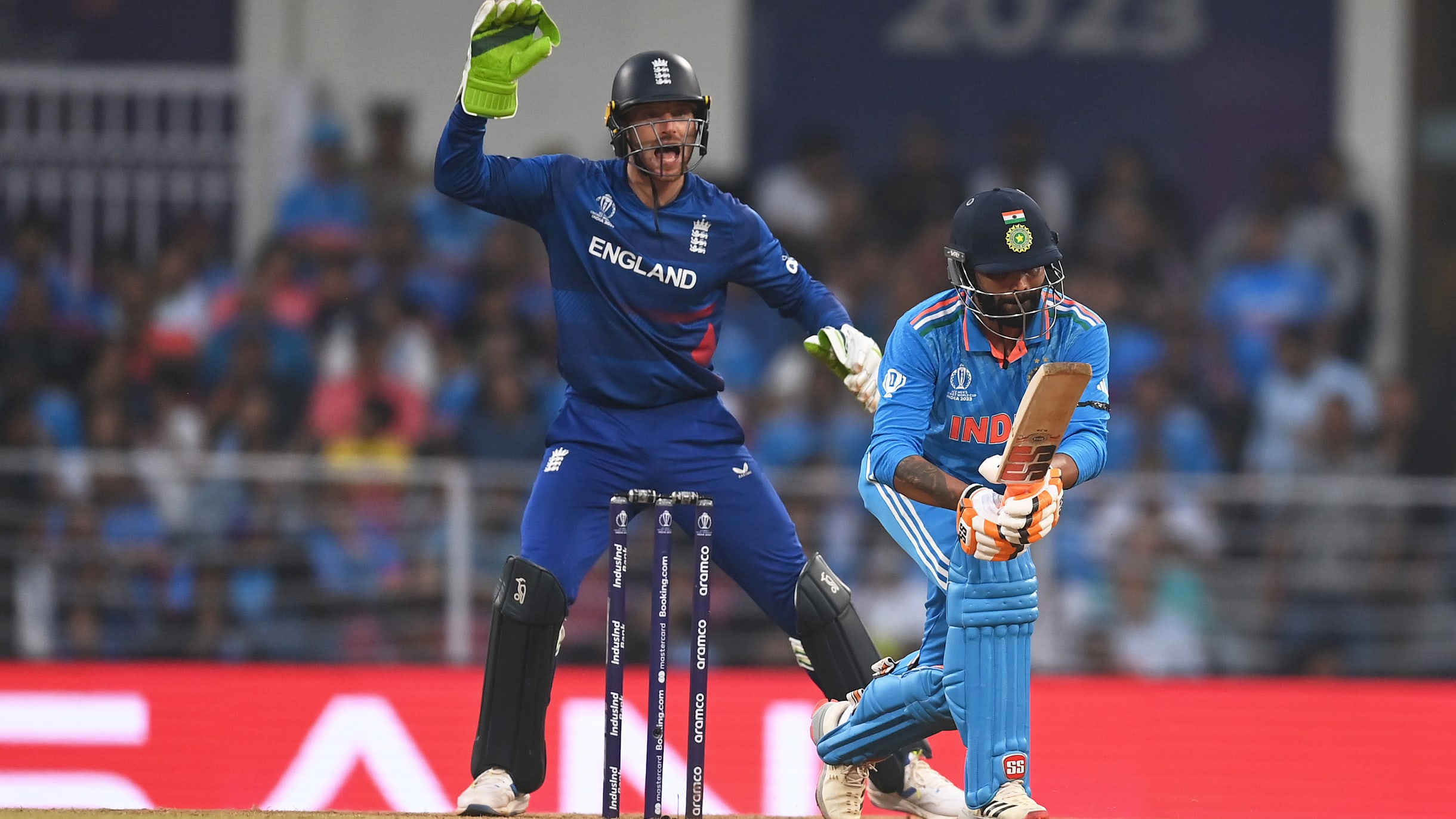
Yes. Any fielder, including the wicketkeeper, can appeal for LBW by asking the umpire for a decision.
Conclusion
LBW is a technical but fair mode of dismissal when the ball strikes the batter and would have hit the stumps. Knowing the rules, practicing sound batting technique, and using smart bowling tactics make LBW clearer and less frustrating. Use the tips here on the field: focus on bat-to-ball, watch the line, and make informed appeals. If this article helped, try one practical tip in your next game, subscribe for more cricket guides, or leave a comment about your best or worst LBW memory.

