

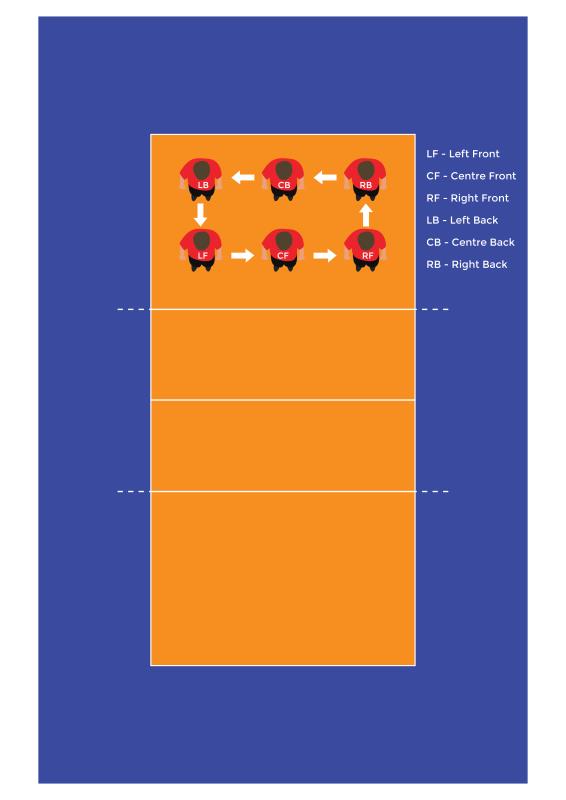
A volleyball rotation is the clockwise movement of players to maintain serving order and positions.
I’ve coached and played for years, and I know how confusing rotation can seem. This article explains what is a volleyball rotation? clearly, step by step. You will learn the rules, the why behind each move, common strategies, and drills to build muscle memory. By the end, you will feel confident reading lineups, calling substitutions, and coaching rotations in a match.

36% off Today’s Exclusive Deals
Limited-time Exclusive Deals. Check current discount on Amazon.
Check Price on Amazon As an Amazon Associate I earn from qualifying purchases.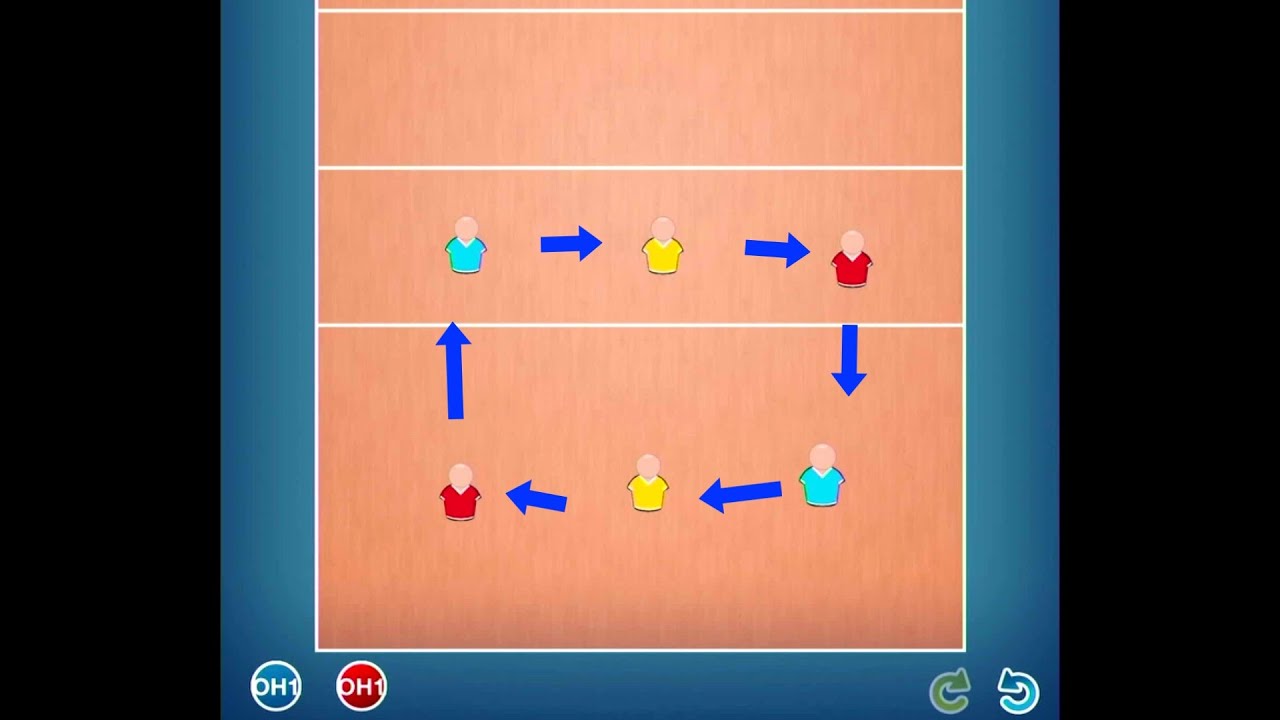
What is a volleyball rotation? — Basic definition
A volleyball rotation is the required clockwise movement of six players after a side-out or a score by the receiving team. The rotation keeps the serving order and ensures that each player is in the correct front or back row position at the time of the serve. Coaches use rotations to manage roles, like having the setter in the right spot or ensuring strong attackers are front row. Understanding what is a volleyball rotation? starts with seeing it as both a rule and a strategy.
Volleyball rotation rules and order
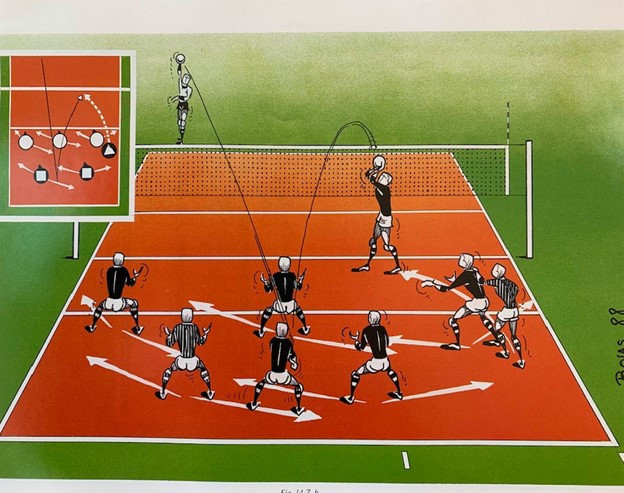
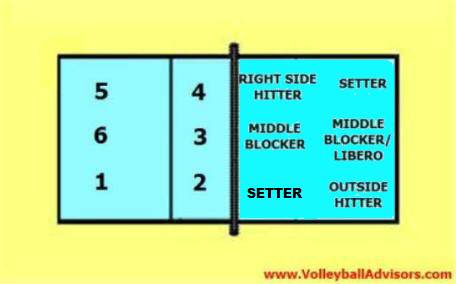
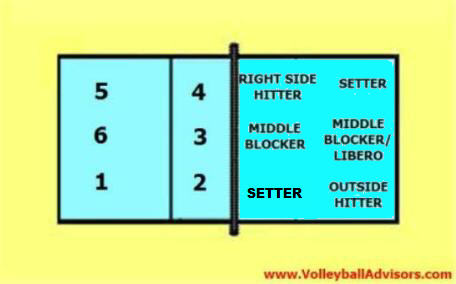
Rotation follows a strict order set by the lineup at the start of a set. The server must match the rotation order. Players rotate clockwise one position each time their team wins the right to serve after winning a rally. The six court positions are labeled 1 through 6. Position 1 is the right back (server). Positions 2, 3, and 4 are front row, and positions 5 and 6 are back row.
Common rules to remember:
• The server must be in position 1 when serving.
• At the moment of the serve, three players must be in the front row and three in the back row.
• Relative rotational order must be maintained on the court until the serve is made.
• After the serve, players may move to their specialized positions, as long as they were legal at the serve moment.
Quick clarifying questions:
• Do substitutions change rotation order? Substitutions do not change the established rotation order. They replace a specific player but the serving order remains.
• Can libero affect rotation? The libero cannot serve in most leagues, but when the libero replaces a player, the rotation order is preserved.
• What happens if the rotation is wrong on a serve? A rotational fault results in a point and serve to the opponent.
Rotation and player positions explained
Rotation links closely to positions like setter, outside hitter, middle blocker, opposite, and libero. Each rotation spot has typical roles and match-ups.
How positions relate to rotation:
• Setter: Often plays right front or right back depending on the play system. Rotation sets where the setter begins after a side-out.
• Outside hitter: Usually attacks from the left front (position 4) but may rotate through back row attacks.
• Middle blocker: Strong front row defender and quick attacker in positions 3 or 4.
• Opposite: Attacks from right side, often in position 2 or 1 rotations.
• Libero: Defensive specialist who rotates in for back row players but does not change the serving order.
Practical example:
• If your setter starts in position 1, what is a volleyball rotation? means after a side-out the setter moves to position 6, then 5, and so on, returning to the front row when the rotation allows. Coaches plan lineups so the setter is front row at key moments, or so a strong attacker is front row for critical points.
Strategies and common rotations
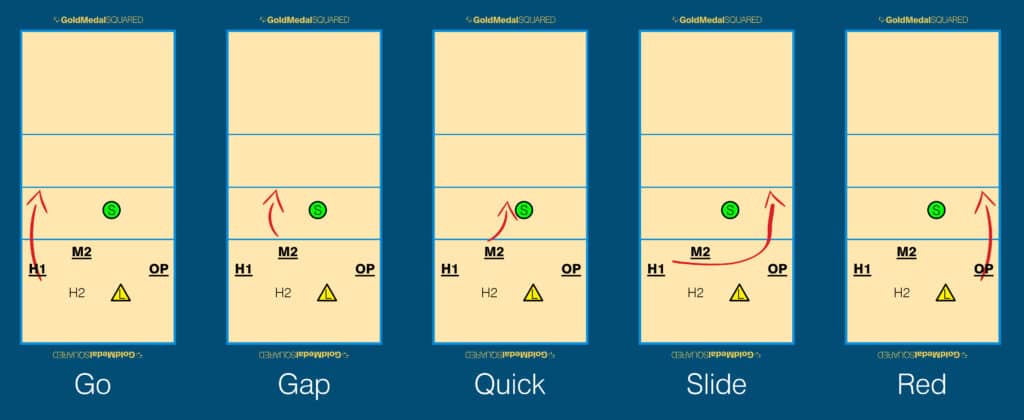
Teams use rotation to create favorable matchups and hide weaknesses. The simplest strategy is to place your best server in position 1. Another is the “5-1” vs “6-2” system which affects how rotation feels in practice.
Common systems:
• 5-1 system: One primary setter plays all six rotations. This keeps a single setter on court and means rotation affects where that setter is positioned.
• 6-2 system: Two setters rotate in as back-row setters. This gives you three front row attackers at all times.
• Targeted rotations: Coaches rotate to put strong attackers in front row during opponent’s weak rotations.
Why rotation matters strategically:
• Matchups: You can avoid having a weak blocker face a strong attacker by arranging the rotation.
• Serve-receive formations: Rotation affects who receives serve and who passes.
• Tempo control: Good rotation helps your team get into the system quickly after the serve.
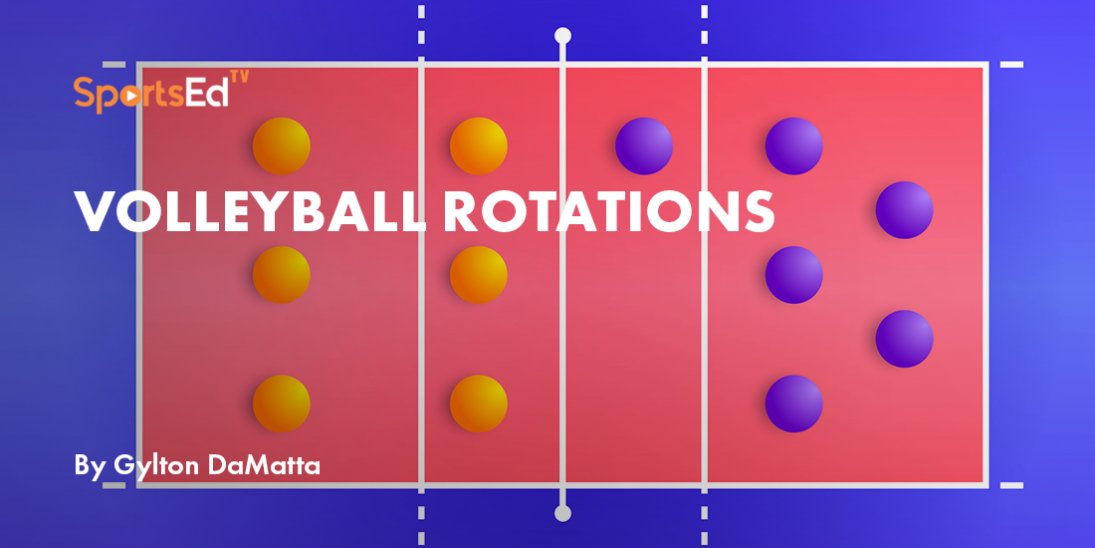
Personal note: I once lost a match by not adjusting a rotation to handle a dominant opposite hitter. After that, I always mapped opponent tendencies and shifted lineups to avoid bad matchups. That single change improved our win rate.
Rotation faults, substitutions, and libero rules
Understanding faults can prevent easy penalties. Rotation faults are common at youth levels. Substitutions and libero rules add complexity.
Key fault rules:
• Rotational fault: Serving out of order or being out of relative position at serve leads to a fault.
• Position fault: Not having three up and three back at the moment of serve is a fault.
• Serving fault: Server stepping on or over the end line during serve is a separate fault.
Substitution and libero basics:
• Substitutions do not change serving order. Track who replaces whom.
• Libero replaces back-row players. The libero can only attack from behind the attack line and usually cannot serve, depending on league rules.
• Use substitutions to manage rotation mismatches and to insert specialists for serve-receive or defense.
Limitations and gray areas:
• Rules vary by league and age group. Always check your competition’s rulebook.
• Some tournaments allow liberos to serve, so verify ahead of time. Transparency prevents surprises.
How to practice rotations and drills
Drills and practice plans make rotation natural. Repeat is the key. Short, focused drills work best.
Drill ideas:
• Clock drill: Players call out positions as they rotate to build memory. Start slowly.
• Serve-and-recover: Serve the ball, let the team play out one rally, then rotate and repeat.
• Lineup scramble: Randomize starting positions and force teams to find correct rotation before the serve.
• Game simulation: Play quick sets with strict rotation checks to enforce rules in live play.
Coaching tips:
• Use visual marks on the floor for starting spots.
• Keep lineups written and visible for players.
• Praise correct rotations and correct gently when mistakes occur.
Practical takeaway: I used the Clock drill for a whole season with a junior team. Within weeks, they rotated without thinking. Confidence grew and errors dropped.
Frequently Asked Questions of What is a volleyball rotation?
What is a volleyball rotation and why is it important?
A volleyball rotation is the clockwise movement of players after a side-out or score by the receiving team. It preserves serving order and ensures correct front-row and back-row placement at serve time.
How does rotation affect who can attack or block?
Rotation determines who is front row at the serve and who is back row. Front-row players can attack and block; back-row players generally cannot attack above the net line in front of the attack line.
Can substitutions change the rotation?
Substitutions do not change rotation order. Each substitute replaces a player in the same rotation spot and the serving sequence stays the same.
What is a rotational fault?
A rotational fault happens when a player serves out of order or players are not in the correct relative positions at the moment of serve. The result is a point and serve for the opponent.
How do systems like 5-1 and 6-2 relate to rotation?
5-1 uses one setter for all rotations, while 6-2 uses two setters who act as hitters in their front-row rotations. Both influence where attackers and setters appear in rotation.
Conclusion
Understanding what is a volleyball rotation? gives coaches, players, and fans the power to read the game and make smarter choices. Rotation is both a rule and a tool. Practice it with simple drills, plan your lineups, and track substitutions to avoid easy faults. Start by mapping your starters, run clock drills, and watch how clean rotations boost your team’s comfort and performance. Try one rotation drill this week, note the results, and tune your lineup to create better matchups. Share your rotation wins or questions below, or subscribe for more drills and coaching tips.

