

Poker is more than just a game of cards; it’s a battle of skill, patience, and endurance. For many, a typical poker session can last several hours, sometimes stretching late into the night. During these long games, comfort and focus matter as much as strategy. That’s why the type of table you play on can make a surprising difference. One question players often ask is: Are padded poker tables better for long games? Let’s take a detailed look at how padded poker tables stack up against non-padded options, and whether they truly offer an edge for extended play.
What Is A Padded Poker Table?
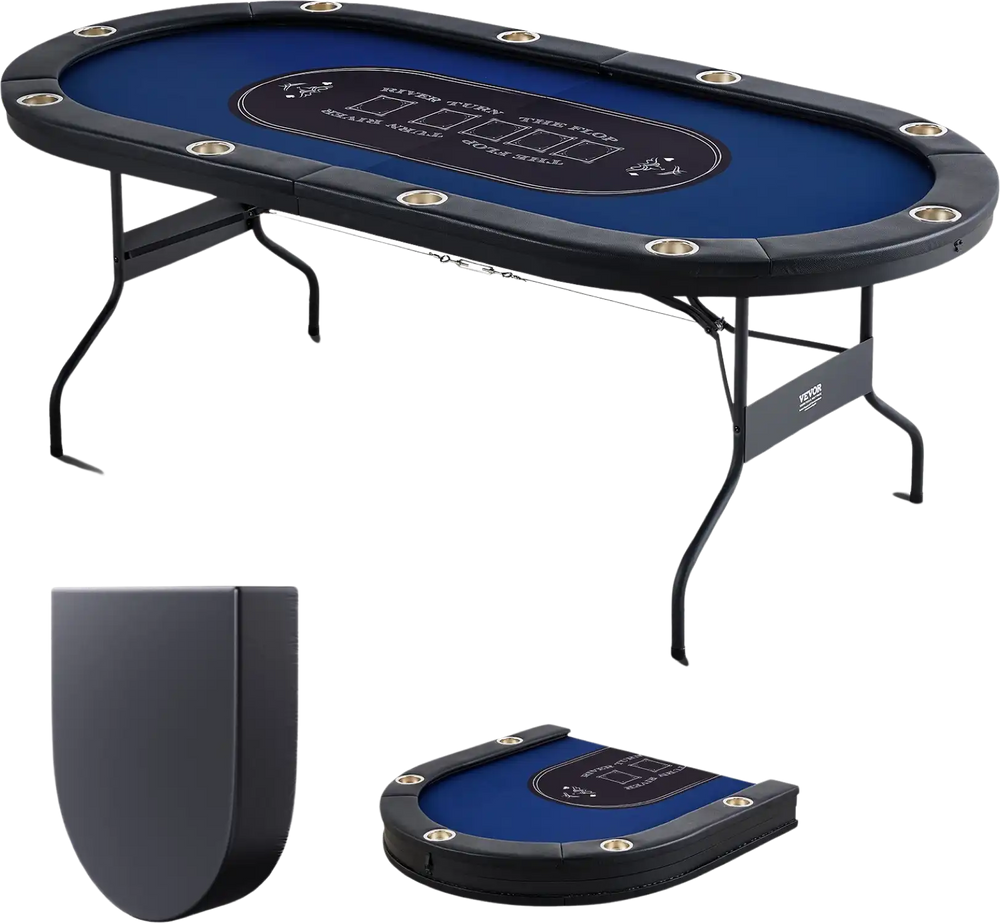
A padded poker table features a soft layer (usually foam) under the surface fabric. This padding creates a cushioned feel when you rest your arms or handle chips and cards. Most commercial casino tables and higher-end home tables use some padding. The thickness and quality of the padding can vary, but even a thin layer changes the experience compared to a hard, non-padded surface.

36% off Today’s Exclusive Deals
Limited-time Exclusive Deals. Check current discount on Amazon.
Check Price on Amazon As an Amazon Associate I earn from qualifying purchases.Non-padded tables, on the other hand, are simply covered with felt or speed cloth over a hard material like wood or MDF. These surfaces feel firmer and less forgiving when you press down.
Comfort During Long Games
Player comfort is the first thing most people notice. When you’re sitting for hours, small discomforts become big distractions.
Arm And Elbow Support
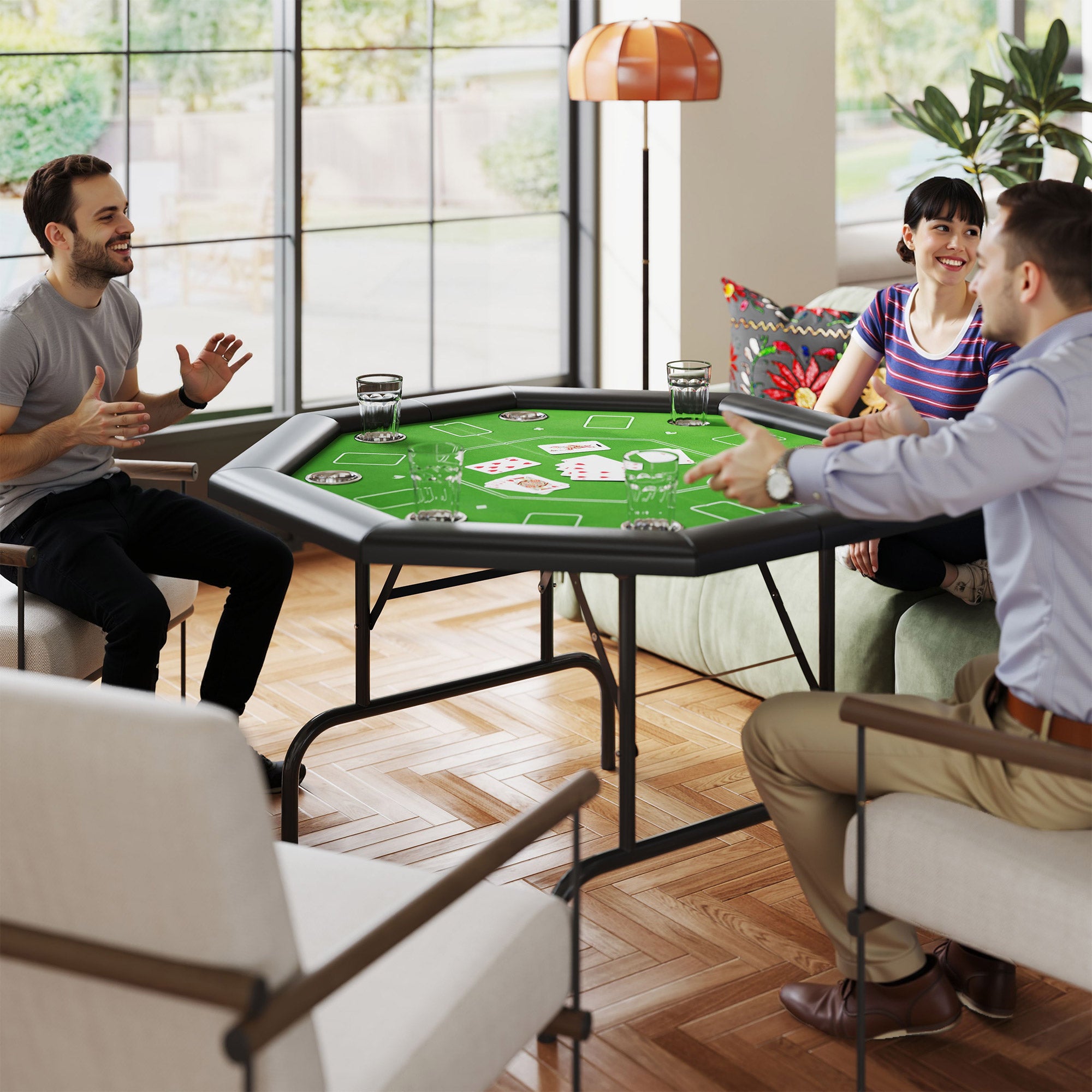
On a padded table, resting your forearms feels much softer. Hard tables can leave elbows sore or even cause mild bruising after a long session. Even a small amount of padding absorbs pressure, reducing strain.
Fatigue And Posture
Many players unconsciously lean on the edge of the table. A padded rail gives gentle support, which helps you relax your shoulders and arms. This can reduce muscle fatigue and encourage better posture. On non-padded tables, players often shift positions more, looking for comfort.
Real-world Example
In a 2021 survey of home poker players, 68% said they felt noticeably less arm and wrist fatigue after a multi-hour session at a padded table compared to a standard dining table.
Game Play: Handling Cards And Chips
How Do Padded Tables Affect The Mechanics Of Poker?
Dealing And Sliding Cards
On a padded surface, cards glide smoothly. This makes dealing and “pitching” cards easier and more consistent. Non-padded tables can cause cards to snag or stop suddenly, breaking the flow of the game.
Stacking Chips
A small but often overlooked point: chip stacks are more stable on a slightly padded surface. The cushioning keeps chips from sliding too easily, reducing accidental spills. However, if the padding is too soft, chips may tilt or fall over. Quality matters.
Sound And Feel
Padded tables dampen the noise of chips and cards. This creates a quieter, more focused environment. Many players find the soft “thud” of chips on a padded rail less distracting than the clatter of chips on a hard surface.
Comparing Padded Vs. Non-padded Poker Tables
It’s helpful to see a side-by-side comparison of these table types.
| Feature | Padded Table | Non-Padded Table |
|---|---|---|
| Arm Comfort | Soft, reduces fatigue | Hard, can cause soreness |
| Card Handling | Smoother deal and slide | Occasional snags |
| Chip Stability | Generally stable | Stable, but chips slide more |
| Noise Level | Quieter | Louder, more echoes |
| Price | Usually higher | Lower cost |
Durability And Maintenance
Choosing a table for regular, long games means thinking about how it holds up over time.
Wear And Tear
Padding can compress with heavy use, especially if it’s low-density foam. High-quality padding lasts longer and keeps its shape. Cheaply made padded tables may develop dips or uneven spots.
Non-padded tables, being firmer, are less likely to change shape. However, the felt or cloth covering can wear thin faster, especially at the edges.
Cleaning
Padded tables need a bit more care when cleaning. Spills can soak into the foam below if the fabric isn’t spill-resistant. Many higher-end tables use water-resistant speed cloth to help with this. Non-padded surfaces are easier to wipe down but may stain more easily.
Repair Costs
It’s often more expensive to repair a padded table if the foam gets damaged. Non-padded tables may just need a new felt layer.
Cost And Value
There’s a clear price difference between padded and non-padded tables.
Price Range
Entry-level padded poker tables start around $300–$500, while professional casino-quality options can cost $2,000 or more. Non-padded tables are typically cheaper, sometimes under $200 for a basic model.
Value For Money
If you play often or host long games, the extra investment in a padded table can pay off in comfort and enjoyment. For casual players who only play occasionally, a non-padded table may be enough.
Here’s a quick look at typical costs and what you get at each level:
| Table Type | Average Cost | Best For |
|---|---|---|
| Non-Padded Folding Table | $100–$200 | Casual, short games |
| Entry-Level Padded Table | $300–$600 | Regular home games |
| Professional Padded Table | $1,000–$2,500 | Serious players, tournaments |
Health And Ergonomics
Playing poker for hours can stress your body in ways you might not expect. Ergonomics, or how the table supports your body, becomes more important the longer you play.
Reduced Pressure Points
With a padded rail and surface, there are fewer pressure points on your arms and wrists. This helps prevent numbness and circulation problems, especially in older players.
Less Risk Of Repetitive Strain
Players often repeat the same motions: picking up chips, dealing, leaning forward. Padded tables offer a bit of “give,” which softens the impact on your joints over time.
Unexpected Insight: Allergy Risks
One thing beginners often miss is that some padding materials (especially cheap foam) can collect dust or even trigger allergies. Look for tables with hypoallergenic or high-quality foam if you play regularly.
Social Experience And Atmosphere
Poker is a social game. The feel of the table can set the tone for the whole night.
Professional Feel
A padded table looks and feels more like a real casino. This can make home games feel special, encouraging players to take the game more seriously.
Player Focus
When players are comfortable, they tend to stay focused longer. Less fidgeting and discomfort means fewer distractions, helping everyone enjoy the game.
Uncommon Insight: Table Noise And Tells
A padded table dampens noise, which can reduce sound-based tells. Some advanced players listen for the way chips hit the table to guess if someone is nervous. Padding makes this trick harder.
Customization And Features
Padded poker tables often come with extras not found on basic models.
- Padded armrest rail: Common on casino tables, great for comfort.
- Cup holders: Prevent spills, keep drinks off the playing surface.
- Dealer position: Some tables have a dedicated space for a dealer with extra padding.
- Raised edges: Keep chips and cards from sliding off.
These features add to the comfort and ease of play, especially for longer sessions.
Common Mistakes When Choosing A Poker Table
Many new buyers focus only on price or looks. Here are mistakes to avoid:
- Ignoring Padding Quality: Not all padding is equal. Low-density foam flattens quickly.
- Overlooking Table Height: An uncomfortable table height can ruin even the best padding.
- Skipping Spill-Resistant Fabric: Spills are common. Speed cloth or treated felt is worth it.
- Forgetting About Storage: Padded tables are heavier and bulkier; consider your storage space.
- Assuming More Padding Is Always Better: Too much padding can make chips unstable and cards hard to slide.

Scientific Perspective: Does Padding Improve Endurance?
While there are no large-scale studies on poker tables specifically, research on ergonomics and repetitive tasks shows that cushioned surfaces reduce muscle fatigue and discomfort. In office settings, padded armrests are recommended for long periods of desk work. The same principles apply to poker: less pressure on joints means more comfort and longer endurance.
A small 2019 study on board game players found that sessions on padded tables lasted 18% longer on average, with fewer complaints of discomfort.
Should You Upgrade To A Padded Poker Table?
If you value comfort and play long games, a padded table is almost always the better choice. The difference may seem small at first, but after four or five hours, your arms and back will thank you. For tournament hosts or frequent players, it’s a smart investment.
However, if you only play quick games or use your table for other activities (like board games or family dinners), a non-padded table might be more practical.
If you want to compare more features and reviews, Wikipedia’s poker table article covers extra background and table types.
Frequently Asked Questions
How Thick Should The Padding Be On A Poker Table?
A good poker table usually has padding between 0.5 to 1 inch thick. Thicker padding is softer but can make chip stacks less stable. Most casino-style tables use about 0.75 inches of medium-density foam.
Does A Padded Rail Make A Difference?
Yes, a padded rail provides a soft place to rest your arms. This is one of the main reasons padded tables are more comfortable for long games. It also helps prevent sore elbows and improves overall posture.
Are Padded Poker Tables Harder To Clean?
They can be, especially if spills soak into the foam. Look for water-resistant cloth or speed cloth. Quick clean-up and regular vacuuming help prevent stains and odors.
Can I Add Padding To My Existing Poker Table?
It’s possible to add a foam layer and new felt to an existing table, but it takes some DIY skill. You’ll need the right tools and materials. In most cases, it’s easier to buy a pre-padded table unless you enjoy home projects.
Are Padded Tables Suitable For Other Games?
Yes, padded poker tables work well for many card and board games. The soft surface protects cards and pieces, and the comfort benefits apply to any long gaming session.
Poker is about skill and strategy, but comfort plays a bigger role than many expect. A padded poker table can transform your long games, helping everyone stay focused, relaxed, and ready for the next hand. If you play often or host tournaments, upgrading to a padded table is a move you—and your friends—will appreciate every time the cards hit the felt.

