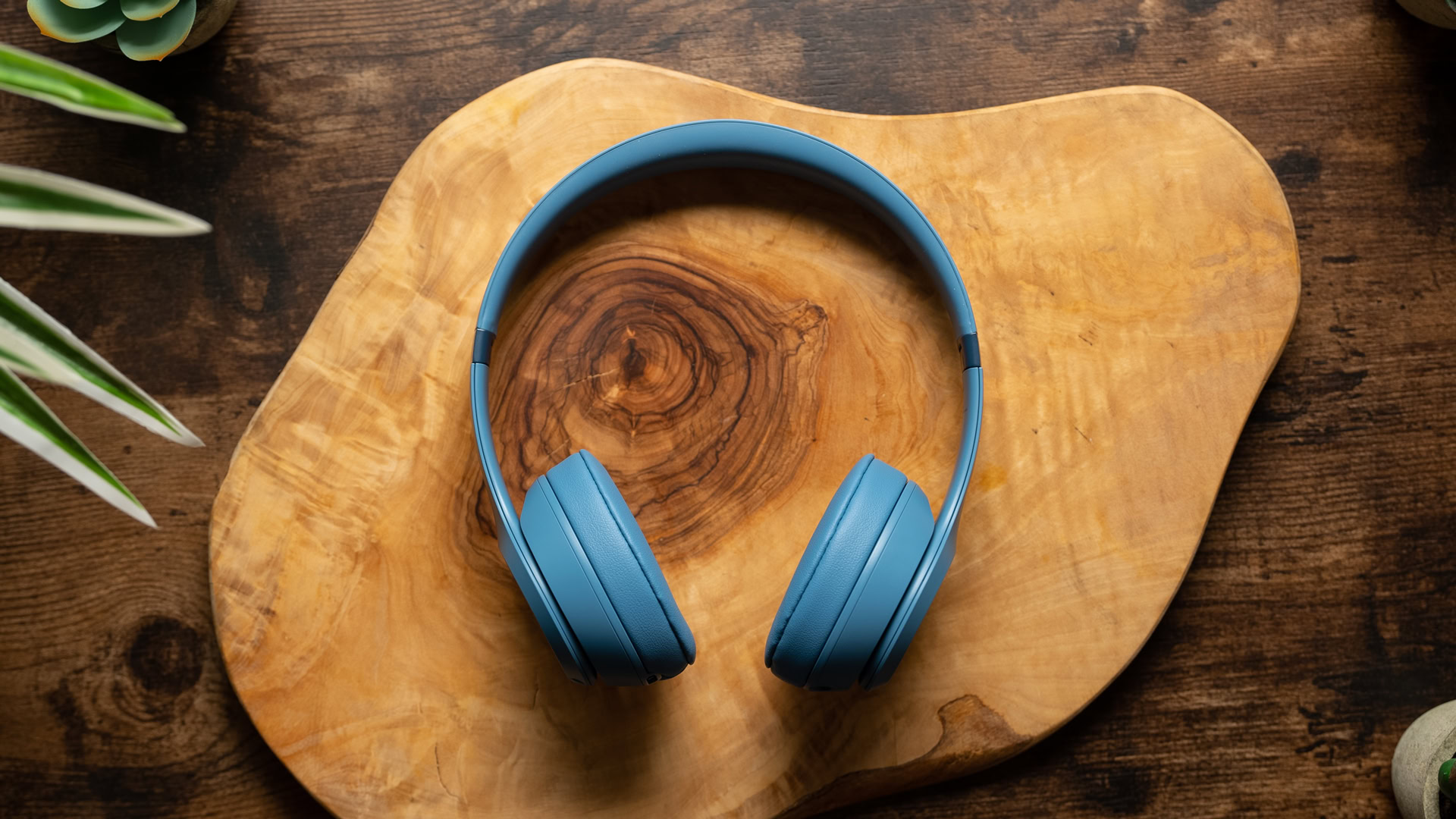
If you’re thinking about upgrading your headphones, you might be wondering: Is the Beats Solo 4 really better than the Beats Solo 3? This question matters, especially if you’re not an audiophile and just want great music, clear calls, and comfortable wear for daily use. The Beats Solo line is famous for style and punchy sound, but with the Solo 4 launch, Apple promises improvements. Are these changes big enough to justify the extra cost? Or should you stick with the Solo 3, which is still easy to find and sometimes cheaper?
This article breaks down the real differences. We’ll look at the four main areas: sound quality, battery life, comfort, and features. You’ll get clear explanations, practical comparisons, and insights beginners often miss. By the end, you’ll know if the upgrade is worth your money—or if the Solo 3 is still a smart buy.

36% off Today’s Exclusive Deals
Limited-time Exclusive Deals. Check current discount on Amazon.
Check Price on Amazon As an Amazon Associate I earn from qualifying purchases.Sound Quality: Solo 4 Vs Solo 3
For many people, sound is the biggest reason to choose one headphone over another. The Beats Solo series has always been famous for heavy bass and energetic sound, but the Solo 4 claims a step forward. Let’s see what’s changed.
Solo 3: The Classic Beats Sound
The Solo 3 delivers strong bass. This is great for pop, hip-hop, and electronic music. Mids are present but sometimes get lost behind the bass. Treble is crisp but not very detailed. If you listen at high volumes, Solo 3 can sound harsh.
Most users say it’s fun, but not accurate.
Technical specs:
- Driver size: 40mm
- Frequency response: 20 Hz – 20,000 Hz
- Bluetooth: Class 1 (good range)
- Codec support: SBC, AAC
Solo 4: Improved Clarity And Balance
The Solo 4 uses new drivers and a redesigned acoustic profile. Apple says it offers more balanced sound—meaning vocals and instruments sound clearer, not just bass. Reviews agree the Solo 4 has less “muddy” bass, more detail, and better separation. It’s still energetic, but more enjoyable for rock, jazz, and podcasts.
Technical specs:
- Driver size: 40mm (but improved design)
- Frequency response: 20 Hz – 20,000 Hz
- Bluetooth: Class 1
- Codec support: SBC, AAC, plus new support for lossless audio over USB-C
Real-world Differences
If you use your headphones for casual listening, the Solo 3’s bass-forward sound may be fine. But if you want clearer vocals, less distortion, and more natural sound, the Solo 4 is noticeably better. It also supports USB-C lossless audio—so if you use wired listening, you get even higher quality.
Many beginners miss that Solo 4’s upgrade isn’t just about specs. The improved tuning helps with podcasts, audiobooks, and movies. You hear voices more clearly, and background noise is less distracting.
Data Comparison
Here’s a quick technical comparison:
| Feature | Beats Solo 3 | Beats Solo 4 |
|---|---|---|
| Driver Size | 40mm | 40mm (new design) |
| Frequency Response | 20–20,000 Hz | 20–20,000 Hz |
| Audio Codec | SBC, AAC | SBC, AAC, USB-C Lossless |
| Sound Profile | Bass-heavy | Balanced, detailed |
Battery Life: Staying Powered Up
Battery life is important for people on the go. If you travel, commute, or use headphones all day, you don’t want to worry about charging. Both Solo 3 and Solo 4 promise long playtimes, but there are differences.
Solo 3: Long-lasting With Fast Fuel
Solo 3 is known for 40 hours of wireless listening. This is more than most on-ear headphones. If you forget to charge, the “Fast Fuel” feature gives 3 hours of playtime from just 5 minutes of charging.
- Wireless battery: 40 hours
- Fast Fuel: 3 hours in 5 minutes
Solo 4: Slightly Lower, But Smarter
Solo 4 offers 50 hours of battery—a clear improvement. But this number is for Bluetooth-only use. If you use USB-C wired mode (for lossless audio), battery is not needed. Solo 4 also includes “Fast Fuel,” but now with 5 hours of playtime from a 10-minute charge.
- Wireless battery: 50 hours
- Fast Fuel: 5 hours in 10 minutes
- Wired mode: Unlimited (USB-C)
Charging Differences
Solo 3 uses micro-USB for charging, which is outdated. Solo 4 switches to USB-C, which is faster and more common. This matters for travel or if you have newer devices.
Real-world Impact
If you’re often away from power outlets, both models last a long time. But the Solo 4’s USB-C means you can use one cable for your phone and headphones. Plus, if you use wired mode, you never worry about battery.
Beginners often overlook how much easier USB-C charging is. Micro-USB is slower and less reliable. With Solo 4, you also get higher quality audio when plugged in.
Battery Comparison Table
| Feature | Beats Solo 3 | Beats Solo 4 |
|---|---|---|
| Wireless Playtime | 40 hours | 50 hours |
| Fast Fuel | 3 hours in 5 min | 5 hours in 10 min |
| Charging Port | Micro-USB | USB-C |
| Wired Listening | Requires battery | No battery needed (USB-C) |

Comfort: Fit For Long Listening
Comfort is easy to overlook—until you wear headphones for hours. Both Solo 3 and Solo 4 are on-ear headphones, not over-ear. This means the pads rest on your ears, not around them.
Solo 3: Simple And Lightweight
Solo 3 is light (about 215 grams) and has adjustable headband arms. The ear cushions are soft, but many users report that after 2-3 hours, their ears get sore. The clamping force is strong—good for staying in place, but sometimes uncomfortable.
- Weight: 215g
- Ear pads: Synthetic leather
- Adjustability: Simple, foldable
Solo 4: Redesigned For Comfort
Solo 4 is slightly lighter (210 grams) and uses new memory foam cushions. The headband is more flexible and distributes weight better. Apple claims the new ear pads are “ultra-plush,” reducing pressure. Early reviews confirm Solo 4 is more comfortable, especially for longer sessions.
- Weight: 210g
- Ear pads: Memory foam, softer finish
- Adjustability: Improved, foldable
Beginner Insights
Many people don’t realize that ear pad shape and material matter a lot. Memory foam pads on Solo 4 mold to your ear and reduce pressure. This makes them better for long flights, workdays, or study sessions. The headband also helps with fit—Solo 4’s is less likely to cause headaches.
Comfort Comparison Table
| Feature | Beats Solo 3 | Beats Solo 4 |
|---|---|---|
| Weight | 215g | 210g |
| Ear Pads | Synthetic leather | Memory foam |
| Headband | Basic | Flexible, softer |
| Long-wear Comfort | Average | Much improved |
Features: Smart Tech And Connectivity
Beyond sound and comfort, the Solo headphones have features that make daily use easier. Let’s compare what you get with each.
Solo 3: Basics, But Reliable
Solo 3 includes the Apple W1 chip, which helps with quick pairing to Apple devices. You can switch between iPhone, iPad, and Mac easily. It also supports voice assistant through Siri and has built-in controls for music and calls.
- Apple W1 chip
- Siri support
- Bluetooth Class 1
- Built-in controls
Solo 4: Modern Features
Solo 4 upgrades to the Apple H1 chip, used in AirPods and newer Beats. This allows:
- Faster pairing
- Better Bluetooth stability
- Hands-free Siri (“Hey Siri” voice activation)
- Find My support (track your headphones if lost)
- USB-C audio for lossless sound and wired listening
Solo 4 also improves call quality with new microphones and noise reduction. If you make phone calls or join meetings, Solo 4 is clearer.
Connectivity Upgrades
The biggest change is USB-C. You can use Solo 4 wired with USB-C to your phone or computer, getting much higher audio quality. This is not possible with Solo 3, which uses analog cables and micro-USB.
Beginners often miss the value of “Find My” support. If you lose your headphones, you can locate them using your phone. This is a small but useful feature.
Feature Comparison Table
| Feature | Beats Solo 3 | Beats Solo 4 |
|---|---|---|
| Chip | W1 | H1 |
| Voice Assistant | Siri (button) | Hey Siri (hands-free) |
| Bluetooth | Class 1 | Class 1, improved |
| Find My Support | No | Yes |
| Wired Audio | Analog cable | USB-C, lossless |
| Microphone | Standard | Noise reduction, clearer calls |
Price And Value: Is The Upgrade Worth Your Money?
Now that you know the technical differences, let’s talk about price. Solo 3 is often discounted, while Solo 4 is new and priced higher. Is the Solo 4 worth paying extra?
Current Prices
- Beats Solo 3: Usually $129–$179 (depends on sales)
- Beats Solo 4: MSRP $199 (may drop over time)
Solo 3 is often found on sale, sometimes under $100. Solo 4, being new, stays close to its launch price.
What You Get For The Extra Cost
Upgrading to Solo 4 gives you:
- Better sound quality (clearer, more balanced)
- Longer battery life and USB-C fast charging
- More comfortable fit for long wear
- Modern features (Find My, Hey Siri, lossless USB-C audio)
- Improved call quality
If you only use headphones for music and don’t care about wired listening or smart features, Solo 3 is still good. But if you use them daily, want easier charging, or need better call quality, Solo 4 is a smart investment.
Common Buyer Mistakes
- Ignoring comfort upgrades: Many people buy based on specs, but comfort is what you notice most during long use.
- Overlooking charging cable type: USB-C is the new standard. Micro-USB is fading fast.
- Not considering Find My: Losing headphones is common. Find My support could save you money.
- Assuming all Beats sound the same: Solo 4’s tuning is much improved, especially for podcasts and calls.
Practical Advice
If your budget is tight, and you just need reliable headphones, Solo 3 is a safe choice. But if you want the latest features and plan to use them daily, Solo 4 offers more value in the long run.
Real User Experiences
Many Solo 3 users report ear fatigue after 2–3 hours, especially with glasses. Solo 4’s memory foam pads make a clear difference. For phone calls, Solo 4’s microphones are clearer, and background noise is less.
Some users say Solo 3’s sound is “fun” but not accurate. Solo 4 feels more natural, especially for vocals and movies. The USB-C wired mode is a big plus if you care about high-quality sound.
One non-obvious insight: Solo 4’s improved headband flex is helpful for kids and adults. It’s less likely to break or cause pressure points.
Should You Upgrade?
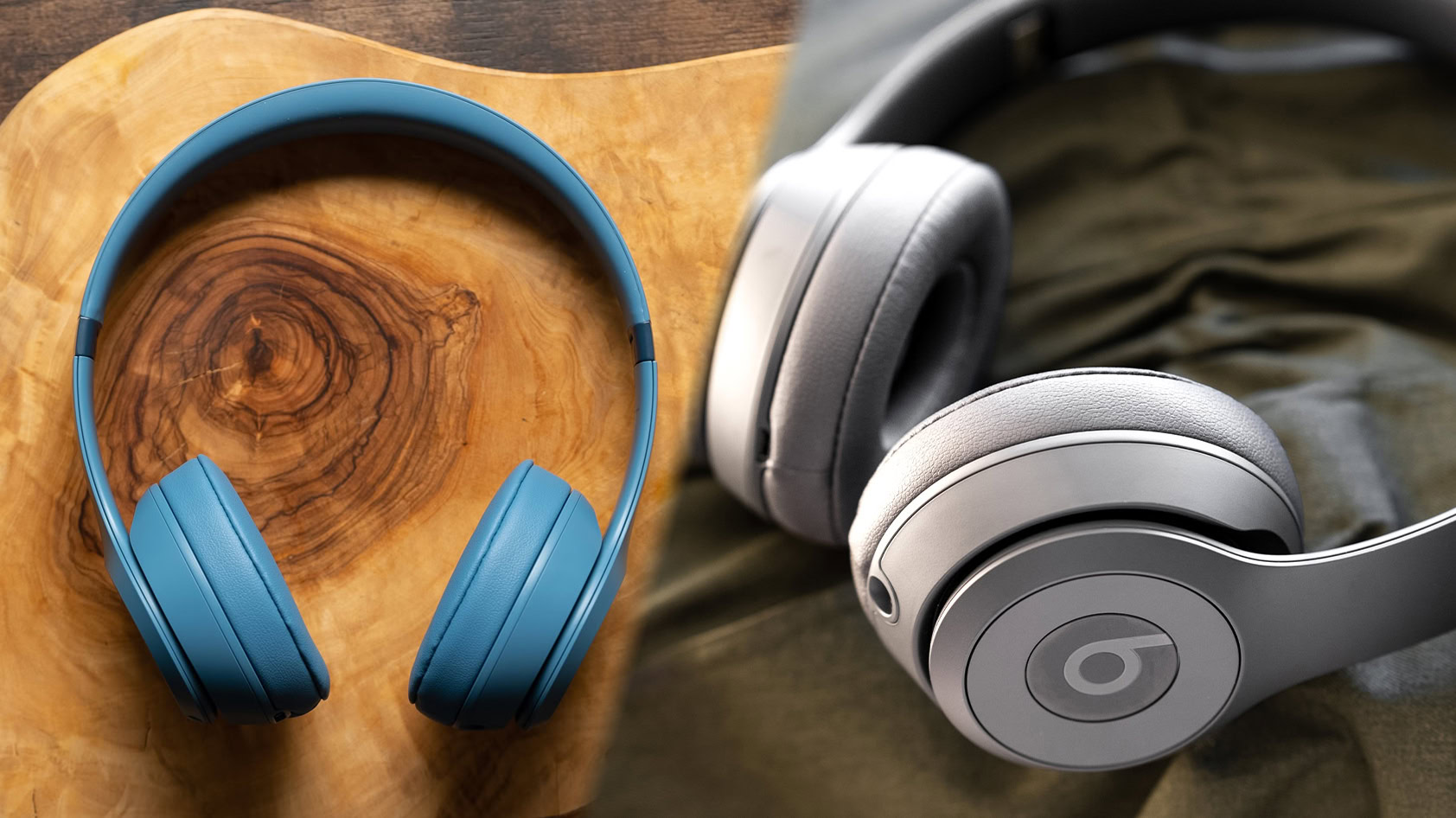
If you already own Solo 3 and it works well, upgrading is not urgent unless you want better comfort, sound, or modern features. If you’re buying for the first time, Solo 4 is worth it—especially if you plan to use headphones daily, for calls, or with modern devices.
For casual users, Solo 3 is still a solid option at a lower price. For serious listeners, commuters, or people who use headphones for work, Solo 4 is a strong upgrade.
Frequently Asked Questions
Is The Beats Solo 4 Much More Comfortable Than The Solo 3?
Yes, Solo 4 uses memory foam ear pads and a more flexible headband. This reduces pressure on your ears, making it better for long listening sessions. Solo 3 can feel tight after a few hours, but Solo 4 is designed for comfort.
Does Solo 4 Sound Better Than Solo 3?
Solo 4 has more balanced sound with clearer vocals and less bass distortion. It’s better for podcasts, calls, and music with lots of instruments. Solo 3 is bass-heavy, which some people like, but it’s not as accurate.
Can I Use Solo 4 With A Wired Connection?
Yes, Solo 4 supports USB-C wired audio. This means you can connect it to computers or phones with USB-C and get lossless sound. Solo 3 only supports analog cable, which is lower quality.
Is The Battery Life Really Better On Solo 4?
Solo 4 offers 50 hours of wireless playtime, compared to Solo 3’s 40 hours. It also charges faster with USB-C. If you use wired mode, Solo 4 does not need battery at all.
Are The New Features On Solo 4 Worth The Extra Cost?
If you need Find My support, hands-free Siri, better call quality, or USB-C charging, Solo 4’s features are worth it. For simple music listening, Solo 3 is still good, but Solo 4 is more future-proof.
If you want more details from Apple, see the official specs at Beats by Dre.
—
Choosing between Beats Solo 3 and Solo 4 depends on your needs. Solo 4 is a clear upgrade in comfort, sound, and features. For everyday use and modern devices, it’s worth the higher price. But Solo 3 remains a strong choice for budget buyers or those who just want solid, reliable headphones.
Think about how you use your headphones, and decide which features matter most to you.