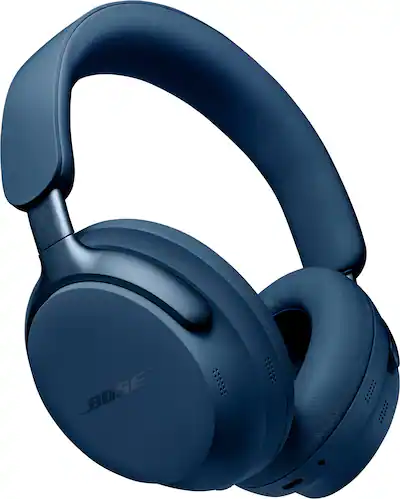
Choosing the right headphones can feel overwhelming, especially if you want both comfort and great noise isolation. Two top choices—Beats Solo 4 and Bose QuietComfort 45—promise premium experiences, but which is actually better for daily use? In this detailed comparison, we’ll put their comfort and noise isolation to the test, break down the differences, and highlight key details most reviews miss. Whether you travel often, work in noisy spaces, or just love immersive music, you’ll find clear answers here to help you decide.
Comfort: The Real-world Experience
When you wear headphones for hours, comfort is not a luxury—it’s a necessity. Even the best-sounding headphones can become annoying if they pinch, overheat your ears, or feel heavy. Let’s look at how each model performs in daily life.

36% off Today’s Exclusive Deals
Limited-time Exclusive Deals. Check current discount on Amazon.
Check Price on Amazon As an Amazon Associate I earn from qualifying purchases.Beats Solo 4: Fashion-first, But What About Fit?
The Beats Solo 4 keeps the brand’s signature look—sleek, modern, and available in bold colors. These are on-ear headphones, meaning the ear cups sit directly on top of your ears, not around them.
Weight: At 217 grams (7.7 oz), the Solo 4 is light, but not the lightest in its class.
Padding: The ear cushions use memory foam covered in synthetic leather. The headband also has some padding, but it’s not as generous as over-ear designs.
Clamping Force: The Solo 4 grips your head with moderate pressure. For short sessions, this feels secure. After two hours or more, though, some users report sore ears or a slight headache, especially if you wear glasses.
Heat and Sweat: The on-ear style allows better airflow than over-ear models, so your ears stay a bit cooler. But in summer or during workouts, the synthetic leather can still get warm and sticky.
Adjustability: The headband adjusts smoothly and the ear cups tilt to follow the angle of your ears. But the fit is designed for average-sized heads—if you have a large or small head, you may struggle to find a perfect fit.
Unique Insight: Many people overlook how on-ear headphones can press against piercings or earrings, causing discomfort. If you have ear jewelry, test the fit before buying.
Bose Quietcomfort 45: All-day Ease
The Bose QuietComfort 45 is famous for its comfort—and for good reason. These are over-ear headphones, so the ear cups surround your ears rather than pressing on them.
Weight: At 238 grams (8.4 oz), the QC45 is slightly heavier than the Solo 4, but the difference is hardly noticeable when worn.
Padding: Bose uses thick, plush memory foam on both the ear cups and the headband. The padding feels soft and distributes pressure evenly.
Clamping Force: The QC45 has a gentle grip. Most users say the pressure is just enough to keep the headphones stable, but not enough to cause pain, even after long listening sessions.
Heat and Sweat: Over-ear headphones can trap heat, but Bose uses breathable materials that keep your ears cooler than most competitors. Still, in very hot climates, you may feel some warmth after hours of use.
Adjustability: The sliding headband and swiveling ear cups make it easy to get a custom fit. The range of adjustment is wide, suiting small and large heads alike.
Unique Insight: The QC45 is one of the few headphones that maintain comfort for people who wear glasses. The ear pads are soft enough to avoid squeezing the arms of your frames.
Key Comfort Data
To help you compare side by side, here’s a summary of the comfort features:
| Feature | Beats Solo 4 | Bose QuietComfort 45 |
|---|---|---|
| Headphone Type | On-ear | Over-ear |
| Weight | 217g (7.7 oz) | 238g (8.4 oz) |
| Padding | Memory foam, synthetic leather | Thick memory foam, protein leather |
| Clamping Force | Medium (can cause fatigue) | Light (suits long use) |
| Best for | Short-medium sessions, style | Long sessions, comfort |
Noise Isolation: Blocking Out The World
Noise isolation is a deal-breaker for commuters, travelers, and anyone working in loud environments. Here’s how each model handles noise, both passively and actively.
Beats Solo 4: Decent Passive Isolation
The Solo 4 relies mostly on passive noise isolation—the physical blocking of sound by the ear pads. Unlike some competitors, Beats does not include active noise cancellation (ANC) in the Solo 4.
Passive Isolation: The dense ear cushions block out some ambient noise, especially high-pitched sounds like office chatter. However, because these are on-ear headphones, there’s always a gap where sound can leak in, especially if you move your head or the fit isn’t perfect.
Performance in Loud Spaces: In a coffee shop or on public transit, you’ll still hear some background noise. You may find yourself raising the volume to compensate, which is not ideal for your hearing health.
No ANC: Without active noise cancellation, the Solo 4 cannot compete with more advanced models in truly noisy environments.
Unique Insight: On-ear headphones often let in more noise from your own body, like chewing or footsteps, because the pads vibrate against your ears. This is subtle, but some users find it distracting.
Bose Quietcomfort 45: Industry-leading Anc
The QC45 features both passive isolation and active noise cancellation—the latter is Bose’s specialty.
Passive Isolation: The over-ear design creates a tight seal, blocking much of the outside world before the ANC even kicks in.
Active Noise Cancellation: The QC45 uses microphones to detect outside noise and play “anti-noise” to cancel it. It’s especially good at removing low-frequency sounds, like airplane engines or air conditioners.
Performance in Loud Spaces: With ANC on, you’ll barely hear background noise in most environments. Voices are softened, and constant hums almost disappear. This makes the QC45 a favorite for frequent flyers and open office workers.
Transparency Mode: Bose includes an “Aware” mode, letting you hear your environment clearly when needed. This is useful for safety when walking outside.
Unique Insight: The ANC works even without music playing, so you can use the QC45 as high-tech earplugs for naps or focus.
Noise Isolation Side-by-side
To visualize the differences, see the table below:
| Noise Isolation Feature | Beats Solo 4 | Bose QuietComfort 45 |
|---|---|---|
| Passive Isolation | Moderate (on-ear seal) | Strong (over-ear seal) |
| Active Noise Cancellation | No | Yes (world-class) |
| Transparency/Aware Mode | No | Yes |
| Best Use Case | Quieter places, casual listening | Travel, office, noisy spaces |

Design And Build Quality
While comfort and noise isolation matter most for long-term use, build quality affects both as well as durability.
Beats Solo 4: Style And Portability
Beats is known for eye-catching design. The Solo 4 comes in several colors, with a glossy finish that stands out. The headband is flexible and the headphones fold for easy carrying.
Materials: Mostly plastic, with some metal in the headband for strength.
Portability: The compact, foldable build fits easily in small bags. The included carrying pouch offers basic protection.
Buttons and Controls: Physical buttons on the ear cups for play, pause, and volume. No touch controls.
Cable and Charging: USB-C charging and a detachable audio cable for wired use.
Unique Insight: The glossy surface is a fingerprint magnet and can show scratches over time. If you care about appearance, consider a matte color.
Bose Quietcomfort 45: Understated But Solid
The QC45 has a more understated design, with a matte finish and neutral colors. It’s not flashy, but feels premium.
Materials: High-quality plastic with glass-filled nylon, plus steel hinges for folding.
Portability: Folds flat and comes with a sturdy zippered case, offering better protection than the Solo 4’s pouch.
Buttons and Controls: Physical buttons for power, ANC, and playback. No touch controls, which reduces accidental presses.
Cable and Charging: USB-C charging and a detachable audio cable.
Unique Insight: The QC45’s ear pads are replaceable, so you can refresh your headphones after years of use—something many users overlook.
Battery Life And Connectivity
You don’t want headphones that die in the middle of your day. Here’s how these models compare.
Beats Solo 4: Fast Charging, Good Battery
The Solo 4 offers up to 50 hours of playback on a full charge—impressive for on-ear headphones. Even better, a 10-minute charge gives you 5 hours of use thanks to “Fast Fuel” quick charging.
Bluetooth: Uses Bluetooth 5.3 for fast, stable connections. Supports multipoint pairing (connect to two devices at once).
Unique Insight: Some users miss that the Solo 4 does not support advanced codecs like aptX or LDAC. If you want top-tier wireless sound, keep this in mind.
Bose Quietcomfort 45: Long-lasting, Reliable
The QC45 also promises up to 24 hours of playback per charge, with ANC on. A 15-minute quick charge gives you 3 hours of listening.
Bluetooth: Uses Bluetooth 5.1. Supports multipoint pairing.
Unique Insight: While the battery is lower than the Solo 4’s, the QC45 balances this with always-on ANC. For most users, 24 hours covers even the longest flights.
Battery And Connectivity Comparison
Here’s a quick overview:
| Feature | Beats Solo 4 | Bose QuietComfort 45 |
|---|---|---|
| Battery Life | 50 hours (no ANC) | 24 hours (with ANC) |
| Fast Charging | 10 min = 5 hours | 15 min = 3 hours |
| Bluetooth Version | 5.3 | 5.1 |
| Multipoint | Yes | Yes |
Everyday Use: Which Headphones Are Better For You?
Both the Beats Solo 4 and Bose QuietComfort 45 are high-quality, well-reviewed headphones, but they’re designed for different types of users.
Solo 4: For The Stylish And On-the-go
Best for: People who want a lightweight, portable, and stylish headphone for short to medium listening sessions. If you prefer a punchy sound and don’t need the world’s best noise isolation, the Solo 4 fits well.
Limitations: Not ideal for long-term wear or loud environments. The on-ear design means you’ll hear more of your surroundings, and the comfort can fade after a couple of hours.
Qc45: For Comfort-seekers And Frequent Travelers
Best for: People who value all-day comfort and need strong noise cancellation—commuters, office workers, and travelers. The QC45’s sound is balanced and less fatiguing for long listening.
Limitations: Slightly bulkier and less visually striking than the Solo 4. The battery life is shorter, but still enough for most users.
Common Mistakes To Avoid
- Ignoring fit type: Don’t buy on-ear headphones if you have sensitive ears or wear glasses often.
- Underestimating ANC: If you spend time in noisy places, ANC is a game-changer.
- Forgetting about portability: If you commute daily, a foldable, lightweight design is worth considering.
- Not testing with your own music: Try your favorite playlists—what sounds great to others may not suit your taste.
Expert Insights: What Most Buyers Miss
- Ear pad wear and tear: Over time, ear pads flatten or crack. Bose makes replacements easy, while Beats pads can be tricky to swap.
- Long-term comfort changes: Some headphones feel great at first, but pressure points appear after an hour. Try to wear them for at least 30 minutes before deciding.
- Compatibility with glasses: Over-ear models like QC45 almost always suit glasses-wearers better than on-ear types.
Final Thoughts: Which Should You Buy?
If your top priority is comfort and noise isolation, the Bose QuietComfort 45 is the clear winner. It’s built for long hours and blocks more noise, making it a top pick for travel, work, or study. If style, portability, and long battery life matter most—and you don’t need advanced noise cancellation—the Beats Solo 4 is a solid choice for casual use and active lifestyles.
No headphone is perfect for everyone, but understanding these real-world differences helps you make the right choice. If you want to see more detailed specs, visit the official Bose QuietComfort 45 page.
Frequently Asked Questions
How Do Beats Solo 4 And Bose Qc45 Compare In Sound Quality?
The Beats Solo 4 has a bass-heavy sound signature, which is great for pop, hip-hop, and EDM. The Bose QC45 offers a more balanced and neutral sound, suitable for all music genres. For long listening or classical music, the QC45’s sound is less tiring.
Can You Wear These Headphones While Exercising?
Both models are not designed for intense workouts. The Solo 4 is lighter and stays on better during light activity, but both can get sweaty and uncomfortable during exercise. Neither is sweatproof.
Which Headphones Are Better For Phone Calls?
The Bose QC45 has a better microphone system for voice clarity and noise reduction during calls. The Solo 4 is good for casual calls, but background noise can be an issue in loud areas.
Are Replacement Parts Available For Both Models?
Bose offers easy-to-buy and replace ear pads and cables. For Beats, official replacements are harder to find and may require third-party parts or professional help.
Do Either Support Wired Listening?
Yes. Both the Beats Solo 4 and Bose QC45 include a detachable audio cable, so you can use them wired with devices that have a headphone jack.
With the right information, you can choose the headphones that match your comfort and noise isolation needs perfectly—no more guessing, just great listening.