

Can A Wakeboard Tower Fit Any Boat?
Wakeboarding is one of the most exciting water sports. But to get those high jumps, easy rope pulls, and fun tricks, you need a wakeboard tower. If you own a boat, you might wonder: can a wakeboard tower fit any boat? The answer is not simple. Many people believe towers are universal, but fitting one depends on your boat’s design, size, and purpose. If you’re thinking about upgrading your boat, read carefully—choosing and installing the right tower could change your wakeboarding experience completely.
This article explains how wakeboard towers work, which boats can use them, and what to check before installing. You’ll learn about compatibility, installation tips, and common mistakes. By the end, you’ll know if a wakeboard tower is right for your boat—and how to make it happen.

36% off Today’s Exclusive Deals
Limited-time Exclusive Deals. Check current discount on Amazon.
Check Price on Amazon As an Amazon Associate I earn from qualifying purchases.What Is A Wakeboard Tower?
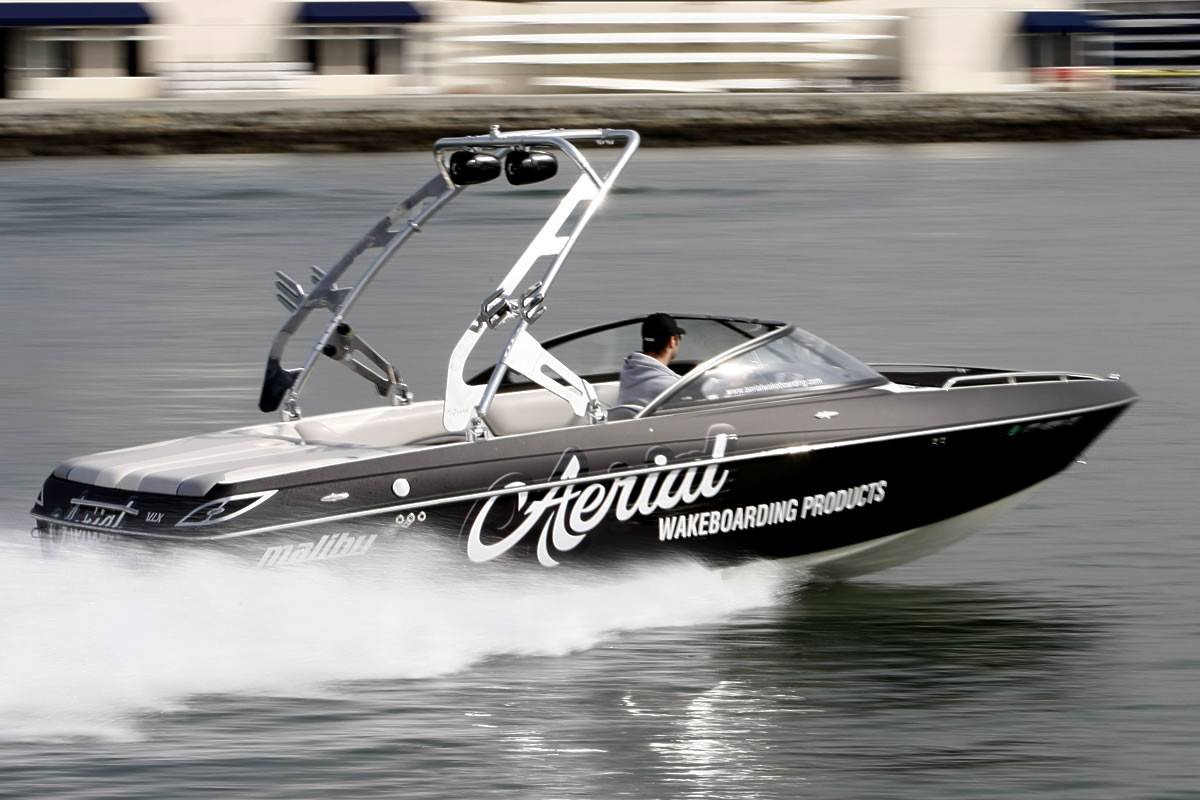
A wakeboard tower is a strong, metal frame mounted to a boat. It raises the tow rope higher above the water, making it easier for riders to jump and perform tricks. Towers also offer mounting points for speakers, lights, and board racks. They are popular among wakeboarders, waterskiers, and anyone who wants to enhance their water sport setup.
Most towers are made from aluminum or stainless steel. Aluminum is lightweight and resists corrosion, while stainless steel offers extra strength. Towers usually fold down for easy storage and come in adjustable sizes to fit different boats.
Key Benefits
- Higher tow point: Allows easier jumps and tricks.
- Extra space: Holds boards, speakers, and lights.
- Improved safety: Keeps rope away from propeller and obstacles.
How Towers Are Mounted
Towers are attached to the boat’s deck using bolts and mounting plates. The installation must be strong enough to handle the force from the tow rope, which can be intense—especially if multiple riders are being pulled.
Types Of Boats And Tower Compatibility
Not every boat can use a wakeboard tower. The shape, size, and build of your boat are crucial. Here’s how different boats compare:
| Boat Type | Typical Size (ft) | Tower Compatibility | Notes |
|---|---|---|---|
| Bowrider | 16–24 | High | Flat deck, strong hull |
| Runabout | 15–22 | Moderate | Check hull strength |
| Ski Boat | 17–21 | Very High | Designed for towers |
| Pontoon | 18–28 | Low to Moderate | Needs special tower |
| Cuddy Cabin | 20–30 | Moderate | Check deck shape |
| Fishing Boat | 14–22 | Low | Not ideal for towers |
Ski Boats
Ski boats are made for towing. Their decks are strong, and their hulls are designed to handle the stress of pulling riders. Wakeboard towers fit easily, and installation is usually straightforward.
Bowriders And Runabouts
Most bowriders and runabouts can fit towers, but hull strength is important. If your boat is older or has a thin deck, you may need reinforcement.
Pontoon Boats
Pontoon boats can use towers, but it’s trickier. Their decks are flat, and they lack a strong hull. Special towers are made for pontoons, but installation must be careful. The tower must attach to strong points, often near cross beams.
Cuddy Cabins And Fishing Boats
Cuddy cabins and fishing boats are not designed for wakeboarding. While some models can fit towers, the deck shape and hull strength may limit your options. It’s possible, but not ideal.

Factors That Determine Tower Fit
A wakeboard tower will not fit every boat. Here are the main factors to check:
1. Boat Width
Most towers are adjustable, but they have limits. For example, a common tower fits boats 72–102 inches wide. Measure your boat’s beam (width at the widest point) before choosing.
2. Hull Strength
The tower pulls hard when towing a rider. If your boat’s hull or deck is thin, it might crack or flex. Boats made for water sports usually have strong hulls. If you’re unsure, ask a marine mechanic.
3. Deck Shape
Some boats have curved or angled decks, which can make mounting difficult. The tower’s feet must sit flat, or you risk instability.
4. Material Compatibility
Aluminum towers are light and resist rust, but if your boat is fiberglass, you need special mounting plates. Stainless steel towers are heavier but work well on most materials.
5. Age Of The Boat
Older boats may have weak or worn-out decks. Inspect for soft spots or cracks before installation. Repair any issues first.
Universal Vs. Custom Towers
Wakeboard towers come in two main types: universal and custom.
| Type | Adjustability | Pros | Cons |
|---|---|---|---|
| Universal | High | Fits many boats, affordable | Less tailored, may require modifications |
| Custom | Low | Perfect fit, matches boat style | Expensive, longer lead time |
Universal Towers
Universal towers can be adjusted to fit different widths. They are cheaper and faster to install. However, they may not match your boat’s style or sit perfectly flat.
Custom Towers
Custom towers are built for your boat. They fit exactly and look seamless. But they cost more and require professional installation. If you want the best fit, custom is the way to go.
Installation Process And Challenges
Installing a wakeboard tower is not a simple task. Here’s what you should know:
Step-by-step Installation
- Measure your boat: Check width, deck shape, and mounting locations.
- Select the tower: Choose based on compatibility and your needs.
- Mark mounting points: Towers usually attach in four places.
- Drill holes: Drill carefully to avoid damaging the deck.
- Install backing plates: These spread the load and prevent cracks.
- Bolt tower in place: Tighten bolts gradually and evenly.
- Attach accessories: Add racks, speakers, and lights if desired.
Most installations take 3–6 hours. It’s possible to do it yourself, but professional help is safer—especially if you’re unsure about hull strength.
Common Installation Mistakes
- Skipping backing plates: This can cause cracks and damage.
- Misaligned feet: Tower may wobble or stress deck unevenly.
- Over-tightening bolts: Can crush fiberglass or cause leaks.
- Ignoring hull strength: Weak hulls may break under stress.
Even experienced boat owners make these mistakes. Always check manufacturer instructions, and don’t rush.
Safety And Structural Concerns
Wakeboard towers need to be safe and stable. If installed wrong, they can damage your boat or cause accidents.
Structural Stress
When towing, the tower pulls hard on the deck. Boats not built for towers can crack, bend, or even fail. According to marine engineering studies, the force on a tower can reach up to 800 pounds during aggressive maneuvers.
Reinforcing Weak Boats
If your boat isn’t strong enough, you can reinforce it:
- Add backing plates under the deck.
- Use marine-grade plywood for extra support.
- Seal all holes to prevent water leaks.
- Inspect regularly for cracks or loose bolts.
Professional Inspection
If you’re unsure about your boat’s strength, have a marine mechanic inspect it. This small expense can save you from expensive repairs later.
Wakeboard Tower Accessories
A tower isn’t just for towing. You can add accessories to improve your water sports experience:
- Board racks: Hold wakeboards and skis safely.
- Speakers: Enjoy music while riding.
- Lights: Make evening sessions safer.
- Bimini tops: Offer shade for passengers.
- Mirrors: Improve visibility for the driver.
Some accessories need extra mounting points or wiring. Plan ahead before installing.
Real-world Examples
Let’s look at a few real cases:
Example 1: 20-foot Bowrider
A 20-foot bowrider with a strong fiberglass hull easily accepts a universal tower. Installation took 4 hours, with backing plates added. The owner mounted speakers and a board rack. The boat handles wakeboarding perfectly.
Example 2: 18-foot Pontoon
An 18-foot pontoon needed a special tower designed for flat decks. The owner reinforced the deck with marine plywood and attached the tower near cross beams. Installation was tricky, but the tower works well. However, the boat cannot handle aggressive tricks.
Example 3: 16-foot Fishing Boat
A 16-foot fishing boat tried to install a universal tower. The thin hull flexed and cracked after a few sessions. The owner removed the tower and repaired the deck. Lesson: not all boats are suitable for towers.
Cost And Value Considerations
Wakeboard towers range from $700 to $3,500 depending on type and features. Custom towers are more expensive. Installation costs can reach $500–$1,500 if done professionally.
Value For Water Sports
If you love wakeboarding, a tower adds value. You’ll get better jumps, safer rides, and more fun. But if your boat is not strong enough, the cost of repairs can outweigh the benefits.
Resale Impact
A well-installed tower can increase your boat’s resale value, especially if it appeals to water sports buyers. However, poorly installed towers or damage can lower value.
How To Choose The Right Tower
Choosing the right tower is critical. Here’s what matters:
1. Measure Carefully
Check the width and deck shape. Most universal towers fit boats 72–102 inches wide. Custom towers can fit any size but cost more.
2. Check Hull Strength
If your boat is not designed for towing, reinforce it or choose a lighter tower. Ask the manufacturer for advice.
3. Match Style
Choose a tower that matches your boat’s look. This makes the installation seamless and improves resale value.
4. Pick Accessories
Decide which accessories you want. Some towers come with racks or speakers; others require separate purchases.
5. Budget Wisely
Don’t overspend on a tower if your boat isn’t strong enough. Consider professional installation if you’re unsure.
Data: Wakeboard Tower Fit Statistics
Studies from marine industry reports show:
- About 60% of recreational boats can fit a universal wakeboard tower.
- Custom towers account for 20% of installations, mostly on higher-end boats.
- Pontoon boats represent only 8% of tower installations, due to deck challenges.
- Fishing boats account for less than 2%.
- Boats over 25 feet require custom solutions in 95% of cases.
These numbers show that while towers are popular, they are not universal.
Comparing Tower Brands
Here are three leading wakeboard tower brands and their compatibility:
| Brand | Width Range (inches) | Material | Known for |
|---|---|---|---|
| Monster Tower | 70–102 | Aluminum | Universal fit, easy install |
| Samson Sports | Custom | Stainless Steel | Custom fit, premium quality |
| Wake Designs | 72–100 | Aluminum | Affordable, versatile |
Monster Tower is known for universal towers. Samson Sports offers custom solutions. Wake Designs is affordable and fits most mid-size boats.

Non-obvious Insights For Beginners
Many beginners miss these points:
- Deck strength matters more than hull size. Even big boats can have weak decks.
- Towers add weight. If your boat is small, extra weight can change handling.
- Foldable towers help with storage. If you keep your boat in a garage, check height.
- Manufacturer support is key. Some brands offer installation guides and support, while others don’t.
Common Buyer Mistakes
New buyers often:
- Assume all towers fit all boats. Universal towers have limits.
- Ignore hull and deck strength. This leads to damage.
- Skip professional installation. DIY mistakes can cost more later.
- Forget accessory needs. Plan for racks, speakers, and lights.
- Overlook resale impact. Poor installation lowers boat value.
Avoid these mistakes by planning ahead and choosing carefully.
Frequently Asked Questions
Can I Install A Wakeboard Tower On An Old Boat?
You can, but check the deck and hull for strength. Older boats may have soft spots or cracks. Reinforce with backing plates and marine-grade plywood if needed.
How Much Does A Wakeboard Tower Installation Cost?
Most installations cost $500–$1,500 if done professionally. DIY installs are cheaper but risk mistakes. Custom towers cost more.
Will A Tower Fit My Pontoon Boat?
Special towers are made for pontoons. They must attach to strong points, usually near cross beams. Standard towers may not work.
Is A Wakeboard Tower Worth It For Casual Riders?
If you ride often, a tower is worth it. It makes jumps easier and adds fun. For occasional use, consider if your boat is strong enough before investing.
Where Can I Find Reliable Information About Wakeboard Towers?
Visit Boating Magazine for expert reviews, installation tips, and compatibility guides.
Wakeboard towers can transform your water sports experience, but not every boat is ready for the upgrade. Measure carefully, check your boat’s strength, and choose the right tower. With proper planning, you’ll enjoy safer, more exciting rides—and avoid costly mistakes.

