

Yes — in many cases a wireless RV leveling system can work with automatic leveling jacks.
I have installed and tested leveling gear on trailers and motorhomes for years. In this article I explain how a wireless RV leveling system works, when it pairs well with automatic leveling jacks, and what to watch for when you retrofit or upgrade. Read on to learn practical tips, real-world pitfalls, and clear steps to decide if a wireless RV leveling system is right for your automatic jacks.

36% off Today’s Exclusive Deals
Limited-time Exclusive Deals. Check current discount on Amazon.
Check Price on Amazon As an Amazon Associate I earn from qualifying purchases.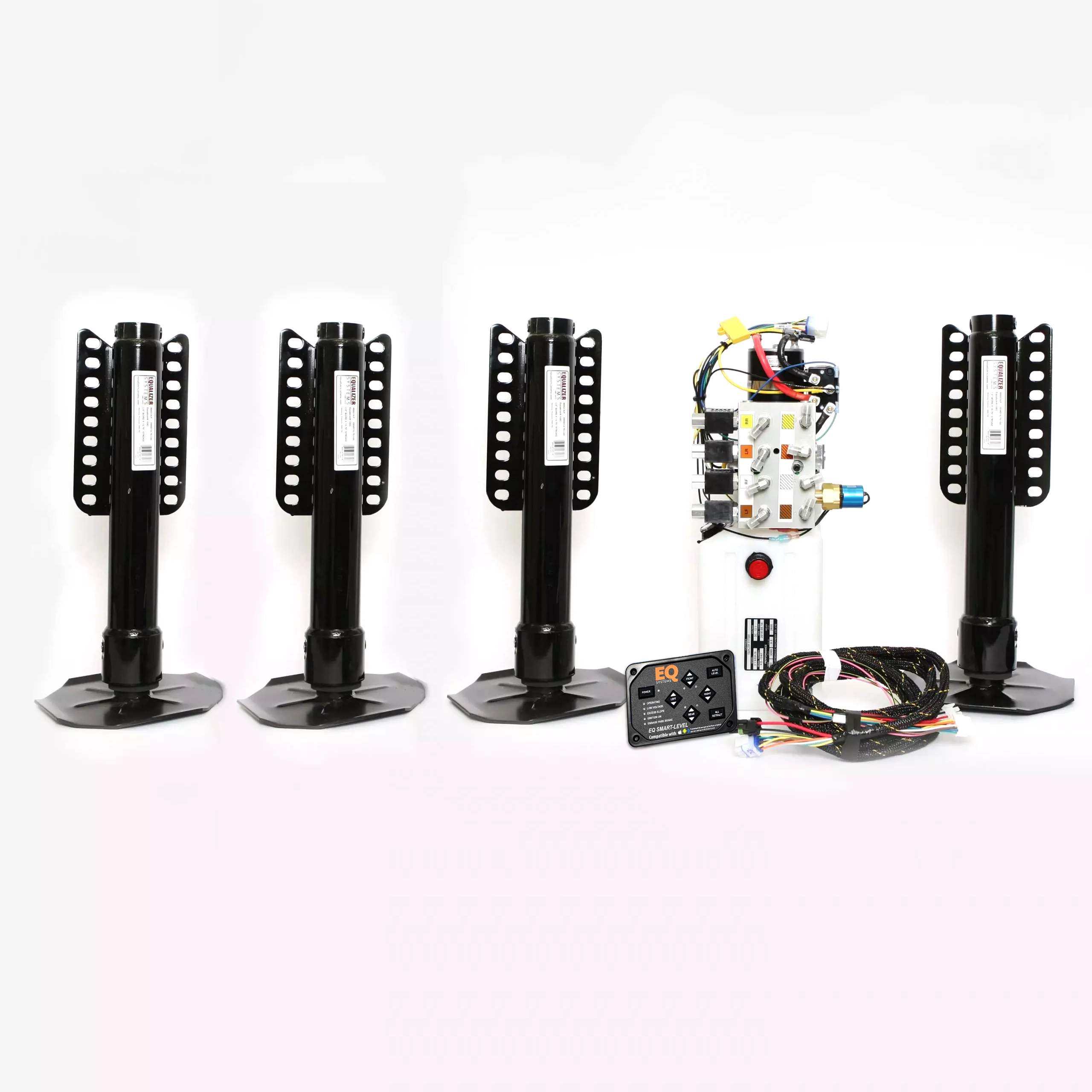
How a wireless RV leveling system works
A wireless RV leveling system uses sensors and a control module. Sensors read tilt and pitch. They send that data to a base unit by radio. The base unit then tells jacks to raise or lower. A wireless RV leveling system can be fully automatic or semi-automatic.
Most systems use simple radio links or secure wireless protocols. Some systems include a mobile app or remote. Others tie into the camper’s CAN bus or 12V network. Knowing how your automatic leveling jacks accept commands is key before you pair them with a wireless RV leveling system.

Types of automatic leveling jacks and compatibility
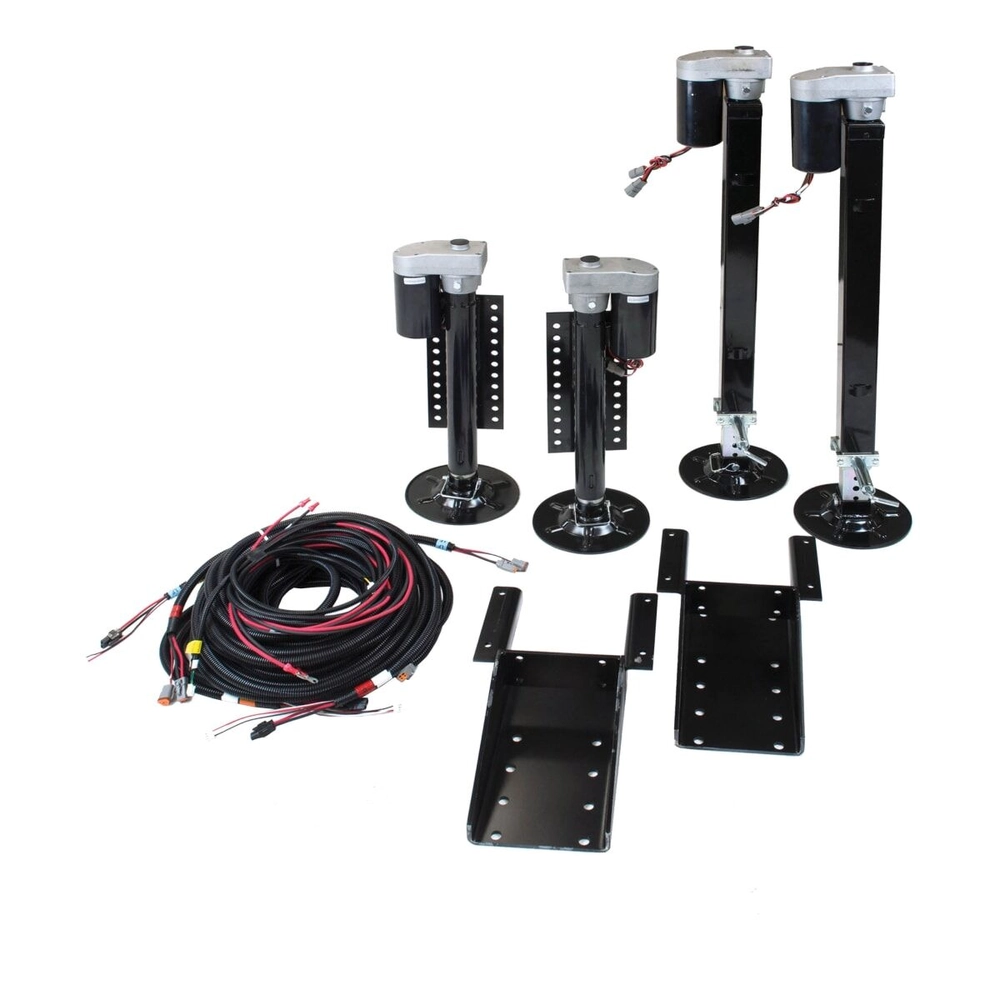
Automatic leveling jacks come in several types. Common types include:
- Electric screw jacks that extend with a motor.
- Hydraulic jacks that pump fluid to move pads.
- Air or pneumatic systems that lift with air springs.
Compatibility depends on control signals. A wireless RV leveling system usually outputs simple up/down/stop commands or digital signals. Many automatic leveling jacks accept those outputs. But some jacks require specific protocol or CAN bus messages. Check the jack’s control board before assuming compatibility.
Here are quick compatibility checks:
- Confirm the jack control input type (relay, dry contact, CAN, 0–12V).
- Verify the wireless RV leveling system can produce the right signal.
- Check power and ground wiring needs.
- Look for manufacturer notes on retrofits and third-party controls.

Installation and wiring considerations
Plan your install step by step. I recommend these steps from my experience:
- Inspect the jack controller. Open the jack control box and identify terminals.
- Read both manuals. The jack manual and wireless RV leveling system guide tell you allowed inputs.
- Use relays if needed. If the wireless system only drives relays, use automotive relays to isolate and protect the jack control board.
- Protect against voltage spikes. Add fuses and transient suppression to protect electronics.
- Ground properly. A poor ground causes false readings and erratic jack movement.
Common mistakes I’ve seen:
- Wiring the wireless module directly to a motor without checking amperage.
- Skipping fuses and blowing control modules.
- Ignoring the jack’s safety interlocks and causing uneven lift.

Benefits and limitations of using a wireless RV leveling system with automatic jacks
Benefits
- Convenience — Level from a remote or app.
- Speed — Systems can level faster than manual methods.
- Precision — Sensor suites track pitch and roll well.
- Flexibility — Works with many jack types when wired correctly.
Limitations
- Compatibility gaps — Not all automatic jacks accept generic signals.
- Safety interlocks — Factory safety features may be bypassed if not wired correctly.
- Range and interference — Wireless range can be limited in busy parks.
- Cost — Quality wireless RV leveling system units add cost, and adapters add labor.
Balance benefit versus risk for your rig. If you value hands-off leveling, a wireless RV leveling system is worth investigating. If your jacks are old or proprietary, you may need an adapter or factory upgrade.
Best practices, safety, and troubleshooting
Use these best practices during and after installation:
- Follow manufacturer wiring diagrams. They exist for a reason.
- Test on jack stands first. Confirm behavior without the full weight of the rig.
- Add overrides. Keep manual jack controls accessible in case the wireless RV leveling system fails.
- Log errors. Many systems give fault codes. Record them for diagnostics.
- Update firmware. Keep control modules updated when supported.
Troubleshooting tips from experience:
- If jacks move slowly, check battery voltage and ground.
- If commands don’t register, check antenna placement and radio noise.
- If one jack moves but others don’t, inspect the control bus and relays.

Retrofitting older jacks to work with a wireless RV leveling system
Older jacks can often be retrofitted. Steps I used in a retrofit project:
- Identify jack actuators and their control relays.
- Add a compatible interface module or a relay pack.
- Route wireless module signals to the new interface.
- Test lift functions under no-load first.
- Recheck leveling sensors for correct calibration.
Be aware that some legacy systems use unique safety logic. When retrofitting, respect those protections. If unsure, get a pro to wire critical systems.

Cost, brands, and when to call a pro
Cost varies widely. Expect to pay more for higher-end wireless RV leveling system kits. Add labor and possible adapters if you need to integrate with automatic leveling jacks.
Call a professional when:
- The jack wiring is unclear or undocumented.
- The rig uses CAN bus only and you lack CAN experience.
- You need to preserve warranty or factory safety features.
A pro can save time and prevent damage. I once tried to piggyback a cheap module and ended up replacing a control board. Learn from that: plan and budget for quality parts.

PAA-style questions
What signals does a wireless RV leveling system send to jacks?
Most systems send simple up, down, and stop commands via relays, digital outputs, or a CAN message. Check your jack controller to match the signal type.
Can I use a wireless RV leveling system with hydraulic jacks?
Yes, in many cases. Hydraulic jacks often accept the same control commands as electric jacks, but verify pressure switch and pump wiring compatibility.
Will wireless interference stop my leveling system?
Interference can affect range and reliability. Keep antennas clear, avoid metal obstructions, and choose systems with secure wireless protocols.
Do I need to change fuses or wiring when adding wireless controls?
You may need inline fuses, heavier gauge wires, or relays to protect circuits. Always follow electrical best practices and the manuals.
Is DIY retrofit safe for beginners?
Basic installs are doable, but if wiring is complex or uses CAN bus, hire a pro. Safety and warranty risks rise with complex retrofits.

Frequently Asked Questions of Can a wireless RV leveling system be used with automatic leveling jacks?
What exactly is a wireless RV leveling system?
A wireless RV leveling system uses sensors and a remote control to level a trailer or motorhome without hardwired control. It sends commands wirelessly to a control module or relay pack.
Are all automatic leveling jacks compatible with wireless systems?
Not all are compatible. Many accept relay or digital inputs. Some need CAN bus messages. Check the jack’s controller specs before trying to connect a wireless RV leveling system.
How hard is it to install a wireless RV leveling system on an older RV?
Installation difficulty varies. Simple relay-based jacks are easier. Complex or proprietary systems need more skill. Test without load and follow wiring diagrams.
Will I lose factory safety features if I add a wireless RV leveling system?
You can keep factory safety features if you wire the wireless system to respect interlocks. Do not bypass sensors or limit switches when connecting controls.
Can a wireless RV leveling system control jacks from an app?
Yes. Many modern systems include an app or remote that lets you start automatic leveling and monitor status. Ensure secure pairing and firmware updates.
Conclusion
A wireless RV leveling system can work well with automatic leveling jacks when matched correctly. Check signal types, follow wiring best practices, and protect critical circuits. If your jacks use simple relay inputs, the retrofit is often straightforward. If they use CAN bus or proprietary control, plan for adapters or professional help. Start with research, test safely, and keep manual overrides handy. Try a small test install or consult a technician, then enjoy faster, easier leveling on your next trip.

