

Can Anjank Alarm Clock Wake Deaf Users?
Getting up in the morning is a challenge for many people. For some, a loud alarm is enough. But for deaf and hard-of-hearing users, traditional alarms simply do not work. Alarm clocks must be designed differently to help them wake up reliably. The Anjank Alarm Clock is popular on sites like Amazon and has features that claim to help deaf users. But can it really wake someone who cannot hear? Let’s explore how the Anjank Alarm Clock works, what features it offers, and whether it fits the needs of deaf users.
Understanding The Needs Of Deaf Users
Waking up without sound requires special solutions. Deaf users need alarm clocks that use vibration, light, or other sensory cues. The most common methods include:

36% off Today’s Exclusive Deals
Limited-time Exclusive Deals. Check current discount on Amazon.
Check Price on Amazon As an Amazon Associate I earn from qualifying purchases.- Bed shaker: A device that vibrates under the pillow or mattress.
- Flashing lights: Bright lights that flash to catch attention.
- Strong vibration: Built into the clock or as a separate device.
Many deaf people rely on these features every day. An alarm clock that only uses sound is not effective for this group. So, the most important question for the Anjank Alarm Clock: does it offer these features?
Key Features Of The Anjank Alarm Clock
The Anjank Alarm Clock is a digital bedside clock with several modern features. Let’s look at what it offers:
- Loud alarm sound: Adjustable up to 110 decibels.
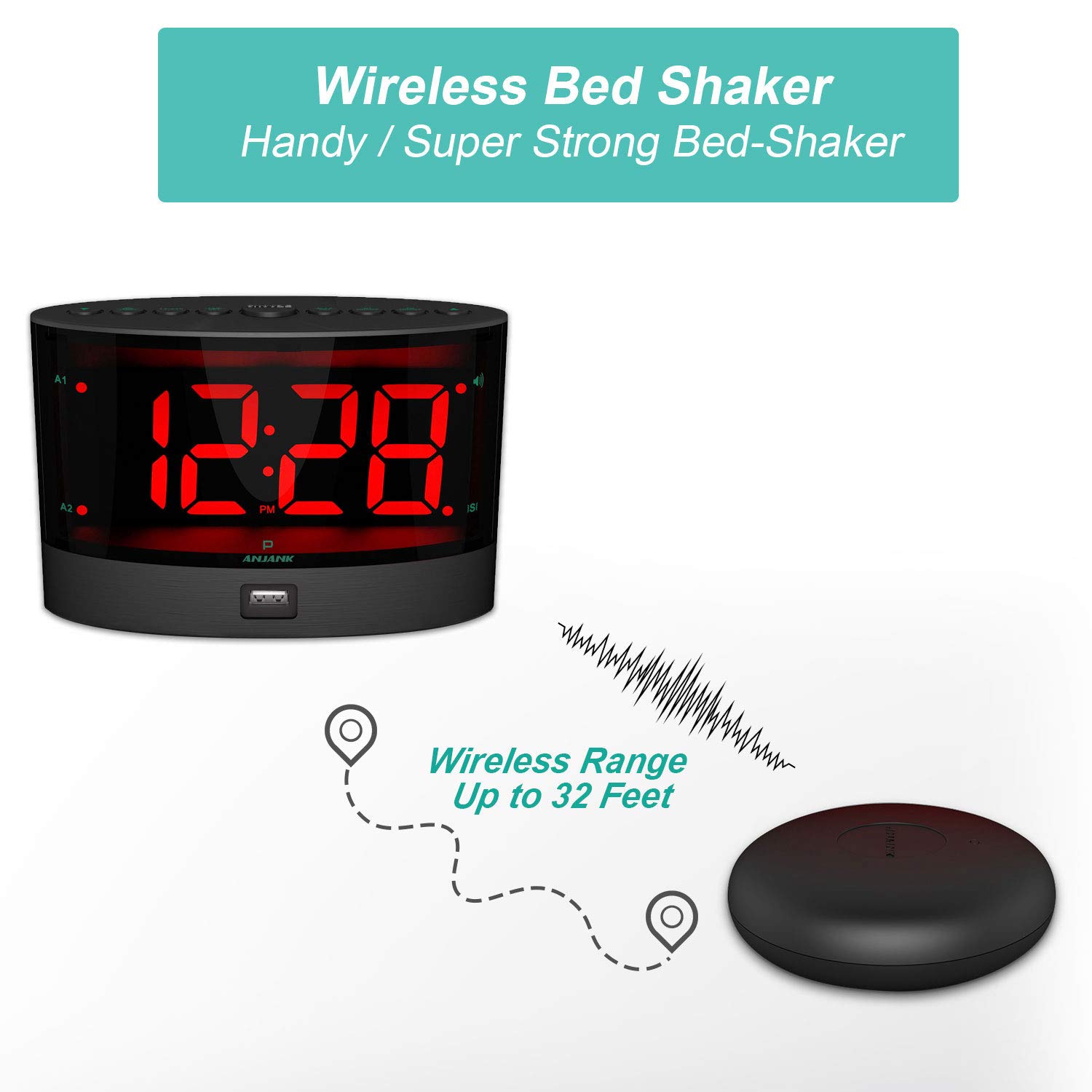
- Vibrating bed shaker: A wired device that can be placed under the pillow or mattress.
- Dual alarm: Set two different alarms for different times.
- USB charging port: Useful for charging phones overnight.
- Large display: Easy to read even for users with vision issues.
- Snooze function: Gives extra minutes before the alarm rings again.
These features are advertised for both deaf users and heavy sleepers. But how effective are they in practice?
| Feature | Sound Only | Bed Shaker | Flashing Light |
|---|---|---|---|
| Anjank Alarm Clock | Yes (Up to 110 dB) | Yes | No |
| Traditional Alarm | Yes | No | No |
| Specialty Deaf Alarm | Optional | Yes | Yes |
How Does The Bed Shaker Work?
For deaf users, the bed shaker is the main feature. The Anjank Alarm Clock includes a wired shaker—about the size of a hockey puck. You place it under your pillow or mattress. When the alarm goes off, the shaker vibrates strongly.
The vibration intensity can be adjusted. Most users describe it as “strong enough to wake you. ” However, mattress thickness and pillow material affect how much vibration you feel. If you use a very thick mattress, you may need to place the shaker directly under your pillow.
Some users report that the bed shaker works even for deep sleepers. But sensitivity varies. For the best results:
- Place the shaker as close to your head as possible.
- Use the highest vibration setting.
- Test the placement before relying on it.
Comparing Anjank To Other Deaf Alarm Clocks
To judge if the Anjank Alarm Clock is good for deaf users, it’s important to compare it to other specialized models. Let’s look at a few popular options:
| Model | Bed Shaker | Flashing Light | Alarm Volume | Price Range |
|---|---|---|---|---|
| Anjank Alarm Clock | Yes | No | Up to 110 dB | $25–$40 |
| Sonic Bomb | Yes | Yes | Up to 113 dB | $40–$60 |
| Clarity Wake Assure | Yes | Yes | Up to 95 dB | $50–$80 |
| Philips SmartSleep | No | Yes | Up to 100 dB | $100–$200 |
The Anjank is affordable and has a strong bed shaker. However, it lacks a flashing light feature. Some specialty clocks offer both vibration and lights, which can be helpful for people who are both deaf and heavy sleepers.
Real-world Experiences And Reviews
User reviews are a valuable source of information. Many buyers are deaf or hard-of-hearing and share their experiences online. Here are some common observations:
- Most deaf users say the bed shaker is effective when placed under the pillow.
- Some report that the shaker is not strong enough for thick mattresses.
- The alarm sound is loud but not useful for deaf users.
- The display is easy to see, even at night.
- The snooze function is appreciated by people who need extra reminders.
A few users mention that, over time, the vibration motor can wear out. This is a risk for any bed shaker alarm. It’s good practice to test your alarm regularly and contact the manufacturer if you notice changes.
Non-obvious Insights For Deaf Users
Many beginners miss important details when choosing an alarm clock. Here are two non-obvious points:
- Vibration intensity changes with placement: If you use a memory foam mattress or thick pillow, the shaker’s effect may be weaker. Test different spots to find the best vibration.
- Backup power matters: If your alarm clock loses power (during a storm or outage), will your alarm still work? The Anjank has battery backup for the clock, but the bed shaker needs main power. Consider this if your area has frequent outages.
Setting Up The Anjank Alarm Clock For Deaf Users
Getting the most from the Anjank Alarm Clock requires the right setup. Here’s a step-by-step guide:
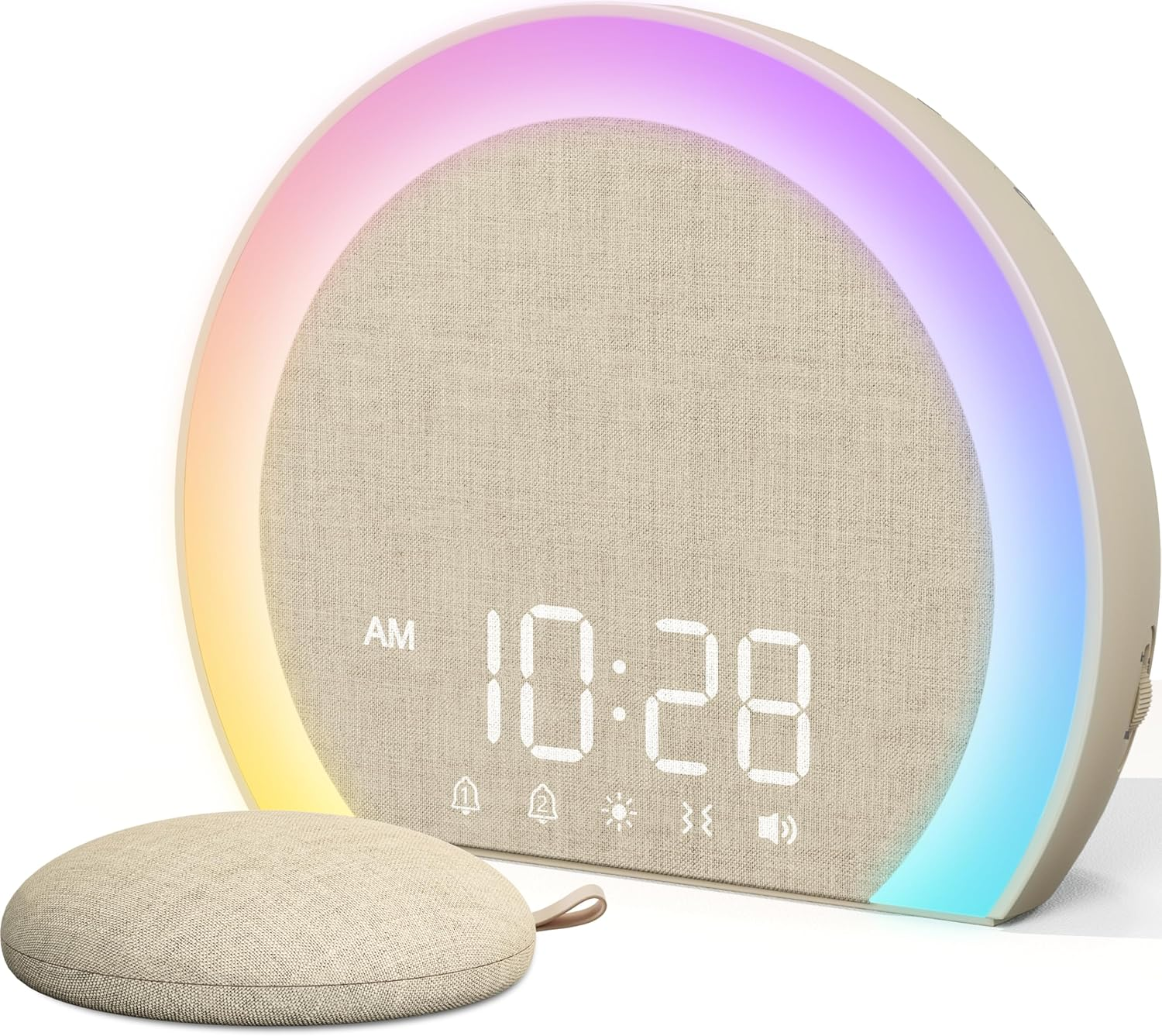
- Plug in the bed shaker: Insert the shaker cable into the alarm clock’s port.
- Place the shaker: Position it under your pillow, or between your mattress and box spring.
- Set the alarm time: Use the buttons on the clock to select your wake-up time.
- Choose vibration mode: Select the vibration setting—some models allow you to pick vibration only, sound only, or both.
- Test the alarm: Before bedtime, trigger a test alarm to make sure the vibration is strong enough.
- Enable battery backup: Insert batteries for backup in case of power loss.
If you use the alarm daily, check the cable and device regularly for wear and tear.
Practical Tips For Reliable Waking
Deaf users face unique waking challenges. Here are practical tips to improve reliability:
- Combine methods: Use both a bed shaker and a flashing light if possible. If your clock doesn’t have lights, add a cheap plug-in lamp with a timer.
- Set multiple alarms: Use the dual alarm feature to set two wake-up times.
- Keep the clock close: Place it on your bedside table for easy access.
- Use a backup alarm: For important events, set a backup alarm on your phone with vibration.
These strategies reduce the risk of oversleeping, especially for deep sleepers.
Safety And Emergency Use
Alarm clocks for deaf users are not just for waking up. They can be important for emergencies, such as fire alarms or weather alerts. While the Anjank Alarm Clock does not connect to emergency systems, some specialty models do.
If you need an alarm for safety, look for devices that connect to doorbells, smoke detectors, or emergency alerts. Deaf users should always have a way to wake up during emergencies.
Pros And Cons Of Anjank Alarm Clock For Deaf Users
Here’s a quick summary of strengths and weaknesses:
Pros:
- Strong bed shaker
- Affordable price
- Easy setup
- Dual alarm feature
Cons:
- No flashing light
- Vibration may be weak through thick bedding
- Bed shaker requires main power, not battery backup
- Not connected to emergency alert systems
Alternatives To Anjank For Deaf Users
If you want more features, look into specialized deaf alarm clocks. Some options include:
- Sonic Bomb: Offers loud sound, strong bed shaker, and flashing lights.
- Clarity Wake Assure: Connects to other alert systems and has multiple wake options.
- Philips SmartSleep: Uses light therapy to help wake you gently, but lacks vibration.
Most specialty models cost more than the Anjank, but offer extra reliability.
Data On Effectiveness
Studies show that vibration alarms are effective for most deaf users. According to research from the National Institute on Deafness, vibrating devices have a success rate of over 90% for waking up deaf people. However, combining vibration with light increases reliability, especially for deep sleepers.
| Alarm Type | Success Rate | Recommended For |
|---|---|---|
| Vibration Only | 90% | Deaf/Hard-of-hearing |
| Vibration + Light | 98% | Deep sleepers, Deaf |
| Sound Only | 10% | Hearing users |
This shows the importance of having multiple wake methods.

Should Deaf Users Choose Anjank?
For most deaf users, the Anjank Alarm Clock is a good entry-level option. The bed shaker is strong enough for many, and the price is reasonable. If you use a thick mattress or need more reliability, consider a model with both vibration and light.
It’s important to test your setup and adjust as needed. For safety, use backup alarms or devices for emergencies. The Anjank is not perfect, but it is a practical solution for daily waking.
Frequently Asked Questions
Can The Anjank Alarm Clock Wake Someone Who Is Completely Deaf?
Yes, the bed shaker is designed to wake deaf users by vibration. However, effectiveness depends on how it’s placed and the intensity setting. Most users find it strong enough when placed under the pillow.
Does The Anjank Alarm Clock Have A Flashing Light Feature?
No, it does not offer a flashing light. If you want both vibration and light, look for specialty deaf alarm clocks.
Will The Bed Shaker Work If There Is A Power Outage?
The clock has battery backup for timekeeping, but the bed shaker needs main power. During a power outage, the vibration will not work.
Is The Anjank Alarm Clock Easy To Set Up?
Yes, setup is simple. Plug in the shaker, set the alarm, and choose your preferred mode. Most users can set it up in a few minutes.
Are There Better Options For Deaf Users?
Specialty alarm clocks like Sonic Bomb or Clarity Wake Assure offer more features, including flashing lights and emergency alerts. If you need extra reliability, consider these models.
Waking up reliably is important for everyone, especially deaf and hard-of-hearing users. The Anjank Alarm Clock offers a strong bed shaker at an affordable price. While it is not perfect, it is a solid choice for most deaf users. For more information on specialized alarm clocks for the deaf, visit NIDCD – National Institute on Deafness.

