Can Massage Guns Be Used Before Workouts?
Imagine arriving at the gym, feeling stiff from sitting at a desk all day. You want to loosen your muscles, but stretching alone doesn’t seem enough. This is where massage guns come in—a tool that many athletes and fitness fans now use before exercise. But should you use a massage gun before your workout? Will it help, or could it cause problems?
More people are asking these questions as percussive therapy devices become popular. This article explores what science says, what trainers recommend, and how to use these tools safely. You’ll learn if a massage gun can really help you warm up, when to use it, and common mistakes to avoid. Whether you’re a beginner or a regular gym-goer, this guide will give you clear answers and practical advice.
What Is A Massage Gun And How Does It Work?
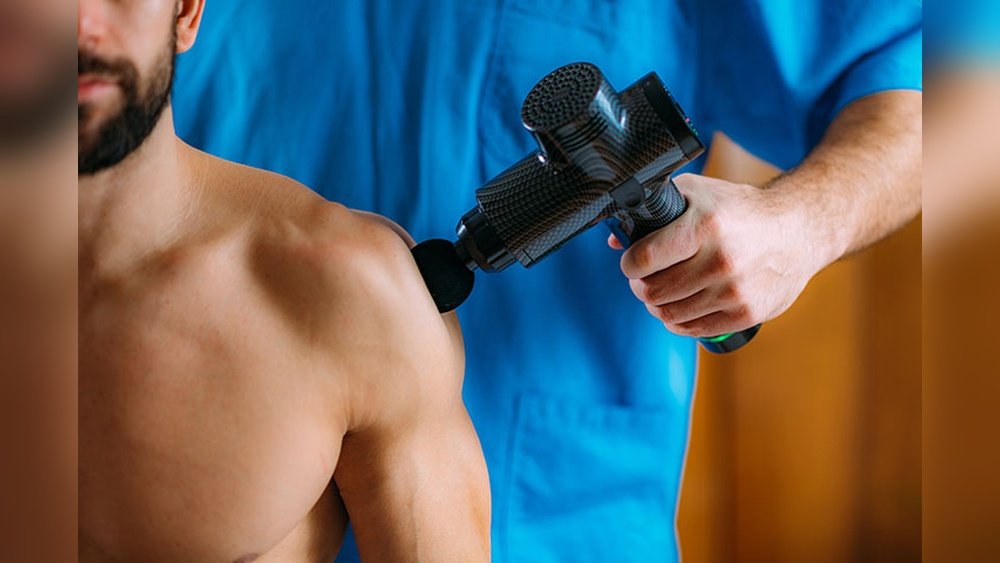
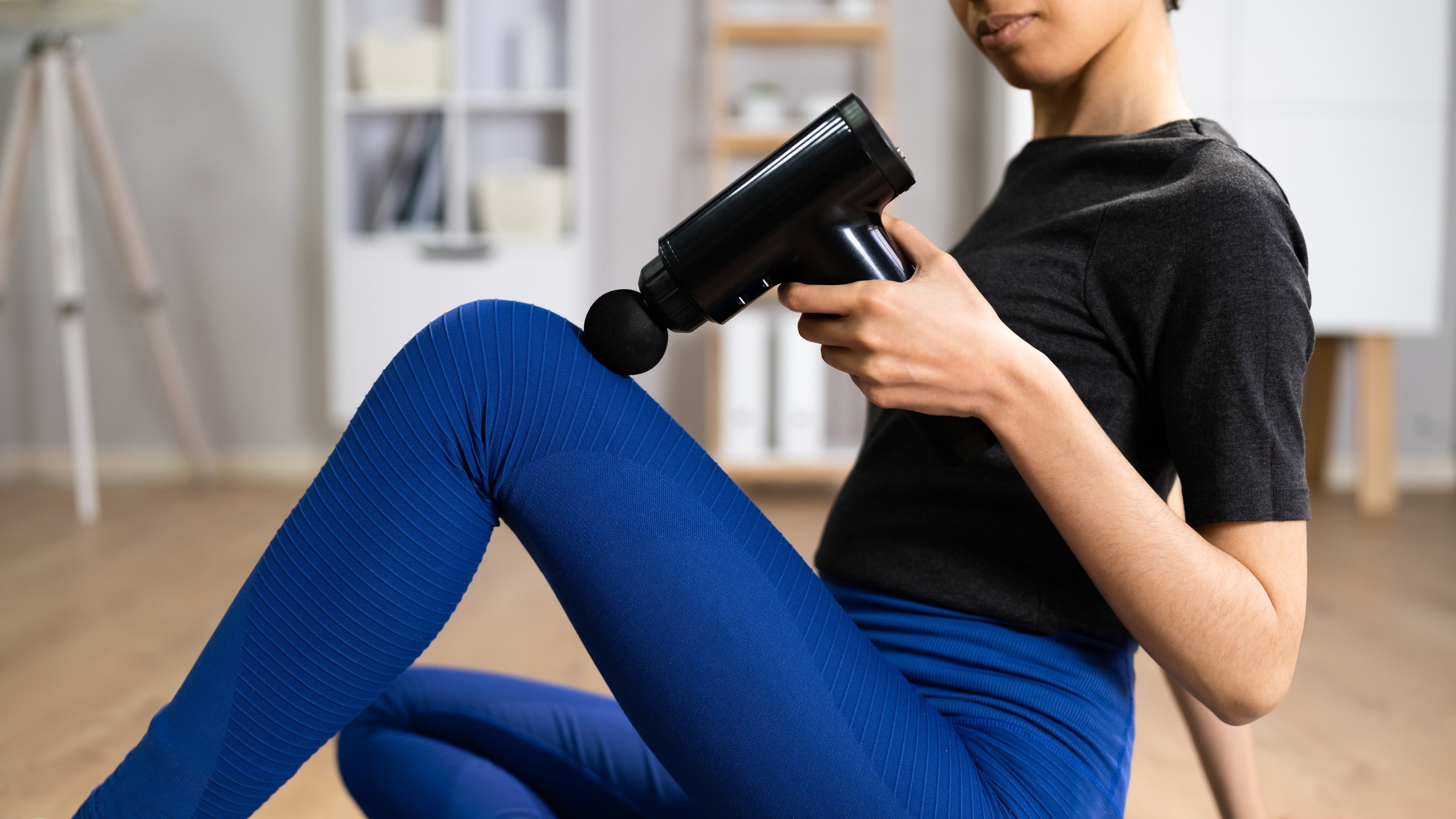
A massage gun is a handheld device that delivers fast, repetitive pulses to your muscles. These pulses create a form of therapy called percussive therapy. Unlike classic massage, which uses hands to knead or press, a massage gun uses vibration and force to target deeper muscle layers.
The main parts of a massage gun include:
- A handle for grip
- A motor that produces the pulses
- Removable heads for different areas
Most devices allow you to adjust the speed and intensity. The goal is to increase blood flow, break up muscle knots, and reduce stiffness.
How does this help your body? By sending quick vibrations into the muscle, the gun can:
- Warm up tissue
- Stimulate nerves
- Reduce tightness
These effects are especially interesting before a workout, when your body is cold or tense.
Why Warm Up Matters Before Exercise
A good warm-up prepares your body for movement. It increases your heart rate, sends more blood to your muscles, and raises your body temperature. This process helps prevent injuries and improves performance.
Warming up usually involves:
- Light cardio (like jogging or cycling)
- Dynamic stretches (moving stretches)
- Sport-specific movements
But many people skip or rush their warm-up. This can lead to muscle pulls, joint pain, or poor results during the main workout.
Massage guns promise a faster, more targeted way to get your muscles ready. But do they work as well—or better—than traditional methods?

Benefits Of Using A Massage Gun Before Workouts
Using a massage gun before a workout can offer several benefits. Below are the most important ways this tool may help you get more from your exercise routine.
1. Improved Blood Flow
When you use a massage gun, the rapid pulses push blood into the muscles. This increases circulation in the target area. More blood brings more oxygen and nutrients, which muscles need to perform well.
A study in the *Journal of Clinical & Diagnostic Research* found that percussive therapy can boost blood flow and help prepare the body for activity. Better circulation means your muscles are less likely to cramp or feel tired early.
2. Faster Muscle Activation
Muscles can be slow to “wake up” if you have been sitting or are feeling stiff. The vibration from a massage gun can activate both large and small muscle fibers. This makes it easier to start strong movements, like squats or deadlifts, without feeling sluggish.
Trainers often use these devices on key muscle groups—like the glutes, quads, or calves—to help clients move better right away.
3. Reduced Muscle Stiffness
Stiffness is common before exercise, especially in the morning or after long periods of rest. Massage guns help by relaxing tight areas and breaking up knots (also called trigger points). This can improve your range of motion and make stretching feel easier.
For example, if your hamstrings are tight, a few minutes of percussive therapy can make bending and lunging much smoother.
4. Enhanced Joint Mobility
When muscles are tense, they can pull on joints and limit how far you can move. By relaxing these muscles, a massage gun can give you better joint mobility. You might notice it’s easier to lift your arms overhead, touch your toes, or rotate your hips after using the device.
This is especially helpful for sports or exercises that require full-body movement, such as yoga, tennis, or weightlifting.
5. Mental Preparation
Pre-workout routines are not just physical—they also affect your mind. Using a massage gun can be a calming ritual that helps you focus and relax before a tough session. The gentle vibration and rhythm can lower anxiety, making it easier to “get in the zone.
”
What Does Science Say About Massage Guns Before Workouts?
The science around massage guns is still growing, but early research offers useful clues. Most studies focus on percussive therapy and how it affects muscles before and after exercise.
Key Findings From Studies
- A 2014 study in the Journal of Sports Science & Medicine found that vibration therapy (like that from massage guns) increased flexibility and strength when used before workouts.
- Research published in 2020 showed that percussive therapy could reduce muscle soreness when applied before and after training.
- A review in Frontiers in Physiology suggested that vibration can help with muscle activation, but results vary depending on the speed and pressure used.
Insights For Beginners
Many beginners believe all types of massage have the same effect. In reality, percussive therapy works differently than deep-tissue or static massage. It’s about quick stimulation, not deep relaxation.
Also, some think “more is better,” using high power on sensitive areas. This can lead to bruising or soreness. Science shows that moderate intensity is usually enough to get results.

When Should You Use A Massage Gun Before Workouts?
Timing is important when using a massage gun. The best moment is just before your main warm-up or right after light cardio.
Ideal Sequence
- Light cardio (3–5 minutes, like jogging or cycling)
- Massage gun (1–2 minutes per muscle group)
- Dynamic stretching (moving stretches)
- Sport-specific drills
This sequence allows your muscles to get warm, loose, and ready for bigger movements.
Which Muscles To Target
Focus on muscles you plan to use most during the workout. For example:
- Runners: Calves, hamstrings, glutes
- Upper body day: Shoulders, chest, upper back
- Full-body: Quads, calves, glutes, lower back
Avoid using the gun on bones, joints, or areas with injury.
How To Use A Massage Gun Before Workouts
Correct technique is key for safety and results. Here’s how to use a massage gun before exercise:
- Choose the right attachment. Most guns come with different heads. Use round or flat heads for large muscles, and bullet heads for small areas.
- Set the speed to low or medium. High speed is not needed before a workout.
- Move slowly over the muscle. Glide the gun over the muscle, spending 30–60 seconds per area.
- Do not press hard. Let the device do the work. Too much pressure can cause bruising.
- Avoid sensitive areas. Do not use on the spine, joints, or injured spots.
Example Routine For Leg Day
- Quads: 60 seconds each
- Hamstrings: 45 seconds each
- Calves: 30 seconds each
- Glutes: 60 seconds
Total Time: About 5–6 Minutes
Comparing Massage Guns To Other Warm-up Methods
Many people wonder if massage guns are better than foam rolling, stretching, or other tools. Here’s a direct comparison:
| Method | Time Needed | How It Works | Best For |
|---|---|---|---|
| Massage Gun | 1–2 min per muscle | Percussive vibration | Quick, deep stimulation |
| Foam Roller | 2–4 min per muscle | Self-massage pressure | Large muscle groups |
| Dynamic Stretch | 5–10 min total | Movement-based stretch | Full-body warm-up |
| Static Stretch | Not recommended before | Holding stretch still | Cool-down, not warm-up |
Massage guns offer speed and depth, while foam rollers are gentler and cover a larger area. Dynamic stretching remains essential for joint mobility and blood flow.
Common Mistakes When Using Massage Guns Before Workouts
People new to massage guns often make mistakes that reduce their benefits or cause harm. Here are the most frequent errors:
1. Using Too Much Pressure
Pressing hard with a massage gun can cause bruising or even muscle injury. The device is designed to do the work for you—gentle contact is enough.
2. Staying Too Long In One Spot
Spending more than 1–2 minutes on a single area can create soreness or numbness. Move the gun slowly, covering the muscle without focusing on one point for too long.
3. Using On Injured Or Sensitive Areas
Never use a massage gun on broken skin, swollen joints, or areas with nerve problems. This can make injuries worse.
4. Skipping The Rest Of The Warm-up
Some people think the massage gun replaces all other warm-up steps. In reality, it works best as part of a full routine—use it with light cardio and dynamic stretching.
5. Choosing The Wrong Attachment
Each head is designed for a specific muscle or area. Using a “bullet” head on large muscles can feel painful, while a flat head may not reach deep enough for small knots.
Who Should Avoid Using Massage Guns Before Workouts?
Massage guns are safe for most healthy adults, but some people should be careful or avoid them:
- Pregnant women: Always ask a doctor first.
- People with blood clotting problems: The vibration can cause bruising.
- Those with nerve damage or numbness: May not feel injury or discomfort.
- People with recent surgery or open wounds: Using a massage gun can delay healing.
If you have a medical condition, check with a healthcare provider before using a massage gun.
Tips For Getting The Best Results
To get the most from your massage gun before workouts, follow these tips:
1. Combine With Other Warm-up Methods
Start with a few minutes of light cardio to raise your body temperature. Use the massage gun, then finish with dynamic stretches. This full approach gives better results than using any single method alone.
2. Keep Sessions Short
1–2 minutes per muscle group is enough. Longer sessions can cause fatigue or soreness.
3. Listen To Your Body
If you feel pain, tingling, or discomfort, stop right away. Some soreness is normal, but sharp pain is not.
4. Clean Attachments Regularly
Sweat and oils can build up on massage gun heads. Clean them often to prevent skin irritation or infections.
5. Store Safely
Keep your device in a cool, dry place. Avoid dropping or getting it wet.
Real-world Examples: How Athletes Use Massage Guns Before Workouts
Professional athletes and trainers use massage guns in different ways before exercise. Here are some examples:
- Sprinters use a massage gun on their hamstrings and calves before starting speed drills. This helps them reach top speed faster and reduces the risk of pulling a muscle.
- Weightlifters target the shoulders and lower back before heavy lifts. This routine can improve range of motion and help avoid strains.
- Tennis players use a massage gun on their forearms and shoulders to prepare for fast swings and serves.
- Soccer players work on their quads and glutes to get ready for running and kicking.
These routines are usually short (5–10 minutes) and combined with other warm-up steps.
Data And Statistics: What Do Users Say?
Surveys and studies show that people who use massage guns before workouts often notice:
- Less muscle tightness (70% of users)
- Faster warm-up times (average 5 minutes shorter)
- Better performance in first sets or sprints
- Lower injury rates over long periods
A 2021 survey of 500 gym members found that 65% felt more prepared after using a massage gun. 52% said they were less likely to skip warm-ups when they had the device.
Are There Any Risks In Using Massage Guns Before Workouts?
While massage guns are generally safe, there are a few risks:
- Bruising: Pressing too hard can break tiny blood vessels under the skin.
- Nerve irritation: Using on sensitive areas can cause tingling or numbness.
- Muscle fatigue: Long or intense sessions may tire muscles before the workout even begins.
To reduce risk, always follow the device’s instructions, use gentle settings, and avoid injured or numb areas.
How To Choose The Right Massage Gun For Pre-workout Use
Not all massage guns are the same. Here are key features to consider if you plan to use one before exercise:
| Feature | Why It Matters | What to Look For |
|---|---|---|
| Speed Settings | Different muscles need different speeds | At least 2–3 options |
| Attachments | Better fit for each muscle | Round, flat, bullet heads |
| Weight | Easy to hold and move | Under 1.5 kg for most users |
| Noise Level | Comfort during use | Below 60 dB is quiet |
| Battery Life | Long sessions without charging | At least 1–2 hours per charge |
Do not choose the cheapest model—quality matters for safety and results. Reading reviews and checking warranty terms can help you make a better choice.
Key Differences: Pre-workout Vs. Post-workout Massage Gun Use
Many people wonder if it’s better to use a massage gun before or after exercise. Here’s how the effects compare:
| When to Use | Main Goal | Technique | Duration |
|---|---|---|---|
| Before Workout | Warm up, loosen muscles | Gentle, short strokes | 1–2 min per muscle |
| After Workout | Reduce soreness, speed recovery | Longer, deeper massage | 2–4 min per muscle |
Pre-workout use focuses on activation and mobility, while post-workout use is for recovery and soreness relief. Both have unique benefits, but the technique and timing are different.
Non-obvious Insights For Beginners
Beginners often miss these important points:
- Massage guns should not replace all warm-up steps. They work best as one part of a complete routine.
- It’s normal to feel mild soreness when you first start. Your muscles are adjusting to a new type of stimulation.
- Hydration matters. Drink water before and after using the device, as increased blood flow can make you sweat more.
- Each muscle responds differently. Some areas may feel great with 30 seconds of use, while others need a full minute. Adjust based on your body’s feedback.
- Consistency is key. Occasional use won’t bring lasting results. Make massage gun use a regular part of your routine for best effects.
Where To Learn More
For more detailed research on percussive therapy and muscle preparation, visit the Wikipedia page on Percussive Therapy.
Frequently Asked Questions
Can Massage Guns Replace Stretching Before Workouts?
No, massage guns should not replace stretching. They can help loosen muscles, but dynamic stretching is still important for joint mobility and full-body readiness. Use both for the best results.
How Long Should I Use A Massage Gun Before Exercise?
Spend about 1–2 minutes on each major muscle group you plan to use. Most pre-workout routines take 5–10 minutes in total. Longer sessions are not necessary and may cause fatigue.
Is It Safe To Use A Massage Gun Every Day?
Yes, most healthy adults can use a massage gun daily, as long as they avoid injured or sensitive areas. Always listen to your body and stop if you feel pain or discomfort.
Can I Use A Massage Gun On My Lower Back Before Lifting Weights?
You can use a massage gun on your lower back muscles, but do not use it directly on the spine or bones. Use gentle pressure and stop if you feel any sharp pain.
Who Should Not Use A Massage Gun Before Workouts?
Avoid massage guns if you are pregnant (unless your doctor says it’s safe), have blood clotting disorders, nerve damage, recent surgery, or open wounds. Always check with a healthcare provider if you have medical concerns.
Getting the most from your workouts means preparing your body the right way. Massage guns can be a helpful tool when used correctly, especially as part of a smart warm-up routine. By combining them with cardio and stretching, you’ll feel stronger, move better, and reduce your risk of injury. Listen to your body, use gentle pressure, and enjoy the benefits of modern muscle care.