Muscle soreness can make daily life harder, whether you are an athlete, someone who exercises regularly, or you just had a long, tiring day. In recent years, massage guns have become popular tools for easing muscle pain and speeding up recovery. You might have seen athletes using these devices or heard fitness trainers recommend them. But do massage guns really help with muscle recovery? Or are they just another fitness trend?
Let’s explore the science, benefits, and practical use of massage guns. This article explains how they work, what research says, and how to use them safely. You’ll also get tips to avoid common mistakes and a clear look at who can benefit most from these devices.
What Are Massage Guns And How Do They Work?
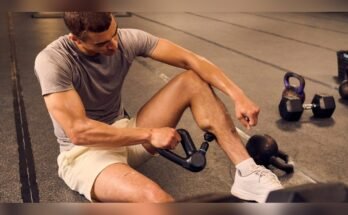
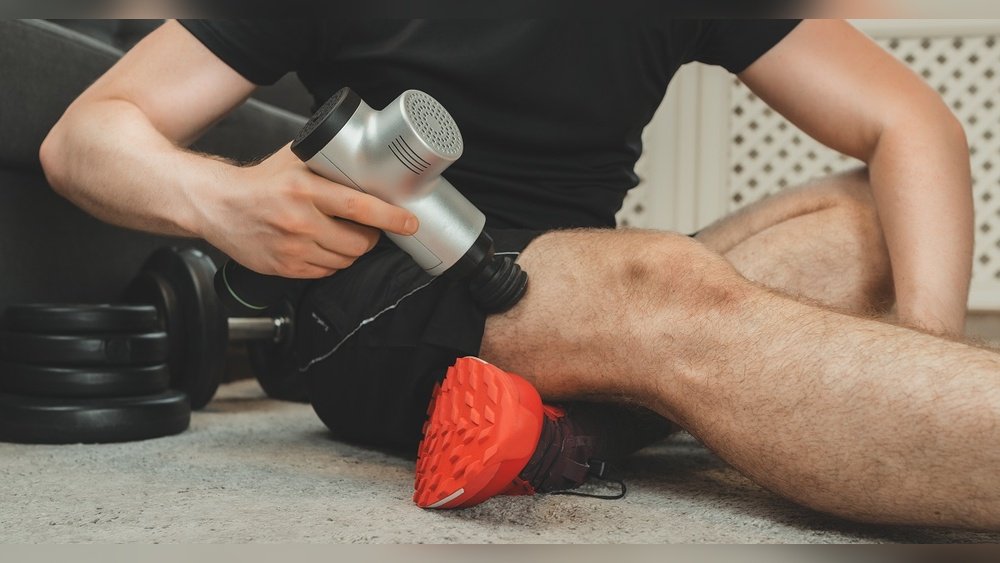
Massage guns, also called percussive therapy devices, are handheld tools that deliver rapid, repetitive pulses to the muscles. When you press a massage gun against your skin, it moves quickly in and out—sometimes up to 3,000 times per minute. This action creates vibrations and pressure that reach deep muscle tissue.
The idea behind massage guns comes from traditional manual massage, where therapists use their hands to knead and press muscles. A massage gun tries to do this with mechanical power. The device usually has different heads for targeting various muscle groups and adjustable speeds for gentle or strong stimulation.
The Mechanism: Percussive Therapy
Percussive therapy is not just about vibration; it involves controlled force to stimulate blood flow, loosen tight tissue, and break up muscle knots. When the device’s head hits the muscle, it sends signals through nerves to the brain. This may help reduce pain and make the muscle relax.
Why Muscle Recovery Matters
Muscle recovery is the process your body goes through to repair and rebuild muscle fibers after exercise or physical activity. If you do not let your muscles recover, you may feel more pain, get injured, or lose strength over time.
After a workout, your muscles have tiny tears, lactic acid, and waste products that need to be cleared. Good recovery means:
- Less muscle soreness (especially delayed-onset muscle soreness or DOMS)
- Faster return to exercise
- Lower risk of injury
- Better performance
Many methods help with muscle recovery, such as sleep, stretching, nutrition, hydration, ice baths, foam rolling, and massage. Massage guns are a modern addition to this list.

The Science Behind Massage Guns And Muscle Recovery
Is there evidence that massage guns actually work? Research is still growing, but some studies and expert opinions give us useful insights.
Improved Blood Flow
One of the main claims is that massage guns boost blood circulation. Better blood flow brings more oxygen and nutrients to muscles, which helps them heal faster and reduces waste products. A study published in the *Journal of Clinical & Diagnostic Research* found that percussive massage increased blood flow to the treated area, which may speed up recovery.
Reduction In Muscle Soreness
Delayed-onset muscle soreness (DOMS) is common after intense exercise. Some research shows that percussive therapy can reduce the pain and stiffness of DOMS. A 2014 study in the *Journal of Clinical & Diagnostic Research* reported that vibration therapy after a workout reduced soreness more than rest alone.
Decreased Muscle Stiffness
Stiff muscles can make movement uncomfortable. Massage guns seem to help by relaxing tight tissue and breaking up adhesions, which lets muscles stretch and move more easily. This effect is similar to what you get from foam rolling or manual massage.
Increased Range Of Motion
A 2020 study in *Frontiers in Physiology* found that using a massage gun for five minutes on the calf improved ankle range of motion by up to 14%. This suggests that short sessions with a massage gun can help you move more freely.
Limitations In Research
While early studies are positive, most are small and short-term. There is not yet large-scale, long-term evidence showing massage guns are better than other recovery methods. Some effects might be due to the “feel-good” sensation rather than deep physiological changes.
Benefits Of Massage Guns For Muscle Recovery
Massage guns offer several potential benefits, especially when used correctly. Let’s break down the main advantages:
1. Quicker Recovery Time
By boosting blood flow and relaxing tight muscles, massage guns can help you recover from workouts faster. This means less downtime between training sessions.
2. Reduced Muscle Soreness
Many users report less pain after using a massage gun, especially when muscles are sore from exercise.
3. Improved Flexibility And Mobility
Looser muscles can stretch further, making movement smoother and reducing the risk of strains.
4. Convenience And Accessibility
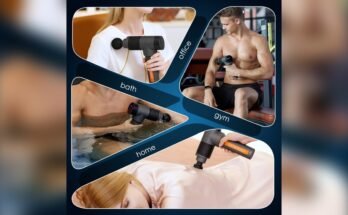
Unlike traditional massage, you can use a massage gun anytime—at home, the gym, or even at work.
5. Targeted Relief
You can focus on specific sore spots or problem areas, something not always possible with foam rollers or stretching.
6. Cost Savings
Over time, buying a massage gun may cost less than regular visits to a massage therapist.
7. Customizable Intensity
Most devices let you adjust speed and pressure, making them useful for both gentle relaxation and deep tissue work.
Non-obvious Insights
Many beginners don’t realize that:
- Using a massage gun before exercise (for 30 seconds) can “wake up” muscles and improve performance.
- Overusing a massage gun can cause bruising or make soreness worse. More is not always better.
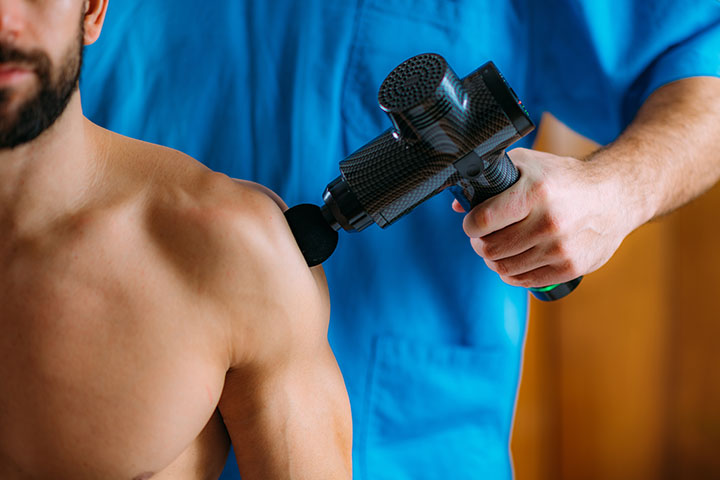
How To Use A Massage Gun For Best Results
Using a massage gun correctly is key to getting good results without hurting yourself. Here’s a practical guide:
1. Choose The Right Attachment
Most guns come with different heads:
- Ball head: For large muscle groups (thighs, glutes)
- Bullet head: For deep tissue or knots
- Flat head: For general use
- Fork head: For the spine or neck (avoid the bones)
- Set the Right Speed and Pressure
Start with the lowest setting. Increase only if you feel comfortable. Never press too hard.
3. Move Slowly
Glide the gun slowly (about 1 inch per second) over the muscle. Do not hold it in one spot for too long.
4. Duration Matters
Spend 1-2 minutes per muscle group. More than 2 minutes in one area can cause bruising.
5. Avoid Sensitive Areas
Do not use massage guns on bones, joints, or the front of the neck. Stay away from areas with open wounds or swelling.
6. Listen To Your Body
If you feel pain (not just pressure or vibration), stop immediately.
Example Routine
After a workout, you might use the massage gun on your quads for 90 seconds, then your calves for 60 seconds, and your back for another 90 seconds. Adjust the order and time based on where you feel most sore.
Who Should (and Should Not) Use Massage Guns?
Massage guns are useful for many people, but not everyone.
Best Suited For:
- Athletes who need quick recovery between training sessions
- Fitness enthusiasts who experience frequent soreness
- People with tight muscles from sitting or working long hours
- Physical therapy patients (with doctor approval)
Not Recommended For:
- People with blood clotting disorders or deep vein thrombosis
- Those with recent injuries, fractures, or open wounds
- Pregnant women (unless cleared by a doctor)
- People with nerve disorders or severe osteoporosis
- Anyone with a pacemaker or implanted medical device
If you have a health condition, always check with your doctor before using a massage gun.

Massage Gun Vs. Other Recovery Tools
How does a massage gun compare with other popular recovery tools like foam rollers or manual massage? Here’s a side-by-side look:
| Recovery Tool | Pros | Cons |
|---|---|---|
| Massage Gun | Targeted, adjustable, portable, fast results | Can be expensive, risk of overuse, not for all areas |
| Foam Roller | Inexpensive, covers large areas, easy to use | Hard to target small spots, requires body weight and effort |
| Manual Massage | Professional technique, personalized, deeply relaxing | Costly, needs appointment, not always available |
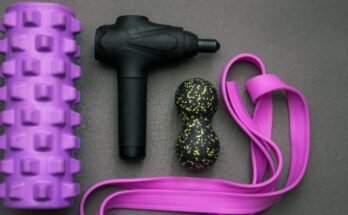
Key insight: Massage guns are best for quick, targeted relief, while foam rollers are better for covering large muscle groups. Manual massage offers the deepest relaxation but is less convenient.
Common Mistakes To Avoid
Massage guns are easy to use, but many beginners make mistakes that can reduce benefits or even cause harm.
1. Using On Injured Or Swollen Areas
Never use a massage gun where you have a fresh injury, open wound, or swelling.
2. Pressing Too Hard
Extra pressure does not mean better results. It can cause bruising or tissue damage.
3. Staying In One Spot
If you hold the device in one place for too long, you might injure the muscle or skin.
4. Ignoring Pain
Some discomfort is normal, but sharp pain means you should stop.
5. Skipping Warm-up
Don’t use a massage gun on cold muscles unless you use the lowest setting and keep the session brief.
6. Overuse
Limit use to 1-2 minutes per muscle group, and avoid doing the same area more than twice a day.
Massage Gun Features That Matter
If you plan to buy a massage gun, focus on features that truly affect performance and safety.
- Speed and Power Settings: More options let you customize intensity.
- Battery Life: Longer battery means less frequent charging.
- Attachment Heads: Different shapes for different muscles.
- Noise Level: Quieter devices are more comfortable to use.
- Weight and Grip: Lightweight, ergonomic models are easier to handle.
Here is a simple comparison of key features found in common massage guns:
| Feature | Why It Matters | Typical Range |
|---|---|---|
| Speed Settings | Controls intensity for gentle or deep massage | 3-30 levels |
| Battery Life | Determines how long you can use it before charging | 1-8 hours |
| Noise Level | Important for comfort, especially in quiet spaces | 40-70 dB |
| Weight | Heavier models can cause fatigue during long use | 1-3 lbs |
| Attachments | Let you target different muscle groups | 2-8 heads |
Real-world Examples: Who Has Benefited?
Professional athletes, fitness trainers, and even office workers have embraced massage guns for good reasons.
- NBA and NFL players use massage guns on the sidelines to warm up before games and recover after.
- Marathon runners often use them after long runs to ease muscle tightness and speed recovery.
- Desk workers find relief from neck and back pain caused by sitting all day.
A personal trainer in New York shared that her clients who use massage guns “feel less sore after heavy training and recover faster. ” However, she always teaches proper technique and warns against using them on injuries.
Are Massage Guns Safe?
For most healthy adults, massage guns are safe when used properly. But improper use can cause bruises, soreness, or even nerve damage. Always follow these safety tips:
- Avoid using over bones, joints, or the front of the neck.
- Do not use if you have poor sensation in an area (from diabetes, for example).
- Check with a doctor if you have a medical condition.
How To Combine Massage Guns With Other Recovery Methods
Massage guns work well with other recovery strategies for best results. For example:
- Stretching after using a massage gun can improve flexibility.
- Hydration helps flush out waste products released during massage.
- Rest and good sleep are still the most important recovery tools.
- Nutrition (protein, healthy carbs) helps repair muscle tissue.
Some experts suggest using a massage gun as part of a “recovery routine”—not as the only tool.
Massage Guns: Myths Vs. Facts
Many claims about massage guns are exaggerated. Let’s clear up some common myths.
| Myth | Fact |
|---|---|
| Massage guns burn fat. | They do not cause fat loss. They only help with muscle recovery. |
| More pressure means better results. | Too much pressure can hurt your muscles. |
| Everyone can use them safely. | Some people should avoid them (injuries, health conditions). |
| You can replace all other recovery methods with a massage gun. | Best results come from a mix of methods (rest, stretching, massage). |
How To Tell If A Massage Gun Is Helping
You should notice some positive signs if a massage gun is working for you:
- Less muscle soreness after workouts
- Improved flexibility or range of motion
- Feeling relaxed and less tense after use
- Faster recovery between intense activities
If you notice more pain, bruising, or swelling, stop and consult a health professional.
Expert Opinions
Most physical therapists and sports medicine experts agree that massage guns can be a useful tool—but only as part of a balanced recovery plan. Dr. John Rusin, a well-known sports performance therapist, says, “Massage guns are great for quick relief, but they should not replace professional care or proper rest.
”
A review in the *British Journal of Sports Medicine* highlighted that percussive devices can help with muscle soreness and flexibility, but more research is needed to understand long-term effects and best practices.
Where To Learn More
For detailed research on percussive therapy and muscle recovery, you can check resources like PubMed Central.
Frequently Asked Questions
Can Massage Guns Replace Professional Massage Therapy?
No, a massage gun is a helpful tool for self-massage and recovery, but it cannot fully replace the skill and experience of a professional therapist. Human touch can find subtle muscle problems and adjust pressure in ways a device cannot.
How Often Should I Use A Massage Gun For Muscle Recovery?
It is safe to use a massage gun 2-3 times per week for most people, spending 1-2 minutes per muscle group. Using it more often is not always better and may cause soreness or bruising.
Are Massage Guns Safe For Everyone?
No, massage guns are not safe for people with certain health conditions, such as blood clotting disorders, nerve problems, or recent injuries. Always check with a doctor if you are unsure.
When Is The Best Time To Use A Massage Gun?
You can use a massage gun before exercise (for a quick warm-up), after workouts (to help recovery), or anytime you feel muscle tightness. Avoid using it right before bed if the vibration keeps you awake.
Can I Use A Massage Gun On My Neck Or Spine?
Be very careful. Only use gentle settings and avoid direct contact with bones. Never use a massage gun on the front of your neck or directly on your spine, as these areas are sensitive and can be injured easily.
Recovery is a journey, and the right tools can make it smoother. Massage guns can help, but they work best when combined with rest, nutrition, and smart training. Listen to your body, use your tools wisely, and enjoy healthier muscles.