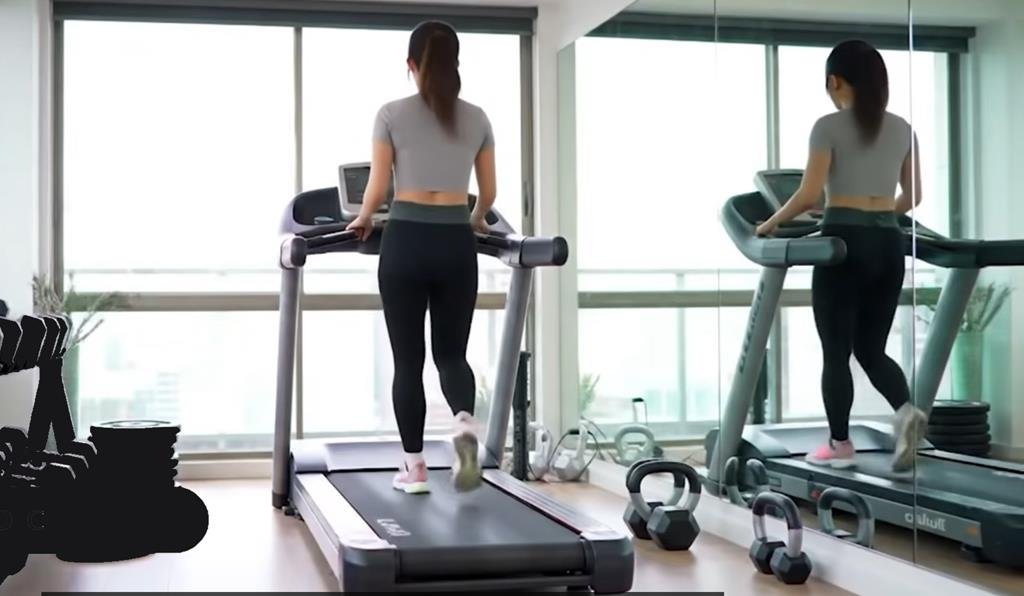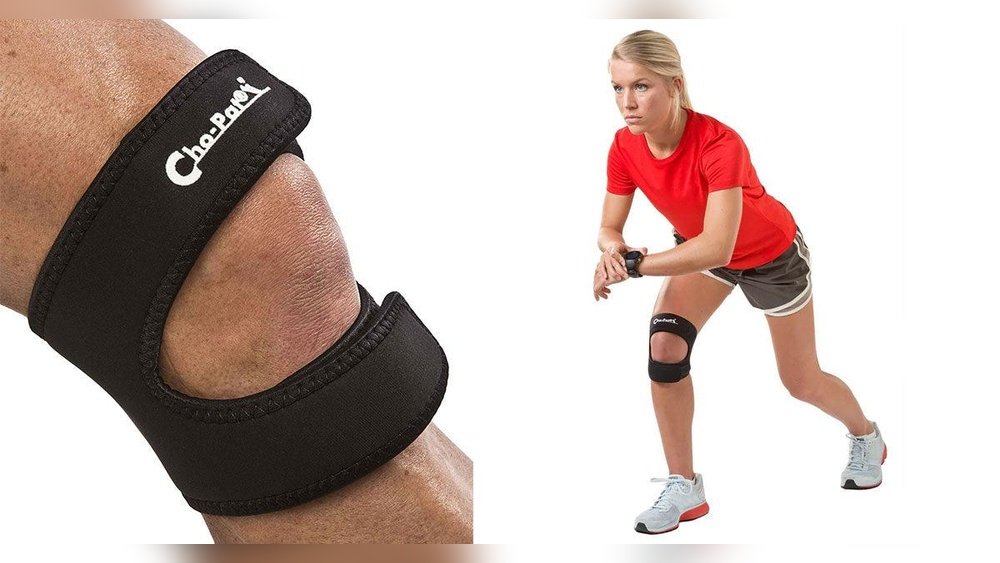
Are you tired of knee pain holding you back from staying active? You might be surprised to learn that walking pads could be a simple solution to ease your discomfort.
Imagine being able to move more without putting extra strain on your knees. This article will show you how walking pads work and whether they can really help reduce your knee pain. Keep reading to discover how a small change in your routine could make a big difference in your daily comfort.
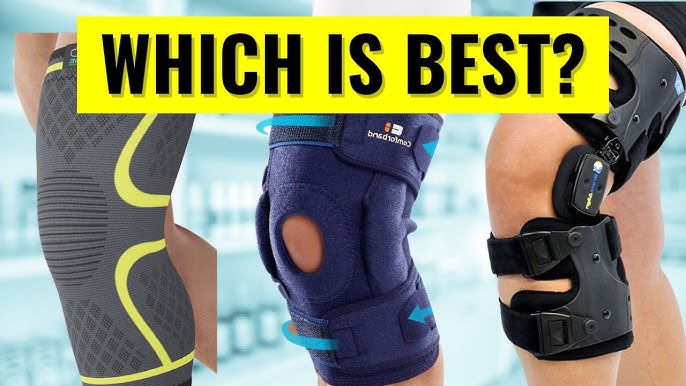
Causes Of Knee Pain
Knee pain affects many people of all ages. Understanding what causes knee pain helps manage and reduce it. Different factors can lead to knee discomfort. Some come from injuries. Others come from long-term conditions or lifestyle habits. Knowing these causes is the first step to finding relief.
Common Knee Injuries
Knee injuries often cause sudden pain. These include sprains, strains, and ligament tears. The anterior cruciate ligament (ACL) is a common injury site. Meniscus tears happen from twisting motions. Falling or direct hits can also damage the knee. Injuries can cause swelling, stiffness, and limited movement.
Arthritis And Knee Pain
Arthritis is a common cause of knee pain in older adults. It happens when the knee joint cartilage wears down. Osteoarthritis is the most common type. It causes pain, stiffness, and swelling. Rheumatoid arthritis is an autoimmune condition that can affect knees. Both types make walking and moving difficult.
Impact Of Inactivity
Not moving enough can worsen knee pain. Muscles around the knee become weak. This lack of strength puts more pressure on the joint. Stiffness increases with less movement. Sitting too long reduces blood flow. This can make pain feel worse and slow healing.
Benefits Of Walking For Knee Health
Walking offers many benefits for knee health. It is a gentle way to keep knees active. Regular walking helps reduce stiffness and pain. Small, consistent movements make a big difference over time.
Using walking pads can make walking easier at home. They allow steady movement without strain. This can support knee recovery and strength. Let’s explore how walking helps the knees in detail.
Improving Joint Mobility
Walking keeps the knee joints moving smoothly. It helps maintain the natural range of motion. Moving joints regularly prevents them from becoming stiff. This reduces pain and discomfort in the knees.
Gentle walking helps lubricate the joints. The natural fluids in the knee spread evenly. This lowers friction during movement. Better mobility means less pain and easier walking.
Strengthening Muscles Around The Knee
Strong muscles protect the knees from injury. Walking works the muscles around the knee. It builds strength in the legs and thighs. Strong muscles help support and stabilize the knee joint.
Walking regularly can reduce knee strain. It helps balance the forces on the knee. Strong muscles take pressure off the knee bones. This lowers the risk of pain and damage.
Enhancing Blood Circulation
Walking improves blood flow to the knees. Good circulation brings oxygen and nutrients to tissues. It helps heal damaged areas faster. Better blood flow also removes waste from the knee joint.
Increased circulation reduces swelling and inflammation. This supports faster recovery from knee pain. Regular walking keeps knee tissues healthy and strong.
What Are Walking Pads?
Walking pads offer a simple way to stay active indoors. They are compact machines designed for walking at a slow to moderate pace. People use them to move more while working or resting. They can help reduce knee pain by promoting gentle exercise without strain.
Design And Features
Walking pads are slim and lightweight. They fit easily under desks or beds. Most models have a flat, narrow belt for walking. They come with speed controls and safety features. Some have remote controls for easy use. The quiet motor allows walking without noise. Many have sensors to stop the belt if you step off.
How Walking Pads Differ From Treadmills
Walking pads are smaller than treadmills. They focus on walking, not running. Treadmills are bulkier and need more space. Walking pads offer slower speeds, ideal for gentle movement. They are easier to store and carry. Treadmills have more features for intense workouts. Walking pads suit casual exercise and knee-friendly motion.
Walking Pads And Knee Pain Relief
Walking pads offer a gentle way to stay active while easing knee pain. They allow controlled movement that does not stress the joints. Using walking pads can help improve knee strength over time. This can reduce pain and improve daily function.
These devices provide a smooth surface to walk on. They reduce the impact on knees compared to hard outdoor surfaces. Walking pads are helpful for people with knee discomfort or arthritis. They create a safe environment for regular low-impact exercise.
Low-impact Exercise Advantages
Walking pads deliver exercise that is easy on the knees. The cushioned belt absorbs shock, protecting knee joints. Low-impact activity helps maintain mobility without causing pain. It supports joint health and reduces stiffness. Regular use can help decrease inflammation in the knees.
Customizable Speed And Duration
Users control how fast and long they walk. This flexibility suits people with different pain levels. Slower speeds reduce strain while still promoting movement. Gradually increasing time builds knee strength safely. Custom settings encourage steady progress without overdoing it.
Supporting Consistent Movement
Consistent walking helps keep knee muscles strong. Strong muscles support and protect the knee joint. Walking pads make it easier to maintain daily exercise habits. They provide a convenient option regardless of weather. Regular activity can prevent knee pain from worsening.
Tips For Using Walking Pads Safely
Using walking pads can help reduce knee pain if used correctly. Safe use lowers injury risk and improves comfort. Follow these tips to get the best results without harm.
Start with small steps and listen to your body. Proper care keeps your knees strong and pain-free.
Proper Footwear And Posture
Wear shoes with good support and cushioning. This protects your knees from extra pressure. Stand straight while walking. Keep your shoulders relaxed and your eyes forward. Avoid leaning too far forward or backward. Good posture helps reduce knee strain and improves balance.
Starting Slow And Monitoring Pain
Begin with short walking sessions at low speed. Increase time and speed gradually. Stop if you feel sharp or lasting pain. Mild discomfort is normal, but pain signals a problem. Track your knee condition daily. Rest when needed to avoid overuse injuries.
When To Consult A Doctor
Seek medical advice if knee pain worsens or lasts more than a few days. Visit a doctor if swelling, redness, or stiffness appears. Professional help ensures proper diagnosis and treatment. Do not ignore persistent knee problems. Early care prevents further damage and supports recovery.

Alternative Exercises For Knee Pain
Finding the right exercise for knee pain is important. Some activities can ease pain without causing harm. Alternative exercises often reduce stress on the knees. These exercises help keep you active and support recovery.
Here are some good options that protect your knees and improve strength.
Swimming And Water Aerobics
Swimming is gentle on the joints. Water supports your body weight. This reduces pressure on the knees. You can move freely without pain. Water aerobics also builds muscle and improves flexibility. It helps maintain fitness without strain.
Cycling Benefits
Cycling is low-impact and easy on knees. It strengthens leg muscles that support your joints. Riding a bike or using a stationary cycle improves mobility. It helps reduce stiffness and pain. Regular cycling also boosts endurance and heart health.
Stretching And Strength Training
Stretching keeps muscles flexible and joints healthy. It reduces tightness around the knee. Strength training builds muscles that protect the knee. Focus on exercises for the thighs and calves. Strong muscles improve knee stability and reduce injury risk.
User Experiences With Walking Pads
User experiences with walking pads offer useful insights into their effect on knee pain. Many people share their journeys, showing both benefits and difficulties. These stories help others decide if walking pads suit their needs.
Success Stories
Several users report less knee pain after using walking pads regularly. They say gentle walking helps strengthen muscles around the knee. This support reduces pressure and eases discomfort. Some mention improved knee mobility and less stiffness. Consistent use often leads to better overall knee health. Users appreciate the low-impact exercise that walking pads provide.
Challenges And Limitations
Not all experiences are positive. Some users find walking pads too small or slow for their pace. Others feel knee pain returns if they walk too long or too fast. People with severe knee problems may not find enough relief. A few mention difficulty using the device due to balance issues. Walking pads work best with proper guidance and realistic goals.
Frequently Asked Questions
Can Walking Pads Reduce Knee Pain Effectively?
Walking pads promote low-impact movement, which eases pressure on knee joints. They help improve circulation and strengthen muscles supporting the knees. Regular use can reduce stiffness and discomfort, making walking pads a helpful tool for managing mild knee pain.
Are Walking Pads Safe For People With Knee Problems?
Yes, walking pads offer a controlled, low-impact exercise option. They provide stable support and adjustable speed settings to suit individual needs. However, consulting a doctor before starting any exercise routine is important for personalized safety advice.
How Often Should I Use A Walking Pad For Knee Relief?
Using a walking pad for 15-30 minutes daily can benefit knee health. Consistent, moderate activity improves joint flexibility and reduces pain over time. Avoid overuse to prevent strain and always listen to your body’s signals.
Do Walking Pads Help Strengthen Knee-supporting Muscles?
Yes, walking pads engage muscles around the knees, such as quadriceps and hamstrings. Strengthening these muscles enhances knee stability and reduces injury risk. Regular walking pad sessions contribute to better overall knee function.
Conclusion
Walking pads offer a gentle way to stay active and ease knee pain. They let you move without harsh impact on your joints. Regular use can improve knee strength and flexibility. Remember to start slow and listen to your body.
Consistency matters more than speed or distance. Always check with a doctor before starting new exercises. Walking pads can be a helpful part of knee pain care. Small steps can lead to big improvements over time.