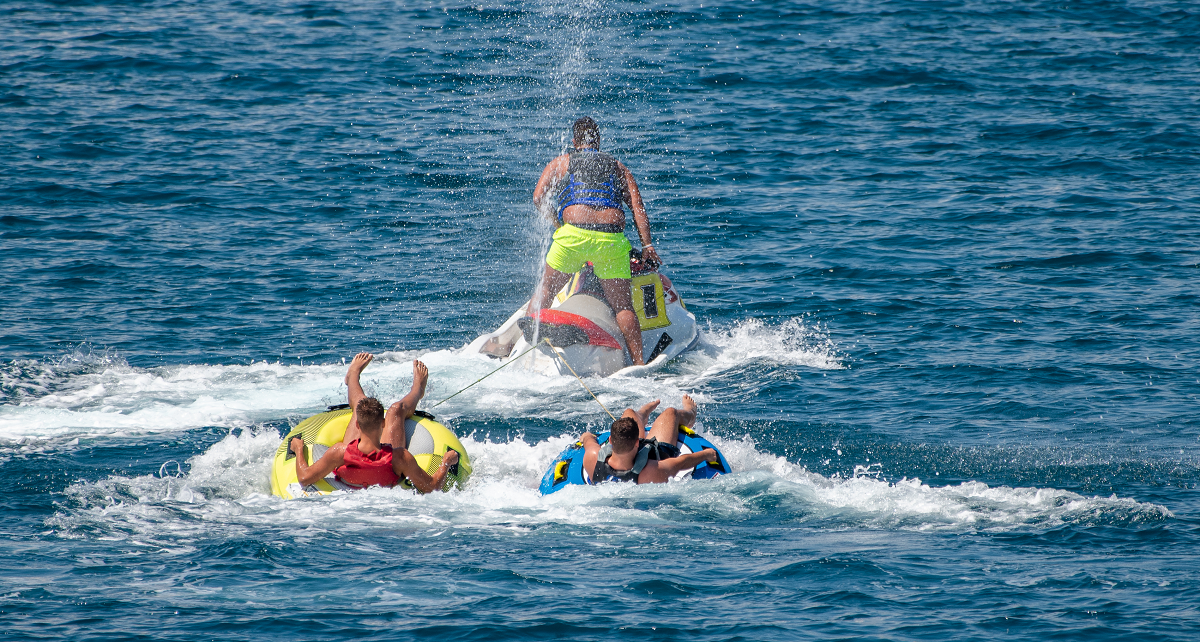
Many water sports lovers enjoy the thrill of tubing—being pulled behind a fast-moving personal watercraft (PWC) like a Sea-Doo. If you own a Sea-Doo, especially one with a ski pylon, you might wonder: Can you tow a tube with a Sea-Doo ski pylon? The answer isn’t as simple as yes or no. There are safety issues, manufacturer guidelines, and practical considerations you need to know before you connect a tube and let the fun begin.
Let’s dive into the details of towing tubes with a Sea-Doo ski pylon, what the experts say, and how to do it safely. This article will help you understand when it’s possible, when it’s not, and the best way to enjoy tubing without damaging your PWC or risking injury.

36% off Today’s Exclusive Deals
Limited-time Exclusive Deals. Check current discount on Amazon.
Check Price on Amazon As an Amazon Associate I earn from qualifying purchases.Understanding The Sea-doo Ski Pylon
A Sea-Doo ski pylon is a vertical post installed on the back of some Sea-Doo models. It’s designed to hold a tow rope above the water, making it easier to tow skiers and wakeboarders. Most pylons can be extended or lowered as needed, and they usually come with a tow eye (a ring or hook for attaching the rope).
Why Use A Ski Pylon?
- Keeps the tow rope higher above water, reducing spray and rope drag.
- Helps with smoother starts for skiers or wakeboarders.
- Reduces the risk of the rope getting caught in the jet pump.
Weight And Force Limits
Every ski pylon has a weight and force limit. Sea-Doo typically designs them for a single skier or wakeboarder, not for pulling a tube with one or more riders. The forces involved with tubing are much higher. Tubes can swing side-to-side, creating sudden jerks and strong lateral pulls on the pylon.
Manufacturer Guidelines
Sea-Doo’s official owner’s manuals and product guides usually include a clear warning: Do not tow tubes or inflatables from the ski pylon. The main reason is safety and equipment durability. If you ignore this, you risk damaging the pylon or even causing it to break off, which could lead to injury.
Can You Tow A Tube With A Sea-doo Ski Pylon?
You might see videos or pictures online of people pulling tubes with their Sea-Doos, sometimes even using the ski pylon. However, just because you can, doesn’t mean you should. Here’s what you need to consider.
What Happens If You Tow A Tube From The Pylon?
The main danger is overloading the ski pylon. Tubes create much more drag and side-to-side force than a single skier. If the pylon fails, it can snap off, damage your Sea-Doo, or whip back towards the riders or the PWC operator.
There’s also a risk of voiding your warranty. If your pylon breaks while towing a tube, Sea-Doo is unlikely to cover the damage because you didn’t follow the guidelines.
Comparison: Ski Pylon Vs. Tow Hook
Let’s compare the two main towing points on a Sea-Doo: the ski pylon and the rear tow hook.
| Feature | Ski Pylon | Rear Tow Hook |
|---|---|---|
| Designed for | Waterskiing/Wakeboarding | Tubing/General Towing |
| Force Limit | Lower | Higher |
| Rope Height | High (above deck) | Low (near water line) |
| Warranty Impact | Voided if misused | Generally safe if used correctly |
Key takeaway: The rear tow hook is almost always the safe and recommended option for towing tubes.
Why Tubing Puts Extra Stress On A Sea-doo Ski Pylon
Pulling a tube is very different from pulling a skier. Tubes have more surface area in the water, and riders often shift their weight, causing rapid side-to-side movement.
Forces At Play
- Lateral force: When the tube swings wide, the force on the pylon multiplies.
- Sudden jerks: If the tube hits a wave or the rider shifts, the load can spike instantly.
- Constant drag: Tubes are heavier to pull, putting steady pressure on the pylon.
Example: Real-world Load Comparison
Let’s look at a rough estimate of the forces involved.
| Activity | Average Pull Force (lbs) | Peak Force (lbs) |
|---|---|---|
| Single Skier | 100–200 | 300–350 |
| Single Tube Rider | 200–400 | 800+ |
| Two Tube Riders | 300–600 | 1,200+ |
The numbers show why manufacturers warn against towing tubes from a ski pylon.
Manufacturer Policies And Safety Warnings
Sea-doo’s Official Position
Sea-Doo states clearly in their documentation: Tow tubes only from the rear tow hook, not the ski pylon. This advice appears in most recent owner’s manuals. For example, the 2023 Sea-Doo GTI manual says, “The ski pylon is designed for water-skiing or wakeboarding. Do not use for towing inflatable tubes or other devices.”
What Happens If You Ignore The Rules?
- Pylon damage: You could bend or break the pylon.
- Structural damage: The mounting points inside the PWC could be damaged, which is expensive to fix.
- Injury: A failed pylon could hit someone.
- No warranty: Most warranties won’t cover misuse.
Insider tip: Even if you see “it worked for me” stories on forums, you’re risking more than you might realize.

The Right Way To Tow A Tube With A Sea-doo
If you want to tow a tube safely, use the rear tow hook. Nearly all Sea-Doo models (even those with a ski pylon) also have a tow hook at the back, near the waterline. This point is designed to handle the higher loads from tubes.
Steps To Tow A Tube Safely
- Check your owner’s manual. Make sure your model is rated for towing.
- Inspect the tow hook and hardware. Tighten if needed.
- Use a tow rope rated for tubing. These are usually thicker and have a higher breaking strength.
- Attach the rope to the tow hook, not the ski pylon.
- Load the tube with the right number of riders. Never exceed the tube’s rating.
- Start slow. Gradually increase speed until the tube is on plane.
- Monitor the riders. Always have a spotter facing backward.
- Check local laws. Some areas require a spotter or special flags when towing.
Example: Proper Tow Rope Selection
Not all ropes are created equal. Here’s a quick comparison.
| Rope Type | Breaking Strength | Recommended Use |
|---|---|---|
| Ski Rope | 1,500 lbs | Single skier |
| Tubing Rope | 2,375–4,100 lbs | 1–4 tube riders |
| Wakeboard Rope | 2,000 lbs | Wakeboarding |
Tip: Always use a rope designed for tubing. It’s thicker, floats, and handles the higher forces.
Common Mistakes When Towing Tubes With A Sea-doo
Even experienced Sea-Doo owners sometimes make mistakes when towing tubes. Avoid these to keep everyone safe and protect your PWC.
1. Using The Ski Pylon For Tubing
As discussed, this risks equipment failure and injury.
2. Overloading The Tube
Exceeding the manufacturer’s limit for riders increases drag and stress on the tow point.
3. Using The Wrong Rope
A thin or weak rope can snap under load, which is dangerous for everyone nearby.
4. Starting Too Fast
Hard acceleration can jerk the tube, tossing riders or damaging the tow point.
5. Not Using A Spotter
The driver can’t watch riders and steer safely at the same time. A spotter is essential.
6. Ignoring Local Boating Laws
Rules may require extra safety gear, speed limits, or special signals when towing.
Safety Tips For Tubing Behind A Sea-doo
You can have a lot of fun tubing behind a Sea-Doo if you follow some basic safety guidelines.
Personal Safety
- Life jackets: Every rider must wear a Coast Guard-approved life jacket.
- Spotter: Always have a second person watching the tube.
- Hand signals: Agree on basic signals like stop, slow down, or return to dock.
Equipment Safety
- Inspect all gear: Check the tow point, rope, and tube before use.
- Replace worn items: Ropes and tow hooks can develop weak spots over time.
- Keep rope clear of the jet intake: If the rope is sucked in, it can cause major engine damage.
Riding Tips
- Stay clear of obstacles: Give plenty of room from docks, other boats, and swimmers.
- Mind the speed: Most tubes are rated for about 20 mph. Faster speeds increase risk.
- Turn gradually: Sharp turns can flip the tube or throw riders.
Expert insight: Tubing is more dangerous than many people think. According to the U.S. Coast Guard, tubing accidents are a leading cause of water sports injuries.
What If Your Sea-doo Doesn’t Have A Tow Hook?
Some older or smaller Sea-Doo models might not have a dedicated tow hook. In this case, you have a few options:
- Add an aftermarket tow hook: Many brands sell kits that can be bolted on.
- Use a bridle: A tow bridle connects to two points on the rear of the PWC and has a floating pulley to balance the load.
- Don’t use the pylon or handrails: Never connect tubes to handrails, lifting eyes, or the ski pylon.
Before installing anything, check your model’s compatibility and never drill or modify critical parts without expert advice.
Tubing With Multiple Riders: Added Risks
Towing one rider is less stressful on your Sea-Doo than towing two or more. Each extra person increases the force on the tow point.
Risks With Multiple Tube Riders
- More drag: Each person adds weight and surface area.
- Harder to control: The tube can swing more wildly.
- Greater injury risk: Falls are more severe at higher loads.
Tip: Always check the tube’s rating and your Sea-Doo’s towing capacity before adding extra riders.
Insurance And Liability Concerns
If you tow a tube from the ski pylon and there’s an accident, your insurance might not cover damages or injuries. Most policies require you to follow the manufacturer’s guidelines for safe operation.
- Read your insurance policy to see what’s covered.
- Document your setup with photos if you make modifications.
- Follow all safety rules to avoid being found at fault in an accident.
When (if Ever) Can You Use The Ski Pylon For Tubing?
There are rare cases where the ski pylon might be used for very small, light inflatables (like a single small child’s tube at low speed), but it’s still not recommended. Even then, you’re taking a risk.
Some users have modified their pylons or added reinforcement, but this voids the warranty and can create new safety issues. If you must try, check with a certified Sea-Doo dealer first.
Bottom line: The ski pylon is for skiing and wakeboarding—not for tubing.
Comparing Sea-doo With Other Pwcs For Tubing
You might wonder if other brands like Yamaha or Kawasaki allow tubing from their pylons. Most brands have similar warnings.
- Yamaha: Also recommends using the tow hook for tubes.
- Kawasaki: States the tow pylon is for skiing only.
Always check your owner’s manual for specific instructions.
Alternatives For A Better Tubing Experience
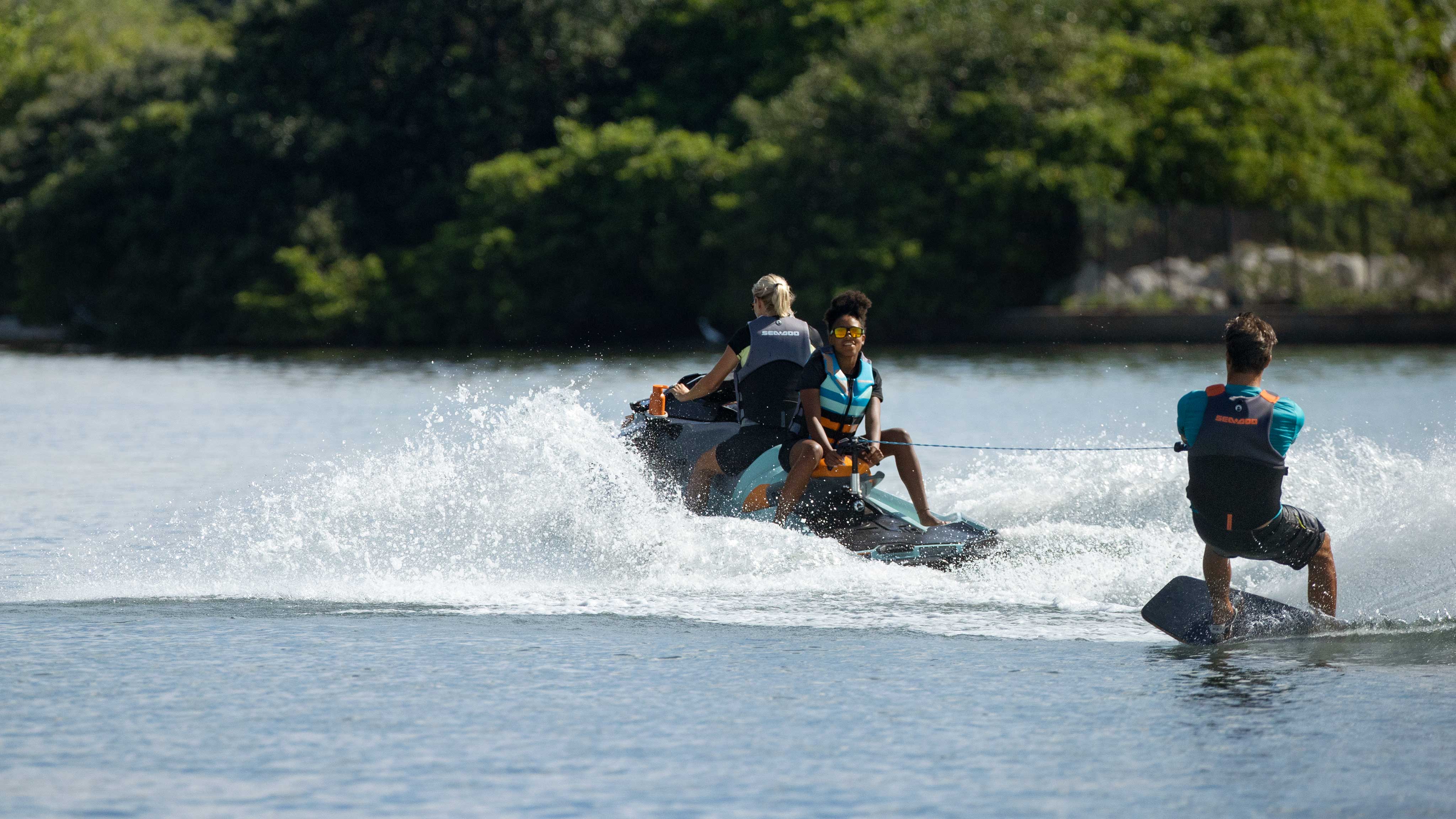
If you want to tube behind a PWC, there are ways to improve the experience:
- Buy a floating tow harness: This keeps the rope clear of the water and away from the jet intake.
- Use a booster ball: A booster ball acts as a mini-buoy to keep the rope above the wake, reducing drag and spray.
- Get a heavy-duty tow rope: Designed for the higher forces of tubing.
These accessories can make towing safer and more enjoyable. For more information on water sports safety and equipment, check out the U.S. Coast Guard Boating Safety site.
Frequently Asked Questions
Can I Tow A Tube With A Sea-doo Ski Pylon If The Tube Is Small And Light?
No. Even small tubes can create forces that exceed the ski pylon’s safe limit. The risk isn’t worth it, and you could damage your Sea-Doo or hurt someone.
What Is The Best Way To Tow A Tube Behind A Sea-doo?
Always use the rear tow hook with a rope rated for tubing. Never tow from the ski pylon, handrails, or any other part not designed for towing.
Will Using The Ski Pylon For Tubing Void My Warranty?
Yes. Sea-Doo’s warranty does not cover damage from towing tubes or inflatables from the ski pylon. Always follow the manufacturer’s instructions.
How Many People Can I Tow On A Tube With My Sea-doo?
Check both your Sea-Doo’s towing capacity and the tube manufacturer’s rating. Most Sea-Doos can tow one or two riders safely when using the rear tow hook. Never exceed these limits.
Do I Need Special Insurance For Towing Tubes With My Sea-doo?
Some insurance policies require you to follow all safety guidelines and may have exclusions for water sports. Check with your insurance provider and always comply with manufacturer recommendations.
Tubing behind a Sea-Doo is exciting and fun, but only if you do it the right way. Never use the ski pylon to tow a tube—it’s not designed for that job. Use the rear tow hook, pick the right equipment, and follow all safety rules. With the right setup and a little care, you’ll enjoy many safe and memorable days on the water.