

Can You Tow Tubes From A Wakeboard Tower?
When warm weather arrives, many boat owners look for new ways to have fun on the water. One popular question is: Can you tow tubes from a wakeboard tower? It seems simple—attach the tube’s rope to the tower and go. But there’s more to consider. Towing tubes from a wakeboard tower can be risky, and many people don’t realize the potential problems until it’s too late. In this article, you’ll learn the facts about wakeboard towers, the science behind towing, safety concerns, and smart alternatives. If you want to keep your friends, family, and boat safe, keep reading.
What Is A Wakeboard Tower?
A wakeboard tower is a strong frame mounted to the sides of a boat. Its main purpose is to elevate the tow point for wakeboarding. By raising the rope above the water, riders can get more air and perform tricks more easily. Most towers are made from aluminum or stainless steel and are designed to handle the pulling force of a single wakeboarder.

36% off Today’s Exclusive Deals
Limited-time Exclusive Deals. Check current discount on Amazon.
Check Price on Amazon As an Amazon Associate I earn from qualifying purchases.Wakeboard towers are not all the same. Some are part of the boat’s original design, while others are added later (aftermarket). Towers usually include mounts for speakers, lights, and board racks. Most importantly, they change how the boat handles towing sports.
The Physics Of Towing: Wakeboarding Vs. Tubing
To understand if you can tow tubes from a wakeboard tower, you need to know how forces work during different water sports.
Towing A Wakeboarder
When pulling a wakeboarder, the force is usually:
- Lower (compared to tubes)
- More consistent, because the rider is on top of the water
- Directional, as the wakeboarder carves from side to side
The wakeboard tower is designed to handle these forces. The boat’s structure spreads the pull evenly, reducing stress on any single part.
Towing A Tube
Tubes are different:
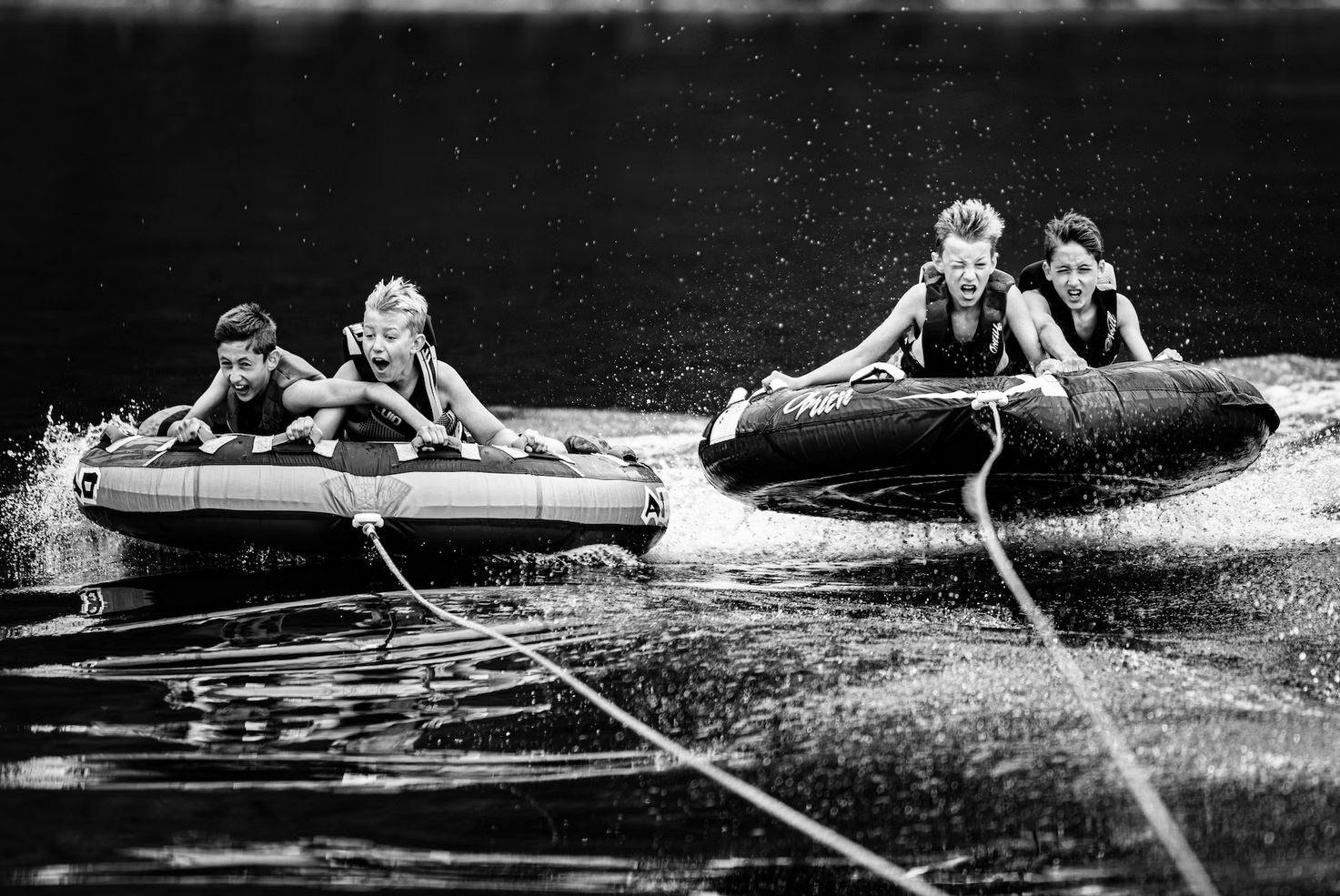
- Multiple riders: Tubes often carry two, three, or even four people.
- Sudden jerks: Tubes can bounce, whip, or slide across the water, causing big, unpredictable forces.
- More drag: Tubes create a lot more resistance than a single wakeboarder.
When a tube swings outside the boat’s wake, the force on the rope and the tower can spike to levels the tower was never built to handle.
Example: Force Comparison
A typical wakeboarder (150 lbs) might create a pulling force of 300-600 lbs. A two-person tube (300 lbs total) can create over 1,500 lbs of force during a hard whip or bounce. That’s more than double, and sometimes triple, what the tower is designed for.
Manufacturer Recommendations And Warnings
Most boat and tower manufacturers warn against towing tubes from the wakeboard tower. Here’s why:
- Structural limits: Towers are built for wakeboarding and sometimes waterskiing, not for the heavy, sudden loads of tubes.
- Warranty issues: Using the tower for tubing can void your warranty, leaving you with expensive repairs.
- Safety risks: Towers have collapsed, and bolts have ripped out, causing accidents and injuries.
Many owner’s manuals say clearly: “Do not tow inflatables from this tower.” If you ignore these warnings, you’re responsible for any damage or injury.
What Can Go Wrong? Real-world Risks
Towing tubes from a wakeboard tower can cause serious problems. Here are common issues:
- Tower damage: The tower can bend, crack, or break off the boat.
- Hull damage: The area where the tower is attached can split or crack, sometimes below the waterline.
- Falling hardware: Speakers, lights, and racks mounted to the tower can fall off if the tower fails.
- Injury: Riders, passengers, or people nearby can get hurt if the tower breaks or the rope snaps.
Stories From Boat Owners
Many boat owners have shared their experiences online. Common themes include:
- A tower mount tearing out of the fiberglass, requiring thousands of dollars in repairs.
- Passengers narrowly missing injury when a tower collapsed after towing a three-person tube.
- Insurance claims denied because the damage happened during tubing, which was not covered.
These stories are not rare. Even if a tower looks strong, it may not survive the forces of tubing.
Differences Between Tow Points
It helps to compare the three main tow points on a boat:
| Tow Point | Designed For | Strength | Best Use |
|---|---|---|---|
| Wakeboard Tower | Wakeboarding, wakeskating | Medium | Elevated tow for tricks |
| Ski Pylon | Waterskiing, kneeboarding | High | Strong and low, for pulling |
| Stern (transom) eye | Tubing, general towing | Very high | Best for heavy loads |
Key insight: The stern eye or transom hook is the strongest point. It’s bolted directly to the boat’s frame, designed to handle the huge forces of towing tubes and even pulling the boat onto a trailer.
Why Tubes Create So Much Force
Many people underestimate the power needed to pull a tube. Here’s why tubes create intense loads:
- Surface area: Tubes have a large, flat bottom that drags across the water.
- Weight: Multiple riders add to the total weight.
- Whipping: When the boat turns, the tube slingshots out, increasing speed and force.
- Sudden stops: If a tube hits a wave and slows down suddenly, the rope yanks hard on the tow point.
How Much Force?
Let’s compare the force generated by different tow sports:
| Activity | Average Force (lbs) | Peak Force (lbs) |
|---|---|---|
| Wakeboarding (1 rider) | 300-600 | 800 |
| Waterskiing (1 rider) | 400-700 | 900 |
| Tubing (2 riders) | 800-1,200 | 1,500-2,000 |
| Tubing (3+ riders, whip) | 1,200+ | 2,500+ |
Even the best towers are rarely rated above 1,200 lbs. Most are much lower, especially aftermarket models.

Insurance And Warranty: What You Risk
Boat insurance and manufacturer warranties are there to protect you, but only if you follow the rules. Here’s how towing tubes from a wakeboard tower can put you at risk:
- Claim denial: If your tower, boat, or even engine is damaged during tubing from the tower, your insurance company can deny the claim.
- Voided warranty: Many towers and boats lose all warranty coverage if used for tubing.
- Personal liability: If someone gets hurt, you could be held responsible for medical bills and damages.
Before you tow a tube from your tower, check your owner’s manual and your insurance policy. Most make it clear: No tubing from the tower.
What The Experts Say
Industry experts and boat safety organizations are clear on this topic. For example, the National Marine Manufacturers Association (NMMA) and the Water Sports Industry Association (WSIA) both recommend using only the stern tow point for tubes. They explain that wakeboard towers are designed for consistent, lower-force activities like wakeboarding—not for the unpredictable, high-force loads of tubing.
To see more about these recommendations, visit the WSIA Safety Page.
Common Myths And Misconceptions
Some boaters believe that if their tower “looks strong” or is made of thick metal, it can handle anything. This is not true. Here are some common myths:
- “My tower has never failed.” Many towers survive for a while, but all it takes is one bad bounce or a big wave to cause disaster.
- “My boat dealer said it’s okay.” Some dealers give bad advice. Always check the manual and manufacturer, not just the salesperson.
- “I only tow small kids.” Even a single child on a tube can create large forces if the tube whips or bounces.
- “I use a special rope.” Stronger ropes don’t reduce the force on the tower; they just make it less likely for the rope to break first.
Smart Alternatives For Towing Tubes
If you want to tow tubes safely, use the right equipment:
Use The Stern Tow Eye
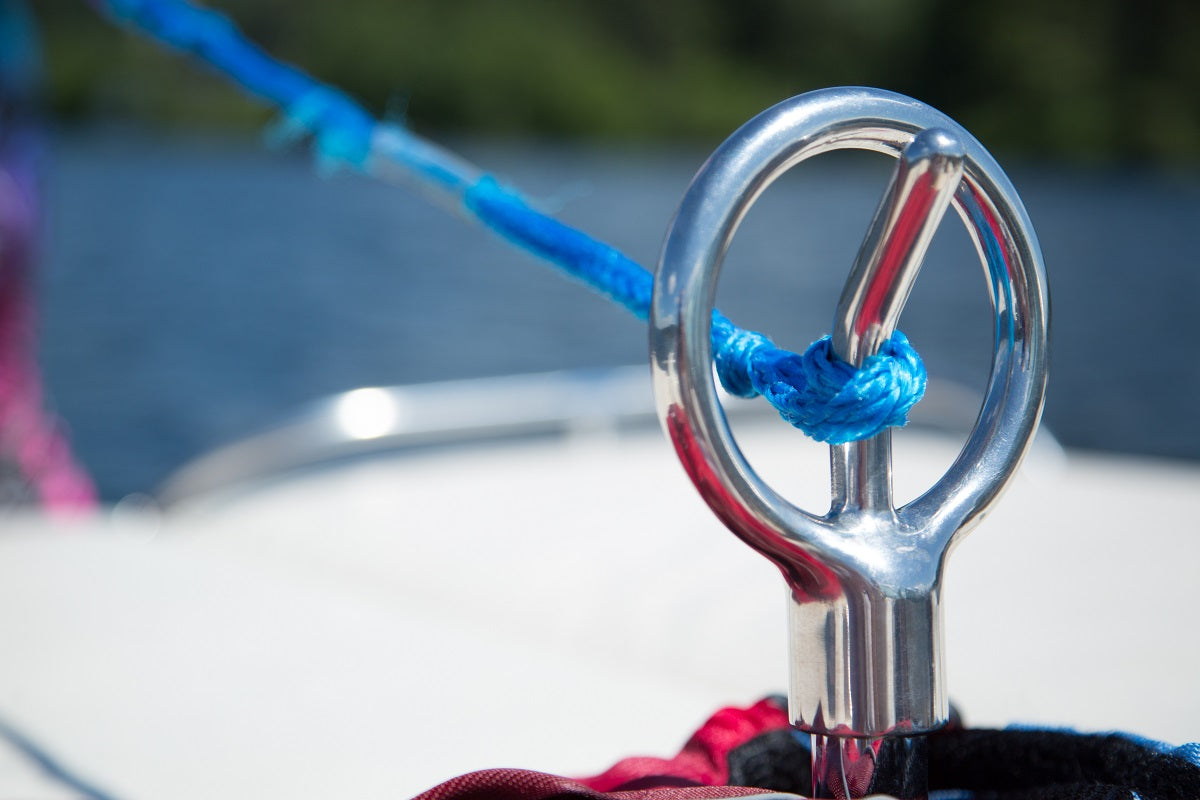
The stern tow eye is the metal ring or hook at the back of the boat. It’s designed for heavy loads. Always attach your tube rope here.
Y-harness Or Tow Bridle
On boats with two outboard motors or without a center tow eye, a Y-harness or tow bridle can help. It splits the force between two mounting points, reducing stress.
Tube-specific Tow Points
Some newer boats have a dedicated tube tow point. These are even stronger than the wakeboard tower and are tested for high loads.
Tower Upgrade (rare)
A few specialty towers are rated for tubing, but they are rare and expensive. Always check the exact rating and the boat’s structural limits.
Example: Proper Setup
You have a family boat with a wakeboard tower and a stern tow eye. For wakeboarding, use the tower. For tubing, use the stern tow eye with a strong, floating rope. If your boat lacks a stern eye, install one—never improvise with handles or cleats.
How To Tow Tubes Safely
Safe tubing is about more than just the tow point. Here are important steps to follow:
- Check all gear: Make sure the tow rope, tube, and connection points are rated for the number of riders and their weight.
- Limit riders: Never exceed the tube’s maximum rider count or weight.
- Keep a spotter: Always have someone watch the riders, so the driver can focus on the boat.
- Start slow: Accelerate gently to avoid sudden jerks.
- Drive safely: Avoid sharp turns, crowded areas, and big waves.
- Inspect the tow point: Before and after each session, check for cracks, loose bolts, or damage.
Non-obvious insight: Many accidents happen when a tired driver makes “one last run.” Fatigue reduces reaction time and increases the risk of mistakes.
Comparing Wakeboard Towers And Stern Tow Eyes
Let’s break down the main differences between wakeboard towers and stern tow eyes for towing tubes:
| Feature | Wakeboard Tower | Stern Tow Eye |
|---|---|---|
| Designed for Tubing? | No | Yes |
| Handles Multiple Riders? | No | Yes |
| Warranty Covers Tubing? | No | Yes |
| Risk of Damage | High | Low |
| Easy to Replace? | No (expensive) | Yes (cheap) |
What To Do If Your Tower Is Damaged
If you’ve already towed tubes from your wakeboard tower and notice damage, act quickly:
- Stop using the tower immediately.
- Inspect for cracks, loose bolts, or bent metal.
- Check the hull near the tower mounts for stress cracks.
- Get a professional inspection. Many boat shops can check the structure and recommend repairs.
- Document everything for insurance, even if you’re not sure it’s covered.
If the damage is minor, you might be able to repair it. If the mounts are ripped out or the hull is cracked, repairs can cost thousands. Never try to fix serious damage yourself.
Upgrading Or Modifying Towers For Tubing
Some people wonder if they can reinforce their wakeboard tower or buy a stronger one for tubing. This is rarely a good idea.
- Custom modifications can void all warranties and may not be safe.
- Stronger towers are expensive and may still not match the strength of the hull mounts.
- Most boat hulls are not designed for tubing forces at the tower location.
If you really want to tow tubes from a higher point, consult with a marine engineer. But for most boaters, it’s better to use the stern tow eye.
What Beginners Often Miss
Many beginners focus only on the tower itself, not the mounting points or the boat’s internal structure. The bolts and backing plates holding the tower are often not much bigger than the ones used for simple accessories. When the force of a tube is applied, these can pull through the fiberglass, leading to serious hull damage.
Another common mistake: assuming that “it worked last time, so it’s safe.” Damage is often hidden at first, only appearing after several uses—or after the warranty period ends.
Legal And Safety Considerations
In some states and countries, using the wrong tow point (like a wakeboard tower for tubing) can be considered negligence if there’s an accident. If you’re ever in a legal situation, using the manufacturer-recommended tow point is always safer.
Safety tip: Always use a brightly colored, floating tow rope designed for tubing. Never use a wakeboard rope—it’s thinner and not made for the forces of tubing.
Frequently Asked Questions
Can You Tow Small Tubes Or Only Single Riders From A Wakeboard Tower?
Most manufacturers recommend not towing any tube—even single-rider tubes—from a wakeboard tower. The risk comes from sudden jerks and unpredictable forces, not just the weight. Even a small tube can create enough force to damage the tower or boat.
Why Do Some Towers Have A Warning Sticker About Tubing?
Manufacturers add warning stickers because they know the risks. These stickers are a legal warning. If you ignore them and have an accident, you may be responsible for injuries or damage, and your warranty may be voided.
Is It Safe To Tow A Tube Slowly From The Tower?
Towing slowly can reduce the risk, but it doesn’t eliminate it. Even at slow speeds, a tube can whip or bounce, creating sudden high forces. For real safety, always use the stern tow eye or a rated tow bridle.
What Should I Do If My Boat Has No Stern Tow Eye?
If your boat does not have a stern tow eye, you can install one or use a Y-harness attached to two strong transom points (like the tie-down hooks). Never attach a tube rope to cleats, rails, or handles—they are not designed for high loads.
Will Insurance Cover Damage If I Was Towing A Tube From The Tower?
In most cases, insurance will not cover damage if you were using the tower for tubing, especially if it goes against the manufacturer’s recommendations. Always check your policy and follow the boat manual to avoid denied claims.
Towing tubes from a wakeboard tower may seem convenient, but the risks far outweigh the benefits. For the safety of your boat, your passengers, and your wallet, always use the right tow point for the job. Enjoy tubing—but do it the smart, safe way.

