

A Craftsman pressure washer is a powerful tool for cleaning driveways, decks, cars, and many other surfaces. But like any machine, it can run into problems. If your pressure washer isn’t working as expected, you might feel frustrated or even worried about repairs.
The good news is, most issues are common and can be solved at home with simple troubleshooting steps. This guide will walk you through everything you need to know, from basic checks to advanced fixes, so you can get your Craftsman pressure washer running smoothly again.

36% off Today’s Exclusive Deals
Limited-time Exclusive Deals. Check current discount on Amazon.
Check Price on Amazon As an Amazon Associate I earn from qualifying purchases.Understanding Your Craftsman Pressure Washer
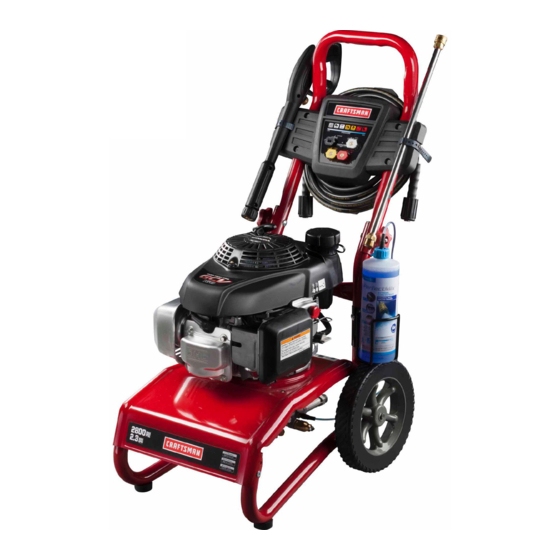
Before jumping into troubleshooting, it’s helpful to know the basics of how your pressure washer works. Most Craftsman models use either gas engines or electric motors to power a pump. This pump pushes water at high pressure through a hose and nozzle. The main parts are:
- Engine or motor
- Pump
- Hose
- Spray gun and nozzle
- Detergent tank (optional)
Knowing these parts can help you identify where a problem starts. For example, if water isn’t coming out, it could be a hose issue, not a motor problem.
Common Problems And Quick Fixes
Craftsman pressure washers often have similar issues. Here are some of the most frequent problems, along with quick checks to do first:
- No water flow: Make sure the water supply is on, the hose is connected, and there are no kinks.
- Low pressure: Check for clogged nozzles or filters.
- Engine won’t start: Look at fuel, spark plug, and oil levels.
- Leaks: Inspect hoses, fittings, and pump seals.
- Pump noises: Listen for grinding or whining sounds—these can signal air in the system or a failing pump.
Most problems have simple solutions, but if your quick checks don’t help, keep reading for deeper troubleshooting.
Diagnosing Water Flow Issues
Water Supply Problems
If your pressure washer isn’t spraying water, first check the water supply. Sometimes, the outdoor faucet isn’t fully open, or the garden hose has a kink. Also, make sure the inlet filter is clean. If your washer uses a well, low pressure can cause problems.
Hose And Connection Checks
Inspect the hose for blockages and leaks. Even small holes can cause low pressure or no water flow. Look at the hose connections to ensure they are tight and not cross-threaded.
Nozzle Blockages
A clogged nozzle is a common cause of poor water flow. Remove the nozzle and clean it with a pin or toothpick. Never use a metal object, as it can damage the nozzle.
Pump Problems
If water flow is still weak, the pump may be the issue. Listen for unusual noises. Sometimes, air gets trapped in the pump, especially if you run it without water. To fix this, turn off the washer, disconnect the hose, and let water run through the pump for a few minutes.
Solving Pressure Problems
Low pressure is a frequent complaint. Here’s how to get your Craftsman pressure washer working at full force:
Cleaning The Nozzle
Remove the nozzle and soak it in vinegar or a nozzle cleaning solution. Rinse thoroughly and reinstall.
Inspecting The Unloader Valve
The unloader valve controls water flow and pressure. If it’s stuck or worn, pressure drops. Clean or replace the valve as needed.
Checking Water Temperature
Pressure washers work best with cold water. Hot water can damage seals and reduce pressure. Always use cold tap water unless your washer is rated for hot water.
Water Supply Rate
Pressure washers need a minimum water flow—usually 2. 5 gallons per minute. If your supply is less, pressure drops. Test your faucet by filling a bucket for one minute and measuring the amount.
Engine And Motor Troubleshooting
Gas Engine Issues
Gas-powered Craftsman pressure washers have unique problems. Here’s what to check:
- Fuel level: Use fresh gasoline. Old fuel can clog the carburetor.
- Spark plug: Remove and inspect. Clean or replace if dirty.
- Oil level: Low oil can prevent starting. Add oil if needed.
- Choke setting: For cold starts, set the choke to “on.”
- Air filter: Clean or replace a dirty filter.
Electric Motor Problems
If your electric washer won’t start, check the following:
- Power outlet: Test with another device to make sure it works.
- Extension cord: Use a heavy-duty cord; thin cords reduce power.
- Reset button: Many models have a reset switch on the motor.
Leak Detection And Repair
Leaks waste water and reduce pressure. Here’s how to spot and fix them:
Hose And Connection Leaks
Look for water dripping from hoses or fittings. Tighten connections or replace washers. If hoses are cracked, replace them.
Pump Seals
Leaking pumps often have worn seals. Seals are inexpensive and can be replaced with basic tools. Consult your Craftsman manual for seal locations.
Spray Gun And Wand
If water leaks from the gun or wand, check O-rings and replace if needed.
Cleaning And Maintenance Tips
Regular maintenance prevents many problems. Here are some tips:
- Flush the pump after every use with clean water.
- Store hoses coiled and out of sunlight.
- Clean nozzles monthly to prevent buildup.
- Replace oil in gas engines every season.
- Inspect seals and O-rings before each use.
A well-maintained Craftsman pressure washer lasts longer and performs better.
Pump Troubleshooting And Replacement
The pump is the heart of your pressure washer. If it fails, your washer won’t produce pressure. Here’s how to diagnose pump issues:
Signs Of Pump Failure
- No pressure even after cleaning nozzles
- Water leaks from pump housing
- Strange noises (grinding or whining)
Comparing Pump Types
Craftsman pressure washers use different pumps. Here’s a comparison:
| Pump Type | Durability | Maintenance Needs | Common Problems |
|---|---|---|---|
| Axial Cam | Moderate | Low | Seal leaks |
| Triplex | High | Medium | Piston wear |
| Wobble Plate | Low | Low | Pressure loss |
If your pump is damaged, you can often replace it rather than buy a new washer. Check your model number and match the pump type.
Electrical Troubleshooting For Electric Models
Electric Craftsman pressure washers are easier to maintain but still run into issues. Here are key steps:
Power Supply
Always use a GFCI outlet. If your washer trips the breaker, unplug other devices from the circuit. Avoid using long extension cords.
Motor Overheating
Motors can overheat if used continuously. Let your washer rest after 20–30 minutes of use. If the motor shuts off, wait until it cools and try again.
Switch And Wiring
If the washer doesn’t turn on, check the on/off switch and wiring. Loose wires can cause intermittent power loss. Tighten or replace as needed.
Unusual Noises And Vibrations
Strange noises usually mean something is wrong. Here’s what to look for:
- Grinding: Indicates pump damage or lack of oil.
- Whining: Could mean air in the system—bleed the pump.
- Knocking: Loose parts or mounting bolts.
If noises persist after basic checks, consult a technician.
Spray Pattern And Nozzle Selection
Choosing the right nozzle affects cleaning power. Craftsman washers usually come with several nozzles:
| Nozzle Color | Spray Angle | Best Use |
|---|---|---|
| Red | 0° | Stubborn stains |
| Yellow | 15° | Paint stripping |
| Green | 25° | General cleaning |
| White | 40° | Delicate surfaces |
| Black | Soap | Detergent application |
Using the wrong nozzle can cause low pressure or even damage surfaces. Always start with a wider spray and move to narrow if needed.
Detergent And Soap Troubleshooting
Many Craftsman models have a detergent tank. If soap isn’t coming out, try these steps:
- Check if the soap nozzle (usually black) is attached.
- Make sure the detergent tank is full.
- Clean the siphon tube—blockages are common.
- Use only recommended detergents; thick soaps can clog the system.

Safety Precautions And Best Practices
Pressure washers can be dangerous if used incorrectly. Here are important safety tips:
- Wear eye protection and gloves.
- Never point the spray gun at people or pets.
- Keep children away from the work area.
- Don’t use the washer on ladders—high pressure can knock you off balance.
- Never run the pump without water—this damages seals.
Advanced Troubleshooting: Error Codes And Technical Issues
Some Craftsman electric models show error codes on their display. Here’s a quick guide:
| Error Code | Meaning | Action |
|---|---|---|
| E01 | Low voltage | Check outlet |
| E02 | Overheating | Let motor cool |
| E03 | Water supply issue | Check hose |
| E04 | Pump error | Inspect pump |
If your model displays a code not listed here, check your manual or visit the official Craftsman website.
When To Seek Professional Help
Sometimes, DIY fixes aren’t enough. Here’s when to call a technician:
- Pump or engine makes persistent noises
- Water leaks from inside the machine
- Repeated electrical failures
- Error codes that won’t clear
Craftsman has authorized service centers across the US. Repairs are usually faster and cheaper than buying a new unit.
Proven Tips For Long-term Reliability
To keep your Craftsman pressure washer running for years:
- Use only recommended detergents and oils.
- Store indoors during winter—freezing damages pumps.
- Flush the system after each use.
- Inspect hoses and seals regularly.
- Run the engine or motor monthly, even in off-season.
Most beginners forget to flush the pump or check oil, which causes early failures.
Craftsman Pressure Washer Troubleshooting: Real-world Example
Let’s look at a real scenario. Mark, a homeowner, found his Craftsman washer wouldn’t start after winter storage. He checked fuel, spark plug, and air filter—all were good. The washer still wouldn’t run. He discovered the carburetor had gummed up from old gas. After cleaning the carburetor, the engine started right away.
Another example: Susan noticed low pressure despite cleaning the nozzle. She tested her faucet and found it supplied only 2 gallons per minute. After switching to a different outdoor tap, the washer worked at full pressure.
Frequently Asked Questions
Why Does My Craftsman Pressure Washer Lose Pressure After A Few Minutes?
Most often, this is caused by a clogged nozzle, a blocked filter, or low water supply. Check these first. If the problem continues, the unloader valve or pump seals may need attention.
Can I Use Hot Water In My Craftsman Pressure Washer?
You should only use cold water unless your model is specifically rated for hot water. Using hot water in a regular pressure washer can damage seals and void the warranty.
What Should I Do If The Engine Won’t Start?
Start by checking fuel, spark plug, air filter, and oil level. If these are fine, inspect the carburetor for clogs and make sure the choke is set correctly. For electric models, check power supply and reset switches.
How Often Should I Change Oil In My Gas Craftsman Pressure Washer?
Change the oil every season or after every 50 hours of use. Always use the oil type recommended in your manual.
Where Can I Find Official Craftsman Parts And Service?
Official parts and service centers are listed on the Craftsman website. For more details, visit Craftsman Official Site.

Final Thoughts
Troubleshooting a Craftsman pressure washer doesn’t have to be complicated. Most issues are caused by simple things like clogs, leaks, or low water supply. With regular maintenance and careful checks, you can solve most problems yourself. Remember to use the right nozzle, keep parts clean, and follow safety practices.
If you run into persistent issues, don’t hesitate to seek professional help. Your Craftsman pressure washer is built to last—keep it in top shape and it will reward you with years of reliable cleaning.

