

Baseball uses a smaller ball, overhand pitching, longer base paths; softball uses a larger ball and underhand pitching.
If you’ve ever asked “What is the difference between baseball and softball?” this article gives clear, expert answers. I’ve coached and played both sports, taught skills to youth players, and studied the rulebooks, so I’ll walk you through the key differences in equipment, rules, field size, strategy, and player roles. Read on to get a full, practical comparison that helps players, parents, and fans understand the real distinctions between baseball and softball.

36% off Today’s Exclusive Deals
Limited-time Exclusive Deals. Check current discount on Amazon.
Check Price on Amazon As an Amazon Associate I earn from qualifying purchases.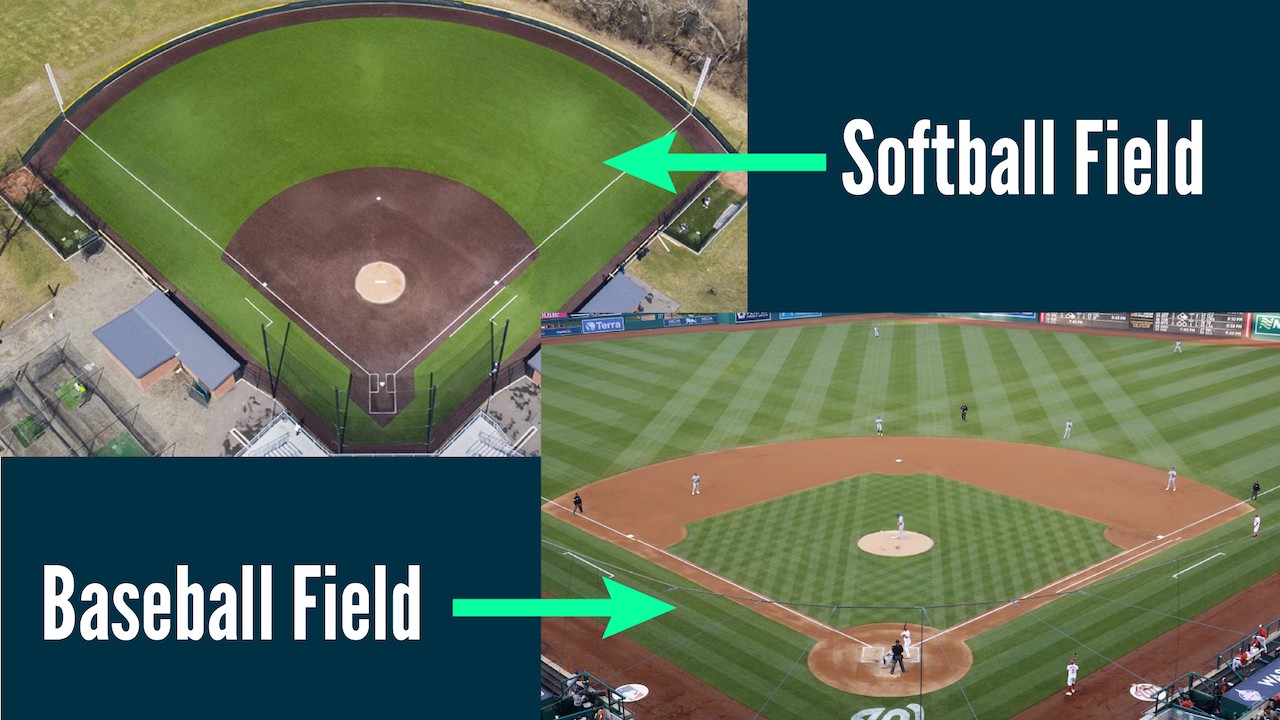
Key physical differences: ball, bat, and field
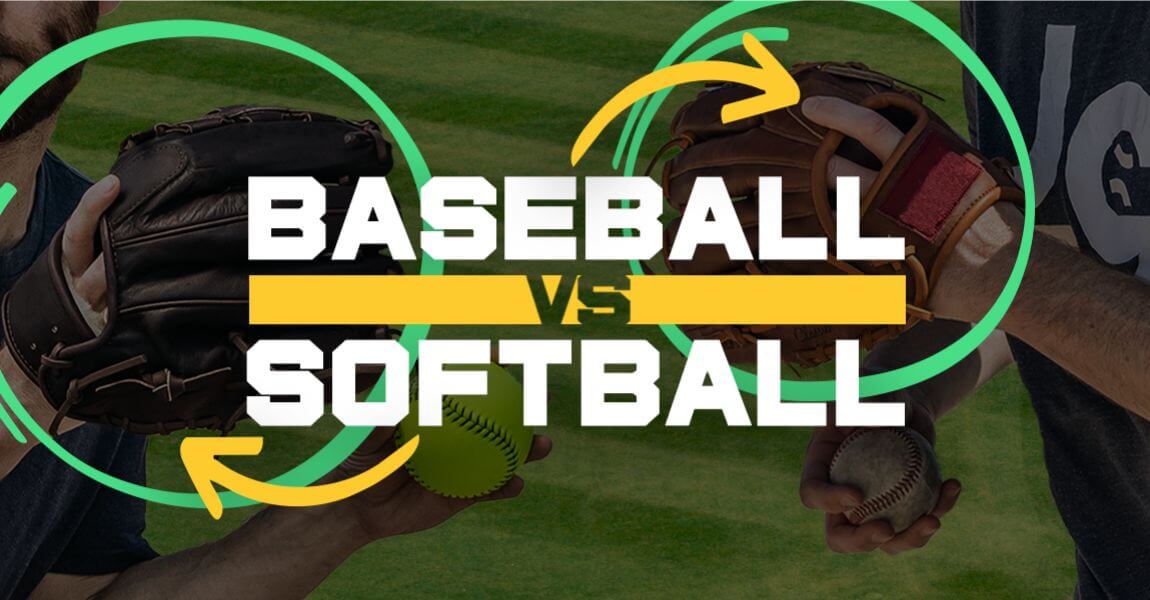
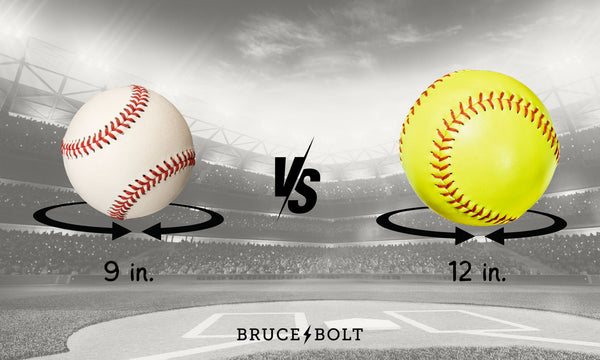
Baseball and softball differ first in the ball size and bat design. Baseball uses a smaller, harder ball about 9 inches in circumference while softball uses a larger, softer ball (12 inches in slow-pitch). Bats for softball are often shorter and lighter, and some leagues require specific bat certifications.
Field dimensions are also distinct. Baseball base paths are 90 feet in professional play, while softball base paths are typically 60 feet. The pitching distance in baseball is longer, and softball mounds sit closer to home plate with underhand pitching. When people ask “What is the difference between baseball and softball?” these basic size and layout differences are the fastest way to tell them apart.
Rules and gameplay differences
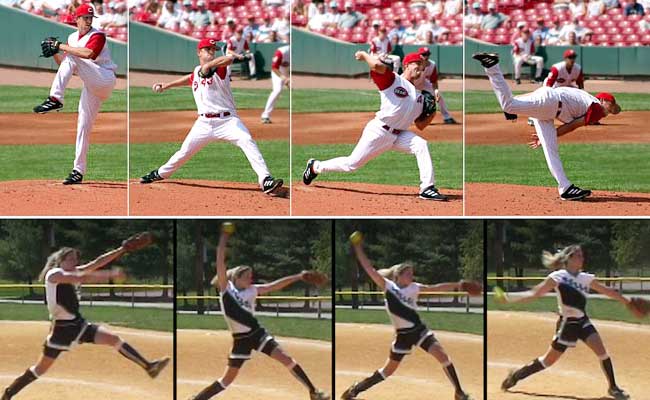
Pitching style and timing change how each game flows. Baseball allows overhand and sidearm pitching with a raised mound, producing different pitch arcs and speeds. Softball uses an underhand windmill or modified underhand delivery, and the pitching distance is shorter, so batters see the ball quicker.
Innings and game length can vary by level, but a common rule is nine innings for baseball and seven for softball in many leagues. Other rule differences include substitution rules, designated hitters, and stealing limits in some softball levels. Whenever someone asks “What is the difference between baseball and softball?” rules about pitching and innings are key to the answer.

Equipment and safety
Equipment differences affect safety and play. Softballs are larger and can feel easier to hit at slower pitch speeds, but they still travel fast off the bat. Gloves for softball are slightly larger to handle the bigger ball, and infield gloves often differ in web design.
Helmets, face masks, and protective gear follow league standards. Some softball organizations require face masks for infielders, especially in youth play, while baseball rarely requires them except for catchers and certain batting helmets. Understanding “What is the difference between baseball and softball?” includes knowing how gear adapts to ball size and pitch type.
Strategy and skill sets
Strategy shifts because of pitching style and field size. Baseball hitters adjust to pitch speed and vertical movement; power hitting and long outfield throws are common skills. Softball demands quick reaction at the plate and fast infield play because the ball gets to fielders faster relative to distance.
Pitchers in softball often rely on movement and spin within the underhand delivery, while baseball pitchers use velocity plus a wider variety of breaking pitches. Coaches ask “What is the difference between baseball and softball?” when deciding drills: baseball drills focus more on long throws and pitch sequencing, softball drills focus on quick hands and speed around bases.
Levels of play and league structure
Both sports have youth, high school, college, and adult leagues, but the pathways differ. Baseball has a large professional system with Major League Baseball and minor leagues. Softball has elite college programs and professional leagues, but pro opportunities are fewer and structured differently.
International play also varies; softball has been included intermittently in the Olympics and has strong global participation in women’s divisions. If you’re comparing “What is the difference between baseball and softball?” look at the ladder to pro play and where each sport gets the most institutional support.
Common misconceptions and practical tips
Many people think softball is just “slow baseball.” That is misleading. Softball is a distinct sport with its own techniques, training needs, and tactical choices.
Practical tips for players switching between sports:
- Practice timing for hitting because pitch trajectory changes.
- Adjust footwork for shorter base paths in softball.
- Use bigger gloves when moving from baseball to softball.
From my coaching experience, players who respect these differences adapt faster and stay safer. When comparing “What is the difference between baseball and softball?” don’t downplay the unique skills each sport trains.

Source: wordpress.com
Frequently Asked Questions of What is the difference between baseball and softball?
What is the difference between baseball and softball in ball size?
The ball is one of the clearest differences: baseballs are about 9 inches, while softball sizes often run 11 to 12 inches in circumference. The larger softball changes glove size, batting feel, and flight.
What is the difference between baseball and softball in pitching style?
Baseball pitchers throw overhand or sidearm from a raised mound, offering varied break and speed. Softball pitchers throw underhand from a flatter circle, which creates a different trajectory and reaction time for hitters.
What is the difference between baseball and softball in field dimensions?
Baseball fields use longer base paths (90 feet pro) and greater pitching distances, while softball fields use shorter base paths (commonly 60 feet) and closer pitching circles. These differences speed up plays and influence strategy.
What is the difference between baseball and softball in player roles?
Positions share names but require different skills; in softball, infielders need quicker hands and shorter throws, while baseball infielders manage longer throws and different angles. Pitchers in each sport train very different arm mechanics and strategies.
What is the difference between baseball and softball for youth players?
Youth players often start in softball to learn clear, close-in play or in baseball for long-developing arm strength and power hitting. League rules, equipment size, and safety measures will guide the best choice for each child.
Conclusion
Baseball and softball share a family resemblance, but they differ in ball and bat size, pitching style, field layout, rules, and strategy. Knowing “What is the difference between baseball and softball?” helps players choose the right training, helps parents pick appropriate leagues, and improves how coaches teach skills. Try both sports if you can — cross-training makes you a better athlete and a smarter player. If this guide helped, leave a comment, share your own experiences, or subscribe for more coaching tips and clear breakdowns of sport rules.

