

Check power, ventilation, and burner/thermostat first—most Dometic fridge issues are simple fixes.
I’ve spent years troubleshooting Dometic camper refrigerators in real campsites and workshops. This guide walks through why common Dometic Camper Refrigerator Troubleshooting tasks matter, how to diagnose problems, step-by-step fixes, maintenance tips, and when to call a pro. Read on to learn practical, tested steps to keep your Dometic fridge cooling reliably on the road.

36% off Today’s Exclusive Deals
Limited-time Exclusive Deals. Check current discount on Amazon.
Check Price on Amazon As an Amazon Associate I earn from qualifying purchases.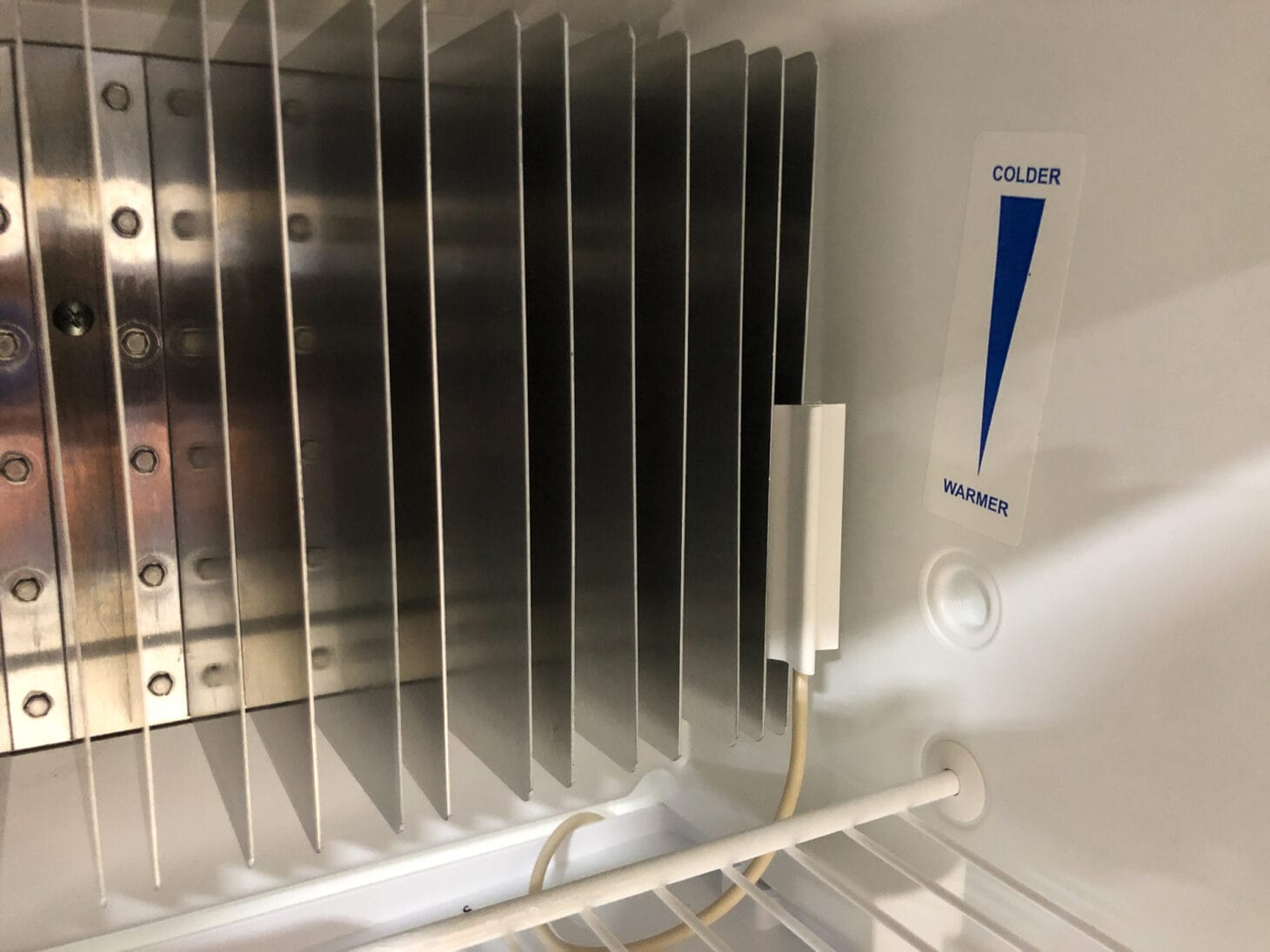
How Dometic camper refrigerators work
Dometic camper refrigerator troubleshooting starts with knowing how the fridge cools. Many Dometic models are absorption refrigerators. They use heat, ammonia, and a solution to move heat out of the fridge. Some models are compressor-based and run like home refrigerators but on 12V or 120V power.
Key systems to know:
- Power system: 12V DC, 120V AC, and sometimes an inverter or battery charger.
- Cooling system: absorption (heat-driven) or compressor (motor-driven).
- Fuel system: propane burner and thermocouple for gas models.
- Controls: thermostat, control board, and sensors.
Understanding these basics helps target the right tests during Dometic Camper Refrigerator Troubleshooting. If you know whether your unit is absorption or compressor-based, you can follow focused checks.
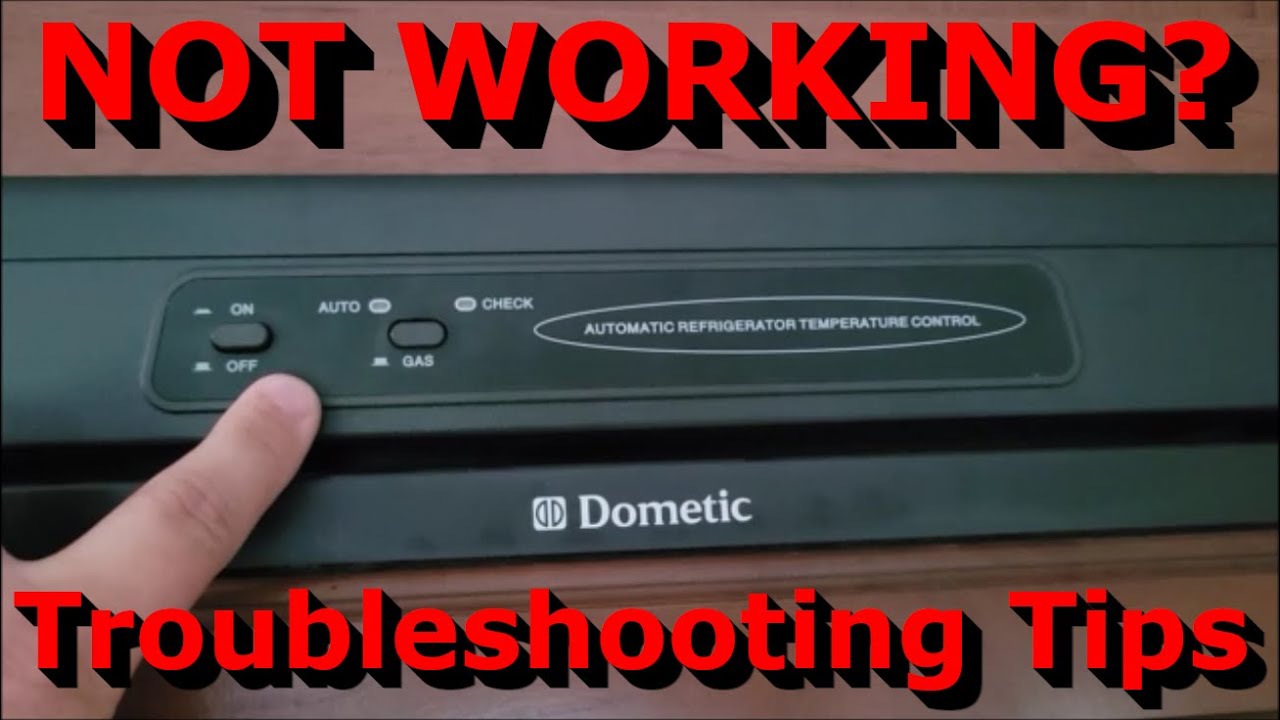
Common problems and quick checks
These are the most common issues in Dometic Camper Refrigerator Troubleshooting and quick things to check first.
Common problems:
- Fridge not cooling on any power source.
- Poor or uneven cooling.
- Fridge cools on AC but not on battery.
- LP burner won’t light or won’t stay lit.
- Excessive noise, buzzing, or clicking.
- Error codes or strange smells.
Quick checks to perform first:
- Confirm power: test shore power, battery voltage, fuse, and breakers.
- Check vents and airflow: clear leaves, dust, or obstructions.
- Level the camper: absorption fridges need to be roughly level to work well.
- Check propane: ensure tank is on and regulator is working.
- Inspect door seals and seals for gaps or damage.
These quick checks solve many Dometic Camper Refrigerator Troubleshooting cases without deep disassembly. Start with simple, safe steps before moving on to internal components.

Step-by-step troubleshooting guide
Follow these step-by-step approaches depending on whether your Dometic unit is electrical, gas, absorption, or compressor-based.
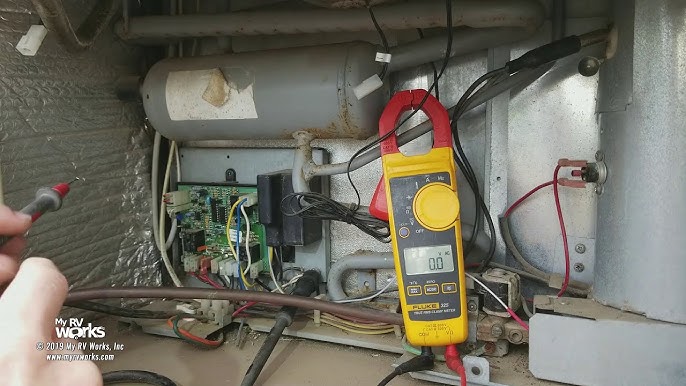
Electrical checks (12V and 120V)
- Confirm power sources:
- Test shore power with a multimeter at the outlet.
- Check battery voltage; should be 12.4 V or higher for best performance.
- Inspect fuses and breakers:
- Check inline fuses and fridge fuses.
- Look for blown fuses or tripped breakers.
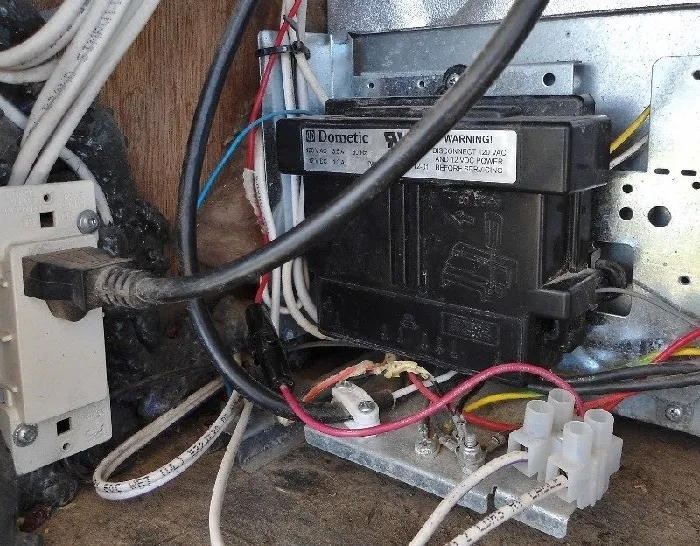
- Examine wiring and connectors:
- Look for corrosion, loose terminals, or melted insulation.
- Test control board and thermostat:
- If board slows or doesn’t switch sources, it may need replacement.
Gas and LP troubleshooting
- Confirm propane supply:
- Verify tank valve open and regulator free of obstructions.
- Inspect burner and pilot:
- Clean burner ports and pilot orifice of soot and debris.
- Thermocouple and flame sensor:
- Test thermocouple continuity and proper positioning to ensure the valve stays open.
- Igniter issues:
- If electric ignition fails, try lighting pilot manually (follow safety steps) to isolate the igniter.
Absorption cooling checks
1. Level the fridge:
- Use a small level to check front-to-back and side-to-side leveling.
- Verify ventilation:
- Clean the rear and below-vent areas. Good airflow is critical.
- Check for blockages:
- Clear debris from cooling unit and flue.
- Inspect cooling unit and heat exchanger:
- Look for cracks, corrosion, or damage that reduce performance.
Compressor models
- Listen for compressor start:
- Clicking then silence may indicate a bad start relay or capacitor.
- Feel compressor temperature:
- Warm to hot is normal; cold and not running indicates an electrical or relay problem.
- Test start capacitor and relay:
- Replace suspect parts with OEM or quality aftermarket replacements.
Safety and error codes
- If an error code appears, consult your Dometic manual for exact code meaning.
- Always turn off gas when working on burners and ventilate the area.
- Use a multimeter for electrical checks and follow safety practices.
These steps cover the most frequent Dometic Camper Refrigerator Troubleshooting scenarios. Test one system at a time and note changes after each action.

Maintenance and prevention tips
Regular care reduces the need for Dometic Camper Refrigerator Troubleshooting and prolongs fridge life.
Routine maintenance:
- Clean vents and condensers every 3 months.
- Inspect and clean door gaskets; replace when cracked.
- Level the camper during long stays.
- Flush and clean the drain pan and drip lines.
- Run the fridge on all power modes occasionally to keep components exercised.
Seasonal and storage tips:
- Winterize non-operating units by draining water and leaving doors slightly open.
- Turn off propane when storing for long periods and disconnect batteries.
- Protect electronics with a surge protector on shore power.
Practical habits:
- Avoid overpacking the fridge to allow airflow.
- Keep the fridge full but not over-stuffed for efficient temperature hold.
- Log problems and maintenance dates to detect recurring issues.
These preventative steps reduce emergency Dometic Camper Refrigerator Troubleshooting visits and keep cooling consistent.
Tools, replacement parts, and when to call a professional
Tools that help Dometic Camper Refrigerator Troubleshooting:
- Multimeter for voltage, continuity, and current checks.
- Small Phillips and flat screwdrivers.
- Wrenches for gas fittings.
- Wire brush and contact cleaner for terminals.
- Start capacitors and relays for compressor models.
Common replacement parts:
- Thermocouple and gas valve assembly.
- Igniter or pilot assembly.
- Control board or thermostat.
- Start capacitor, relay, and compressor parts.
- Door gasket and vents.
When to call a professional:
- You smell strong gas and can’t locate the leak.
- You’re not comfortable working with propane or electricity.
- Major repairs like sealed system leaks or compressor replacement are needed.
- Unit is under warranty—professional service may preserve coverage.
I recommend using certified RV technicians for sealed system repairs and gas work for safety and compliance. Keep receipts and parts records to help warranty claims and future troubleshooting.

Personal experience and lessons learned
I’ve worked on dozens of Dometic camper refrigerators. Here are honest lessons from the field.
Lessons and mistakes:
- One trip I ignored a small vent clog. The fridge slowly lost efficiency and ruined food. Don’t skip vent checks.
- Replacing a start relay fixed a compressor that sounded dead. A small part saved the entire unit.
- I once tried to bleed a propane line without shutting the tank properly. That taught me to always follow safety steps.
Practical tips I use:
- Carry spare fuses, a start relay, and a thermocouple on long trips.
- Keep a simple troubleshooting checklist taped inside a cabinet.
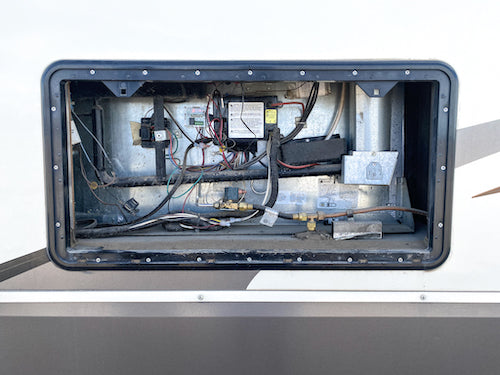
- Photograph wiring before disconnecting it to avoid reassembly errors.
These real-world tips make Dometic Camper Refrigerator Troubleshooting less stressful and more successful.
People also ask — quick PAA-style questions
What should I check if my Dometic fridge is not cooling on battery?
- Start with battery voltage and fuses. If voltage is low, charge or replace the battery. Then test the DC input and control board.
Why does my Dometic fridge cool on gas but not on electricity?
- This often points to an electrical issue: blown fuses, faulty control board, or bad mains input. Test AC voltages and the fridge’s converter.
How level does my camper need to be for the fridge to work?
- Aim to keep the fridge within 1 to 2 degrees of level side-to-side and front-to-back. Bigger deviations can stop absorption cooling.
These quick answers are common checkpoints in Dometic Camper Refrigerator Troubleshooting. They point you to the likely causes and next tests.
Frequently Asked Questions of Dometic Camper Refrigerator Troubleshooting
How do I reset my Dometic refrigerator?
Turn the refrigerator off at the control panel and cut shore or battery power for 1 to 2 minutes. Restore power and set the desired mode; this often clears minor faults.
Why is my Dometic fridge humming loudly?
A loud hum can be a failing compressor start relay or a loose panel. Tighten screws and inspect the start relay; replace it if humming persists.
Can I run my Dometic fridge on an inverter?
Yes, but use a good inverter sized for the fridge. Compressor models draw more surge current. For absorption models, the inverter must supply stable AC power if used.
What causes frost inside a Dometic camper fridge?
A damaged door seal, frequent door openings, or blocked vents cause moisture and frost. Check gaskets and airflow, and defrost if ice buildup is obstructing vents.
How often should I clean the cooling unit and vents?
Clean vents and the cooling area at least every three months, or more often if you camp in dusty, muddy, or insect-heavy environments to prevent airflow issues.
Conclusion
Dometic Camper Refrigerator Troubleshooting becomes straightforward when you follow a clear diagnostic path: check power, ventilation, leveling, and simple parts first. Regular maintenance and carrying a few spare parts save time and keep food safe. Take the step-by-step approach here, and don’t hesitate to call a certified RV technician for gas or sealed-system issues. Try the checklist on your next trip, subscribe for more RV tips, or leave a comment about your fridge story.

