

Quick fix: Most Honda generator problems stem from fuel, spark, or low oil—check those first.
I have spent years diagnosing and repairing small engines and Honda generators. This guide on Honda Generator Troubleshooting distills real shop experience, clear steps, and safety checks. Read on to learn simple fixes, diagnostic tips, and when to call a pro. I will walk you through common faults, cause-and-effect checks, and hands-on advice so you can get your generator running safely and reliably.

36% off Today’s Exclusive Deals
Limited-time Exclusive Deals. Check current discount on Amazon.
Check Price on Amazon As an Amazon Associate I earn from qualifying purchases.
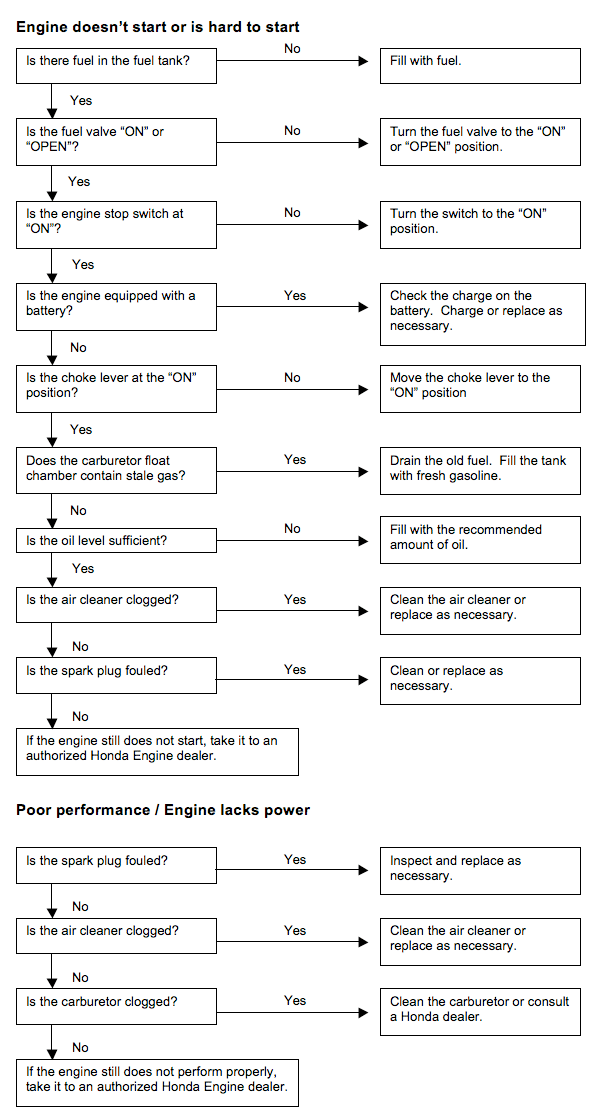
Common problems and symptoms to watch for
Honda Generator Troubleshooting starts with recognizing symptoms.
Common signs include hard starting, no start, rough idle, misfire, low power, and engine stalls.
Knowing the symptom helps narrow the cause quickly.
Quick safety checklist before you start
Always follow safety first when doing Honda Generator Troubleshooting.
Turn off the generator and let it cool.
Work in a well-ventilated area and avoid open flames or sparks.
Wear gloves and eye protection.
Keep the manual and a fire extinguisher nearby.

Basic troubleshooting steps (step-by-step)
Honda Generator Troubleshooting is easier when you follow a set routine.
- Visual inspection
- Check fuel level and look for leaks.
- Inspect oil level and warning lights.
- Look for loose wires, frayed cables, or corrosion.
- Fuel check
- Old or stale fuel causes most problems.
- Drain and replace fuel if it smells sour.
- Spark check
- Remove spark plug and inspect. Clean or replace if fouled.
- Test for spark using a spark tester while grounding properly.
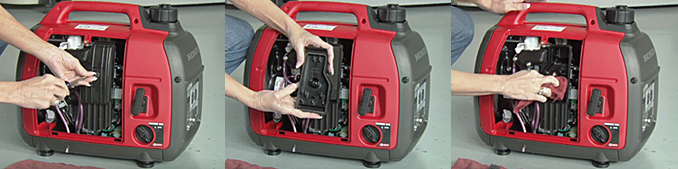
- Air filter
- Dirty air filters choke the engine. Clean or replace as needed.
- Oil and low-oil sensor
- Low oil can trigger a shutdown. Refill with the correct grade.
- If the engine stalls despite full oil, test or replace the low-oil sensor.
Follow these ordered steps to handle most basic faults.

Fuel system problems and fixes
Fuel issues are the top cause in Honda Generator Troubleshooting. Old fuel gums up carburetors and lines.
- Stale fuel
- Solution: Drain tank, replace with fresh gasoline, and run until clear.
- Clogged fuel filter
- Solution: Replace the fuel filter per the manual.
- Carburetor varnish build-up
- Solution: Use carb cleaner or a rebuild kit if jets are clogged.
- Fuel valve or petcock blocked
- Solution: Clean or replace the valve and inspect fuel lines for cracks.
Tip from experience: If you sit a generator for months, add fuel stabilizer before storage. I fixed many units by simply draining bad gas and cleaning the carburetor.
 ignition troubleshooting”
style=”max-width: 100%; height: auto; border: 2px solid black; border-radius: 10px; display: block; margin: 0 auto;”
loading=”lazy”
/>
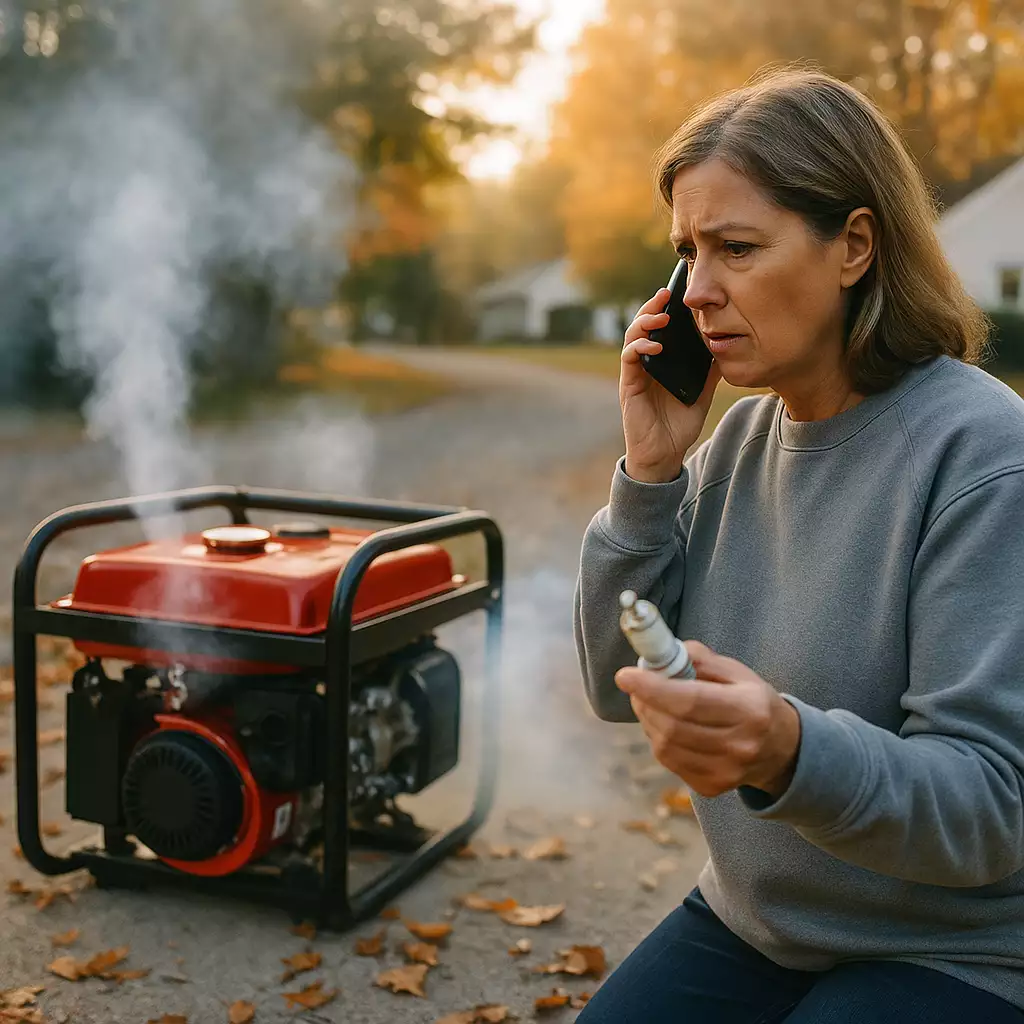
Spark plug and ignition troubleshooting
Spark issues often cause no-start or rough running in Honda Generator Troubleshooting.
- Inspect the spark plug
- Look for carbon fouling, oil, or melted electrodes.
- Replace if gap is wrong or plug is damaged.
- Ignition coil and kill switch
- Ensure the kill switch is not grounding the circuit inadvertently.
- If no spark after plug replacement, test the coil and wiring.
Quick test: A strong blue spark means ignition is likely fine. A weak or absent spark points to the ignition system or grounding problem.
Carburetor cleaning and rebuild
A dirty carburetor is a common culprit in Honda Generator Troubleshooting.
- Signs: Hard starting, poor throttle response, or flooding.
- Steps:
- Remove carburetor and disassemble.
- Soak non-electrical parts in carb cleaner.
- Blow out jets and passages with compressed air.
- Replace gaskets and float needle if worn.
- When to rebuild: If cleaning does not restore proper fuel flow, replace the rebuild kit or the entire carburetor.
From my shop: a simple jet clean often revives a generator that sat with old fuel.
Battery and electric start issues
For electric-start models, battery and connections factor heavily into Honda Generator Troubleshooting.
- Battery charge
- Confirm full battery voltage with a multimeter.
- Charge or replace the battery if below recommended voltage.
- Connections
- Clean terminals and ensure tight connections.
- Starter motor
- If battery is good but starter fails, test the starter solenoid and motor.
Simple tip: Corroded terminals can mimic a dead battery. A quick cleaning often restores starting.
Overheating, low power, and mechanical issues
Not all problems are electrical or fuel-related in Honda Generator Troubleshooting. Mechanical faults can reduce power.
- Overheating
- Check cooling fins and air intake for debris.
- Ensure proper ventilation during operation.
- Low compression
- Symptoms: Poor power, hard start, excessive smoke.
- Test with a compression gauge. Low compression may mean worn rings or valves and requires professional repair.
- Muffler and exhaust
- Blocked mufflers restrict flow. Replace if clogged.
If you find low compression, factor repair cost against replacement. Sometimes an engine rebuild is not economical for older units.
Maintenance schedule to prevent problems
Preventive maintenance reduces the need for Honda Generator Troubleshooting.
- Every use
- Check oil level and fuel.
- Inspect for leaks and damage.
- Every 20-50 hours
- Change oil and clean air filter as required.
- Check spark plug condition.
- Every 100 hours or yearly
- Replace fuel filter, inspect carburetor, and change coolant if applicable.
- Long-term storage
- Drain fuel or add stabilizer. Run the engine to circulate stabilizer.
My routine: brief checks before each use and a small service every season kept my generators reliable for years.
When to call a professional
Some problems need trained technicians during Honda Generator Troubleshooting.
- Complex diagnostics like internal engine wear, valve work, or major electrical faults.
- Rebuilds or repairs under warranty.
- Repair costs approach the price of a replacement unit.
Be transparent with the tech about symptoms and what you have already tried. This helps them diagnose faster and saves you money.
People also ask (PAA-style quick answers)
What do I check first if my Honda generator won't start?
- Start with fuel, spark plug, and oil level. These account for most no-start cases.
How often should I change the oil on a Honda generator?
- Change oil after the first 20 hours, then every 50 to 100 hours or yearly depending on use.
Can stale fuel ruin the carburetor?
- Yes. Stale fuel can leave varnish that clogs jets and passages and needs professional cleaning or rebuild.
Frequently Asked Questions of Honda Generator Troubleshooting
What is the most common cause of Honda generator failure?
Most failures come from stale fuel, clogged carburetors, or fouled spark plugs. Regular maintenance prevents these issues.
Why does my generator start then die?
This often means fuel starvation from a blocked fuel line, clogged filter, or carburetor issues. Check the fuel flow and clean the carburetor.
How do I test for spark safely?
Remove the spark plug, reconnect the plug wire, ground the plug to the engine, and pull the recoil. Look for a strong blue spark. Use a spark tester for safer checks.
Will adding fuel stabilizer prevent problems?
Yes. Stabilizer keeps fuel from breaking down during storage and helps prevent carburetor gumming. Add it before storing the generator long-term.
How long can a Honda generator sit unused?
With proper fuel stabilization and storage, it can sit for months. Without treatment, gumming can happen in a few weeks.
When should I replace the carburetor?
Replace the carburetor when cleaning and rebuild kits fail to restore performance or when internal damage exists. Cost and age of the unit help decide.
Is it safe to run a generator indoors for troubleshooting?
No. Generators produce deadly carbon monoxide. Always run outdoors in a well-ventilated area and away from windows or vents.
Conclusion
Honda Generator Troubleshooting becomes manageable when you use a clear routine: check fuel, spark, and oil first, then move to filters, carburetor, and electrical systems. Regular maintenance and simple preventive steps cut down most common failures. Apply the step-by-step checks here, keep safety top of mind, and document what you try. If a problem goes beyond basic checks, seek professional repair. Try these tips, subscribe for more hands-on guides, and leave a comment about your generator issue so we can help.

