

Most Honda mower problems are caused by fuel, spark, air, or blade issues.
I’ve spent years fixing and maintaining riding and push mowers, and Honda Mower Troubleshooting is a skill every owner should know. This guide explains common faults, step-by-step diagnostics, practical fixes, and prevention tips. You’ll get clear checks for starting, running, cutting, and electrical troubles, plus real-life tips from hands-on experience to help you fix your Honda mower with confidence.

36% off Today’s Exclusive Deals
Limited-time Exclusive Deals. Check current discount on Amazon.
Check Price on Amazon As an Amazon Associate I earn from qualifying purchases.
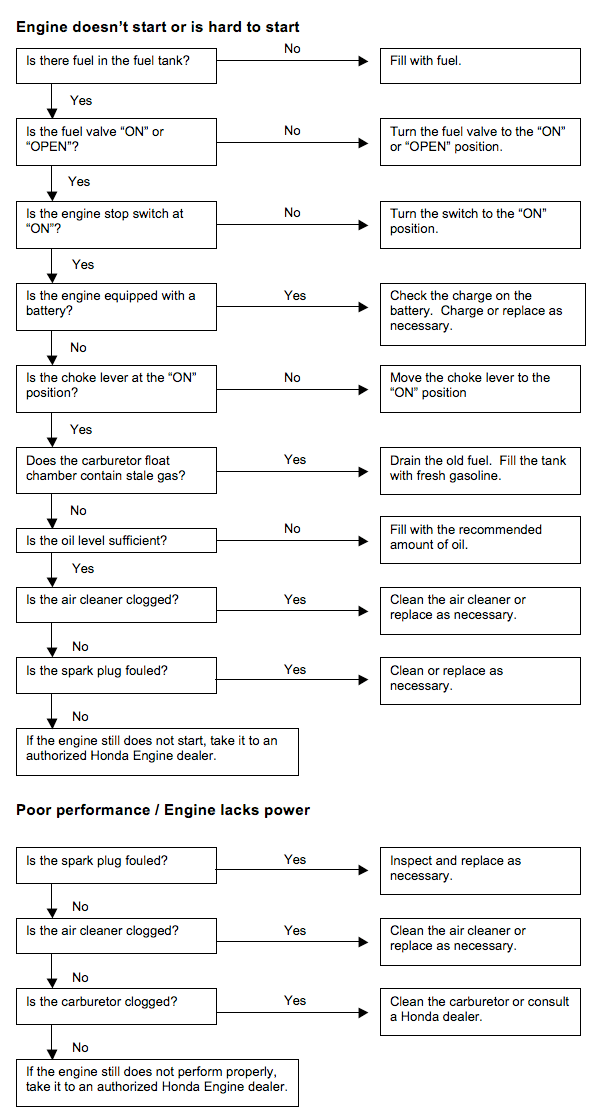
Common Honda mower problems and causes
Many owners see the same few issues again and again. Honda Mower Troubleshooting focuses on these frequent problems so you save time. I’ll list likely causes and simple checks you can do before calling a shop.
Common symptoms and likely causes:
- Mower won’t start. Possible causes: old fuel, clogged carburetor, bad spark plug, or a dead battery.
- Starts then stalls. Possible causes: dirty carburetor, fuel flow issue, or air filter blockage.
- Rough idle or weak power. Possible causes: clogged air filter, worn spark plug, or fuel contamination.
- Uneven cut or scalping. Possible causes: dull blade, bent deck, or incorrect blade height.
- Electrical problems. Possible causes: loose wiring, bad safety switches, or failing alternator.
I’ve seen a Honda push mower refuse to idle because the fuel had sat for a season. A quick carb clean solved it in under an hour. That’s the kind of practical fix this guide gives.

Step-by-step Honda mower troubleshooting checklist
Work methodically. Follow these steps to find the issue fast. Keep tools, spark plug wrench, fuel line clamp, and safety gear ready.
Initial quick checks:
- Safety first: Disconnect spark plug before any work.
- Fuel check: Use fresh gasoline. Old fuel smells sour and looks cloudy.
- Spark check: Remove plug, ground it to the engine, pull starter and watch for spark.
- Air check: Inspect and swap a clean air filter.
- Battery check (riding mowers): Measure voltage; a healthy battery reads 12.4–12.8V when off.
If the mower won’t start:
- Confirm fuel quality and supply. Drain old fuel and add fresh gas with stabilizer.
- Check spark plug condition and gap. Replace if fouled or worn.
- Inspect the carburetor and fuel line for blockages. Clean or rebuild if needed.
- Verify safety switches and clutch interlock are working.
For rough running or power loss:
- Replace the air filter if dirty.
- Check fuel filter and inline screens.
- Clean the carburetor jets and passages.
- Test for compression loss by inspecting for oil leaks or damaged valves.
Do these steps calmly. I keep a checklist taped to my shed wall. It stops me from skipping basic items.
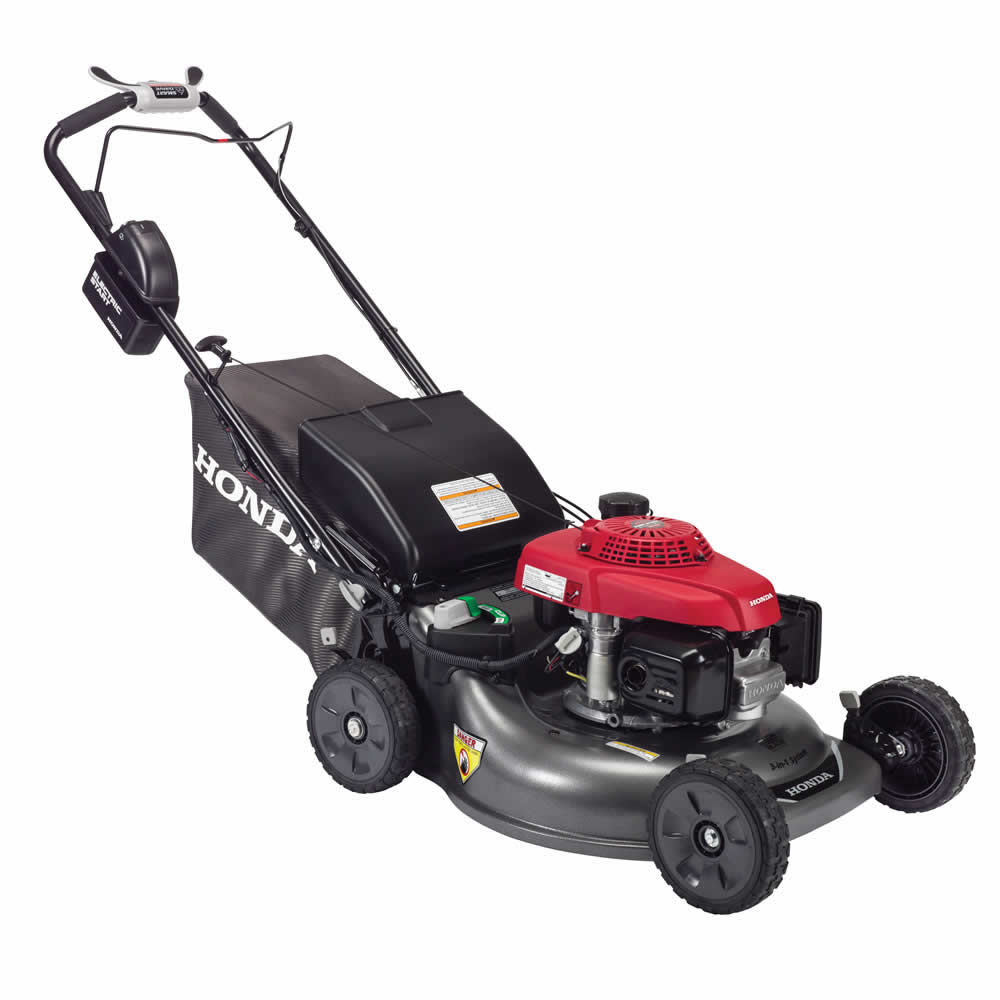
Fuel, carburetor, and starting issues
Fuel-related faults are the top reason for calls. Honda Mower Troubleshooting often begins at the tank and ends at the carburetor.
Signs of fuel trouble:
- No start or starts then quits.
- Hard starting after sitting.
- Black smoke or rich running.
How to fix fuel problems:
- Drain old fuel. Gas over 30 days can gum up the carburetor.
- Replace fuel filter and inspect fuel lines for cracks or clogs.
- Use a fuel stabilizer if mower sits through winter.
- Clean carburetor float bowl and jets. Rebuild only if cleaning fails.
Carburetor tips:
- Use carb cleaner and compressed air to clear passages.
- Rebuild kits are cheap and worth it for older mowers.
- Adjust idle and mixture per the owner’s manual after reassembly.
I once rebuilt the carburetor on a Honda mower twice before realizing the fuel tank vent was clogged. A small vent problem can mimic carb failure. Check vents early.
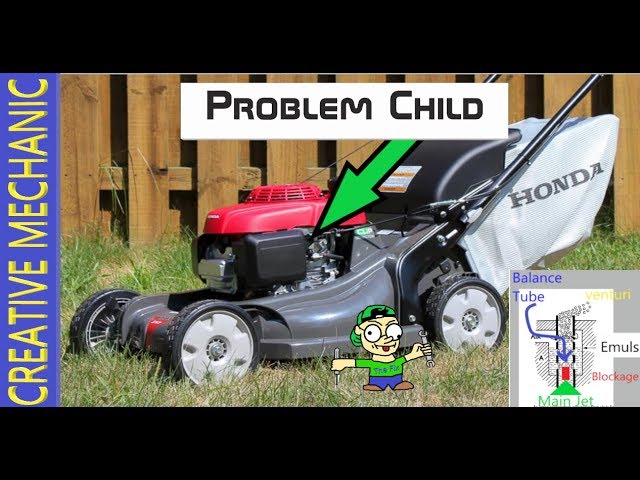
Engine runs rough, loss of power, and cutting problems
When the engine runs rough or loses power, it affects the cut. Honda Mower Troubleshooting for cutting issues looks at blades, engine tune, and deck condition.
Blade and deck checks:
- Blade sharpness: Dull blades tear grass and reduce cut quality.
- Blade balance: An unbalanced blade causes vibration and wear.
- Deck cleanliness: Caked grass restricts airflow and causes poor cutting.
Engine tune-up steps:
- Replace spark plug yearly.
- Change oil and oil filter per hours specified by the manufacturer.
- Inspect the muffler and exhaust for restrictions.
- Check valve clearance if the engine lacks power despite good fuel and spark.
Real-life tip: I sharpen blades every fall and again mid-season. A sharp blade reduces engine load and improves grass health.
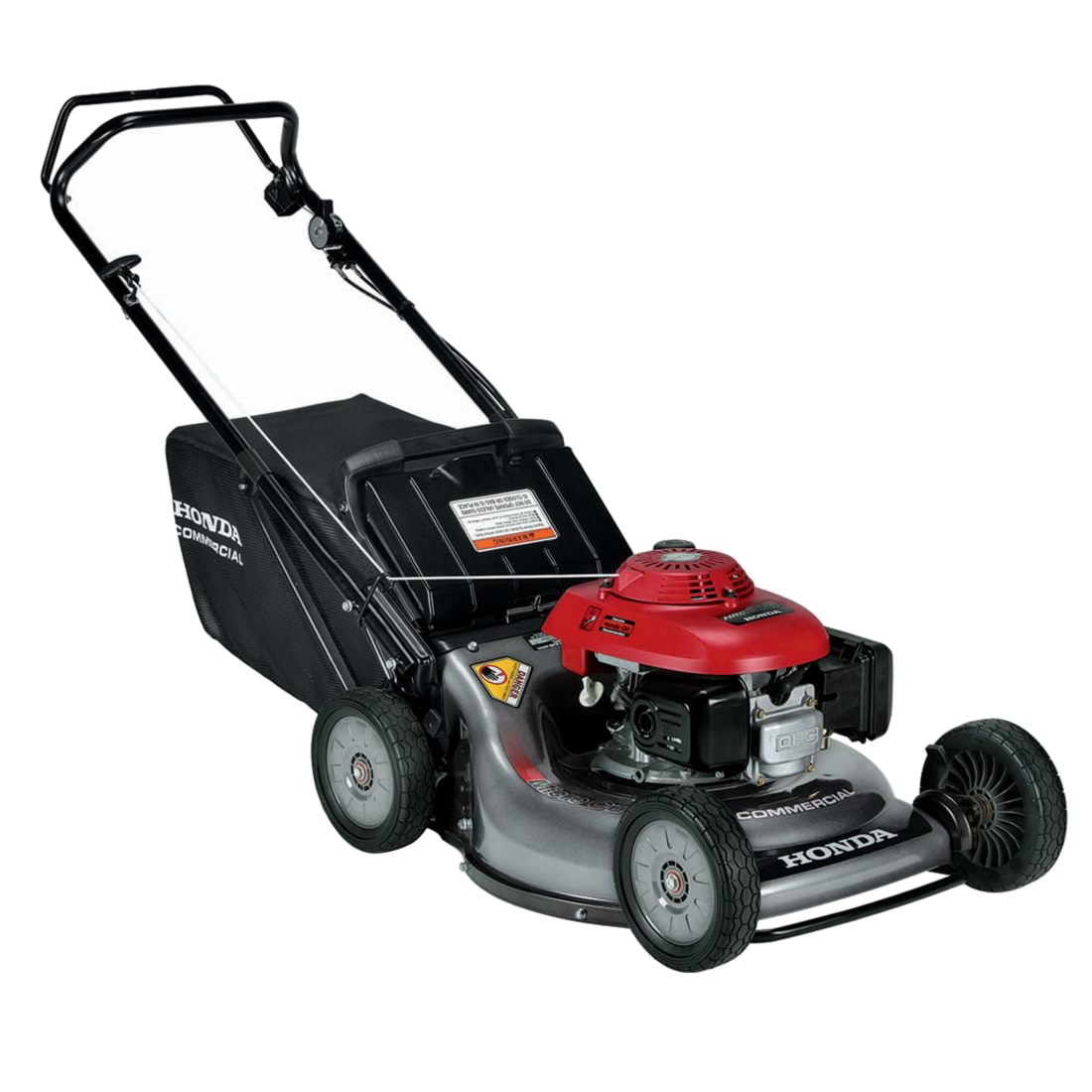
Electrical, charging, and blade engagement issues
Electrical faults can stop a mower dead or prevent blade engagement. Honda Mower Troubleshooting here focuses on switches, wiring, and the charging system.
Common electrical checks:
- Battery voltage and connections. Clean corrosion and tighten terminals.
- Safety switches on seat, brake, and blade engagement. Bypass only for testing and never while operating.
- Fuses and wiring. Look for chafed wires or loose connectors.
- Charging system: Run engine and measure voltage at battery; you should see charging voltage near 13.5–14.5V.
Blade engagement problems:
- Inspect belts and pulleys for wear or slippage.
- Check the clutch or PTO for proper operation.
- Replace worn belts and align pulleys to avoid slipping.
I once traced a riding mower’s cut-out to a loose seat switch wire hidden under the seat foam. Small things matter.

Maintenance tips to prevent Honda mower problems
Preventive care saves time and money. Honda Mower Troubleshooting becomes less needed when maintenance is steady.
Essential maintenance schedule:
- After each use: Clean deck, remove grass clippings.
- Every 25 hours: Change oil, clean air filter if used in dusty conditions.
- Every 50 hours: Replace air filter, check spark plug.
- End of season: Drain fuel or add stabilizer, remove battery for storage.
Practical maintenance tips:
- Run the mower dry of fuel before long storage or use stabilizer.
- Keep the deck and cooling fins clean to prevent overheating.
- Use OEM parts for critical components like blades and carburetor kits.
- Record maintenance dates in a simple logbook.
I keep a small can of carb cleaner and a plug wrench in my mower shed. Quick fixes are easier when tools are handy.
People also ask (PAA-style questions)
Why won’t my Honda mower start after winter?
Often fuel has degraded or the carburetor is clogged. Drain old gas, add fresh fuel, and check the spark plug and air filter.
How often should I sharpen my Honda mower blade?
Sharpen blades at least twice a season or when you notice torn grass. Frequent sharpening keeps the engine working efficiently.
Can stale fuel ruin my Honda mower?
Yes. Stale fuel gums up the carburetor and blocks jets. Drain and replace old fuel to avoid damage.

Frequently Asked Questions of Honda Mower Troubleshooting
What is the first thing to check when my Honda mower won’t start?
Check the fuel, spark, and air. Ensure fresh gasoline, a clean air filter, and a good spark from the plug.
How do I know if the carburetor is the problem?
Symptoms include rough idle, stalling, and poor running after sitting. Cleaning the carburetor or using a rebuild kit often fixes these issues.
How often should I change oil on a Honda mower?
Change oil every 25–50 hours of use or at least once a season. Use the oil grade recommended in the owner’s manual.
Why does my Honda mower lose power on hills?
Loss of power on a slope can mean fuel delivery issues, clogged air filter, or low compression. Check fuel flow and engine health.
Is it safe to bypass safety switches for testing?
Temporarily testing a switch can help diagnose a problem, but never operate the mower with safety switches bypassed. Always restore safety systems before use.
How do I troubleshoot a battery that won’t hold charge?
Load-test the battery and inspect the charging system while running. Clean terminals and replace the battery if it fails a load test.
Conclusion
Honda Mower Troubleshooting is mostly about method and small checks. Start with fuel, spark, air, and safety switches, then move to carburetor, blades, and charging systems. Regular maintenance will cut troubleshooting time and extend mower life. Try the step-by-step checks here, keep a simple tool kit, and note what you change so future fixes are faster. If a fix feels beyond your skills, seek professional help to avoid damage. Share your experience, subscribe for more tips, or leave a comment with your mower issue — I’ll help you troubleshoot.

