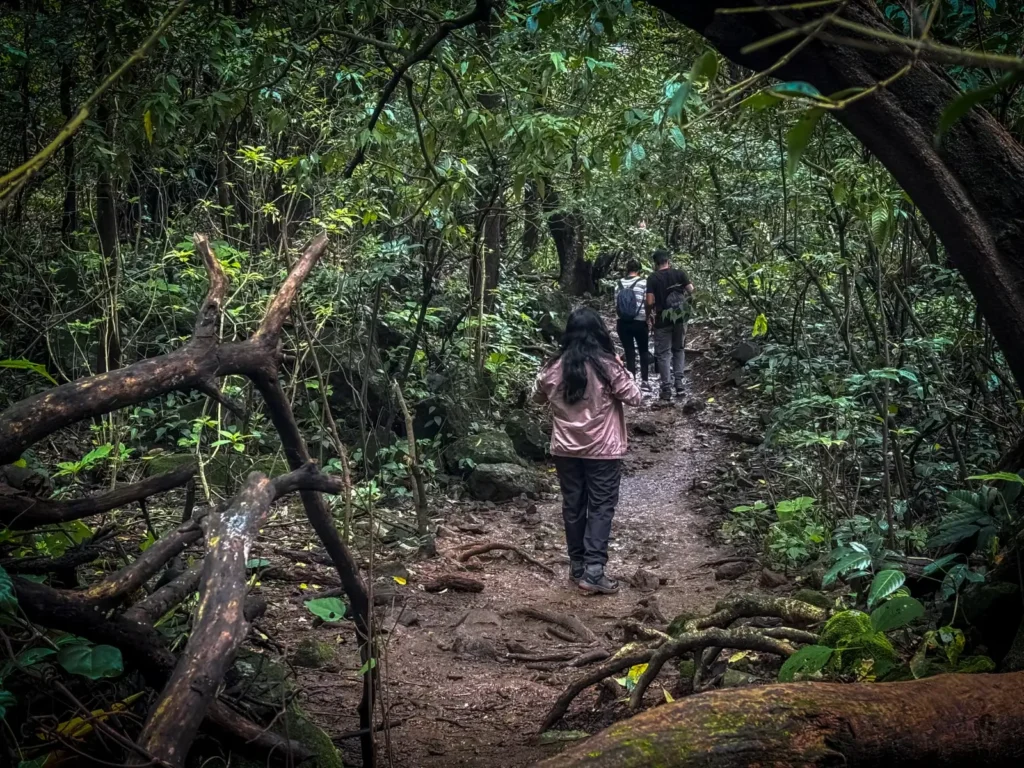
Jungle trekking is not just a walk in the woods. For many, it’s an adventure that pushes both body and mind into new territory. The idea of stepping under the green roof of a dense forest, hearing bird calls and the crunch of leaves, can feel exciting and a bit scary. But how difficult is jungle trekking—really? The answer depends on many things: where you go, your fitness level, the weather, and your experience with outdoor challenges. Understanding the true difficulty can help you prepare, enjoy the journey, and stay safe.
What Makes Jungle Trekking Unique
Jungle trekking is different from hiking in a city park or even mountain trails. The environment is wild, humid, and often unpredictable. The ground can be muddy, slippery, or covered in roots and rocks. The air is thick with moisture, and temperatures may feel much hotter than in open areas.

36% off Today’s Exclusive Deals
Limited-time Exclusive Deals. Check current discount on Amazon.
Check Price on Amazon As an Amazon Associate I earn from qualifying purchases.Many jungles are home to unique plants and animals. While this is part of the attraction, it also adds to the challenge. You may see bright butterflies, hear monkeys, or even spot snakes. The thick foliage can make it hard to see the sky or sun, so navigation is more complex.
One thing that surprises beginners is how slow your pace becomes. In the jungle, a kilometer can feel like five because you step carefully and must watch every move. Compared to regular hiking, jungle trekking is almost always more demanding, both physically and mentally.
Physical Demands Of Jungle Trekking
Jungle trekking tests your endurance, strength, and balance. You might think you’re in good shape because you jog or cycle at home. But the jungle environment is a different test.
Cardiovascular Challenge: The heat and humidity make your heart work harder. Even slow walking can leave you sweating and short of breath.
Leg Strength and Agility: Expect to climb over fallen logs, duck under branches, and walk up and down steep, slippery slopes. Many treks require constant balancing.
Upper Body Use: You may need to use your hands for support, especially when crossing rivers or climbing muddy banks.
Typical Distances And Elevations
Distances in jungle trekking can be misleading. A 10 km trek might take 6–8 hours, depending on the terrain and weather. Elevation gains are often not extreme, but the constant ups and downs, combined with the terrain, make it tough.
Here’s a look at how jungle trekking compares with other types of trekking:
| Type of Trek | Average Speed (km/h) | Elevation Changes | Physical Demand |
|---|---|---|---|
| Jungle Trekking | 2–3 | Low to Moderate | High (due to terrain and humidity) |
| Mountain Hiking | 3–5 | Moderate to High | High (due to altitude) |
| City Walking | 5–6 | Minimal | Low |
Non-obvious insight: Even experienced runners or bikers can find jungle trekking tiring because it works small muscles you rarely use in daily life.
Mental And Emotional Challenges
Jungle trekking is not only a test for the body. The mind faces its own battles. The forest can feel endless and confusing. The sounds are different. Sometimes, you see insects or animals you have never seen before.
Isolation and Uncertainty: In the jungle, it is easy to feel isolated. Paths are often unclear, and getting lost is a real risk. Even with a guide, the dense foliage can hide the way.
Fear Factor: Many people feel nervous about the unknown—snakes, insects, or just the darkness under the trees. The fear can make you tense, which adds to fatigue.
Patience and Focus: Jungle trekking often means moving slowly. If you rush, you risk slipping or getting hurt. Patience is essential.
Non-obvious insight: Mental exhaustion can be greater than physical tiredness, especially on multi-day treks. Beginners often underestimate this effect.
Weather And Environmental Factors
The jungle is a living system, always changing. Weather can shift quickly. You might start in sunshine and finish in heavy rain. Wet conditions make paths slippery and rivers rise fast.
Humidity And Heat
The high humidity means you sweat more but feel less cool. Sometimes, sweat cannot evaporate, so your body struggles to stay cool. Dehydration and heat exhaustion are real dangers.
Rain And Mud
Rain turns paths to mud. Shoes get stuck, and every step needs care. Some trails may become impassable after heavy rain.
Insects And Plants
Mosquitoes, leeches, and ants are common. Some plants have thorns or cause skin irritation. Proper clothing is not just for comfort—it’s for protection.
Here’s how some environmental factors compare:
| Factor | Jungle Trekking | Mountain Hiking |
|---|---|---|
| Humidity (%) | 70–100 | 40–70 |
| Rainfall (mm/month) | 200–600 | 50–200 |
| Insect Activity | Very High | Low to Medium |
Practical tip: Always bring a waterproof bag for electronics and dry clothes. Many beginners forget this and regret it.

Experience Levels: From Beginner To Advanced
Jungle trekking can suit different experience levels, but some treks are better for beginners, while others challenge even the most skilled hikers.
Beginner Trekkers
Short, guided treks are best. These are usually on marked trails with a local guide. The focus is on learning and enjoying the scenery, not speed or distance.
Challenges for beginners:
- Adapting to heat and humidity
- Handling insects and plants
- Learning to walk safely on muddy or uneven paths
Intermediate Trekkers
You may try longer treks, sometimes overnight, possibly with river crossings or steeper sections. You start to carry more gear and may help with navigation.
Challenges for intermediates:
- Managing fatigue over multiple days
- Keeping gear dry and food safe
- Navigation skills (maps, GPS, or following guides)
Advanced Trekkers
These treks are off the beaten path—no marked trails, sometimes no guide. You may cross rivers, climb small cliffs, or sleep in the wild.
Challenges for advanced trekkers:
- Survival skills (building shelter, finding water)
- High risk of getting lost or hurt
- Dealing with emergencies far from help
| Experience Level | Typical Trek Length | Common Challenges |
|---|---|---|
| Beginner | 2–5 km, day trip | Heat, insects, basic navigation |
| Intermediate | 5–15 km, 1–2 days | Fatigue, river crossings, gear management |
| Advanced | 15+ km, multi-day | Navigation, survival, medical emergencies |
Non-obvious insight: Even advanced trekkers sometimes underestimate the jungle. Overconfidence is a common cause of accidents.
Essential Skills For Jungle Trekking
To enjoy and succeed in jungle trekking, you need more than just fitness. Skills are critical.
- Navigation: Learn to use a map, compass, or GPS. In the jungle, landmarks are hard to see, and trails may disappear after heavy rain.
- First Aid: Know how to treat cuts, bites, and stings. Bring a first aid kit and learn basic wound care.
- Water Purification: Never drink from streams without treatment. Use filters or purification tablets.
- Proper Packing: Carry only what you need, but never skip essentials like rain gear, insect repellent, and enough water.
- Wildlife Awareness: Learn which animals and insects are dangerous and how to avoid them. Simple habits, like checking boots for insects, can prevent problems.
- Communication: Tell someone your plans and expected return. Mobile signals are often weak, so consider a satellite phone or emergency beacon for remote areas.
Practical tip: Practice using all your gear before you go. Don’t wait until you’re in the jungle to learn how your water filter works.
Preparing For A Jungle Trek
Good preparation is key. Here’s how to get ready:
Physical Training
- Cardio: Focus on walking or running in hot conditions if possible.
- Strength: Practice squats, lunges, and core exercises.
- Balance: Try exercises on uneven ground to prepare your ankles and knees.
Packing The Right Gear
Bring lightweight, quick-dry clothing. Long sleeves and pants protect from insects and plants. A wide-brim hat and sunglasses help with sun protection at clearings.
- Shoes: Choose sturdy, grippy shoes. Avoid heavy boots that keep water.
- Backpack: Small and light, with a rain cover.
- Essentials: Water bottle, purification tablets, snacks, first aid kit, insect repellent, sunblock, poncho or rain jacket, flashlight, and navigation tools.
Health Preparation
Visit a travel clinic to check if you need any vaccines or medications (like anti-malarials). Tell someone at home your exact plans.
Practical tip: Start with easier treks and build up. Many people try to do too much on their first trek and end up exhausted or injured.
Common Mistakes And How To Avoid Them
Many beginners make the same errors on their first jungle trek. Here’s what to watch out for:
- Underestimating the Terrain: The jungle slows you down. Always plan for shorter distances than in open areas.
- Ignoring Hydration: Dehydration sneaks up quickly. Drink small amounts often, even if you don’t feel thirsty.
- Packing Wrong Gear: Heavy backpacks make you tired. Choose lightweight, multi-use items.
- Wearing the Wrong Shoes: Avoid sandals or sneakers with smooth soles. You need grip in mud and on wet rocks.
- Poor Navigation: Never rely only on your phone’s GPS. Batteries die fast in humid heat.
- Not Respecting Wildlife: Don’t touch or feed animals, and check your sleeping area for insects or snakes.
- Skipping Health Precautions: Mosquito bites can cause serious illness. Use repellent and sleep under a net if possible.
Pro tip: Always listen to your guide. Local knowledge is more valuable than any map or book.
Famous Jungle Trekking Destinations
Many places around the world offer jungle trekking experiences for all levels. Here are a few well-known spots:
- Amazon Rainforest (South America): The world’s largest jungle, with treks from easy guided walks to multi-day expeditions.
- Kinabalu Park (Malaysia): Famous for Mount Kinabalu but also rich in jungle trails.
- Taman Negara (Malaysia): One of the world’s oldest rainforests, popular for canopy walks and river treks.
- Gunung Leuser National Park (Indonesia): Known for orangutan encounters.
- Corcovado National Park (Costa Rica): Rich in wildlife and challenging trails.
- Khao Sok (Thailand): Limestone cliffs, caves, and river crossings.
- Bwindi Impenetrable Forest (Uganda): Famous for gorilla trekking.
Each location has its own challenges—weather, wildlife, and terrain vary a lot. Always research your destination and choose a trek that matches your skills.
For more on famous treks and their requirements, see the Wikipedia guide to trekking.
The Role Of Guides And Local Knowledge
Trekking with a local guide is wise, especially for beginners or in remote areas. Guides know the terrain, weather patterns, and hidden dangers. They can help in emergencies and explain the local culture and wildlife.
Non-obvious insight: Even experienced trekkers often hire guides in new areas. The jungle hides many surprises, and local help can make your trip safer and richer.
Safety Tips For Jungle Trekking
Safety is always first in the jungle. Here are some top tips:
- Never trek alone—always have at least one partner.
- Check weather forecasts and be ready to turn back if conditions change.
- Stay on marked trails if available.
- Keep your group together—the jungle can hide people quickly.
- Bring a whistle or signaling device in case you get lost.
- Respect your limits—it’s okay to stop or turn back.
Real example: In 2019, a group trekking in the Amazon got separated. Two members wandered off the trail and were found three days later, dehydrated but alive, thanks to whistles and staying put.
Recovery And Aftercare
Jungle trekking can be hard on your body. After your trek:
- Rehydrate well with water and electrolyte drinks.
- Check for bites or scratches and treat them promptly.
- Stretch and rest to help your muscles recover.
- Clean your gear carefully—damp gear can grow mold quickly.
Pro tip: Take time to reflect on your trek. What did you learn? What would you do differently next time?
Frequently Asked Questions
How Fit Do I Need To Be For Jungle Trekking?
You don’t need to be an athlete, but basic fitness helps a lot. If you can walk for 2–3 hours at a steady pace and handle hills, you can do most beginner treks. For longer or tougher trails, cardio and leg strength are important.
What Should I Wear For Jungle Trekking?
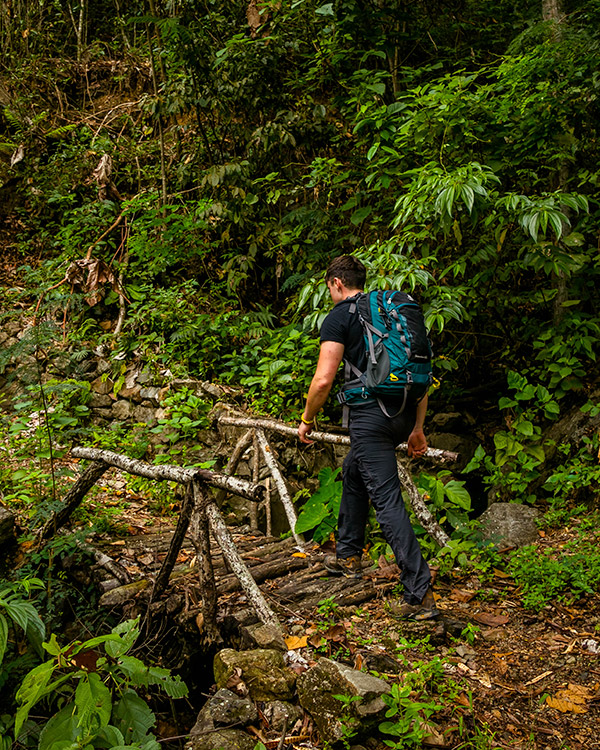
Wear long sleeves and pants of lightweight, quick-dry material. Good shoes with grip are essential. Bring a hat, and always carry a rain jacket. Avoid cotton, which stays wet and heavy.
Is It Safe To Trek In The Jungle?
With proper planning and a guide, jungle trekking is generally safe. The main risks are getting lost, dehydration, and insect bites. Always tell someone your plans and follow local advice.
Can I Go Jungle Trekking Alone?
It’s not recommended, especially for beginners. The jungle can be disorienting, and help is far away if you get hurt. Go with at least one partner or a local guide.
What Do I Do If I Get Lost During A Jungle Trek?
Stay calm and stay where you are. Use a whistle or bright clothing to signal. Try to retrace your steps only if you’re sure. If you have a phone or GPS, use it. Signal for help and wait for rescuers.
Jungle trekking is a true adventure—a test of body, mind, and spirit. It offers deep connection with nature, but also demands respect and preparation. With the right approach, even the most challenging trek becomes a journey to remember. Take your time, prepare well, and enjoy the wild beauty of the jungle.