

Keeping your wakeboard tower in top shape is key if you want safe, trouble-free days on the water. A well-maintained tower not only looks good—it also protects your gear, your boat, and your riders. But many boat owners don’t realize that these structures need special care. Regular cleaning is just the start; you also need to check for corrosion, tighten hardware, and more.
This article covers everything you need to know to keep your wakeboard tower strong and secure. You’ll learn exactly what to check, how often to do it, and which mistakes to avoid. Whether you’re new to wakeboarding or have years of experience, these tips will save you time, money, and headaches down the line.

36% off Today’s Exclusive Deals
Limited-time Exclusive Deals. Check current discount on Amazon.
Check Price on Amazon As an Amazon Associate I earn from qualifying purchases.Why Wakeboard Tower Maintenance Matters
Wakeboard towers are exposed to sun, water, and wind every trip. Over time, saltwater, rain, and even dirt can wear down the materials, making the tower weak. If you ignore small problems, you risk bigger issues like cracks, rust, or loose joints.
A poorly maintained tower can:
- Rattle and squeak at high speeds
- Damage your boat’s hull or deck
- Put riders at risk if it fails under load
- Lower your boat’s resale value
Regular care is more than cleaning. It’s about keeping your boat safe and extending the life of your investment.
Types Of Wakeboard Towers And Their Maintenance Needs
Not all wakeboard towers are the same. The type you have affects how you care for it. Most towers are made from aluminum or stainless steel, but some older models use anodized steel or even powder-coated surfaces.
Main Wakeboard Tower Materials
Here’s how the most common materials compare:
| Material | Durability | Corrosion Risk | Typical Finish | Maintenance Level |
|---|---|---|---|---|
| Aluminum | High | Medium (esp. saltwater) | Polished, Anodized | Moderate |
| Stainless Steel | Very High | Low | Polished, Brushed | Low |
| Powder-Coated Steel | Medium | High if scratched | Colored (Powder) | High |
Aluminum towers are popular because they’re light and strong, but they can corrode if the finish wears off. Stainless steel towers resist rust best but cost more. Powder-coated towers look sharp but need extra care because scratches expose the metal to rust.
Fixed Vs. Folding Towers
Wakeboard towers come in two main designs:
- Fixed towers: Sturdy, less moving parts, fewer points to check.
- Folding towers: More joints and hinges that need regular tightening and greasing.
If you have a folding tower, pay extra attention to the hinges, pins, and locking mechanisms.
Cleaning Your Wakeboard Tower
Cleaning isn’t just for looks. Dirt, salt, and water spots can eat into the finish and hide early signs of damage.
Step-by-step Cleaning Process
- Rinse with fresh water after every use, especially in saltwater.
- Wash with a soft sponge and boat soap once a month. Avoid harsh household cleaners that can strip protective coatings.
- Dry with a microfiber towel to prevent water spots.
- Polish aluminum or stainless steel with a marine-safe polish every few months.
Don’t forget the joints, mounts, and bolts. Dirt can build up in these spots and lead to corrosion.
Cleaning Tips For Different Surfaces
- For anodized aluminum, use only non-abrasive cleaners to avoid scratching.
- For powder-coated towers, fix chips or scratches right away to prevent rust under the coating.
- For stainless steel, a light polish helps repel fingerprints and water stains.
Never use steel wool or harsh scouring pads—they’ll scratch and weaken the finish.
Inspecting Your Wakeboard Tower
Regular inspection is the secret to catching small problems before they grow. It only takes a few minutes but can save you from costly repairs or dangerous situations.
What To Look For
- Loose bolts or fasteners: Check every mount point, hinge, and connection.
- Cracks in welds or tubing: Look closely at high-stress areas and bends.
- Corrosion or rust spots: Check inside joints, under hardware, and around mounts.
- Worn bushings or gaskets: These parts keep the tower snug and quiet.
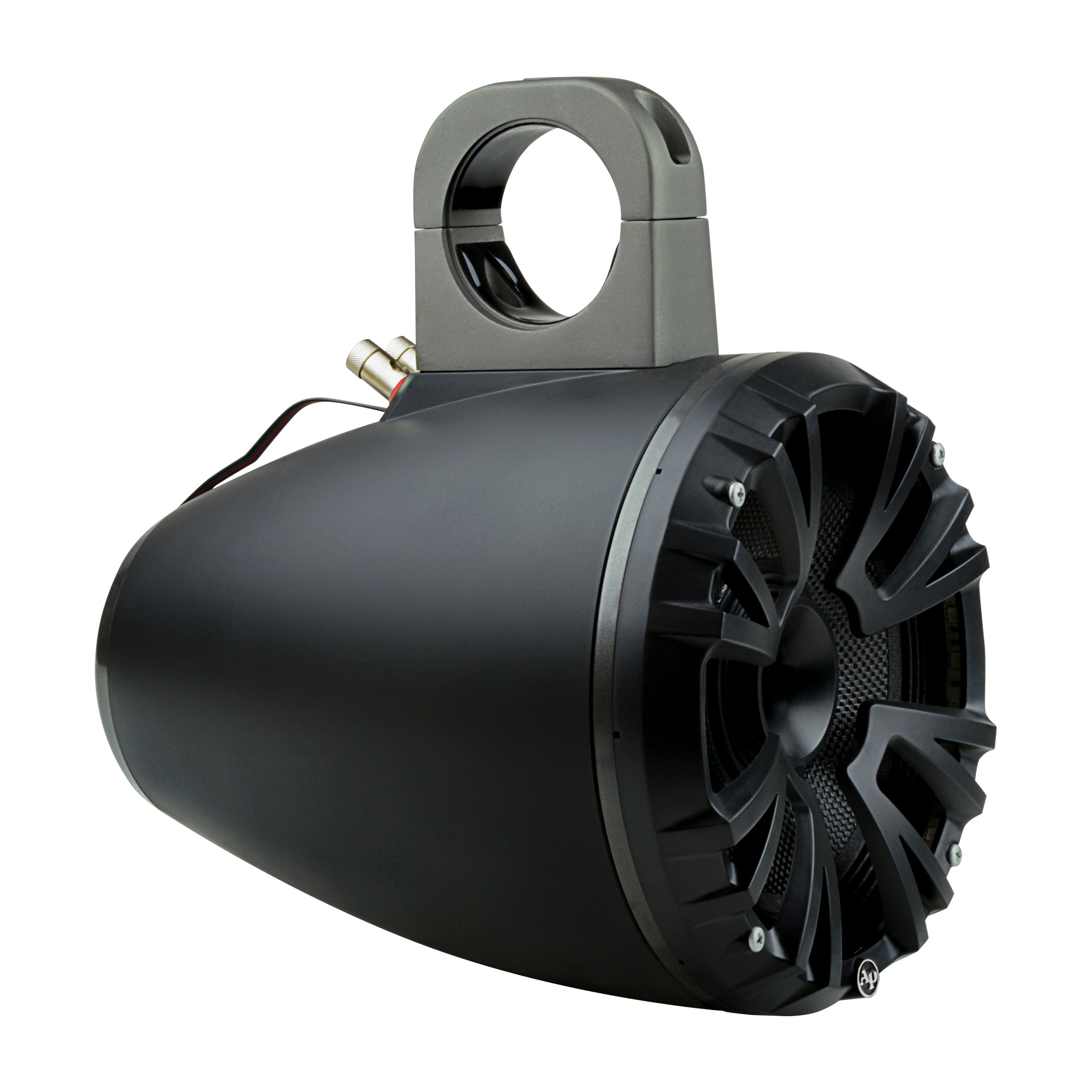
- Damaged accessories: Speakers, lights, racks, and bimini tops can hide problems.
It’s smart to keep a small logbook of your checks—write down the date and any work done. This helps with warranty claims and resale value.
How Often To Inspect
- Quick check: Before every trip (2–5 minutes)
- Full inspection: Every 1–2 months, or after heavy use
If you ride in saltwater, inspect more often. Salt speeds up corrosion and loosens hardware.
Tightening And Lubricating Hardware
Loose bolts are one of the most common wakeboard tower problems. The vibration from riding, wake jumps, and towing can slowly loosen fasteners over time.
How To Tighten Your Tower
- Use the right tool—usually an Allen wrench or socket set.
- Check all main tower mounting points first.
- Move to side supports, crossbars, and folding joints.
- Tighten until snug, but don’t over-torque. Too much force can strip threads.
Some towers use nylock nuts or special washers to prevent loosening. If you see any missing, replace them right away.
Lubricating Moving Parts
Fold-down towers and some racks have moving joints. Use a marine-grade silicone spray or white lithium grease on:
- Hinges
- Locking pins
- Swivel joints
Wipe off extra grease to prevent dirt buildup. Never use WD-40 as your only lubricant—it’s good for cleaning but doesn’t last as a grease.
How Often To Tighten And Lubricate
- After the first 5 hours: Towers sometimes settle after initial use.
- Every 20–30 hours of boating: Routine check.
- After trailering: Vibrations from the road can loosen hardware.
Protecting Against Corrosion
Corrosion is the enemy of all metal towers. Even freshwater boats can develop small rust spots if not cared for.
Preventing Corrosion
- Rinse your tower with fresh water after every outing—especially in saltwater.
- Dry all surfaces, focusing on tight spaces.
- Apply corrosion inhibitor sprays to bolts and hidden areas.
- Touch up nicks and chips in the finish as soon as you spot them.
Aluminum towers may develop a white, chalky look (oxidation). Polish this away with a gentle cleaner and apply a protective wax. For steel towers, watch for orange or brown spots and treat them with a rust remover.
Comparison Of Corrosion Risks
Here’s how corrosion risks compare between tower materials in saltwater and freshwater:
| Material | Freshwater Risk | Saltwater Risk | Typical Lifespan |
|---|---|---|---|
| Aluminum | Low | Medium | 10–20 years |
| Stainless Steel | Very Low | Low | 20+ years |
| Powder-Coated Steel | Medium | High | 5–10 years |
A quick tip: store your boat with the tower up if possible. This allows water to drain out and reduces trapped moisture that speeds up corrosion.
Caring For Tower Accessories
Many wakeboard towers have accessories like speakers, lights, racks, and bimini tops. These parts need their own care routines.
Speakers And Lights
- Check the mounting brackets for looseness.
- Wipe down with a damp cloth—avoid pressure washers.
- Inspect wiring for cracks, salt buildup, or sun damage.
- Seal any open connectors with marine-grade electrical tape.
Board Racks
- Wash and dry after every use.
- Lubricate any moving parts or hinges.
- Check for worn rubber inserts or padding.
Bimini Tops
- Rinse off dirt and salt.
- Let dry completely before storing to prevent mold.
- Check the stitching and fabric for tears or UV damage.
Remember, a damaged accessory can put extra stress on the tower itself. Fix small issues before they lead to bigger ones.
Common Wakeboard Tower Problems And How To Fix Them
Some issues pop up more often than others. Here’s how to spot and solve them:
Squeaking Or Rattling
- Usually caused by loose bolts or worn bushings.
- Tighten all hardware and replace rubber inserts if needed.
Corrosion Spots
- Clean with a marine rust remover and protect with wax or spray.
- For deep rust, sand lightly and touch up with matching paint or coating.
Cracked Welds
- Do not use the tower until fixed. Take it to a marine welder for professional repair.
Stiff Joints Or Hinges
- Spray with silicone lubricant and move the joint back and forth.
- If still stiff, check for bent parts or hidden corrosion.
Bent Tubing
- If the bend is small, some specialty shops can straighten it.
- Large bends or dents often mean replacement is needed for safety.
Don’t ignore small problems—wakeboard towers handle heavy loads and high forces. Early repairs can prevent accidents.
Seasonal Wakeboard Tower Maintenance
At the start and end of each boating season, give your wakeboard tower a full checkup.
Spring Start-up
- Inspect all bolts, welds, and mounts for winter damage.
- Clean and polish the tower.
- Test all electrical accessories.
- Lubricate moving parts.
End-of-season Storage
- Wash and dry the tower completely.
- Remove accessories that could be stolen or damaged.
- Cover exposed mounts and joints with a corrosion inhibitor.
- If possible, store the boat in a dry, covered location.
For boats stored outdoors, consider a tower cover or wrap for extra protection.
Mistakes To Avoid When Maintaining Your Wakeboard Tower
Many boaters make simple errors that lead to costly repairs. Here are some key mistakes:
- Ignoring early signs of wear: Small rattles or spots of rust quickly become bigger problems.
- Using the wrong cleaners: Household cleaners can strip protective coatings.
- Over-tightening bolts: This can crack fiberglass or strip threads.
- Skipping lubrication: Moving parts need regular grease to stay smooth.
- Not checking accessories: Loose speakers or racks can damage the tower structure.
- Storing the boat wet: Moisture trapped in joints or covers speeds up corrosion.
- Using non-marine hardware: Regular nuts and bolts may rust quickly—always use marine-grade replacements.
If you’re unsure about a repair, ask a local marine technician. They have the right tools and experience to keep your tower safe.
When To Replace A Wakeboard Tower
Even with good care, every tower has a lifespan. But when should you consider replacing yours?
- Cracks in main support tubing or welds: Welding repairs can be strong, but repeated cracks mean the metal is fatigued.
- Severe corrosion: If rust has eaten through the tubing, replacement is safer.
- Bent or twisted frame: Serious bends often can’t be fixed safely.
- Noisy, loose, or wobbly feel even after tightening: The structure may be worn out.
A new tower is a big investment, but it’s worth it for rider safety and boat value.
Professional Maintenance Vs. Diy
Most basic wakeboard tower maintenance can be done at home with simple tools. But some jobs need a professional touch:
- Welding or structural repairs
- Electrical work for tower lights or speakers
- Major corrosion removal or refinishing
If your tower is still under warranty, check the terms. DIY repairs may void coverage. Many dealers offer yearly inspections or discounted service packages.
For more details on wakeboard tower designs and care tips, the Wakeboarding Wikipedia page offers a helpful overview.
Frequently Asked Questions
What’s The Best Way To Remove Saltwater Stains From My Wakeboard Tower?
Mix warm water with a small amount of boat soap and use a soft sponge. Rinse well and dry with a microfiber towel. For stubborn spots, use a marine-safe metal polish. Avoid abrasive pads—they scratch the surface.
How Tight Should I Make The Bolts On My Wakeboard Tower?
Bolts should be snug but not over-tightened. Use a torque wrench if possible; most towers need 15–20 ft-lb of torque. Too tight can damage the boat or strip threads.
Can I Paint My Wakeboard Tower To Cover Up Corrosion?
Yes, but proper prep is critical. Remove all rust and sand smooth. Use a marine primer and matching paint. Powder-coating is best for long-term protection but needs professional equipment.
How Often Should I Inspect My Wakeboard Tower?
Do a quick check before every trip, and a full inspection every 1–2 months. Saltwater users should inspect more often because salt speeds up corrosion and loosens hardware.
Is It Safe To Install Extra Accessories On My Wakeboard Tower?
Yes, if you follow the manufacturer’s weight and mounting guidelines. Too many heavy accessories can stress the tower. Always use marine-grade mounting kits and check mounts regularly.
Caring for your wakeboard tower is easy once you know what to watch for and how to fix small issues. With regular checks, cleaning, and smart storage, your tower will stay strong and safe for many seasons on the water.

