

Most quality AC gauge sets last about 5 to 15 years with proper care and use.
I’ve worked on HVAC systems for years and tested many tools, so I know what keeps AC gauge sets working longer. This guide covers typical lifespans, what shortens life, maintenance tips, buying advice, and clear signs you need replacement. Read on for practical, experience-backed answers that help you get the most from your AC gauge sets.

36% off Today’s Exclusive Deals
Limited-time Exclusive Deals. Check current discount on Amazon.
Check Price on Amazon As an Amazon Associate I earn from qualifying purchases.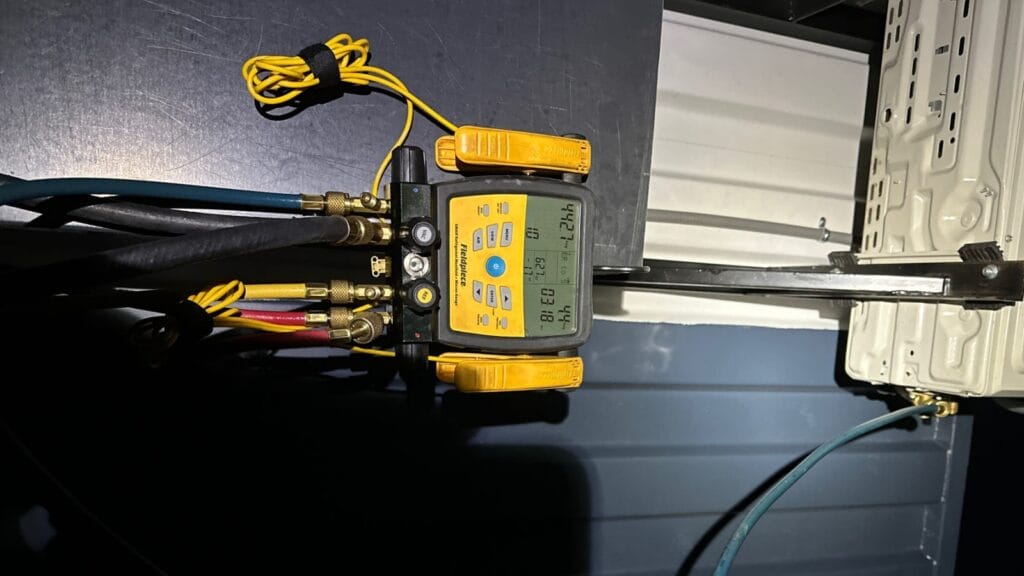
What is an AC gauge set and why lifespan matters
An AC gauge set is a tool used to measure refrigerant pressure in HVAC and automotive systems. It usually includes two gauges, a manifold, and hoses with service valves. AC gauge sets help technicians charge, evacuate, and diagnose air conditioning systems.
Knowing how long AC gauge sets last matters because faulty gauges or hoses can give bad readings, leak refrigerant, and slow down repairs. A worn set can also damage HVAC components or cause safety issues. I learned early in my career that reliable AC gauge sets save time and money.

Typical lifespan: what to expect for AC gauge sets
Most mid-range AC gauge sets last 5 to 10 years with normal use. Higher-end, pro-grade sets made of quality brass and reinforced hoses can work 10 to 15 years or more. Cheap sets with thin hoses and stamped metal parts often fail in 1 to 3 years.
Lifespan depends on how often you use the set and what jobs you do. Daily use on a service truck shortens life. Light home or occasional shop use stretches it out.

Factors that affect how long AC gauge sets typically last
Material quality
- Brass manifold and brass fittings last longer than plated zinc.
- Reinforced rubber or stainless-steel braided hoses resist kinking and abrasion.
Use frequency - Daily professional use shortens life compared to occasional DIY use.
Handling and storage - Proper storage avoids kinks, UV damage, and oil contamination.
Exposure to chemicals and refrigerants - Some refrigerants and oils can degrade hoses and seals over time.
Seals and O-rings - O-rings wear out and cause leaks; they are common failure points.
Gauge calibration and impact damage - Dropping gauges or exposing them to overpressure can damage internal parts and skew readings.
Temperature extremes - Extreme heat or cold can harden hoses and weaken seals in AC gauge sets.
Each of these factors plays a role. In my shop, replacing O-rings and hoses extended many sets beyond expected life.

Signs your AC gauge set needs replacement
Leaking hoses or fittings
- Visible oil, refrigerant smell, or a hissing sound means a leak.
Gauges not returning to zero - Needle that sticks or reads inaccurately shows internal damage.
Cracked or hardened hoses - Hoses that crack or collapse under vacuum need replacement.
Damaged manifold or valves - Valve leaks, wrong thread fit, or broken handles are red flags.
Repeated calibration failures - If gauges won’t calibrate, they may be beyond repair.
If you see these signs, stop using the set for charged systems until you fix or replace it. Continuing to use a faulty AC gauge set risks system contamination and inaccurate service.

Maintenance tips to extend the life of your AC gauge sets
Flush and clean after heavy use
- Wipe down the manifold and hoses. Remove oil and debris.
Replace O-rings regularly - Keep spare O-rings and change them when you open connections.
Store properly - Coil hoses loosely, avoid direct sunlight, and keep the set in a case.
Avoid overpressure - Use gauges rated above expected system pressures. Protect from pressure spikes.
Calibrate periodically - Send gauges for calibration or check against a known standard once a year.
Repair small issues early - Replace a leaking hose or a sticky valve before the whole set fails.
I follow a simple routine: clean, inspect, swap O-rings, and keep gear in a padded case. That routine has kept my AC gauge sets functional far longer than average.
Buying guide: choose AC gauge sets that last
Look for these features
- Brass manifold and chrome plating for corrosion resistance.
- Reinforced hoses with stainless braid or durable thermoplastic.
- Replaceable cores and O-rings for easy repairs.
- Gauges with clear face, dampening, and calibration options.
Pro vs budget
- Pros: Better materials, longer warranty, replaceable parts. Worthwhile for regular work.
- Budget: Fine for occasional DIY, but expect shorter life and more maintenance.
Warranty and support
- A good warranty and parts availability increase trust and longevity of AC gauge sets.
When I upgraded to a pro-grade set, I saved time and avoided frequent replacements. The up-front cost was covered by fewer failures and quicker jobs.
Common mistakes and troubleshooting with AC gauge sets
Common mistakes
- Leaving hoses hooked to charged systems for long periods.
- Forcing mismatched fittings or using wrong adapters.
- Not checking O-rings and seals before use.
Quick troubleshooting
- If readings are off, check for leaks and zero the gauges. Replace O-rings first.
- If a gauge needle sticks, tap gently and re-zero; replace gauge if it still sticks.
- For hose collapse under vacuum, replace the hose and test again.
These small fixes often restore an AC gauge set to useful life without full replacement.
How often should you calibrate AC gauges?
Calibrate professional gauges at least once a year or after any impact. For occasional DIY sets, check calibration before critical jobs.
Can damaged hoses be repaired?
Minor leaks at fittings can be fixed with new O-rings or ferrules. Severely cracked hoses should be replaced to avoid hidden contamination.
How does refrigerant type affect longevity?
Some refrigerant oils are more aggressive toward elastomers. If you change refrigerant types, inspect hoses and seals more often.
Frequently Asked Questions of How long do AC gauge sets typically last?
How long do professional AC gauge sets usually last?
Professional AC gauge sets typically last 10 to 15 years with regular maintenance and careful handling. Quality materials and yearly calibration boost longevity.
Can I extend life by replacing parts?
Yes. Replacing O-rings, hoses, and repairable valves can extend a set’s life by several years. Keep spare parts and do small repairs promptly.
Are cheap AC gauge sets worth it for DIYers?
Cheap sets work for occasional home tasks but often fail sooner. If you use a set frequently, invest in a better kit to save time and prevent leaks.
How do I know if a gauge is out of calibration?
A gauge that does not return to zero or gives inconsistent readings compared to a reference is likely out of calibration. Send it for service or replace it.
Should I replace hoses after a refrigerant switch?
Inspect hoses and seals when switching refrigerants; some oils and additives can degrade materials. Replace hoses if they show wear or are incompatible.
Is it safe to continue using a slightly leaky set?
No. Even small leaks can waste refrigerant and give wrong readings. Fix leaks before continuing work to protect systems and the environment.
Conclusion
AC gauge sets commonly last from a few years to over a decade, depending on build quality, use, and care. Choose a set that matches your work level, maintain it with regular checks and part replacements, and replace failing components early to avoid bigger problems. Start by inspecting your set now, plan simple maintenance, and consider upgrading if you rely on gauges daily. Leave a comment with your experience, subscribe for more HVAC tips, or check out pro-grade options to improve your toolkit.

