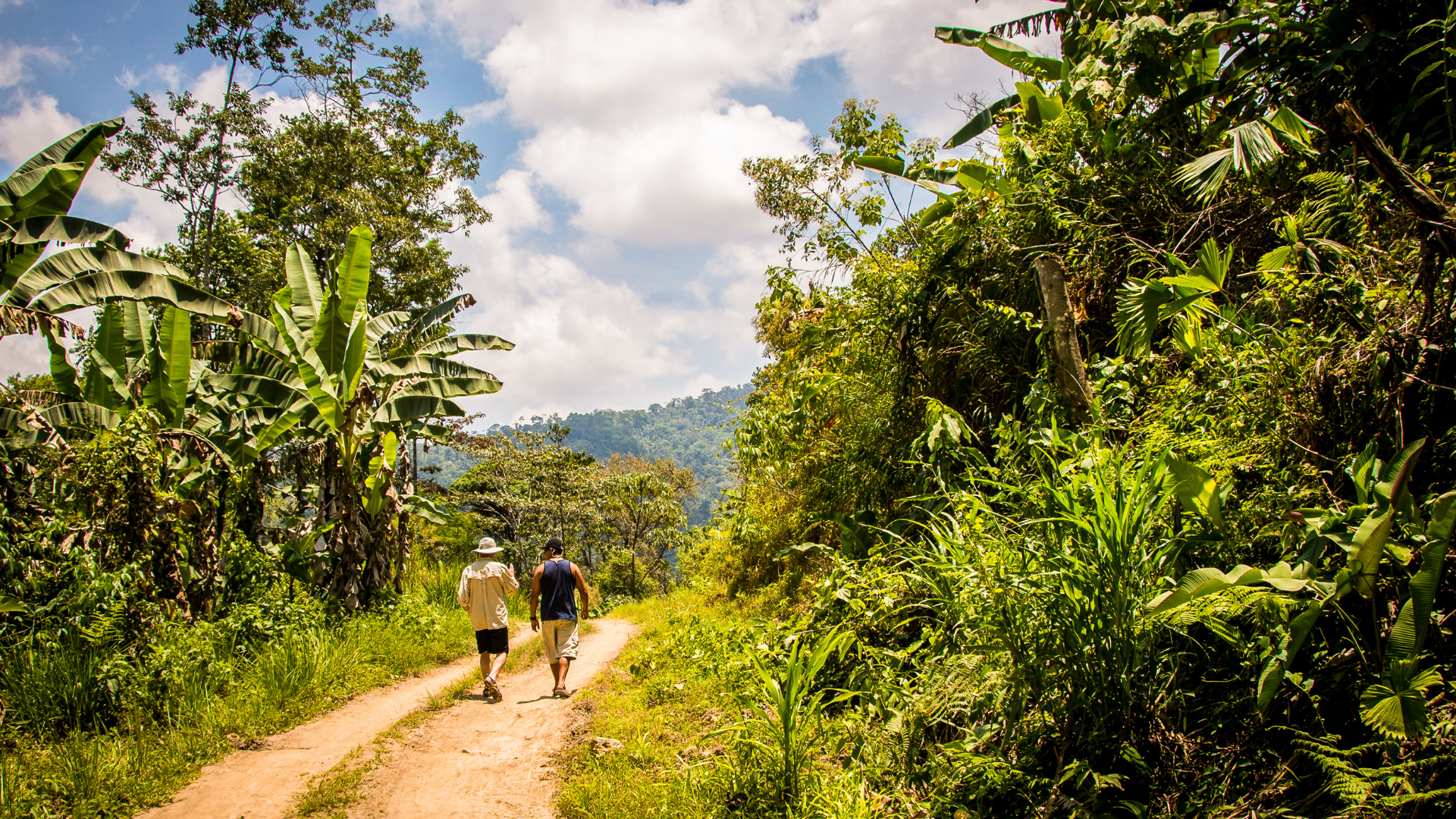
Exploring the wild heart of a jungle is a dream for many travelers. The deep green canopy, the sound of birds, and the rush of a hidden waterfall all create a sense of adventure you can’t find anywhere else. But with hundreds of companies offering tours, different locations, and a wide range of prices, picking the right jungle trekking tour can be confusing—even stressful.
Making the wrong choice can mean missing out on wildlife, feeling unsafe, or even putting your health at risk. In this guide, you’ll find everything you need to know to confidently choose a jungle trekking tour that matches your goals, experience, and safety needs.

36% off Today’s Exclusive Deals
Limited-time Exclusive Deals. Check current discount on Amazon.
Check Price on Amazon As an Amazon Associate I earn from qualifying purchases.Understanding Jungle Trekking Tours
A jungle trekking tour isn’t just a walk in the woods. It’s an organized adventure that brings you into some of the most untouched parts of the world. These tours can vary a lot in terms of location, difficulty, length, group size, and what you’ll see. Some tours focus on wildlife, while others highlight indigenous cultures or rare plants. The choices are wide, from easy half-day walks to multi-day journeys that test your stamina and courage.
Why Go With A Tour Instead Of Solo?
While some experienced trekkers do head into the jungle alone, most people benefit from a tour. Guides know the area, can spot hidden animals, and help you stay safe from dangers like getting lost or meeting dangerous wildlife. Tours also handle permits, logistics, and often provide meals and lodging.
In some countries, going without a guide is even illegal in certain parks or reserves.
Key Factors To Consider When Choosing A Jungle Trekking Tour
When looking for the right jungle trekking tour, you should compare more than just price. Here are the most important things to think about:
1. Destination And Ecosystem
Not all jungles are the same. South America, Southeast Asia, Central Africa, and even parts of Australia offer unique jungle experiences. Some are famous for orangutans, others for colorful birds, jaguars, or ancient ruins. Ask yourself what you want to see and where you want to go.
Examples of popular jungle trekking destinations:
- Amazon Rainforest (Brazil, Peru, Ecuador)
- Borneo (Malaysia and Indonesia)
- Chitwan National Park (Nepal)
- Madidi National Park (Bolivia)
- Kinabatangan River (Sabah, Malaysia)
Different places have different climates, wildlife, and challenges. Research each location’s highlights and risks.
2. Difficulty Level And Physical Demands
Jungle trekking can be easy or extremely tough. Some tours are flat and short, while others involve steep climbs, river crossings, or long days in high heat and humidity.
Consider:
- How fit are you?
- Can you walk for several hours a day?
- Are you comfortable with mud, leeches, or sleeping in basic conditions?
Tour operators usually rate trips as easy, moderate, or challenging. Always check what this means for your chosen destination, as “easy” in one country might feel hard if you’re not used to the climate or terrain.
3. Group Size And Tour Type
The number of people on your tour can change your experience. Small groups (4-8 people) are quieter, better for wildlife viewing, and more flexible. Larger groups can be cheaper but might feel crowded or slow.
Tour types include:
- Private tours (just your group, more expensive, personalized)
- Group tours (join others, often cheaper, social experience)
- Custom tours (choose your own route and activities)
4. Guide Experience And Language Skills
A good guide does much more than lead the way—they share knowledge, ensure safety, and help you spot animals you’d miss alone. Look for:
- Certified guides with first aid training
- Guides who speak your language well
- Local guides (they often know the area best)
Ask tour companies about their guides’ experience and check reviews from past travelers.
5. Tour Length And Itinerary
Jungle treks can last from a few hours to several weeks. Longer tours may mean deeper exploration but require more preparation.
Compare:
- How many hours of hiking per day?
- What’s included (meals, lodging, transport)?
- Are there rest days or chances to swim, relax, or visit villages?
Ask for a detailed itinerary before booking.
6. Safety, Health, And Emergency Planning
Jungles are beautiful but can be dangerous. Reliable tour operators take safety seriously.
Key safety factors:
- Does the company carry first aid kits?
- Do guides have emergency communication devices?
- Are there clear plans for evacuation?
- Is drinking water provided or purified?
Check if vaccinations or malaria pills are needed, and don’t be shy about asking how they handle health issues.
7. Environmental And Cultural Impact
Responsible tourism helps protect the jungle and supports local communities. Choose tours that:
- Minimize waste and avoid single-use plastic
- Respect wildlife (no feeding or disturbing animals)
- Employ local guides and buy local food
- Support conservation projects
Look for certifications like Rainforest Alliance or Travelife.
8. Cost And What’s Included
Jungle trekking prices range from $30 for a half-day walk to over $2,000 for week-long expeditions. Always check what the price covers:
- Park entry fees
- Transport to and from the jungle
- Meals and water
- Accommodation (tents, lodges, homestays)
- Gear rental (boots, mosquito nets)
Cheaper tours may save money but often cut corners on safety, food, or guides.

Comparing Jungle Trekking Tours: A Practical Table
Here’s a comparison of three example tours in different regions to show how much tours can vary:
| Tour Name | Location | Length | Difficulty | Group Size | Price (USD) | Main Highlights |
|---|---|---|---|---|---|---|
| Amazon Explorer | Peru | 4 days | Moderate | 6-10 | 950 | Wildlife spotting, canopy walk, river cruise |
| Borneo Orangutan Trek | Malaysia | 3 days | Easy | 2-8 | 600 | Orangutans, proboscis monkeys, night walk |
| Chitwan Jungle Safari | Nepal | 2 days | Easy | 10-15 | 220 | Rhinos, elephants, cultural village visit |
Prices and details change often—always check the latest information before booking.
How To Research And Shortlist Tours
With so many tours online, how do you know which are trustworthy? Here’s how to create a shortlist of safe, reliable options.
1. Read Reviews And Ask For Recommendations
Look for recent reviews on sites like TripAdvisor or Google. Pay attention to:
- Comments about guide quality
- Cleanliness of accommodations
- Safety and emergency handling
- Actual wildlife sightings
Ask friends, travel forums, or social media groups for suggestions, especially from people who have similar interests or fitness levels.
2. Check Certifications And Permits
Serious tour operators often have certifications. Ask if the company is registered with local tourism boards or environmental organizations. In some countries, only licensed companies can operate in national parks.
3. Compare Itineraries And Inclusions
Make a spreadsheet or list to compare:
- Start/end points (is transport included?)
- Accommodation types
- Meals (catered for dietary needs?)
- Extra activities (canoeing, birdwatching, cultural visits)
This helps you see which tour gives you the best value for your goals.
4. Contact Companies Directly
Don’t be afraid to email or call with questions. Good companies reply quickly and answer questions clearly. Ask for sample itineraries, guide profiles, or safety policies.
5. Watch For Red Flags
Be careful if you notice:
- No clear safety policies or first aid info
- Very low prices (can mean poor quality or illegal operation)
- Pressure to pay in cash only
- No recent reviews

What To Ask Before Booking
Before you hand over your money, ask these questions:
- What’s included in the price?
- How many people will be in the group?
- What are the sleeping arrangements?
- What is your policy for bad weather or emergencies?
- Can you cater for special diets or allergies?
- What type of wildlife can I realistically expect to see?
- Are there age, fitness, or health requirements?
- What is your cancellation policy?
If a company can’t answer these questions, consider another operator.
Packing And Preparation Tips
A successful jungle trek depends on good preparation. Don’t trust that the tour company will provide everything—some basics you must bring yourself.
Essential Packing List
- Lightweight, long-sleeve shirts and pants (for sun and insect protection)
- Good trekking shoes or boots (waterproof if possible)
- Hat and sunglasses
- Rain jacket or poncho
- Insect repellent (with DEET or picaridin)
- Sunscreen
- Reusable water bottle
- Personal medications (bring extra, as pharmacies are rare)
- Waterproof bags for electronics
- Flashlight or headlamp
- Quick-dry towel
- Basic first aid kit
Many tours provide sleeping mats, mosquito nets, or rubber boots—check before packing.
Special Considerations For The Jungle
- Humidity is high: Clothes dry slowly, so pack enough to stay comfortable.
- Electricity is rare: Charge devices ahead of time and bring power banks.
- Internet is limited: Download maps, translation apps, or books before you go.
- Cash is king: In remote areas, you may not find ATMs or card readers.
Health And Vaccinations
Visit a travel clinic 4-6 weeks before your trip. You may need vaccines for yellow fever, typhoid, or hepatitis, depending on the location. Malaria pills and strong insect repellent are often recommended. Check trusted sources like the CDC for the latest health advice.
Jungle Trekking Tour Cost Breakdown
To help you budget, here’s a typical cost breakdown for a 3-day jungle tour:
| Expense Item | Estimated Cost (USD) | Notes |
|---|---|---|
| Tour Fee | 500 | Includes guide, meals, permits |
| Transport to Start Point | 80 | Bus or local flight |
| Extra Gear Rental | 25 | Boots, backpack, rain poncho |
| Tips for Guides | 30 | Optional, but expected in many places |
| Vaccinations & Medication | 100 | One-time cost |
| Miscellaneous | 40 | Snacks, souvenirs |
Total: $775 (for a 3-day tour, not including flights to the country). Tours in less touristy places may cost less, while private or luxury tours can be much more.
Real-life Examples: Common Mistakes Beginners Make
Many first-time trekkers make avoidable errors. Here are two common mistakes and how to avoid them:
1. Underestimating the Weather: The jungle is hot, wet, and unpredictable. Packing only one set of clothes or not bringing a rain jacket can make you miserable. Always prepare for rain, mud, and sudden temperature drops.
2. Ignoring Group Size: Some travelers focus only on price and end up in large groups where it’s hard to hear the guide or see wildlife. Smaller groups cost more but give a much better experience.
Non-obvious insight: Some jungle tours require you to carry all your gear, while others use porters or boats. Double-check before booking, as carrying a heavy backpack in high humidity is much harder than it sounds.
Another insight: In some areas, the best wildlife sightings happen at dawn or night. Choose tours that include early-morning or night walks for a better chance to spot rare animals.
Responsible Tourism: How Your Choices Matter
Jungle areas are often home to endangered animals and vulnerable communities. Your choices as a traveler can help or harm these places.
Tips for responsible trekking:
- Do not touch, feed, or chase wildlife.
- Follow your guide’s instructions about where to walk.
- Take all trash out with you, even if the tour provides bins.
- Choose tours that give back to local communities, such as those that hire indigenous guides or buy supplies locally.
How To Handle Problems During A Trek
Even with the best planning, things can go wrong. Here’s what to do:
- If you feel sick: Tell your guide right away. Don’t push through serious symptoms.
- If you get lost: Stay where you are and use a whistle or call for help. Your guide should always know the area.
- If you’re uncomfortable: Speak up. Whether it’s food, pace, or group dynamics, most guides want you to enjoy the trip.
Frequently Asked Questions
What Is The Best Time Of Year To Go Jungle Trekking?
It depends on the region. In the Amazon, the dry season (June–November) offers easier trails and fewer mosquitoes, but the wet season (December–May) means fuller rivers and more wildlife by boat. In Southeast Asia, November to March is usually drier and cooler. Always research your destination’s climate and check with tour operators for the best months.
How Can I Know If A Tour Company Is Safe And Reliable?
Look for companies with strong reviews, clear safety policies, and official permits. Ask about first aid training, emergency plans, and group size limits. Trusted operators will answer questions directly and won’t hide details. Certifications or awards from local tourism boards are also a good sign.
Are Jungle Trekking Tours Suitable For Children Or Older Adults?
Some tours welcome families or older travelers, especially those rated “easy. ” Ask about age and fitness requirements before booking. Private tours can be tailored to your needs. Always check for safety, proper supervision, and suitable accommodations.
How Much Wildlife Can I Expect To See?
Wildlife sightings depend on location, group size, and luck. Smaller groups and quiet guides increase your chances. Some animals (like orangutans or tapirs) are easier to see in certain parks or at certain times of year. No company can guarantee sightings, but a good guide improves your odds.
What Should I Do If I Have Dietary Restrictions?
Most reputable tour operators can cater to vegetarians, vegans, or allergies if you tell them in advance. Always ask before booking and remind your guide at the start of the tour. Bring snacks or supplements just in case.
Exploring the world’s jungles can be life-changing, but only if you pick a tour that matches your needs and values. By doing your research, asking the right questions, and preparing well, you’ll not only have an adventure but also help protect these amazing places for the future.