

Keyword research is the backbone of successful digital marketing. It helps you understand what people are searching for and how to reach them. If you want to grow your website traffic, attract the right visitors, or rank higher on Google, you must master keyword research.
However, many beginners feel lost with so many tools, strategies, and metrics. This guide explains keyword research in simple steps, giving you clear strategies and real examples. You’ll learn not just how to find keywords, but how to choose the best ones for your goals—without wasting time on guesswork.

36% off Today’s Exclusive Deals
Limited-time Exclusive Deals. Check current discount on Amazon.
Check Price on Amazon As an Amazon Associate I earn from qualifying purchases.What Is Keyword Research And Why Does It Matter?
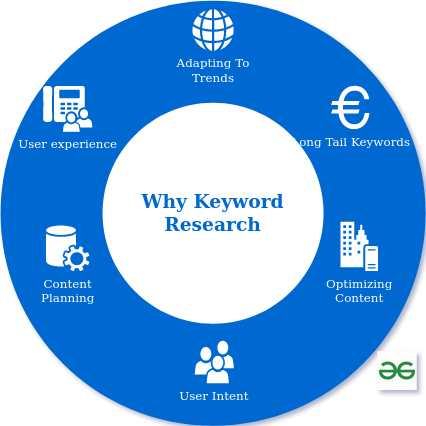
Keyword research is the process of discovering the words and phrases that people type into search engines. These keywords show what your audience wants, what problems they have, and what solutions they seek. For example, if people search for “best running shoes for flat feet,” they are likely looking to buy the right shoes. By understanding and targeting these keywords, you can create content that matches their needs.
The importance of keyword research goes beyond search rankings. It helps you:
- Reach the right people: Attract visitors interested in your topic, product, or service.
- Increase conversions: Target keywords that lead to sales or sign-ups.
- Stay ahead of competitors: Discover keywords your competitors target—or miss.
- Save resources: Focus on keywords that bring results, not just traffic.
Many beginners think keyword research is just about search volume. In reality, factors like search intent, competition, and trends are equally important. Ignoring these can lead to wasted effort.
Understanding Search Intent
Not all keywords are equal. To succeed, you must know why someone types a keyword. This is called search intent. There are four main types:
- Informational: The user wants to learn something (“how to tie a tie”).
- Navigational: The user wants to go to a specific site (“Facebook login”).
- Transactional: The user wants to buy something (“buy iPhone 15 online”).
- Commercial investigation: The user is considering a purchase but wants to compare (“best laptops 2024”).
Matching content to search intent is crucial. If someone is looking for product reviews, but you give them a sales page, they may leave quickly. Google also rewards pages that best satisfy user intent.
How To Find Seed Keywords
Every research process starts with seed keywords. These are basic words or short phrases related to your topic or industry. They act as the starting point to find more specific keywords.
To find seed keywords:
- Brainstorm: Write down words your customers use for your product, service, or niche.
- Check your website: Look at your main pages, categories, or products.
- Analyze competitors: See which keywords appear in their titles, URLs, or content.
- Ask customers: What words do they use when searching for your solutions?
For example, if you sell organic coffee, seed keywords could be “organic coffee,” “best organic coffee,” “buy organic coffee,” or “organic espresso.”
Expanding Your Keyword List
Seed keywords are just the start. To reach more people, you need to find long-tail keywords—longer, more specific phrases. These often have lower competition and higher conversion rates.
Here are reliable ways to expand your list:
Use Google’s Suggestions
When you type a keyword in Google, it suggests related searches. For example, typing “organic coffee” might show:
- Organic coffee near me
- Organic coffee beans online
- Best organic coffee brands
These suggestions are real searches from users. Also, scroll to the bottom of the page for “related searches. ”
Explore Answer Sites And Forums
Websites like Reddit, Quora, and industry forums reveal common questions and problems. Type your seed keyword and see what people ask. For example, you might find “Is organic coffee healthier?”—a great content idea.
Keyword Tools
Keyword research tools give you thousands of suggestions. Popular tools include:
- Google Keyword Planner (free, but requires a Google Ads account)
- Ubersuggest
- Ahrefs
- SEMrush
- Moz Keyword Explorer
Many tools show search volume, competition, and cost-per-click data.
Analyzing Competitor Keywords
Find websites that already rank for your topic. Use tools to see their top keywords. Often, you’ll discover keywords you missed.
Here’s a simple comparison of popular keyword tools:
| Tool | Free Version | Shows Search Volume | Competitor Analysis | Best For |
|---|---|---|---|---|
| Google Keyword Planner | Yes | Yes | No | Beginners, PPC |
| Ubersuggest | Yes (limited) | Yes | Yes | General SEO |
| Ahrefs | No (paid only) | Yes | Yes | Advanced SEO |
| SEMrush | Yes (limited) | Yes | Yes | Competitive research |
Evaluating Keyword Metrics
Not all keywords are worth targeting. The most important metrics are:
- Search volume: How many people search this keyword each month.
- Keyword difficulty: How hard it is to rank on the first page.
- Cost per click (CPC): How much advertisers pay for this keyword. High CPC can signal buying intent.
- Trend: Is the keyword’s popularity rising, falling, or steady?
Let’s compare typical metrics for three example keywords:
| Keyword | Monthly Searches | Keyword Difficulty | CPC (USD) | Trend |
|---|---|---|---|---|
| organic coffee | 18,000 | Medium | 2.10 | Steady |
| best organic coffee beans | 3,200 | Low | 3.50 | Growing |
| where to buy organic coffee | 1,100 | Low | 4.00 | Growing |
A beginner mistake is chasing only high-volume keywords. Often, competition is fierce, and it’s hard to rank. Long-tail keywords may have fewer searches but are easier and convert better.
Choosing The Right Keywords
After gathering keyword data, you must pick the best options for your content. Here’s how to decide:
- Match to your goals: If you want sales, focus on commercial or transactional keywords. For brand awareness, use informational keywords.
- Check the competition: Search your keyword in Google. Are the top results big brands or weak pages? If it’s all big brands, choose easier keywords first.
- Assess search intent: Does the keyword fit your content? If not, skip it—even if it has high volume.
- Consider conversion potential: Long-tail keywords like “buy organic coffee beans online” attract ready-to-buy visitors.
- Balance short and long-tail: Mix popular keywords with specific ones to reach different stages of the customer journey.
A common oversight is ignoring keywords with “low” search volume. For a new site, ranking for many low-volume keywords can bring more traffic than fighting for one big keyword.
Organizing Keywords Into Groups
Once you have a list, group keywords by topic or intent. This helps you create focused content and avoid overlap. For example, group these keywords:
- “best organic coffee brands”
- “top rated organic coffee beans”
- “organic coffee reviews”
These can be covered in a single blog post about the best organic coffee brands.
Grouping also helps with site structure and internal linking. Google likes clear organization, which can boost rankings.
Using Keywords In Content
Finding keywords is only half the battle. You must use them naturally in your content. Here’s how to optimize without keyword stuffing:
- Title tag: Include your main keyword near the start.
- Meta description: Use the keyword to encourage clicks.
- Headings: Place keywords in H1, H2, or H3 headings if it fits.
- First paragraph: Mention the keyword early, but naturally.
- Body text: Use variations and related terms, not just the exact keyword.
- URL: Short, keyword-rich URLs help (e.g., yoursite.com/organic-coffee-beans).
- Image alt text: Describe images with relevant keywords.
Modern SEO is about topic coverage, not repeating the same phrase. Google understands related words and context. For example, “organic coffee beans,” “natural coffee,” and “fair trade coffee” all reinforce your topic.
Here’s a summary of keyword placement best practices:
| Page Element | Keyword Use | Tip |
|---|---|---|
| Title Tag | Main keyword | Place early |
| Meta Description | Main/related keyword | Make it inviting |
| Headings (H1, H2) | Main and variations | Don’t force-fit |
| Content Body | Mix of keywords | Write naturally |
| Image Alt Text | Related keywords | Describe the image |
Tracking Keyword Rankings And Performance
Keyword research doesn’t end when you publish. You need to track which keywords bring traffic, leads, or sales. This helps you improve over time.
Ways to track performance:
- Google Search Console: Shows which keywords bring traffic and how you rank.
- Google Analytics: See which pages drive results.
- Third-party tools: Many keyword tools have position trackers.
Check your rankings monthly. If you’re not moving up, review your content. Maybe it’s not matching search intent, or competitors improved their content.
Non-obvious tip: Track both primary and secondary keywords. Sometimes, you rank for keywords you didn’t target—these can give you new content ideas.
Practical Tips And Common Mistakes
Many new marketers fall into traps with keyword research. Here are tips to avoid them:
- Don’t focus only on volume: High search volume means nothing if you can’t rank or the keyword doesn’t convert.
- Avoid keyword stuffing: Google can detect unnatural use of keywords and may penalize your site.
- Refresh old content: Update existing posts with new keywords and trends. Sometimes, small changes bring big ranking improvements.
- Use location-based keywords: If you serve a local area, add city or region names (e.g., “organic coffee shop in Seattle”).
- Think seasonally: Some keywords spike at certain times (e.g., “Christmas coffee gifts”). Plan content in advance.
- Look for content gaps: Find keywords your competitors ignore—these are often easier wins.
Advanced insight: Don’t ignore question-based keywords like “how to choose organic coffee.” These attract people early in the buying process and build trust.
How Keyword Research Fits Into Overall Seo Strategy
Keyword research connects to other SEO steps:
- Content planning: Build topics around high-potential keywords.
- On-page SEO: Optimize each page for its target keywords.
- Link building: Use keyword research to discover link-worthy content ideas.
- Technical SEO: Organize your site so that search engines can find and understand your keyword themes.
Keyword research is not a one-time task. Search trends change, competitors adapt, and new topics appear. Make it a habit to review and update your keywords every few months.
Leveraging Keyword Research For Paid Search (ppc)
While this guide focuses on organic SEO, the same principles help with paid ads, like Google Ads. Use keyword research to:
- Target high-converting keywords: Focus ad spend where it matters.
- Avoid negative keywords: Block searches that waste your budget.
- Test new keywords: Use PPC to quickly test which keywords convert, then build organic content around winners.
For more on advanced keyword strategies, the Moz Beginner’s Guide is a trusted resource.

Frequently Asked Questions
What Is The Difference Between Short-tail And Long-tail Keywords?
Short-tail keywords are 1-2 words like “coffee” or “running shoes.” They have high search volume but are competitive and often vague. Long-tail keywords are longer, more specific phrases like “best organic coffee for espresso machines.” They have lower volume but higher conversion rates and are easier to rank for.
How Many Keywords Should I Target Per Page?
Focus on one primary keyword and a few closely related secondary keywords per page. This keeps your content focused and avoids confusion. Trying to target too many keywords in one page can make your content weak and unfocused.
How Often Should I Do Keyword Research?
Review your keywords every few months, or when launching new content. Search trends change, and competitors may target new keywords. Regular research helps you stay relevant and spot new opportunities.
Can I Do Keyword Research Without Paid Tools?
Yes. Google Search, Google Keyword Planner, and free tools like Ubersuggest give you valuable data. Also, study competitor sites and use forums for fresh keyword ideas. Paid tools offer more data, but free options work well for most beginners.
What Is Keyword Cannibalization And How Do I Avoid It?
Keyword cannibalization happens when multiple pages on your site target the same keyword. This can confuse search engines and hurt rankings. To avoid it, group similar keywords and create one strong page for each topic, not many weak ones.
Success in SEO starts with smart keyword research. By understanding your audience, using the right tools, and staying focused on user intent, you can drive real results. Remember, keyword research is about quality, not just quantity. With practice, you’ll discover insights your competitors miss and turn searches into growth for your website.

