Losing weight quickly is a common goal for many people. Whether you want to look better, feel healthier, or manage a medical condition, the idea of fast results is appealing. But the truth is, losing weight safely and effectively requires more than just willpower or skipping meals.
You need a plan that works for your body, fits your lifestyle, and supports your long-term health. In this guide, you will learn how to lose weight fast while avoiding the common mistakes that can slow progress or even harm your health.

36% off Today’s Exclusive Deals
Limited-time Exclusive Deals. Check current discount on Amazon.
Check Price on Amazon As an Amazon Associate I earn from qualifying purchases.You will discover proven strategies, practical tips, and real examples to help you achieve your goals with confidence.
Understanding Fast Weight Loss
Before jumping into action, it’s important to know what “fast” really means. Many diets and ads promise you can lose 10 pounds in a week, but is this healthy or even possible? The answer depends on many factors, such as your starting weight, body type, age, and metabolism. Most experts agree that a safe rate is 1–2 pounds per week. Losing more than this often means you are losing water or muscle, not just fat.
Crash diets can cause quick drops on the scale, but they rarely last. Your body needs food for energy, and starving yourself can slow your metabolism. This makes it harder to keep the weight off. The best approach is to combine healthy eating, regular activity, and lifestyle changes. With the right plan, you can lose weight quickly and safely—without risking your health or future results.
Setting Realistic Goals
Setting clear, realistic goals is key for fast weight loss. A common mistake is aiming for dramatic changes, like “I want to lose 20 pounds in two weeks. ” Instead, break your goal into smaller steps. For example, focus on losing 5 pounds in the first two weeks, then adjust as you go.
This helps you stay motivated and track progress.
Write down your goal, why it matters to you, and how you will measure success. For example: “I want to lose 10 pounds in one month to feel more confident and reduce my risk of diabetes. I will weigh myself every week and keep a food diary.” Simple tracking can double your chances of success.
How Diet Affects Fast Weight Loss
Food choices are the most important factor for losing weight quickly. To lose one pound, you need to burn about 3,500 more calories than you eat. This is called a calorie deficit. You can create this deficit by eating less, moving more, or both.
Reducing Calories Safely
Cutting calories doesn’t mean starving yourself. If you cut too much, your body will fight back by slowing your metabolism. Instead, aim for a moderate deficit—usually 500–1,000 calories less than your daily needs. This helps you lose 1–2 pounds per week without feeling tired or hungry.
Here is an example of how calorie intake and weight loss are related:
| Daily Calorie Deficit | Expected Weekly Weight Loss |
|---|---|
| 250 calories | 0.5 pounds |
| 500 calories | 1 pound |
| 1,000 calories | 2 pounds |
Choosing The Right Foods
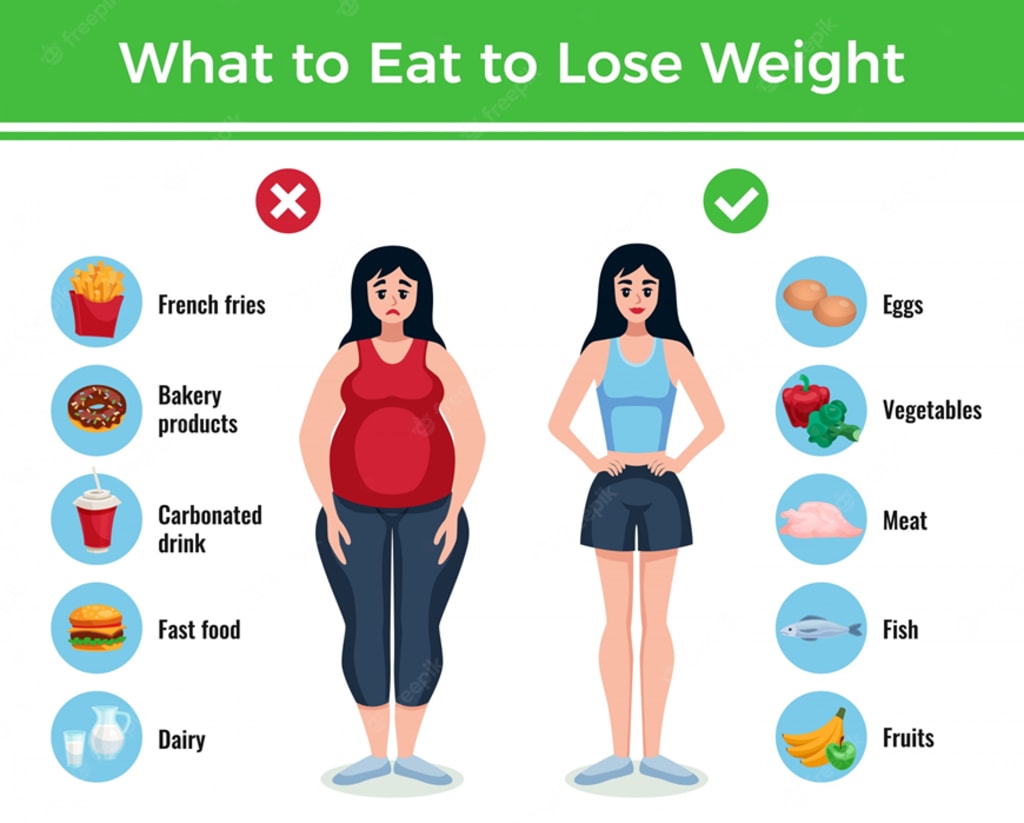
For fast results, focus on foods that are nutrient-dense and low in calories. These include:
- Vegetables: Broccoli, spinach, carrots, peppers
- Lean proteins: Chicken breast, fish, eggs, tofu
- Whole grains: Brown rice, quinoa, oats
- Fruits: Apples, berries, oranges (in moderation)
Limit foods high in sugar, salt, and unhealthy fats. Avoid processed snacks, fried foods, and sugary drinks. These add calories without making you full.
The Power Of Protein
Eating enough protein is one of the best ways to lose weight fast. Protein helps you feel full, keeps your muscles strong, and boosts your metabolism. Try to include a source of protein in every meal. Some studies show that people who eat high-protein diets lose more fat and less muscle than those who eat less protein.
Carbs And Weight Loss
Many fast weight loss diets suggest cutting carbohydrates. While low-carb diets can work, they are not for everyone. Carbs give you energy, especially if you are active. Instead of cutting all carbs, choose whole grains and limit refined sugars. Pay special attention to portion sizes. For most people, reducing carbs by 30–40% can help speed up weight loss without causing fatigue.
Exercise For Fast Weight Loss
Diet alone can help you lose weight, but adding exercise speeds up results and improves your health. Exercise burns calories, builds muscle, and helps keep weight off in the long run.
Cardio Vs. Strength Training
Both cardio and strength training help with weight loss, but they work in different ways. Cardio (like running, swimming, or cycling) burns calories quickly. Strength training (like lifting weights or using resistance bands) builds muscle. More muscle means you burn more calories, even at rest.
Here is a comparison of how many calories common exercises burn in 30 minutes for a 155-pound person:
| Exercise | Calories Burned (30 min) |
|---|---|
| Running (6 mph) | 372 |
| Swimming (vigorous) | 372 |
| Cycling (12–14 mph) | 298 |
| Weightlifting (general) | 112 |
| Walking (4 mph) | 167 |
Creating An Exercise Plan
For fast weight loss, aim for at least 150 minutes of moderate cardio or 75 minutes of intense cardio each week. Add 2–3 sessions of strength training to keep your muscles strong. If you’re new to exercise, start slow and build up. Even short walks or home workouts can make a big difference.
Mix different types of exercise to keep things interesting. For example, try a 30-minute walk on one day, a bike ride the next, and a short strength workout twice a week.
The Role Of Neat
Most people forget about non-exercise activity thermogenesis (NEAT)—the calories you burn doing daily activities like cleaning, walking to the store, or fidgeting. Small changes, like taking the stairs or standing up more often, can add up to big results. Some studies show that increasing NEAT can burn up to 300–400 extra calories per day.
Hydration And Weight Loss
Drinking enough water can speed up weight loss in several ways. Water has no calories, helps you feel full, and supports your metabolism. Sometimes, people think they are hungry when they are actually thirsty.
A study showed that drinking 500 ml (about 17 oz) of water before meals helped people eat less and lose more weight. Aim for at least 8 cups (about 2 liters) per day, more if you exercise or live in a hot climate.
Here are a few tips to boost hydration for weight loss:
- Drink a glass of water before each meal
- Carry a water bottle and sip during the day
- Choose water instead of sugary drinks
Sleep And Stress: The Hidden Factors
Many people focus only on diet and exercise, but sleep and stress are just as important for fast weight loss. Lack of sleep can slow your metabolism and increase cravings for high-calorie foods. High stress can cause emotional eating or make it harder to stick to your plan.
How Much Sleep Do You Need?
Most adults need 7–9 hours of sleep each night. Good sleep helps your body recover and keeps hunger hormones in balance. Try to go to bed and wake up at the same time every day, even on weekends.
Managing Stress
Stress causes your body to release cortisol, a hormone that can increase belly fat and make you crave sugar. Find healthy ways to manage stress, such as:
- Deep breathing
- Meditation
- Gentle exercise (like yoga)
- Talking with friends
Don’t ignore stress or try to fix it with food. Even a few minutes of relaxation can make a difference.

Smart Habits For Lasting Results
Losing weight fast is possible, but keeping it off is the real challenge. Many people lose weight quickly, only to gain it back. Building smart habits is the secret to long-term success.
Meal Planning And Preparation
Planning your meals in advance helps you avoid last-minute choices and stick to your calorie goals. Cook at home when possible, and pack healthy snacks for busy days. Batch cooking—making several meals at once—saves time and keeps you on track.
Mindful Eating
Eating slowly and paying attention to your food can help you eat less and enjoy meals more. Put away your phone, chew each bite well, and stop eating when you feel full. This simple habit can prevent overeating and make weight loss easier.
Tracking Progress
Keep track of your weight, food, and activity. You can use a notebook, phone app, or photos. Tracking helps you see what’s working, spot patterns, and stay motivated. Don’t obsess over daily weight changes—focus on trends over time.
Avoiding Common Weight Loss Mistakes
Fast weight loss is not just about working harder. Avoiding these common mistakes can save you time, frustration, and even protect your health.
- Skipping Meals: This often leads to overeating later and slows your metabolism.
- Extreme Diets: Very low-calorie or fad diets can cause nutrient deficiencies and make you feel tired.
- Relying on Supplements: Pills and powders rarely work and can be unsafe.
- Ignoring Strength Training: Cardio burns calories, but muscle keeps your metabolism high.
- Unrealistic Expectations: Expecting dramatic results overnight can lead to disappointment and giving up.
One non-obvious insight: Many beginners forget about the calories in drinks, like coffee with sugar, juice, or alcohol. These can add up quickly. Another tip: Not all weight loss is fat. Fast drops on the scale often include water, especially in the first week. Don’t panic if your weight loss slows after the first few days—it’s normal.

Popular Fast Weight Loss Diets: Pros And Cons
Many diets promise fast results, but they are not all created equal. Here’s a quick look at some popular options:
| Diet Type | How It Works | Pros | Cons |
|---|---|---|---|
| Low-Carb (Keto, Atkins) | Very low in carbs, high in fat/protein | Fast water loss, reduced appetite | Hard to stick to, can cause headaches |
| Intermittent Fasting | Eat only in certain hours, fast rest of the day | No food limits, easy to start | May cause hunger, hard for some schedules |
| Meal Replacement Shakes | Replace meals with shakes/bars | Simple, portion control | Expensive, can get boring |
| Very Low-Calorie Diet (VLCD) | 800–1,200 calories per day | Rapid loss, often supervised | Not safe without doctor, risk of muscle loss |
If you try a diet, choose one you can stick with. The “best” diet is the one that fits your tastes and lifestyle. Always talk to your doctor before starting a very low-calorie diet or if you have health conditions.
When To See A Doctor
Most healthy adults can try fast weight loss on their own. But see your doctor if you:
- Have medical problems (like diabetes or heart disease)
- Take regular medications
- Are pregnant or breastfeeding
- Want to lose more than 50 pounds
A doctor or registered dietitian can help create a plan that is safe and effective for you. Sometimes, sudden weight loss can be a sign of illness. If you lose weight without trying, feel weak, or have other symptoms, get checked.
Motivation And Staying On Track
Staying motivated is one of the biggest challenges. Here are some ways to keep going:
- Find a support system (friends, family, or online group)
- Reward yourself for progress (but not with food)
- Focus on non-scale victories (like fitting into old clothes or feeling more energetic)
- Remember your “why”—the reason you started
If you slip up, don’t quit. One bad meal or missed workout doesn’t ruin your progress. Get back on track at your next meal or the next day. Consistency matters more than perfection.
Frequently Asked Questions
How Much Weight Can I Lose In A Week Safely?
Most experts recommend losing 1–2 pounds per week. Losing more may mean you are losing water or muscle, not just fat. Fast results can be motivating, but going too fast can slow your metabolism and make it harder to keep weight off. Focus on healthy habits for lasting results.
What Foods Help Burn Belly Fat?
No food can target belly fat alone, but lean proteins, whole grains, vegetables, and healthy fats (like olive oil or avocados) support weight loss all over your body. Avoid sugar and refined carbs, which tend to add fat around the middle. Regular exercise, especially strength training, helps too.
Is It Safe To Lose Weight Quickly?
Losing weight quickly is safe if you use a balanced diet, exercise, and get enough nutrients. Avoid crash diets, diet pills, or fasting for long periods. Always talk to your doctor if you have health issues or are planning a very low-calorie diet. For more information, check the CDC’s guidance on healthy weight loss.
Why Does My Weight Loss Slow Down After The First Week?
In the first week, you lose water weight as your body uses up stored carbs. After this, weight loss slows as your body burns fat. This is normal. Stay patient and keep following your plan. Adjust your calories or exercise if you hit a plateau for more than 2–3 weeks.
Can I Lose Weight Fast Without Exercise?
You can lose weight with diet alone, but exercise makes it easier and healthier. Exercise burns calories, keeps your metabolism high, and helps you keep the weight off. If you can’t exercise, focus even more on your eating habits and daily activity (like walking or standing more).
Losing weight fast is possible, but real success comes from combining healthy habits, realistic goals, and patience. Focus on eating whole foods, moving your body, and getting enough sleep and water. Track your progress, avoid common mistakes, and don’t let setbacks stop you.
Remember, the best plan is one you can keep for life. With the right approach, you can lose weight quickly—and keep it off for good.