Packing your backpack for camping can feel overwhelming. You want to bring everything you need but avoid carrying extra weight that tires you out.
What if you could pack smarter, not harder? Imagine having your gear organized, easy to reach, and balanced on your back—making your trip more enjoyable from start to finish. In this guide, you’ll discover simple, effective tips to pack your backpack efficiently.
By the end, you’ll be ready to carry just what you need without the stress. Keep reading to learn how to make your camping experience smoother and more comfortable.
Choosing The Right Backpack
Choosing the right backpack is key to a smooth camping trip. Your pack carries all essentials. It must fit your needs and body well. A good backpack makes carrying gear easier and safer. Focus on size, comfort, and useful features. These points help you pick a backpack that works best.
Capacity And Size
The backpack size depends on your trip length and gear amount. Small backpacks suit day trips or light loads. Bigger packs hold more supplies for longer trips. Choose a size that fits your gear without overpacking. Avoid backpacks too large; they can be heavy and bulky. Think about packing smart and light.
Weight And Comfort
Comfort matters most in a backpack. Look for padded shoulder straps and a good hip belt. These parts spread the weight evenly. A heavy backpack can cause pain and slow you down. Try the backpack with weight before buying. Adjust straps to fit your body snugly. A well-fitted pack makes hiking easier.
Features To Look For
Good backpacks have pockets for organized storage. Look for water bottle holders and easy-access compartments. A rain cover protects your gear from wet weather. Ventilation on the back reduces sweat and heat. Durable material resists tears and rough use. Choose features that suit your camping style.
Essential Gear For Camping
Packing the right gear is key to a good camping trip. Essential gear keeps you safe, warm, and comfortable. It also helps you enjoy nature without trouble. Focus on items that fit your trip length and weather conditions. Carry only what you truly need to save space and weight.
Shelter And Sleeping Equipment
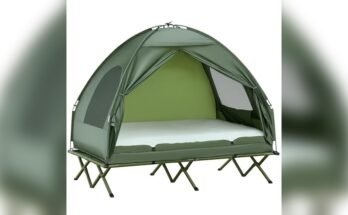
A tent or hammock protects you from rain and bugs. Bring a sleeping bag suitable for the temperature. A sleeping pad adds comfort and insulation from the cold ground. Don’t forget stakes and a ground tarp for extra shelter support and dryness.
Cooking And Food Supplies
Carry a lightweight stove and fuel for easy cooking. Use a pot or pan to prepare meals. Bring utensils, a reusable water bottle, and a lightweight cooler if needed. Pack high-energy, easy-to-cook foods like nuts, dried fruits, and instant meals.
Clothing And Footwear
Choose layers for warmth and flexibility. A waterproof jacket is essential for rain. Wear sturdy hiking boots to protect your feet on rough trails. Include extra socks and underwear to stay dry and comfortable. Avoid cotton; it holds moisture and cools you down.
Safety And Navigation Tools
Carry a map and compass or GPS device to find your way. A first aid kit is a must for minor injuries. Bring a flashlight or headlamp with extra batteries. A whistle and multi-tool can help in emergencies. Always keep these items easily accessible in your pack.
Packing Techniques
Packing your backpack for camping needs smart techniques. These help you carry more and stay comfortable. Good packing keeps your gear safe and easy to find. Use these tips to organize your items well. Your trip will feel lighter and more fun.
Weight Distribution
Place heavy items close to your back. This keeps your balance steady. Put medium-weight gear in the middle. Light items should go at the top and outside. This way, your backpack feels stable. It reduces strain on your shoulders and back. Proper weight spread stops you from getting tired fast.
Using Packing Cubes And Bags
Packing cubes keep small items neat and grouped. Use separate cubes for clothes, food, and tools. This makes it easy to find what you need fast. Bags protect against dirt and moisture. They also save space by compressing clothes. Organizing with cubes speeds up packing and unpacking.
Protecting Fragile Items
Wrap fragile items in soft clothes or bubble wrap. Place them in the middle of your pack. Surround them with soft gear like sweaters or towels. Avoid putting heavy things on top of fragile items. This prevents breaking and damage during your hike. Careful packing keeps your gear safe and ready to use.
Organizing Your Backpack
Organizing your backpack well can make your camping trip easier and safer. A good system helps you find items quickly. It also keeps your gear safe and balanced. Packing smart saves space and weight. It reduces stress during your adventure.
Focus on how you arrange your gear inside and outside the pack. Think about what you need most and how often you use it. Keep heavy items close to your back for comfort. Secure loose items to avoid loss or damage. Let’s explore simple ways to organize effectively.
Packing By Frequency Of Use
Place frequently used items near the top or outside pockets. Things like water bottles, snacks, and maps should be easy to reach. Less-used gear can go deeper inside the pack. This way, you avoid digging through everything for essentials. Organize layers by how often you need them. It saves time and keeps you moving smoothly.
Balancing Accessibility And Security
Keep valuable items secure but accessible. Use inner pockets for electronics, wallets, or keys. Avoid placing heavy items in outer pockets where they might fall out. Use lockable zippers or clips for extra safety. Balance the load so your pack feels steady. A balanced backpack reduces strain and helps with walking.
Securing External Attachments
Attach bulky or dirty items outside your pack. Sleeping bags, tents, or shoes can be tied to straps or loops. Use adjustable cords or carabiners to hold them tight. Avoid letting items dangle loosely to prevent damage. Check attachments often to keep them secure. Proper external storage frees up space inside your bag.
Tips For Reducing Backpack Weight
Reducing the weight of your backpack makes camping more fun and less tiring. A lighter pack helps you walk longer and faster. Focus on smart choices and careful planning to cut down on weight.
Use these tips to carry only what you really need. Every gram counts when you hike for hours. Think about what you bring and how you pack it.
Choosing Lightweight Gear
Pick gear made from light materials like aluminum or carbon fiber. Avoid heavy metals and bulky items. Choose compact tents, sleeping bags, and cooking tools. Lightweight gear saves space and energy.
Minimizing Non-essential Items
Leave behind items that are nice but not needed. Skip extra clothes or gadgets that do not serve a clear purpose. Pack only the essentials for safety and comfort. This keeps your bag slim and easy to carry.
Multipurpose Tools And Equipment
Bring tools that serve more than one use. A knife with multiple functions is better than many single-use tools. Choose gear that can do double duty, like a pot that also works as a bowl. This cuts down on what you carry.
Final Checks Before Heading Out
Before stepping out on your camping trip, it is important to do final checks on your backpack. These last steps help avoid problems during your adventure. Make sure your pack fits well, all essentials are inside, and the weather is accounted for. This preparation saves time and stress later.
Testing Pack Fit And Comfort
Wear your packed backpack for a few minutes. Walk around to feel its weight and balance. Adjust the straps for a snug but comfortable fit. Check that the weight rests on your hips, not your shoulders. A well-fitted pack prevents pain and fatigue on the trail.
Double-checking Essential Items
Go through your checklist again. Confirm you have food, water, shelter, and clothing. Don’t forget your first aid kit and navigation tools. Ensure batteries and electronics are charged. Missing key items can cause big problems outdoors.
Weather Considerations
Look at the latest weather forecast for your camping area. Pack rain gear if rain is possible. Add extra layers if temperatures might drop. Protect your gear with waterproof covers. Preparing for weather changes keeps you safe and comfortable.
Frequently Asked Questions
How Do I Organize Items In A Camping Backpack?
Start by placing heavy items at the bottom and close to your back. Use compartments to separate gear. Keep essentials like a first aid kit and snacks easily accessible. This balance helps with comfort and quick access during your hike.
What Are The Best Packing Techniques For Camping Gear?
Roll clothes tightly to save space. Use compression sacks for bulky items like sleeping bags. Pack gear by frequency of use, placing daily essentials on top. This method maximizes space and keeps your backpack organized.
How Much Weight Should A Camping Backpack Carry?
Your backpack should weigh no more than 20-25% of your body weight. Overpacking causes discomfort and fatigue. Prioritize lightweight gear and essentials to keep your load manageable and ensure a comfortable camping trip.
Where Should I Place The Sleeping Bag In My Backpack?
Pack your sleeping bag at the bottom of your backpack. It’s bulky but light, so it stabilizes your load. Keep it dry by using a waterproof stuff sack. This placement helps balance the pack and improves comfort.
Conclusion
Packing your backpack well makes camping easier and more fun. Keep heavy items close to your back for balance. Use small bags to stay organized and save space. Always pack only what you really need. Practice packing before your trip to find the best way.
A good pack helps you carry less and move faster. Prepare smartly, and enjoy your outdoor adventure without stress.