

Few outdoor adventures test your body and spirit like jungle trekking. The dense forests, humid air, and unpredictable terrain make every step a challenge. Among these challenges, one small but stubborn problem often turns a dream trek into a painful ordeal: blisters. Many trekkers underestimate how much a blister can ruin their journey. It starts as a small discomfort, but can quickly become an open wound, making each step torture and sometimes forcing trekkers to stop altogether.
If you’re preparing for a jungle trek, preventing blisters should be as important as packing water or choosing your route. Blisters are not just a minor annoyance—they can lead to infection, longer healing times, and missed experiences. In this article, you’ll learn how to protect your feet from blisters using practical steps, smart gear choices, and expert advice.

36% off Today’s Exclusive Deals
Limited-time Exclusive Deals. Check current discount on Amazon.
Check Price on Amazon As an Amazon Associate I earn from qualifying purchases.We’ll explain why blisters form, share proven prevention methods, and show you how to care for your feet before, during, and after your trek. With the right knowledge, you can enjoy the wild without worrying about every step.
Why Blisters Happen In Jungle Trekking
Blisters are caused by friction, heat, and moisture—the exact conditions found in a jungle. As your feet rub against your socks and boots, the skin becomes irritated. Sweat and rain make your skin softer and more likely to break. In a 2019 study, up to 40% of trekkers reported blisters during multi-day hikes, with jungle trekkers facing higher risks due to constant humidity.
Several factors make jungle trekking especially tough:
- High humidity keeps feet sweaty for hours.
- Wet terrain (mud, streams) adds to the moisture.
- Long walking hours increase friction.
- Uneven surfaces force your feet to move in unusual ways.
If you don’t prepare, even the best boots and socks won’t protect you. Understanding these causes helps you plan smarter and avoid mistakes that lead to blisters.
Choosing The Right Footwear
Your shoes are your first line of defense. Bad footwear is the top reason trekkers get blisters. Here’s what you need to know when choosing jungle trekking shoes:
| Feature | Importance | Common Mistake |
|---|---|---|
| Fit | Should be snug but not tight | Buying shoes too big/small |
| Material | Breathable, dries quickly | Choosing thick, waterproof boots |
| Support | Good ankle and arch support | Wearing lightweight sneakers |
| Sole | Grippy for mud and rocks | Using smooth soles |
Fit matters most. Shoes should hug your feet but leave room for toes to move. Try shoes in the afternoon—feet swell after walking. Wear the same socks you’ll use for trekking when testing shoes. If your shoes are too tight, friction increases; too loose, your feet slide and rub.
Material is another trap for beginners. Waterproof boots sound good, but they trap sweat. Choose shoes made of breathable mesh or quick-drying synthetics. Jungle trekking often means crossing streams; wet boots stay wet and soft, causing more blisters.
Support protects your feet from twisting and keeps them stable. Jungle trails can be slippery and uneven. Good ankle support reduces accidents and keeps your foot in place.
Sole grip prevents slipping and gives confidence on mud, rocks, and roots. Avoid shoes with smooth soles.
Breaking In Your Shoes
Never wear new shoes on your trek. Break them in with several short walks (at least 20–30 miles) before your trip. This helps the shoe mold to your foot shape and reduces the risk of surprises.
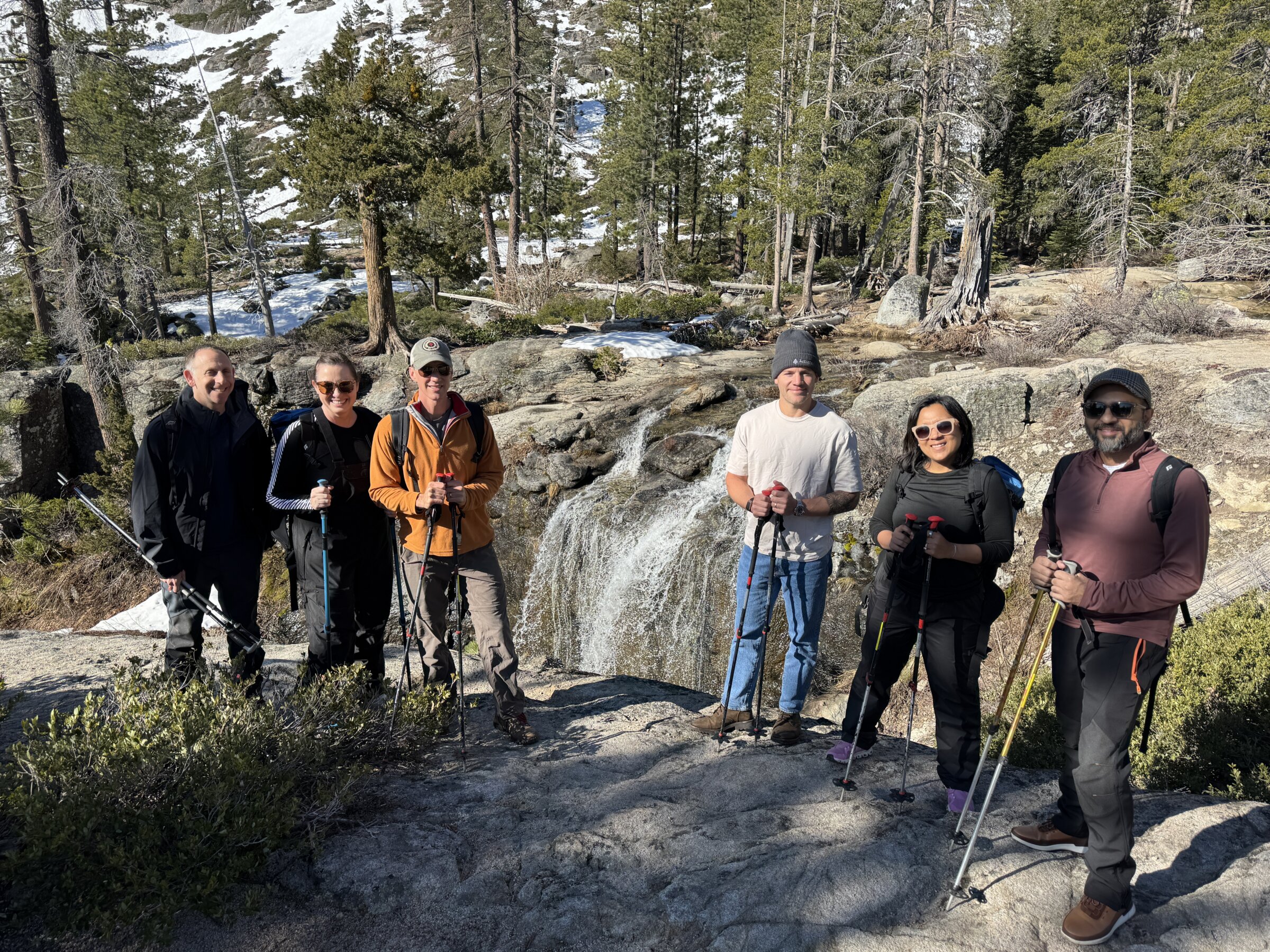
Picking Socks That Prevent Blisters
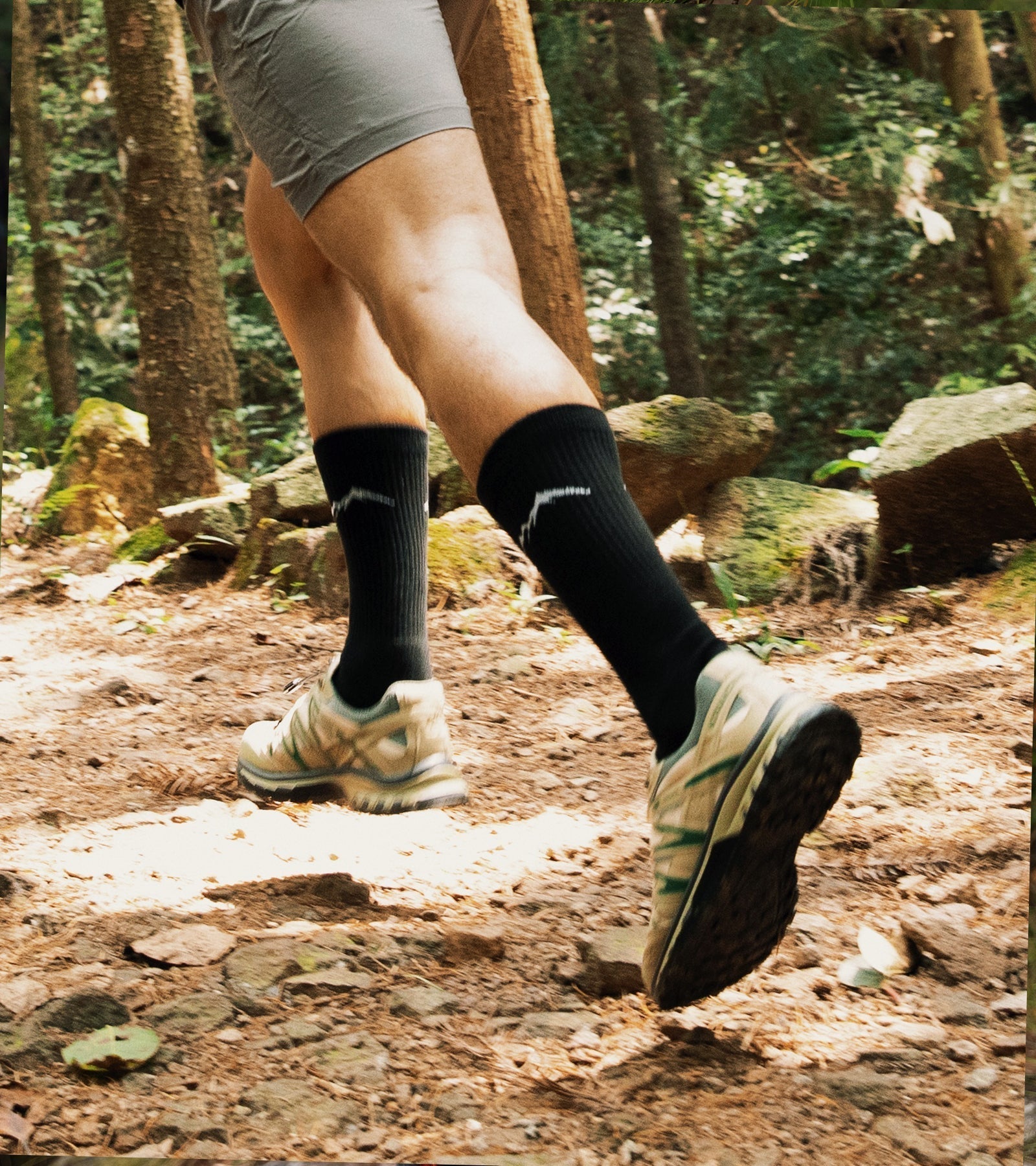
Socks are just as important as shoes. The wrong socks can ruin your trek even with the best boots. Here’s how to choose wisely:
- Material: Synthetic fibers (like CoolMax or polyester) wick moisture away better than cotton. Wool blends (like Merino) are good for keeping feet dry and comfortable.
- Thickness: In jungle trekking, thin or medium-thick socks are better. Thick socks stay wet longer.
- Fit: Socks should hug your feet with no loose fabric. Wrinkles create friction.
- Double-layer socks: These have two layers—the inner moves with your foot, the outer moves with the shoe. This reduces friction and prevents blisters.
Many trekkers make the mistake of packing only cotton socks. Cotton absorbs sweat and dries slowly. One non-obvious tip: bring extra pairs and change them as soon as they get wet. Dry socks can cut blister risk by half.
Preparing Your Feet Before Trekking
Start foot care weeks before your trek. Healthy feet resist blisters better. Here’s what experienced trekkers do:
- Toughen your skin: Walk daily in your trekking shoes to build calluses.
- Moisturize: Use creams (like Vaseline) at night to keep skin flexible. Dry, cracked skin blisters more easily.
- Trim toenails: Keep nails short to avoid pressure and injury.
- Check for hot spots: After walks, look for areas that feel sore. These are likely blister spots.
Some trekkers use foot powders to keep skin dry. Choose a powder without strong chemicals—a simple talcum powder works well.
Smart Packing For Blister Prevention
Packing for jungle trekking needs more than just shoes and socks. Here are key items to include:
- Extra socks: At least 2 pairs per day.
- Blister pads: Hydrocolloid pads or moleskin patches.
- Foot powder: To reduce sweat.
- Antibacterial wipes: Clean feet before changing socks.
- Waterproof bag: Keep dry socks safe from rain.
A waterproof bag is a non-obvious addition. Many trekkers pack socks in their backpack, but rain and humidity can soak everything. Separate your dry socks in a waterproof pouch.
Daily Foot Care During Trekking
Your routine matters just as much as your gear. Here’s how to keep feet healthy each day:
- Wash and dry feet every morning: Use clean water and dry feet fully before putting on socks.
- Change socks often: Whenever your socks are wet, change them. This is crucial in high humidity.
- Check feet at breaks: Look for redness or soreness—these are “hot spots.” Treat them before they become blisters.
- Apply foot powder: Helps reduce sweat and keeps skin dry.
- Tape or pad hot spots: Use moleskin or blister pads on any sore areas.
One overlooked tip: air your feet during lunch breaks. Remove shoes and socks for 10–15 minutes to let feet dry. This simple habit reduces moisture and friction.
Using Blister Prevention Products
Special products can help if you’re prone to blisters. Here’s how to use them:
- Moleskin: Soft, sticky fabric you place over hot spots or blisters. It reduces friction.
- Hydrocolloid pads: Gel pads that cushion and protect skin. They also help heal existing blisters.
- Sports tape: Use on areas where you usually get blisters.
- Lubricants: Products like Vaseline or BodyGlide reduce friction. Apply on toes, heels, and any area where shoes rub.
Some trekkers skip these products, thinking they’re only for emergencies. But prevention is easier than treatment. Apply pads or tape on hot spots as soon as you feel discomfort.
Preventing Moisture Build-up
Moisture is a big enemy in the jungle. Here’s how to manage it:
- Choose quick-drying shoes and socks: Avoid heavy, waterproof materials.
- Change socks whenever possible: Carry enough pairs to switch out at least twice a day.
- Use foot powder: Apply before putting on socks.
- Remove shoes during long breaks: Let feet dry naturally.
- Avoid walking through water if possible: Use stepping stones or bridges.
One mistake beginners make is walking in wet socks for hours. This softens skin and increases friction. If your feet get wet, change socks as soon as possible—even if it means stopping more often.
Managing Friction
Friction causes blisters, so reducing it is key. Here’s how:
- Double-layer socks: These are designed to reduce friction.
- Tape high-risk areas: Toes, heels, and balls of feet are common blister spots.
- Proper shoe lacing: Use lacing techniques that prevent sliding. One method is the “heel lock” or “lace lock,” which keeps the heel in place.
- Keep shoes clean: Dirt and sand inside shoes increase rubbing. Shake out shoes regularly.
Many trekkers ignore lacing. The right method can prevent your foot from moving inside the shoe, reducing friction. Learn and practice different lacing techniques before your trek.
Treating Hot Spots Before They Become Blisters
“Hot spots” are warning signs—a tingling, sore area that will become a blister if ignored. Here’s what to do:
- Stop immediately: Don’t wait for a break.
- Remove shoes and socks: Check the area.
- Dry the skin: Moisture makes blisters worse.
- Apply moleskin or a blister pad: Cover the hot spot completely.
- Tape over the pad: To keep it in place.
This quick action can save your trek. One non-obvious insight: treat hot spots even if they seem small. A tiny sore spot can grow quickly in jungle conditions.
Dealing With Wet Conditions
Jungle trekking often means rain, streams, and puddles. Here’s how to handle wet feet:
- Water-resistant gaiters: These cover the ankle and keep water and debris out.
- Quick-drying shoes and socks: Materials matter more than waterproofing.
- Use a waterproof bag: Keep extra socks dry.
- Change socks after water crossings: Wet feet need immediate attention.
Many trekkers rely on waterproof boots, but in heavy rain or deep puddles, even the best boots leak. Instead, focus on drying feet and changing socks often.
Monitoring And Caring For Existing Blisters
Sometimes, even with the best preparation, blisters happen. Here’s how to manage them:
| Blister Stage | Care Tips | Common Mistake |
|---|---|---|
| Red, sore spot | Cover with moleskin/blister pad | Ignore until it worsens |
| Small blister | Protect, don’t pop; keep clean | Pop blister without sterilizing |
| Large, painful blister | Sterilize needle, drain fluid, cover | Remove skin or leave uncovered |
If you must pop a blister, use a sterile needle, drain the fluid, and keep the skin intact. Cover with a hydrocolloid pad and tape. Change the dressing daily and keep the area dry.
Recovery After Trekking
Your feet need care even after the trek. Here’s how to recover:
- Clean feet thoroughly: Use soap and water.
- Dry feet: Let air circulate, avoid tight shoes.
- Moisturize: Helps skin heal faster.
- Treat any blisters: Clean, cover, and monitor for infection.
- Rest: Avoid long walks for a few days.
One insight many miss: keep monitoring your feet for a week. Blisters can become infected even after the trek ends. If you notice redness, swelling, or pus, seek medical attention.
Advanced Tips From Experienced Trekkers
Some veteran trekkers use extra tricks to stay blister-free:
- Pre-tape common blister spots: Even before starting the trek.
- Use antiperspirant on feet: Reduces sweat.
- Carry a small foot first aid kit: Include tape, pads, powder, wipes.
- Practice walking in wet conditions: Helps feet adjust to moisture.
- Learn proper shoe lacing: Heel lock, surgeon’s knot, etc.
- Rotate shoes and socks: If possible, switch pairs during the day.
One advanced tip: practice walking with wet socks before your trek. This toughens skin and prepares feet for jungle conditions.
Real-world Examples
Consider trekking groups in Southeast Asia. Guides often report that new trekkers suffer more blisters than experienced ones. In one group of 15, 10 trekkers developed blisters on a 3-day jungle hike. Those who followed daily foot care routines and packed extra socks avoided problems.
This shows that prevention is about habits, not just gear.
Another example: a trekker in the Amazon used antiperspirant on his feet and changed socks four times a day. He finished the trek with zero blisters, while others with waterproof boots and cotton socks struggled.
Data On Blister Prevention
Studies show that simple steps greatly reduce blister risk:
| Prevention Method | Reduction Rate | Notes |
|---|---|---|
| Changing socks twice daily | Up to 50% | Especially effective in humid climates |
| Using double-layer socks | 40–60% | Reduces friction |
| Applying foot powder | 30–40% | Depends on product used |
| Proper shoe fit | 50–70% | Most important factor |
The numbers are clear: prevention works. Most blister cases come from skipped steps or poor choices.
Mistakes To Avoid
Even experienced trekkers make mistakes. Here are some to watch for:
- Wearing new shoes: Always break in your shoes.
- Ignoring hot spots: Treat them immediately.
- Packing cotton socks: Stick to synthetic or wool blends.
- Skipping foot checks: Make them part of your routine.
- Choosing waterproof boots: Go for breathable, quick-drying shoes.
- Not packing extra socks: Always bring more than you think you need.
One common mistake: relying on waterproofing. In the jungle, everything gets wet. Focus on drying your feet, not keeping them dry forever.
Frequently Asked Questions
How Do I Know If My Shoes Fit Properly For Jungle Trekking?
Your shoes should feel snug but not tight. You should have space to wiggle your toes and no pressure points. Test fit with your trekking socks and walk around for at least 10 minutes. If your heel slips or toes pinch, try a different size or style.
Can I Use Regular Hiking Boots In The Jungle?
Regular hiking boots may be too heavy and slow to dry in jungle conditions. Choose boots or shoes made for humid, wet climates—lightweight, breathable, and quick-drying materials work best.
What Should I Do If I Get A Blister During The Trek?
Stop walking, clean the area, and cover the blister with a hydrocolloid pad or moleskin. Avoid popping it unless necessary. Keep it dry and change dressings daily. If you see signs of infection (redness, pus), seek medical help.
Are There Any Home Remedies For Blister Prevention?
Some trekkers use antiperspirant on their feet to reduce sweat. Moisturizing at night helps keep skin flexible. These methods can help, but proper socks, shoes, and daily care are more important.
Where Can I Find More Information About Foot Care For Trekking?
For deeper advice and scientific studies on foot health, you can check Foot Health Facts.
Jungle trekking is about adventure, challenge, and discovery. Don’t let blisters steal your experience. With the right preparation, gear, and habits, you can explore the wild with confidence and comfort. Your feet carry you through every mile—take care of them, and they’ll take care of you.

