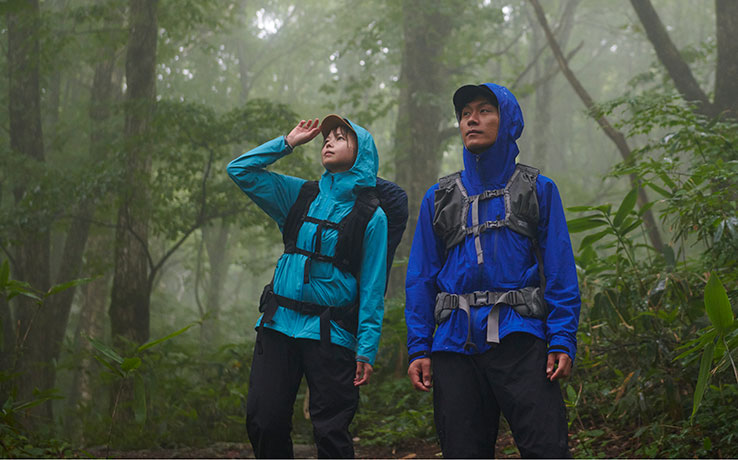
Stepping into a jungle can feel like walking into a sauna with no off switch. The humid jungle air wraps around you, sweat starts to pour, and even simple tasks seem harder. For travelers, hikers, researchers, and anyone planning to spend time in tropical forests, staying comfortable isn’t just about feeling good—it’s key to your health, energy, and safety. In humid jungles, your body works overtime to cool down, but the thick air makes it difficult for sweat to evaporate. This leads to overheating, dehydration, and even dangerous conditions like heat exhaustion.
But with the right knowledge and preparation, you can stay comfortable and safe, even in the stickiest conditions. This guide offers practical, experience-based advice for anyone facing the challenges of humid jungle environments. You’ll discover gear tips, clothing recommendations, hydration strategies, and non-obvious tricks used by seasoned explorers. Whether you’re planning a short trek or a long stay, these strategies can help you manage the heat, humidity, and discomfort.

36% off Today’s Exclusive Deals
Limited-time Exclusive Deals. Check current discount on Amazon.
Check Price on Amazon As an Amazon Associate I earn from qualifying purchases.Understanding Humid Jungle Conditions
Jungles are not just hot—they are also extremely humid, often with humidity levels above 80%. This means sweat doesn’t evaporate easily, making it harder for your body to cool down. Temperatures can range from 77°F (25°C) at night to over 100°F (38°C) during the day. Rainfall can be sudden and heavy, but the air rarely feels fresh, even after a downpour.
Another challenge is the lack of airflow. Dense vegetation blocks wind, so heat lingers. The ground is often muddy or slippery, and everything you own can become damp, from your clothes to your gear. Insects thrive in these conditions, and mold can grow quickly. Knowing what to expect is the first step to preparing for comfort and safety.
Choosing The Right Clothing
What you wear in the jungle matters more than you might think. The wrong clothing can trap heat, chafe skin, and increase your discomfort. The right clothing helps your body breathe, protects you from insects, and even reduces the risk of infections.
Best Fabrics For Humidity
- Synthetic blends like polyester or nylon wick moisture away and dry faster than cotton.
- Merino wool is a natural fiber that manages moisture and resists odors.
- Avoid 100% cotton. It holds onto sweat, making you feel heavier and prone to chafing.
Layering Strategies
In humid jungles, layering is less about warmth and more about versatility. A base layer and a loose, lightweight outer layer work best. If you stop moving or the temperature drops at night, add a thin long-sleeve shirt for protection.
Clothing Features To Look For
- Ventilation panels or mesh zones under arms and on the back.
- Quick-dry technology to reduce drying time after rain or sweat.
- Insect-repellent treatment built into the fabric.
- UPF (Ultraviolet Protection Factor) rating for sun protection.
Clothing Comparison
Here’s how popular fabrics perform in jungle conditions:
| Fabric | Moisture Wicking | Drying Speed | Odor Control | Comfort in Humidity |
|---|---|---|---|---|
| Polyester | Excellent | Fast | Moderate | Good |
| Merino Wool | Very Good | Moderate | Excellent | Very Good |
| Nylon | Good | Very Fast | Poor | Good |
| Cotton | Poor | Slow | Moderate | Poor |
Non-obvious insight: Many beginners pack dark-colored clothes thinking they hide dirt. But in the jungle, dark colors attract heat and insects. Light colors stay cooler and attract fewer bugs.
Managing Sweat And Body Moisture
Sweating is your body’s natural cooling system, but in the jungle, sweat can become a problem. When it doesn’t evaporate, you risk chafing, skin infections, and heat stress.
Preventing Chafing
- Apply anti-chafe balms or petroleum jelly to thighs, underarms, and other friction points before heading out.
- Wear seamless underwear and avoid bulky seams in pants.
- Change out of wet clothes as soon as possible after heavy sweating.
Keeping Skin Healthy
Humidity encourages the growth of fungal infections. Pay special attention to areas between your toes, under your breasts, and in skin folds.
- Use antifungal powder in high-risk areas.
- Dry feet and groin area thoroughly after bathing or rain.
- Rotate clothing so that yesterday’s set can dry completely.
Practical tip: Carry a small, quick-dry towel to wipe down sweat during breaks. This reduces moisture buildup and helps you feel fresher.
Hydration And Nutrition
Dehydration sneaks up quickly in hot, humid environments. You may not notice how much you sweat, but you can lose over 1 liter of fluid per hour during hard activity. Proper hydration and nutrition are vital to staying comfortable and alert.
How Much To Drink
- Aim for 0.5–1 liter of water per hour of moderate activity.
- Drink small amounts regularly, not large amounts at once.
- Don’t wait until you’re thirsty—this is a late sign of dehydration.
Signs Of Dehydration
- Dark urine
- Headache
- Dizziness
- Muscle cramps
Electrolyte Balance
Sweating causes loss of electrolytes like sodium and potassium. Without replacing them, you risk heat exhaustion.
- Add oral rehydration salts or electrolyte tablets to your water.
- Snack on salty foods (like crackers or nuts) during long hikes.
Foods That Help
Choose high-water-content foods for snacks—cucumbers, oranges, and watermelon are good options if available. Avoid heavy, fatty foods that slow digestion and increase body heat.
Hydration Gear Comparison
Let’s compare common hydration solutions for the jungle:
| Hydration Method | Convenience | Weight | Water Safety | Best For |
|---|---|---|---|---|
| Hydration Bladder | Very High | Light | Needs cleaning | Long hikes |
| Water Bottles | High | Medium | Easy to clean | Day trips |
| Filter/UV Purifier | Medium | Light | Purifies water | Remote travel |
Non-obvious insight: Many people forget to clean their water bladders. In humid jungles, mold can grow inside in just a few days. Rinse and dry them daily if possible.

Shelter And Sleeping Comfort
At night, the jungle stays warm and damp. Getting good sleep is challenging but essential for recovery. Proper shelter keeps you comfortable, protects you from insects, and helps your gear stay dry.
Choosing The Right Shelter
- Hammocks with mosquito nets are popular because they keep you off the wet ground and allow airflow.
- Tents offer more protection from rain and bugs but can trap heat and humidity inside.
- Bivy sacks are ultralight but may feel claustrophobic in humid conditions.
Setting Up Camp
- Pick a site with natural shade and some airflow.
- Avoid low spots where water pools after rain.
- Hang a tarp above your shelter to block rain and dew.
Sleeping Gear Tips
- Use a lightweight sleeping bag liner instead of a full sleeping bag.
- Bring a microfiber towel to wipe off sweat before bed.
- Choose a pillowcase made of quick-dry fabric.
Shelter Comparison
A quick look at shelter options:
| Shelter Type | Weight | Ventilation | Protection | Comfort Level |
|---|---|---|---|---|
| Hammock w/ Net | Very Light | Excellent | Good (insects, less rain) | High |
| Tent | Medium | Moderate | Excellent (rain, bugs) | Moderate |
| Bivy Sack | Light | Poor | Good (insects) | Low |
Practical tip: A small battery-powered fan can make a big difference in stuffy tents or shelters. Just don’t forget spare batteries.
Footwear And Foot Care
Your feet take a beating in the jungle. Wet, muddy trails and constant sweating make blisters and infections common. Choosing the right footwear and taking care of your feet is critical for comfort.
Best Footwear For Jungle Conditions
- Lightweight, quick-dry hiking shoes with good grip
- Trail runners are ideal for fast movement but offer less ankle support
- Closed-toe sandals can work for river crossings but may expose feet to cuts
Foot Care Routine
- Change socks during the day—carry at least two pairs.
- Apply foot powder in the morning and at night.
- Inspect feet for blisters, cuts, or redness at every rest stop.
- Let feet air out whenever you stop for more than 15 minutes.
Practical tip: Bring a small needle and alcohol wipes. If you get a blister, sterilize the needle, drain the fluid, and keep the skin intact for protection.
Dealing With Insects And Pests
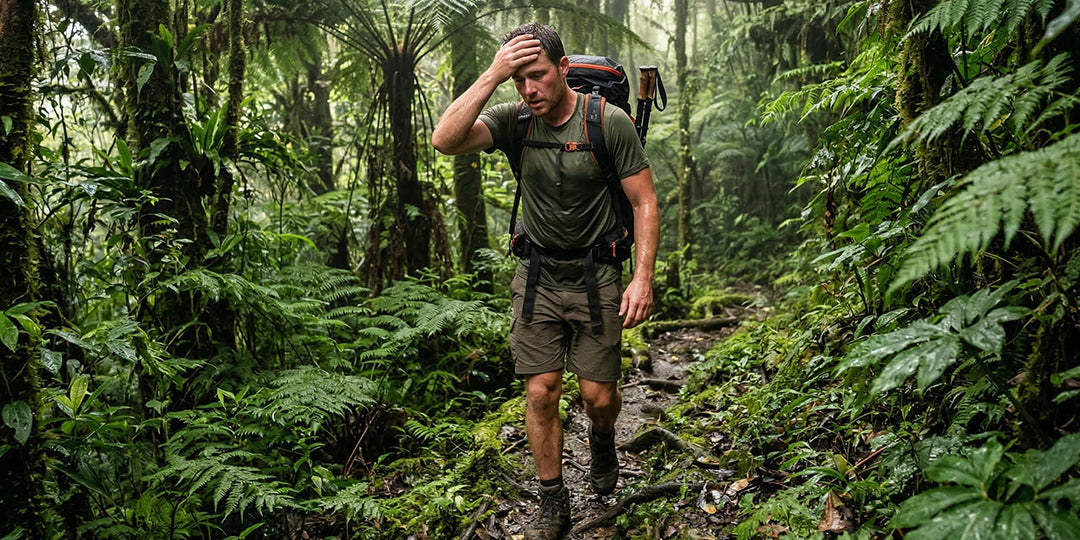
Mosquitoes, ants, ticks, and leeches are everywhere in the jungle. Insect bites don’t just itch—they can spread diseases like malaria and dengue. Staying comfortable means keeping bugs off your skin and out of your sleeping area.
Personal Protection
- Use insect repellent with 20–30% DEET or picaridin.
- Wear long sleeves and pants even if it feels hot.
- Tuck pants into socks and shirts into pants to block entry points.
Keeping Camp Bug-free
- Hang mosquito nets properly, making sure there are no holes.
- Avoid scented lotions or soaps—they attract bugs.
- Check gear and shoes for insects before putting them on.
Leeches And Other Surprises
Leeches are common in wet areas. They’re not dangerous but can cause bleeding and infection.
- Wear leech socks or gaiters in known leech zones.
- If bitten, remove leeches gently with a fingernail or flat object. Don’t use salt or fire—this can make them regurgitate and increase infection risk.
- Clean bites and cover with a bandage.
Non-obvious insight: Many beginners forget about ants. Avoid setting up camp near anthills or under trees with hanging nests, as some jungle ants have painful bites.
Managing Heat And Preventing Overheating
Heat stress can ruin your trip or even put your life at risk. The key is to help your body cool down and rest before you get too hot.
Cooling Strategies
- Rest in the shade during the hottest part of the day (usually 11 a.m.–3 p.m.).
- Wet a bandana or hat and place it on your neck or forehead.
- Splash water on wrists and ankles for fast cooling.
- Use hand-held fans or battery-powered fans when resting.
Recognizing Heat Illness
- Heat exhaustion: Heavy sweating, weakness, rapid pulse, nausea
- Heat stroke: Confusion, dry skin, high body temperature—this is a medical emergency
If you or a companion show signs of heat stroke, seek shade, cool the person with wet cloths, and get medical help as soon as possible.
Practical tip: Plan activities for early morning or late afternoon. The jungle is cooler, and wildlife is more active.
Keeping Gear Dry And Functional
Humidity and frequent rain can ruin electronics, maps, food, and other gear. Wet gear is heavier, grows mold, and can stop working.
Protecting Your Gear
- Pack items in dry bags or zip-lock bags.
- Use waterproof covers for your backpack.
- Hang gear at night to air out, especially boots and clothes.
- Rotate wet and dry clothes to avoid mold.
Electronics In The Jungle
- Store phones and cameras in waterproof cases with silica gel packs.
- Avoid using electronics during heavy rain or when your hands are wet.
- Bring paper maps as a backup, as GPS signals may be weak under dense canopy.
Non-obvious insight: In high humidity, even “waterproof” gear can get damp from condensation. Open bags during dry spells to let items breathe.
Mental Comfort And Mindset
Physical comfort is only half the story. The jungle can be mentally challenging—constant discomfort, unfamiliar sounds, and being wet for days can wear you down.
Adapting Your Mindset
- Accept discomfort as normal—expect to sweat, get dirty, and feel sticky.
- Break tasks into small steps to avoid feeling overwhelmed.
- Stay positive and flexible—sometimes the weather or a trail will force you to change plans.
Coping With Monotony And Stress
- Bring a lightweight book or download music for downtime.
- Journal your experiences—it can boost morale and help you process challenges.
- Connect with your group—share stories and encourage each other.
Non-obvious insight: Many first-timers focus only on physical discomfort. But boredom and frustration are common. Having a few mental strategies makes a big difference on long trips.
Quick Reference: Essential Jungle Comfort Tips
- Wear light, synthetic clothing
- Change socks and underwear daily
- Use insect repellent and mosquito nets
- Drink water every hour
- Snack on salty foods for electrolytes
- Hang wet gear to dry at every opportunity
- Rest in the shade during midday heat
- Protect electronics in dry bags
- Accept some discomfort as part of the experience
For more survival tips and the science of heat adaptation, you can read resources like the Wikipedia: Jungle Survival page.
Frequently Asked Questions
What Is The Best Clothing For Humid Jungle Conditions?
The best clothing is lightweight, synthetic, and quick-drying. Polyester or nylon shirts and pants, with built-in ventilation and insect-repellent treatment, work well. Avoid cotton, as it holds moisture and increases discomfort.
How Do I Prevent Heat Exhaustion In The Jungle?
Stay hydrated, rest during the hottest hours, wear a wide-brim hat, and use cooling methods like wet bandanas. Recognize early signs—like dizziness and heavy sweating—and stop activity immediately if they appear.
What Is The Safest Way To Drink Water In The Jungle?
Use a portable water filter or boil water before drinking. Adding electrolytes is important. Never drink untreated water, even from clear streams, as parasites and bacteria are common.
How Can I Keep Insects Away At Night?
Sleep under a mosquito net, use DEET-based repellent, and wear long-sleeved clothing. Make sure your tent or hammock has no holes. Avoid scented products, and check your shelter area for ants before setting up.
Why Do My Clothes And Gear Get Moldy So Quickly?
High humidity and constant dampness encourage mold growth. Dry clothes and gear every day, store items in waterproof bags, and rotate wet and dry items. Open bags to air out when you have sun or dry spells.
Staying comfortable in the humid jungle is a challenge, but with the right preparation, mindset, and gear, you can focus less on discomfort and more on the adventure. Take care of your body and your equipment, pay attention to the environment, and always respect the unique challenges of the jungle.