

The Roomba s9 usually makes noise from brush, debris, wheel, or suction issues.
If your iRobot Roomba s9 Robot Vacuum making noise has started to sound louder than usual, you are not alone. I’ve seen this problem come up often, and in most cases, the fix is simple once you know where to look. In this guide, I’ll walk you through the common causes, the sounds to listen for, and the practical steps that can bring your Roomba s9 back to a smoother, quieter clean.

36% off Today’s Exclusive Deals
Limited-time Exclusive Deals. Check current discount on Amazon.
Check Price on Amazon As an Amazon Associate I earn from qualifying purchases.
Why the iRobot Roomba s9 Robot Vacuum making noise is a common issue
The Roomba s9 is a powerful robot vacuum, and power often comes with sound. It uses strong suction, dual rubber brushes, a high-performance motor, and smart navigation parts that can all create noise during normal use. That said, a sudden change in sound often points to a maintenance issue, not a serious failure.
From real-world use, the biggest clue is this: normal operating noise sounds steady, while problem noise sounds new, sharp, rattly, grinding, or squeaky. That difference matters. If your iRobot Roomba s9 Robot Vacuum making noise seems worse than before, the machine is usually trying to tell you something.

Common reasons the iRobot Roomba s9 Robot Vacuum making noise
A noisy Roomba s9 can come from several places. Some are easy to fix in minutes. Others may need a replacement part or a deeper clean.
Dirty brushes or tangled hair
Hair, string, and pet fur can wrap around the dual rubber brushes. When that happens, the vacuum may start to squeak, chatter, or sound strained. This is one of the most common reasons the iRobot Roomba s9 Robot Vacuum making noise gets louder over time.
I’ve seen this happen most after vacuuming rugs or homes with long hair. The brushes keep turning, but the extra friction makes them sound rough. If the sound changes after a few cleaning cycles, this is often the first place to check.
Debris stuck in the brush bearings or end caps
Small grit, crumbs, and dust can collect near the brush ends. That can create a clicking or grinding sound. Even tiny particles can make the brush assembly feel less smooth.
This issue is easy to miss because the brushes may still look clean at a glance. A deeper inspection usually reveals the problem. If you hear a rubbing sound, remove the brushes and check the bearings closely.
Worn brush rollers
Rubber brushes wear down with time. When they do, they may not spin evenly. That can create a humming, thumping, or rhythmic tapping sound.
This is more common in homes that run the vacuum daily. A worn brush can still clean somewhat well, but the noise is a warning sign. If the iRobot Roomba s9 Robot Vacuum making noise is paired with weaker pickup, the brushes may be due for replacement.
Damaged wheels or wheel wells
The s9’s wheels can pick up lint, hair, and fine dust. If a wheel is clogged or damaged, you may hear a clicking, squeaking, or dragging noise. Sometimes the sound only shows up on hard floors or when the robot turns.
I once checked a noisy unit that sounded like a loose screw was inside. The real problem was a wheel full of compacted dust and pet hair. After cleaning it out, the noise dropped right away.
Clogged suction path or full dust bin
Airflow problems can also make the vacuum sound different. A blocked filter, full bin, or clog in the suction path can raise motor pitch or make the vacuum sound “strained.” The machine may seem louder because the motor is working harder than normal.
This is important because a noisy motor is not always a broken motor. Sometimes it is just a flow problem. If the noise feels deeper or more urgent than usual, check airflow first.
Filter problems
A dirty filter can reduce airflow and increase motor stress. That can make the iRobot Roomba s9 Robot Vacuum making noise more noticeable during cleaning. Filters also collect fine dust quickly, especially in homes with pets.
A clogged filter can make the robot sound like it is breathing through a straw. The fix is simple, but many people overlook it. Regular filter care can prevent both noise and performance loss.
Loose parts or cracked components
If a cover, brush guard, or internal clip is loose, you may hear rattling or vibration. The sound often gets worse on tile, hardwood, or while the robot crosses thresholds. A cracked part can also let components shift during movement.
This is where careful inspection helps. If the noise sounds like plastic tapping plastic, look for anything that does not sit flush. Small breaks can cause surprisingly loud sound changes.
Sensor or bumper issues
The bumper can rattle if it is jammed or if debris is caught behind it. In some cases, the robot may repeatedly bump and recoil, which makes the cleaning sound much louder. Sensor issues can also cause irregular movement that adds to the noise.
These problems may not be obvious at first. But if the robot sounds noisy and seems to move in short, awkward bursts, the bumper area deserves a look. Smooth movement usually means less noise.
What the noise type can tell you
Different noises often point to different causes. Learning the sound can save time and help you avoid guessing.
Squeaking
Squeaking usually points to friction. That means hair, dust, or dry contact points in the brushes or wheels. If the iRobot Roomba s9 Robot Vacuum making noise sounds squeaky, clean the brush ends, wheel area, and brush housing first.
Grinding
Grinding is more serious sounding. It often means debris is trapped in a moving part or a component is wearing down. Stop the robot and inspect it right away if you hear grinding.
Clicking
Clicking can mean something is hitting the brush, wheel, or bumper area as it moves. It can also happen when small debris is getting caught and released. This sound is often fixable with a basic clean.
Rattling
Rattling usually suggests a loose part. Check the brush guard, dust bin, wheels, and any removable parts. If the noise feels hollow or loose, do a full fit check.
Loud motor hum
A stronger motor hum can mean the vacuum is working harder than usual. The cause may be a dirty filter, clogged airflow, or a full bin. If the iRobot Roomba s9 Robot Vacuum making noise sounds more like strain than rubbing, start with airflow.

Step-by-step fixes for a noisy Roomba s9
Here is the same process I use when troubleshooting a noisy robot vacuum. It is simple, but it works well because it starts with the most likely causes.
- Turn off the robot and remove the dust bin.
- Empty the bin and clean the filter.
- Remove the brushes and clear all hair and string.
- Check brush bearings and end caps for debris.
- Inspect both wheels for dust, hair, or damage.
- Look inside the brush chamber for stuck dirt.
- Check the bumper for smooth movement.
- Reinstall every part firmly.
- Run a short test on a hard floor.
- Compare the sound before and after each change.
I like this method because it keeps the process calm and organized. Instead of changing everything at once, you can listen for improvement after each step. That makes it easier to find the true source of the iRobot Roomba s9 Robot Vacuum making noise.
How to clean the main parts the right way
Cleaning is the best first fix, but it needs to be done carefully. A rushed cleaning job often leaves the real problem behind.
Cleaning the brushes
Remove both rubber brushes and clear hair from the ends. Wipe away dust from the brush housing and bearings. Make sure the brushes spin freely before putting them back.
Cleaning the wheels
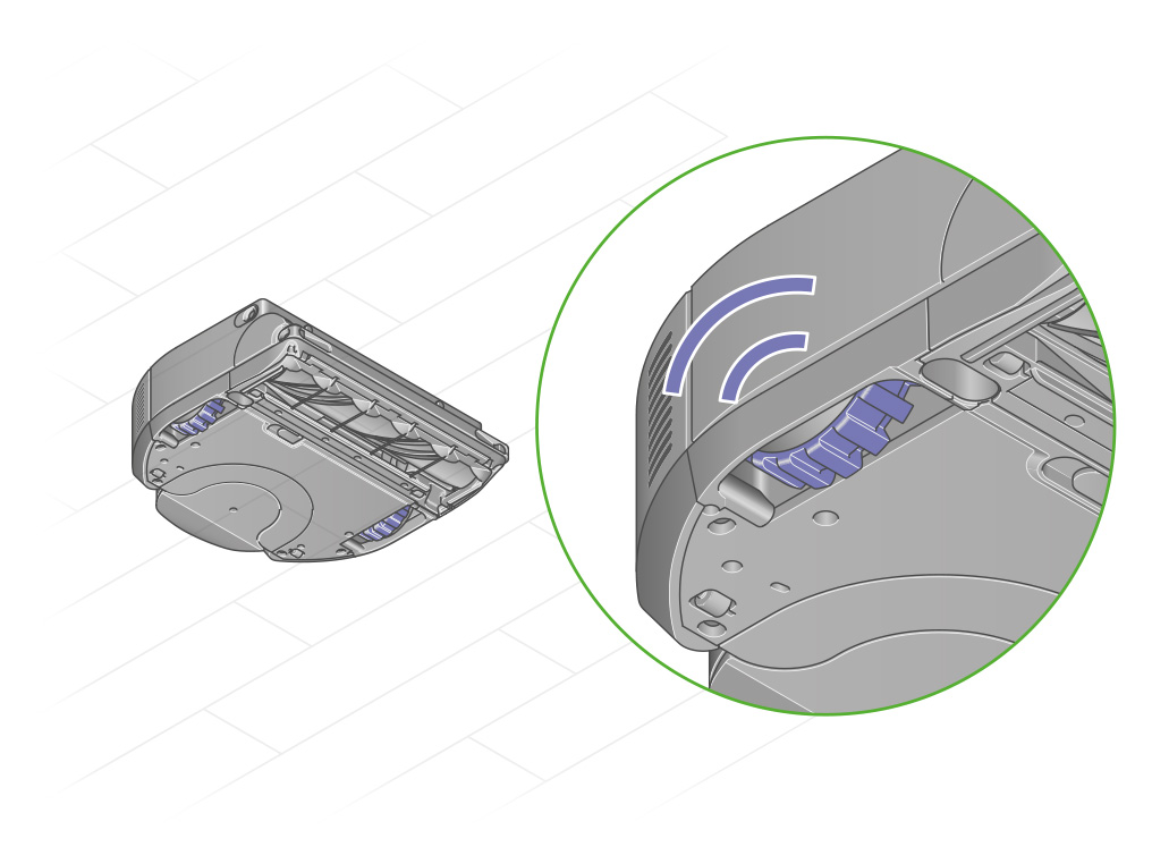
Lift each wheel and turn it by hand. Remove hair and lint from around the axle and wheel well. If a wheel does not move smoothly, that may explain the noise.
Cleaning the filter and bin
Tap out loose dust from the filter and replace it if it looks worn. Empty the dust bin fully and wipe the inside with a dry cloth. A clean airflow path helps reduce strain and sound.
Cleaning the sensors and bumper
Use a dry microfiber cloth to wipe sensors and the bumper area. Avoid heavy liquid cleaners. Dust buildup can affect movement and add to the noise.

When the noise may mean a bigger problem
Not every noisy Roomba s9 is an easy fix. Some sounds point to wear, damage, or a failing part.
Watch for these signs:
- The noise gets worse every day
- The robot stops, stalls, or struggles to move
- One wheel sounds different from the other
- The brushes do not spin smoothly
- The robot smells hot or has reduced suction
- The sound remains after a full cleaning
If the iRobot Roomba s9 Robot Vacuum making noise continues after basic maintenance, the issue may be mechanical. At that point, replacing a worn part is often smarter than forcing the machine to keep running. That approach can protect the motor and extend the life of the vacuum.

Preventing noise before it starts
A little prevention goes a long way. I’ve found that regular care keeps the s9 quieter and more reliable.
Use these habits:
- Empty the dust bin often
- Clean the brushes every one to two weeks
- Check for hair around the wheels
- Replace filters on schedule
- Inspect the brush chamber after pet-heavy cleanups
- Keep cords, strings, and small objects off the floor
These steps sound basic, but they matter. Most noise problems start small. If you stay ahead of buildup, the iRobot Roomba s9 Robot Vacuum making noise issue is much less likely to return.
Helpful context from real use
One mistake I made early on was assuming every loud sound meant a broken motor. In reality, it was usually hair wrapped around a brush end or dust packed into a wheel. After a few rounds of troubleshooting, I learned that robot vacuums are a lot like cars: strange sounds often mean something simple is rubbing, clogging, or loosening.
That experience changed how I approach maintenance. Now I listen for sound changes the same way I would listen for a new rattle in a kitchen fan or a squeak in a door hinge. The noise is the clue, not the verdict.
Frequently Asked Questions
Why is my iRobot Roomba s9 Robot Vacuum making noise all of a sudden?
A sudden noise change usually means a new blockage, tangled brush, or loose part. Start with the brushes, wheels, and dust bin because those are the most common trouble spots.
Is it normal for the Roomba s9 to be loud on hard floors?
Yes, some sound is normal, especially during strong suction or edge cleaning. But if the iRobot Roomba s9 Robot Vacuum making noise sounds harsh, rattly, or uneven, it may need cleaning or maintenance.
Can a dirty filter make the Roomba s9 louder?
Yes, a clogged filter can make the motor work harder and sound louder. Replacing or cleaning the filter can improve both sound and suction.
Why does my Roomba s9 sound like it is grinding?
Grinding usually means debris is stuck in a moving part or a component is wearing out. Stop the robot, inspect the brush and wheel areas, and remove anything trapped inside.
Should I replace parts if cleaning does not stop the noise?
If the noise remains after a full cleaning, part replacement may be the next step. Worn brushes, damaged wheels, or loose assemblies can keep the iRobot Roomba s9 Robot Vacuum making noise until they are replaced.
Conclusion
A noisy Roomba s9 is usually trying to tell you something simple: a brush needs cleaning, a wheel has debris, or airflow is blocked. Once you learn the sound patterns and inspect the right parts, the problem becomes much easier to solve. The good news is that most noise issues are fixable without special tools or a service visit.
If your iRobot Roomba s9 Robot Vacuum making noise has been bothering you, start with the basics today and work step by step. Small maintenance habits can make a big difference in both noise and cleaning power. If this guide helped, keep it handy, share it, or leave a comment with the sound your Roomba is making.

