

A washing machine is one of the most important appliances in any home. When it stops working, daily life is disrupted. The Kenmore Series 600S washer is popular for its reliability and cleaning power, but like any machine, it can develop problems over time. If your washer isn’t working as expected, you don’t have to panic or call a technician right away. Many issues can be fixed at home with simple troubleshooting steps. In this article, you’ll find clear guidance to diagnose and solve common problems with your Kenmore Series 600S washer. You’ll also learn some practical tips and discover solutions that many beginners overlook. By the end, you’ll feel confident to handle most washer issues on your own.
Understanding Your Kenmore Series 600s Washer
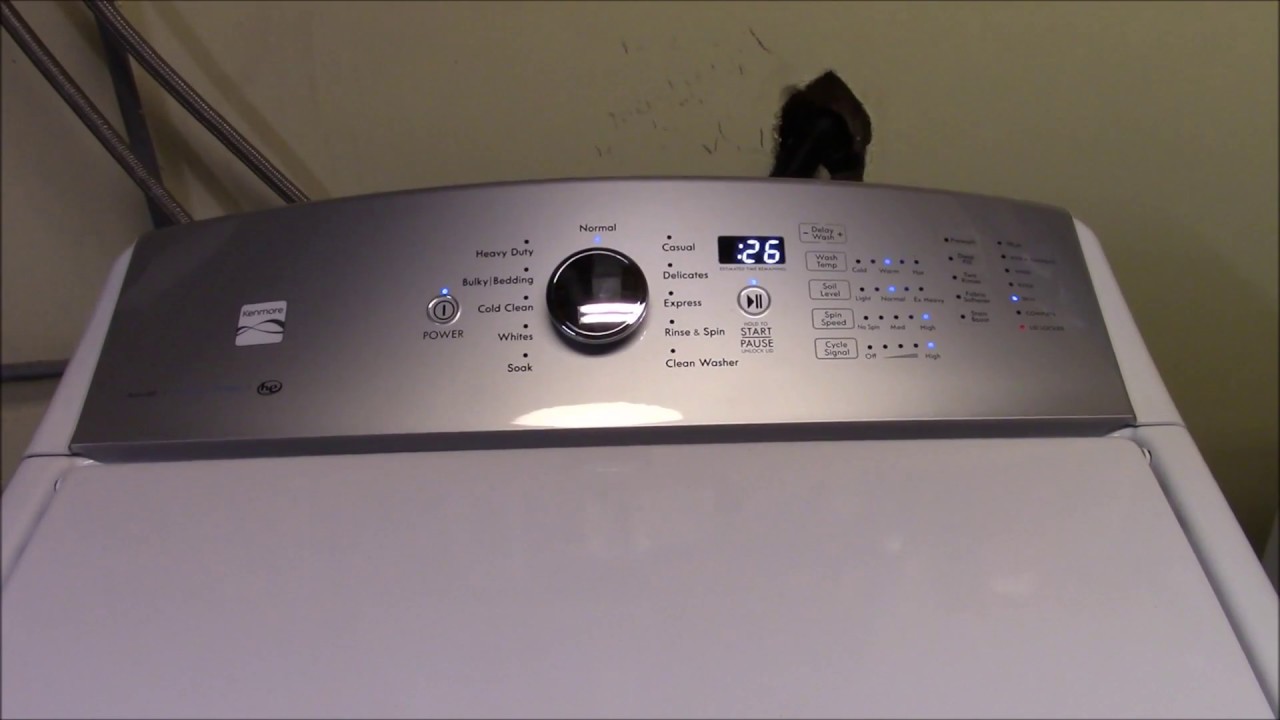
Before troubleshooting, it’s helpful to understand how the Kenmore Series 600S washer works. This model is a high-efficiency, top-loading machine. It features multiple wash cycles, automatic water level sensing, and a direct-drive motor. These features make it efficient and easy to use, but they can also be sources of problems if something goes wrong.

36% off Today’s Exclusive Deals
Limited-time Exclusive Deals. Check current discount on Amazon.
Check Price on Amazon As an Amazon Associate I earn from qualifying purchases.The washer uses sensors to adjust water and spin speed. It has an electronic control board instead of mechanical switches. This means error codes and flashing lights are important clues for identifying problems. Knowing these basics will help you troubleshoot more effectively.
Common Kenmore Series 600s Washer Problems
Many owners experience similar issues with their Kenmore Series 600S washers. Here are the most frequent problems:
- Washer won’t start
- Washer not spinning
- Washer not draining
- Washer leaking water
- Washer making unusual noises
- Error codes on display
- Washer not filling with water
- Washer stops mid-cycle
- Clothes still dirty after washing
Each issue can have multiple causes. Let’s look at how to diagnose and fix these problems one by one.
Troubleshooting Steps For Each Problem
Washer Won’t Start
If your washer doesn’t start, check these points:
- Power supply: Make sure the washer is plugged in. Try another outlet.
- Door/lid switch: The washer won’t start if the lid isn’t fully closed. Listen for a click when you close the lid.
- Control panel: Sometimes, a stuck button or software glitch can prevent starting. Unplug the washer for 1 minute, then plug it back in.
- Error codes: If you see a code, write it down. It points to the problem.
Example
If the washer is plugged in and the lid is closed but nothing happens, check the circuit breaker. Sometimes, a power surge trips it. Resetting the breaker can solve the issue.
Washer Not Spinning
When your washer won’t spin, these are the main causes:
- Unbalanced load: If clothes are bunched up, the washer stops spinning to prevent damage. Rearrange the load evenly.
- Lid switch: The spin cycle won’t run if the lid switch is faulty.
- Drive belt: Although the Series 600S uses a direct drive, some models may still have belts that wear out. Inspect for visible damage.
- Motor issues: If you hear humming but nothing spins, the motor may be failing.
Practical Tip
Don’t overload the washer. Too many clothes can cause imbalance and stop the spin cycle. If the washer stops spinning, remove some items and restart the cycle.
Washer Not Draining
If water stays in the tub, check these areas:
- Drain hose: Make sure the hose isn’t kinked or clogged. Clean out any blockages.
- Drain pump: The pump can fail or get blocked by debris like coins or lint.
- Filter: Some washers have a small filter near the pump. Remove and clean it.
Common Mistake
Many people forget to check the hose behind the washer. Even a small kink can stop water from draining. Straighten the hose and run a drain cycle.
Washer Leaking Water
Leaks can happen for several reasons:
- Hose connections: Check for loose or cracked hoses.
- Door/lid seal: If the seal is dirty or damaged, water can escape.
- Overflow: Too much detergent causes excess suds and overflow.
Non-obvious Insight
Leaks often come from the bottom of the washer. Inspect the tub for cracks or the pump for seal failures—these are less obvious but common in older machines.
Washer Making Unusual Noises
Strange sounds are a sign something is wrong:
- Foreign objects: Coins, buttons, or small items can cause rattling.
- Bearing wear: A loud grinding noise may mean the drum bearings are failing.
- Loose parts: Screws and bolts can loosen over time.
Example
If you hear banging during the spin cycle, check if the washer is level. An uneven surface causes vibration and noise.
Error Codes On Display
The Kenmore Series 600S washer uses error codes to help you identify problems. Here’s a simple comparison table of the most common codes:
| Error Code | Meaning | What to Check |
|---|---|---|
| F21 | Drain problem | Drain hose, filter, pump |
| F20 | No water detected | Water supply, inlet valve |
| F22 | Door lock issue | Lid switch, wiring |
| F23 | Heater problem | Heating element, wiring |
| F33 | Pump drive error | Pump motor, control board |
If you see an error code, look up its meaning in your user manual or above, and follow the recommended steps.
Washer Not Filling With Water
If your washer isn’t filling, try these fixes:
- Water supply: Check that the faucets are open.
- Inlet valve: The valve can get blocked by minerals. Clean or replace it.
- Filter screen: Remove and rinse the screen inside the inlet hose.
Non-obvious Insight
Even small bits of sediment can block the valve. Remove hoses and flush them with water to clear hidden blockages.
Washer Stops Mid-cycle
If your washer stops before finishing:
- Power loss: Brief outages can pause the cycle.
- Overheating: Some washers stop if the motor overheats. Wait 30 minutes and restart.
- Control board: Electronic glitches can freeze the cycle. Unplug and reset the washer.
Clothes Still Dirty After Washing
If clothes come out dirty, consider:
- Wrong cycle: Use the right cycle for the fabric type.
- Detergent: Too little or too much detergent affects cleaning.
- Overloading: Don’t fill the washer beyond its capacity.
Practical Tip
For very dirty loads, pre-soak clothes or use the “Heavy Duty” cycle. Clean the washer drum monthly to prevent residue buildup.
Fixing Kenmore Series 600s Washer Error Codes
Error codes are the washer’s way of telling you what’s wrong. Here’s how to respond:
- Write down the code.
- Check the user manual for the meaning.
- Follow recommended actions: Clean filters, check hoses, inspect wiring.
If the code persists after basic troubleshooting, you may need to replace a part or call a technician. But often, simple fixes solve the problem.
Routine Maintenance To Prevent Problems
Regular care keeps your Kenmore Series 600S washer working well. Here’s a maintenance schedule:
- Monthly: Clean the drum with a washer cleaner tablet. Wipe the lid seal.
- Every 3 months: Inspect hoses for cracks. Tighten loose connections.
- Every 6 months: Clean the inlet valve screens and drain filter.
- Annually: Check for worn parts like belts, bearings, or motor brushes.
This simple schedule helps prevent most common issues.
Advanced Troubleshooting: When To Call A Technician
Some problems require professional help:
- Control board failure: If the washer won’t respond or shows random codes, the control board may need replacement.
- Motor issues: If the motor smells burnt or doesn’t run, don’t try to fix it yourself.
- Major leaks: Cracked tubs or broken pumps can cause big leaks.
If you’ve tried all basic steps and the washer still won’t work, call an authorized Kenmore technician. They have tools and parts for serious repairs.
Comparing Kenmore Series 600s Washer With Other Models
If you wonder how the Series 600S compares to other Kenmore washers, here’s a quick comparison:
| Model | Wash Cycles | Efficiency | Noise Level | Common Issues |
|---|---|---|---|---|
| 600S | 12 | High | Moderate | Drain, spin, error codes |
| 700S | 16 | Higher | Low | Sensor, pump, lid switch |
| 500S | 8 | Medium | High | Noise, leaks, motor |
The Series 600S offers a good balance of features and reliability, but the 700S model is quieter and slightly more efficient.
How To Reset Your Kenmore Series 600s Washer
Resetting your washer can solve many electronic glitches:
- Unplug the washer from the wall.
- Wait 1 minute.
- Plug it back in.
- Open and close the lid six times within 12 seconds.
This “lid reset” clears many error codes and restarts the control board. If it doesn’t work, try again or check the manual.
Cleaning And Care Tips
Keeping your washer clean prevents odors and improves performance:
- Use high-efficiency detergent. Too much soap causes residue.
- Leave the lid open after each cycle to let air dry the drum.
- Wipe the seal and drum with a damp cloth weekly.
- Run an empty cycle with vinegar once a month.
These simple steps help your washer last longer.
Washer Not Draining: Step-by-step Fix
If your Series 600S isn’t draining, follow these steps:
- Turn off power and unplug the washer.
- Remove the drain hose and check for blockages.
- Clean the filter near the pump (if present).
- Inspect the drain pump for debris.
- Reconnect everything and run a drain cycle.
If water still doesn’t drain, the pump may be faulty. This is a common issue, and pumps are easy to replace with basic tools.
Washer Won’t Spin: Step-by-step Solution
If your washer doesn’t spin, try these steps:
- Check balance: Open the lid and redistribute clothes.
- Inspect lid switch: Listen for a click when closing the lid.
- Check motor: If you hear humming but no spin, the motor may be bad.
- Look for error codes: F22 or F33 can point to spin issues.
If the switch or motor is faulty, you may need to order parts or call a technician.
Washer Leaks: Step-by-step Solution
Follow this process to stop leaks:
- Turn off water supply.
- Inspect hoses: Look for cracks or loose fittings.
- Check door/lid seal: Clean and look for damage.
- Watch for overflow: Use less detergent if you see suds.
If the leak is from the bottom, check the pump or tub for cracks.

Data: Kenmore Washer Reliability
Kenmore washers, including the Series 600S, have a strong reputation for reliability. According to Consumer Reports, Kenmore washers have a failure rate of around 7% in the first five years. This is lower than most other brands.
However, the most common issues are:
- Drain pump failure (about 2% of owners)
- Lid switch failure (about 1.5% of owners)
- Electronic control glitches (about 1% of owners)
Knowing these statistics can help you prepare for likely problems.
When You Need Replacement Parts
Sometimes, you need to replace a part to fix your washer. Here’s a comparison of the most common parts and their average costs:
| Part | Average Cost | Difficulty | DIY or Technician |
|---|---|---|---|
| Drain pump | $60-$120 | Moderate | DIY possible |
| Lid switch | $20-$50 | Easy | DIY |
| Control board | $150-$300 | Hard | Technician |
| Inlet valve | $40-$80 | Easy | DIY |
For simple parts like the lid switch or inlet valve, most homeowners can do the job. For complex parts, like the control board, it’s better to call a technician.
Practical Troubleshooting Tips Beginners Often Miss
- Check for error codes first. Many people ignore blinking lights or codes. These are clues to the problem.
- Inspect hoses and connections. Problems are often caused by loose or blocked hoses—not by the washer itself.
- Reset the machine. Electronic washers sometimes need a reset, just like computers.
- Clean filters regularly. Neglecting filters leads to draining and filling issues.
These simple steps solve many problems faster than you think.
Getting Help And Resources
If you need more information or help, the official Kenmore support site has manuals and troubleshooting guides. For detailed repair instructions and parts, visit Kenmore Service. You’ll find step-by-step videos and repair parts for most models.
Frequently Asked Questions
Why Does My Kenmore Series 600s Washer Show The F21 Code?
The F21 code means there’s a drain problem. Check the drain hose for clogs, clean the filter near the pump, and look for debris in the pump. If the code stays after cleaning, the pump may need replacement.
How Do I Reset My Kenmore Series 600s Washer?
Unplug the washer for 1 minute. Plug it back in. Open and close the lid six times within 12 seconds. This resets the control board and clears most error codes.
Why Won’t My Washer Spin Even After Resetting?
If your washer still won’t spin, check for an unbalanced load, a faulty lid switch, or motor problems. Make sure the washer is level and not overloaded. If the lid switch or motor is faulty, you may need to replace them.
Is It Safe To Replace The Drain Pump Myself?
Yes, replacing the drain pump is safe for most homeowners. Unplug the washer, remove the back panel, disconnect the pump, and install the new part. Follow instructions in your manual. If you feel unsure, call a technician.
How Often Should I Clean My Kenmore Series 600s Washer?
Clean the drum monthly with a washer cleaner tablet or vinegar. Wipe the lid seal weekly. Clean the inlet valve screens and filter every six months. Regular cleaning prevents odors and keeps your washer working well.
A reliable washer makes life easier. With the right troubleshooting steps, you can fix most problems yourself and avoid expensive repair bills. The Kenmore Series 600S washer is built to last, and with regular care, it will serve you well for years.
If you ever feel stuck, use the error codes, follow the guides, or reach out to Kenmore support for help. Repairing your own washer is easier than you think, and it saves both time and money.

