The smartphone market keeps getting more exciting each year. Brands push new designs, faster chips, and smarter features. Two standout models in 2024 are the Motorola Razr+ and the Iqoo 12. These phones target different users: the Razr+ is a foldable, stylish device, while the Iqoo 12 is a power-packed flagship. But which one fits you best? If you’re deciding between these, this guide will help you make a confident choice. We’ll break down every detail—design, display, performance, camera, battery, software, and more—so you can understand how each phone fits your needs.
Design And Build Quality
First impressions matter a lot, especially for smartphones. The Motorola Razr+ and Iqoo 12 look and feel very different in your hand. Let’s explore how their design choices affect daily use.

36% off Today’s Exclusive Deals
Limited-time Exclusive Deals. Check current discount on Amazon.
Check Price on Amazon As an Amazon Associate I earn from qualifying purchases.Motorola Razr+: A Foldable Icon
The Razr+ is all about style and innovation. It uses a clamshell foldable design, which means you can close it like an old-school flip phone. When folded, the Razr+ is compact and fits easily into pockets. The outer screen lets you check messages, see notifications, and even reply without opening the device.
Materials are premium: the Razr+ uses aluminum frame and Gorilla Glass Victus on both sides. The hinge feels smooth, with little wobble. Motorola claims it can handle over 400,000 folds, so you won’t worry about durability.
One insight many miss: foldable phones are less prone to screen scratches during storage because the main display is hidden. This is a practical advantage for people who often carry their phone in bags or crowded pockets.
Iqoo 12: Sleek And Solid
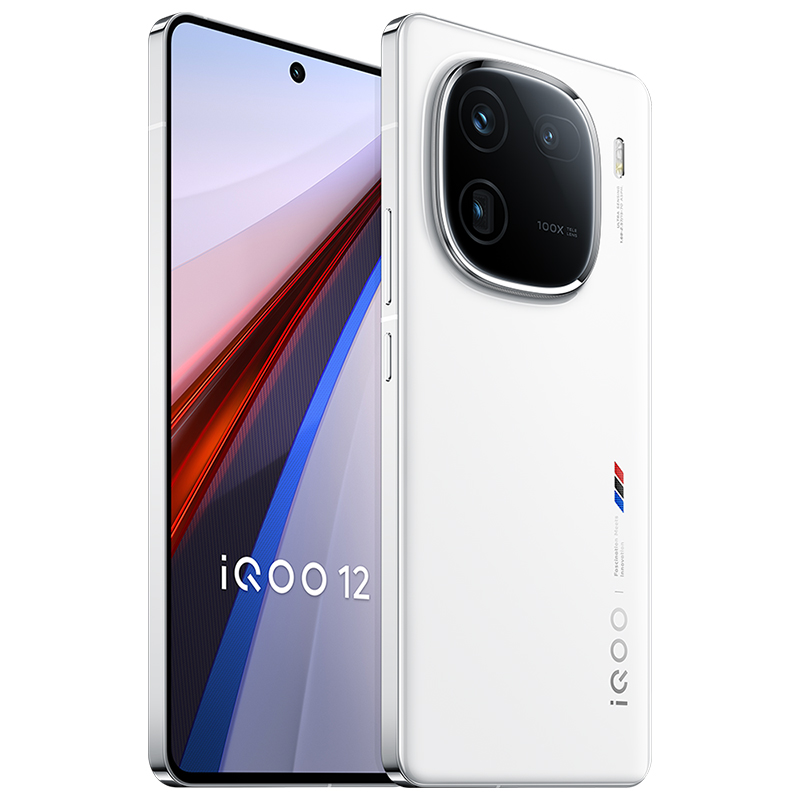
The Iqoo 12 sticks to the traditional slab design. It’s a single, sturdy piece with rounded edges and a slim profile. The back uses AG glass, which feels smooth but not slippery. The frame is aluminum, and it’s built to withstand regular drops and bumps.
Iqoo 12 is slightly heavier than Razr+, but the weight is balanced. It feels premium but not bulky. The device doesn’t fold, so it’s always the same size, but it offers a larger display.
A small detail: Iqoo 12’s camera bump is more pronounced. This means it wobbles slightly on flat surfaces, something you might notice if you use your phone on a desk often.
Comparing Size And Portability
Here’s a quick side-by-side to help visualize:
| Feature | Motorola Razr+ | Iqoo 12 |
|---|---|---|
| Dimensions (Unfolded) | 170.8 x 74.1 x 7.0 mm | 164.6 x 75.4 x 8.1 mm |
| Weight | 188g | 203g |
| Foldable | Yes | No |
| Material | Aluminum, Glass | Aluminum, AG Glass |
| Water Resistance | IP52 (Splash) | IP68 (Submerged) |
Notice how Razr+ is lighter and more compact when folded, while Iqoo 12 is more durable against water.
Display Quality And Experience
A phone’s display is where you spend most of your time. It affects everything—from watching videos to reading texts and playing games. These two phones offer very different display experiences.
Motorola Razr+: Dual Screens For Flexibility
The Razr+ has a 6.9-inch main OLED display. When unfolded, colors are vibrant, blacks are deep, and brightness can reach up to 1400 nits. The refresh rate is 165Hz, making scrolling silky smooth. There’s also a 3.6-inch external AMOLED screen. This outer display is surprisingly useful for quick tasks like music control, calls, and checking notifications.
One tip: The outer screen isn’t just for show. You can run full apps, check your calendar, or even watch videos. For people who want to minimize distractions or save battery, using the small screen often is smart.
The foldable display does have a slight crease in the middle, but it’s barely visible when looking straight on. You can feel it when swiping, but most users get used to it quickly.
Iqoo 12: Large And Immersive
Iqoo 12 uses a 6.78-inch AMOLED screen. The resolution is 2800 x 1260 pixels, which is higher than Razr+. Brightness peaks at 1800 nits, making it readable even under direct sunlight. The refresh rate is also 144Hz—not as high as Razr+, but still excellent for gaming and fast scrolling.
The panel supports HDR10+ and covers 100% DCI-P3 color gamut. Colors are accurate, and video content looks stunning. There’s no crease, and the display feels solid and seamless.
Iqoo 12’s screen is flat, which some people prefer for typing and gaming. It’s also easier to apply screen protectors.
Display Comparison
Let’s break down the specs for clarity:
| Feature | Motorola Razr+ | Iqoo 12 |
|---|---|---|
| Main Display Size | 6.9-inch OLED | 6.78-inch AMOLED |
| Resolution | 2640 x 1080 | 2800 x 1260 |
| Refresh Rate | 165Hz | 144Hz |
| Peak Brightness | 1400 nits | 1800 nits |
| External Display | 3.6-inch AMOLED | None |
| Crease | Yes (slight) | No |
If you want flexibility and a compact option, Razr+’s dual screens win. If you care about resolution and brightness for media, Iqoo 12 pulls ahead.
Performance And Hardware
Performance is a top priority for many buyers. Fast processors, plenty of RAM, and smooth multitasking are essential—especially if you use your phone for gaming, video editing, or heavy apps.
Motorola Razr+: Balanced, Not Extreme
The Razr+ uses the Snapdragon 8+ Gen 1 chip. This is a flagship processor from 2022, still powerful but not the newest. It’s paired with 8GB or 12GB RAM and 256GB or 512GB storage. Apps launch quickly, and multitasking is smooth.
In benchmarks, Razr+ scores around 1,050,000 on AnTuTu. This is fast enough for most tasks, but not the top performer in 2024.
The Razr+ handles games well, but in very demanding games (like Genshin Impact or PUBG at max settings), you may notice some thermal throttling after 30 minutes. For daily use—social media, streaming, office apps—it’s flawless.
One insight: Foldable phones often have slightly less cooling space, so they can heat up faster during heavy tasks. If you’re a gamer, you’ll notice this more.
Iqoo 12: Flagship Powerhouse
Iqoo 12 uses the Snapdragon 8 Gen 3 chip—the latest and fastest in Android phones. It comes with 12GB or 16GB RAM and 256GB, 512GB, or 1TB storage. Performance is outstanding. Apps open instantly, and games run at max settings with no lag.
Iqoo 12 scores around 2,000,000 on AnTuTu. This is almost double the Razr+ score. The phone stays cool, thanks to a vapor chamber cooling system.
Another advantage: Iqoo 12 supports LPDDR5X RAM and UFS 4.0 storage, which means faster data speeds and quicker file transfers. This is very useful if you work with large files or record high-quality video.
Hardware Comparison Table
Here’s a quick look at the hardware:
| Feature | Motorola Razr+ | Iqoo 12 |
|---|---|---|
| Processor | Snapdragon 8+ Gen 1 | Snapdragon 8 Gen 3 |
| RAM | 8GB/12GB | 12GB/16GB |
| Storage | 256GB/512GB | 256GB/512GB/1TB |
| AnTuTu Score | ~1,050,000 | ~2,000,000 |
| Cooling | Passive | Vapor Chamber |
| Expandable Storage | No | No |
Iqoo 12 is the clear winner in raw performance. If you need future-proof power, it’s the stronger choice.
Camera Capabilities
Camera quality is often a deal-breaker. People want sharp photos, good low-light performance, and creative options. Let’s see how Razr+ and Iqoo 12 compare.
Motorola Razr+: Decent For Everyday Use
The Razr+ uses a dual camera setup:
- Main 12MP Wide: F/1.5, OIS, PDAF
- 13MP Ultra-Wide: F/2.2, 120° FOV
Photos are clear and colorful in daylight. Low-light shots are decent, but noise appears if you zoom in. The ultra-wide lens is useful for group shots or landscapes.
The main camera supports 4K video at 30fps. Video stabilization is good, but not as advanced as newer flagships.
One clever feature: You can use the outer screen as a viewfinder for selfies. This gives you higher quality than most front cameras.
The 32MP front camera (inside) is fine for video calls, but the main camera selfie option is often better.
Iqoo 12: Flagship Photography
Iqoo 12 uses a triple camera setup:
- Main 50MP Wide: F/1.7, OIS, PDAF, Samsung GN5 sensor
- 50MP Ultra-Wide: F/2.0, 150° FOV
- 64MP Telephoto: 3x optical, up to 100x digital
Daylight photos are sharp, with lots of detail. Low-light shots are excellent, with minimal noise. The ultra-wide lens captures dramatic landscapes, and the telephoto lens is great for zooming without losing clarity.
Video is impressive: 8K at 30fps, 4K at 60fps, and advanced stabilization for smooth footage.
Iqoo 12’s 16MP front camera is good for selfies and video calls. The main camera delivers much better detail, especially for portraits.
One insight: The telephoto lens is not just for zoom. It’s ideal for street photography, events, or capturing candid moments from a distance without disturbing the subject.
Camera Comparison
Here’s the spec breakdown:
| Feature | Motorola Razr+ | Iqoo 12 |
|---|---|---|
| Main Camera | 12MP, f/1.5, OIS | 50MP, f/1.7, OIS |
| Ultra-Wide | 13MP, f/2.2, 120° | 50MP, f/2.0, 150° |
| Telephoto | No | 64MP, 3x optical |
| Video | 4K@30fps | 8K@30fps, 4K@60fps |
| Front Camera | 32MP | 16MP |
| Selfie with Main Camera | Yes (external screen) | No |
If photography is your priority, Iqoo 12 is far ahead. But for casual selfies and quick snaps, Razr+ is convenient.
Battery Life And Charging
A phone’s battery decides how long you can go without plugging in. Fast charging matters when you’re in a hurry.
Motorola Razr+: Good For Light Users
Razr+ has a 3800mAh battery. It supports 30W wired charging and 5W wireless charging. With moderate use, you get about 14-16 hours before needing a charge.
If you use the external display often, battery life improves because the small screen consumes less power.
Charging from 0 to 100% takes about 1 hour with the wired charger. Wireless charging is slow, but useful for overnight charging.
A tip many miss: Foldable phones generally have smaller batteries due to space limits. If you stream videos or play games for hours, you’ll need to charge more often.
Iqoo 12: Marathon Performer
Iqoo 12 has a 5000mAh battery. It supports 120W wired charging and 50W wireless charging. You can get 18-22 hours of use, even with heavy tasks.
Charging is ultra-fast: 0 to 100% in 23 minutes (wired). Wireless charging is quick, too—full charge in about 1 hour.
Iqoo 12 also supports reverse charging. You can charge accessories like earbuds directly from the phone.
A practical insight: Ultra-fast charging changes habits. You don’t need to wait hours for a full charge. Even a 10-minute top-up can give you enough power for the day.
Battery And Charging Comparison
Here’s the spec summary:
| Feature | Motorola Razr+ | Iqoo 12 |
|---|---|---|
| Battery Capacity | 3800mAh | 5000mAh |
| Wired Charging | 30W | 120W |
| Wireless Charging | 5W | 50W |
| Reverse Charging | No | Yes |
| Battery Life | 14–16 hours | 18–22 hours |
| Full Charge Time | ~60 mins | ~23 mins |
Iqoo 12 is the clear winner for battery and charging. Razr+ is fine for light users but needs more frequent charging.
Software And User Experience
Software affects how you interact with your phone. Smooth updates, clean interfaces, and useful features make a big difference.
Motorola Razr+: Clean And Simple
Razr+ runs Android 13 with a light Motorola skin. The interface is clean, fast, and close to stock Android. Motorola adds some useful gestures—like twist to open the camera, or chop to turn on the flashlight.
Updates: Motorola promises 2 years of Android updates and 3 years of security patches. This is good, but not the best in the industry.
The external display has its own features. You can customize widgets, run apps, and set quick replies. It’s more flexible than most small screens.
One insight: The Razr+ is ideal for people who dislike bloatware. You get a fast, uncluttered experience.
Iqoo 12: Feature-rich And Customizable
Iqoo 12 runs Funtouch OS 13 (based on Android 13). The interface is colorful, with many customization options—themes, icons, and gestures.
Iqoo’s software adds game modes, performance boosters, and advanced camera controls. There are some pre-installed apps, but most can be removed.
Updates: Vivo promises 3 years of Android updates and 4 years of security patches. This is slightly ahead of Motorola.
Iqoo 12 also supports multi-window and split-screen features, useful for multitasking.
A practical tip: If you like tweaking settings and personalizing your phone, Iqoo 12 gives you more options.
Connectivity And Extra Features
Connectivity and extra features matter for many users—especially when traveling or using accessories.
Motorola Razr+: Basic But Effective
Razr+ supports 5G, Wi-Fi 6E, Bluetooth 5.3, NFC, and USB-C. It works well on most US and global carriers.
There’s no microSD slot or headphone jack. Audio is handled through stereo speakers or Bluetooth.
Razr+ is IP52 rated. This means it can survive splashes, but not full immersion. If you drop it in water, you need to dry it quickly.
A small detail: The external screen can be used as a mirror, or for quick payments via NFC. This is handy for shopping or checking your look.
Iqoo 12: Full Connectivity
Iqoo 12 supports 5G, Wi-Fi 7, Bluetooth 5.4, NFC, USB-C, and infrared blaster. It’s more future-proof for wireless speeds.
No microSD slot or headphone jack. Audio is handled through stereo speakers or Bluetooth.
Iqoo 12 is IP68 rated. This means it can survive full immersion in water (up to 1.5 meters for 30 minutes).
One insight: The infrared blaster lets you control TVs, ACs, and other devices. If you travel or live in hotels, this is a hidden gem.
Price And Availability
Budget is important. Let’s see how these phones compare in cost and where you can buy them.
Motorola Razr+: Premium For Foldable Fans
Razr+ is priced at $999 (8GB/256GB) and $1,099 (12GB/512GB) in the US. It’s available in most carrier stores and online retailers.
Motorola often runs promotions, so you may find discounts or trade-in deals.
The Razr+ is available in North America, Europe, and parts of Asia. Color options include Infinite Black, Glacier Blue, and Viva Magenta.
Iqoo 12: Flagship At Lower Price
Iqoo 12 starts at $700 (12GB/256GB), $800 (16GB/512GB), and $950 (16GB/1TB). It’s sold mainly in Asia and Europe, but you can buy international models online.
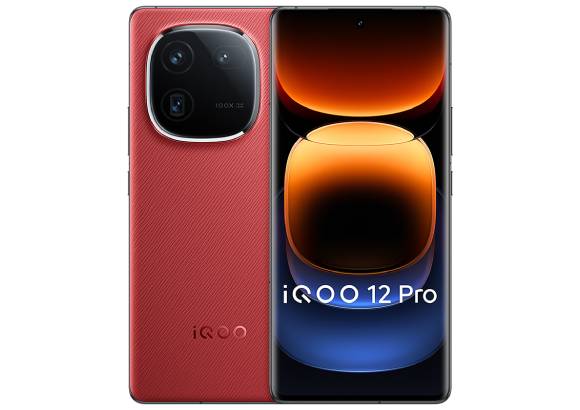
Iqoo 12 is available in Legend White, Alpha Black, and Red.
A tip many miss: Buying from official sources guarantees warranty and updates. If you buy from third-party sites, check compatibility and support.

User Experience: Real-world Scenarios
Let’s take a practical look at how each phone fits different lifestyles.
Motorola Razr+: For Style, Compactness, And Quick Tasks
- Fits easily in small pockets or bags
- Quick access to messages and apps via external screen
- Great for selfies using the main camera
- Clean software, simple gestures
- Ideal for light to medium users who value design
Example: A busy professional who needs a compact phone for meetings, quick selfies, and messaging. The Razr+ offers flexibility and elegance.
Iqoo 12: For Power, Gaming, And Photography
- Large, high-res screen for gaming and movies
- Fast processor for heavy apps and multitasking
- Excellent camera for travel and events
- Long battery life and ultra-fast charging
- Feature-rich software for custom setups
Example: A student or gamer who streams, plays games, and takes lots of photos. Iqoo 12 delivers speed, battery, and creative options.
Pros And Cons Of Each Device
Let’s summarize the strengths and weaknesses.
Motorola Razr+
Pros:
- Unique foldable design
- Compact and stylish
- Dual screens for flexibility
- Clean, uncluttered software
- Good for quick tasks and selfies
Cons:
- Battery is smaller
- Performance is not top-tier
- Camera is basic compared to flagships
- Limited water resistance
- Higher price for foldable tech
Iqoo 12
Pros:
- Powerful flagship processor
- Excellent cameras (especially telephoto)
- Long battery life, fast charging
- Feature-rich software
- IP68 water resistance
Cons:
- Larger, less compact
- No foldable design
- Some pre-installed apps
- Camera bump wobbles on flat surfaces
- Limited US availability
Which Should You Buy?
Choosing between Razr+ and Iqoo 12 depends on your priorities.
- If you want style, compactness, and quick access, Razr+ is the better fit.
- If you need performance, battery, and camera quality, Iqoo 12 wins.
Don’t forget to consider durability and price. Razr+ is unique but pricier and less water-resistant. Iqoo 12 is powerful, affordable, and more rugged.
For more technical details, you can check the official specs at GSM Arena.
Frequently Asked Questions
Is The Motorola Razr+ Screen Durable?
The Razr+ uses Gorilla Glass Victus on the outer display and a flexible OLED inside. Motorola claims the hinge survives over 400,000 folds. Still, foldable screens are more delicate than regular screens. Avoid sharp objects and keep it clean for best durability.
Does Iqoo 12 Support Wireless Charging?
Yes, Iqoo 12 supports 50W wireless charging. This is faster than most competitors. It also supports reverse charging for accessories. Just use a compatible charger for best results.
Which Phone Is Better For Gaming?
Iqoo 12 is better for gaming. It uses the Snapdragon 8 Gen 3 chip, advanced cooling, and a high refresh rate screen. Games run smoothly even at max settings, and battery lasts longer.
Can I Use Motorola Razr+ For Photography?
You can, but the Razr+ cameras are basic compared to flagship models. It’s good for selfies and everyday photos, but if you need zoom or high detail in low light, Iqoo 12 is superior.
Is Iqoo 12 Available In The Us?
Iqoo 12 is not officially sold in the US. You can buy international models online, but check carrier compatibility and warranty. For US users, Razr+ is easier to buy and support.
Smartphone choices are personal. Both the Motorola Razr+ and Iqoo 12 shine in different areas. Think about how you use your phone each day, and match your needs to these features. Whether you want style or power, there’s a great option for you.