

Fast fixes for Nordson glue machine troubleshooting: check temperature, pressure, filters, and nozzles first.
I have spent years servicing hot-melt systems and teaching technicians how to solve common faults quickly. This guide on Nordson Glue Machine Troubleshooting covers clear causes, step-by-step fixes, preventive checks, and real-world tips you can use today. Read on to learn practical, safe, and tested methods to keep your adhesive system running with minimal downtime.

36% off Today’s Exclusive Deals
Limited-time Exclusive Deals. Check current discount on Amazon.
Check Price on Amazon As an Amazon Associate I earn from qualifying purchases.
What is a Nordson glue machine and how it works
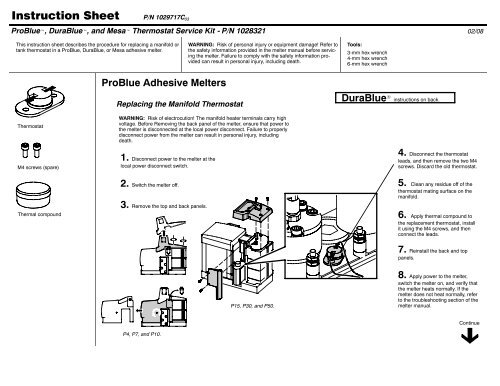
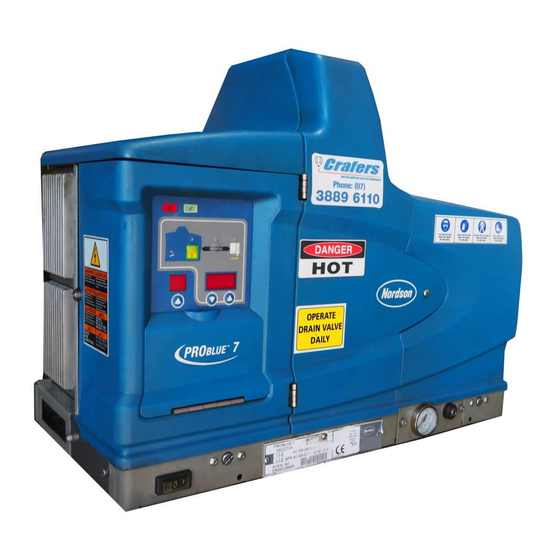
A Nordson glue machine is a hot-melt adhesive delivery system. It melts solid adhesive, keeps it at a set temperature, and pumps it to applicators. Key modules include the melter, pump, temperature controller, manifold, hoses, and nozzles. Understanding these parts makes Nordson Glue Machine Troubleshooting faster and more precise.
Common problems and root causes
Clogged nozzles
Nozzle orifices often block from charred adhesive or debris. Low purge frequency and wrong melt temperature cause build-up.
Inconsistent bead or stringing
Stringing comes from incorrect temperature, worn nozzle tips, or air in lines. Pressure spikes and slow purge cycles also cause poor application.
Low or no glue flow
Low flow can mean pump failure, broken drive belts, or incorrect pump speed settings. Check filters and melted adhesive viscosity.
Overheating or thermal faults
Thermocouple or controller problems can cause overheating. Bad temperature sensors give false readings that harm adhesive quality.
Air in system and foam
Air pockets form when viscosity is low or there is leakage at hose fittings. Foamy output weakens bond strength.
Leakage at fittings
Loose or damaged hose fittings and worn seals cause glue leaks around pumps and manifolds.
Electrical and control errors
Fault codes may point to sensor fault, drive motor fault, or heater open circuits. Simple resets help sometimes, but errors often mean component replacement.
These are typical items you will face during Nordson Glue Machine Troubleshooting. Being methodical speeds repairs and reduces repeat failures.

Step-by-step troubleshooting guide
-
Verify safety and power
- Turn off machine and lock power where needed.
- Wear heat-resistant gloves and eye protection.
-
Check basic settings
- Confirm set temperature and pump speed.
- Compare set values with recommended range for your adhesive.
-
Inspect filters and screens
- Remove and check inlet screens for debris.
- Clean or replace as needed.
-
Test melt and nozzle flow
- Heat to operating temperature and watch flow.
- Purge through a spare nozzle to clear blockages.
-
Examine hoses and fittings
- Check for cracks, loose clamps, or leaks.
- Tighten fittings and replace worn hoses.
-
Verify pump and drive
- Listen for unusual noise.
- Check drive belts, motor amps, and pump output.
-
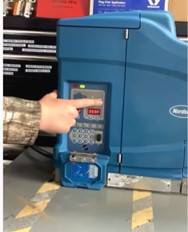
Review control diagnostics
- Read fault codes and log events.
- Reset faults only after safe checks.
-
Check sensors and thermocouples
- Compare sensor reading with handheld thermometer.
- Replace sensors that show drift.
-
Run a cleaning cycle
- Use manufacturer-approved purge compound or adhesive.
- Follow proper melt and purge temperatures.
-
Test under load
- Run machine with production parts.
- Watch for repeat symptoms and record conditions.
This ordered approach helps you work from simple fixes to deeper repairs. It makes Nordson Glue Machine Troubleshooting efficient and less risky.
Preventive maintenance and best practices
Daily tasks
• Visual check for leaks and unusual noise.
• Confirm operating temperature.
• Purge nozzles at start and end of shift.
Weekly tasks
• Clean inlet screens and purge filters.
• Inspect hoses and replace if soft or cracked.
• Check pump drive belts and motor mounts.
Monthly tasks
• Calibrate temperature controllers and verify thermocouples.
• Inspect manifold and nozzle tip wear.
• Run a full system purge and replace trapped adhesive.
Best practice tips
• Use only recommended adhesives and purge compounds.
• Keep spare nozzles, seals, and sensors on hand.
• Train operators on quick checks and basic purge routines.
Preventive care reduces downtime and makes Nordson Glue Machine Troubleshooting less frequent and less urgent.

Parts, diagnostic tools, and replacements
Key parts to know
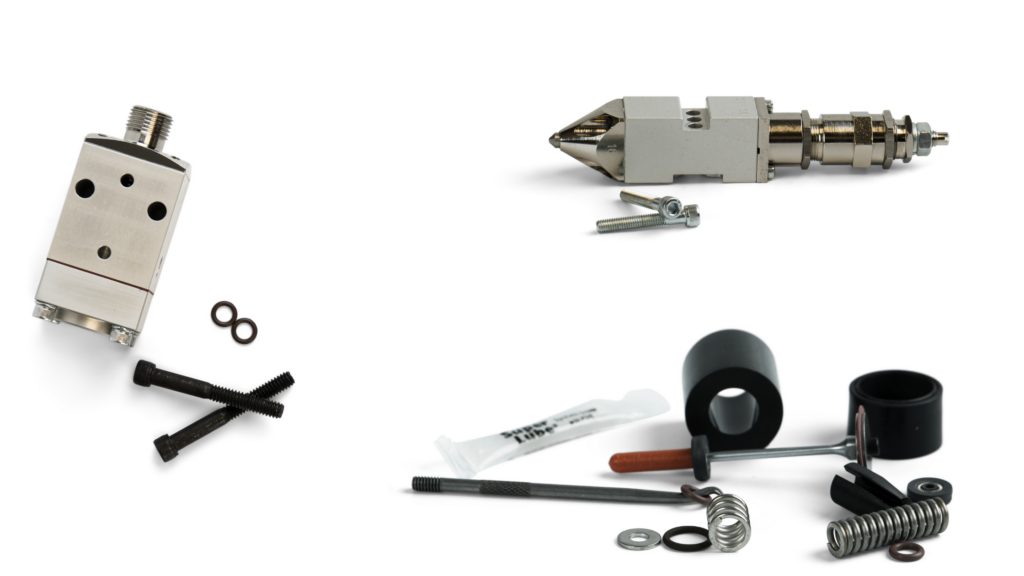
• Melter tank and heater cartridges.
• Gear or piston pumps.
• Manifold, hoses, and nozzle tips.
• Temperature sensors and controllers.
Essential tools
• Handheld infrared thermometer for surface checks.
• Multimeter to test continuity and voltage.
• Pressure gauge for pump output checks.
• Spare nozzle tips and a cleaning kit.
When to replace parts
• Replace nozzle tips when bead shape changes or stringing continues after cleaning.
• Replace thermocouples when readings drift more than 5–10°F.
• Replace hoses every 12–24 months or sooner if damaged.
Using the right tools makes Nordson Glue Machine Troubleshooting faster and less guesswork-driven.

Software, controls, and calibration
Controller basics
Controllers manage heater zones and pump speeds. Keep firmware up to date when advised by manufacturer guidance.
Common control issues
• Incorrect setpoints from accidental changes.
• Faults after power spikes.
• Intermittent sensor readings.
Calibration steps
• Compare controller readings with a calibrated thermometer.
• Adjust offsets only if sensor and wiring checks are clean.
• Log calibration dates and values.
Networked systems
For machines tied to plant control systems, confirm communication paths. A lost signal can show as machine error even when hardware is fine.
Clear control checks reduce the hours you spend on Nordson Glue Machine Troubleshooting.
Safety and compliance
Thermal risk
Hot-melt systems operate at high temperatures. Always use heat gloves and face protection when handling hot parts.
Electrical safety
Lock out power before maintenance. Verify zero volts with a meter before touching wiring.
Adhesive fumes and ventilation
Some adhesives release fumes at high temps. Ensure proper ventilation and follow MSDS recommendations.
Documentation and records
Keep maintenance logs and safety checks. They help with audits and trace recurring problems.
Good safety habits lower risk and help you troubleshoot faster and with confidence.
Real-world tips and personal experience
I once fixed a stringing problem that caused daily rejects. The fix was simple. The operator had set melt temp 10°F too low. I raised temp within spec, purged the tip, and the issue stopped. Lesson: always confirm basic setpoints first.
Another job had frequent pump failures. We traced it to abrasive dust near the motor coupling. Adding a cover and better housekeeping stopped repeat pump wear. Lesson: small environmental fixes save costly parts.
Mistakes to avoid
• Don’t overheat to “force” flow. It chars adhesive and clogs nozzles.
• Don’t ignore simple checks like filters and hoses. They are often the root cause.
• Don’t skip training; many faults stem from simple operator errors.
These experiences shaped my approach to Nordson Glue Machine Troubleshooting: be methodical, start simple, and document everything.

Troubleshooting checklist — quick reference
• Verify machine power and safety lockout.
• Confirm set temperature and pump speed.
• Inspect inlet filters and clean screens.
• Purge and inspect nozzles for clogs.
• Check hoses and fittings for leaks.
• Listen for pump and motor abnormal sounds.
• Read controller fault codes and log them.
• Compare sensor readings with a handheld thermometer.
• Replace worn nozzle tips and seals.
• Run a production test and monitor results.
Use this checklist during shift changes and before production runs to reduce downtime during Nordson Glue Machine Troubleshooting.
Frequently Asked Questions of Nordson Glue Machine Troubleshooting
How do I stop glue stringing on my Nordson machine?
Stringing often results from incorrect temperature, worn tips, or slow purge. Confirm temperature, clean or replace the nozzle tip, and perform a full purge.
Why is my Nordson pump making noise and losing flow?
Noise and flow loss usually point to pump wear, low drive tension, or clogged inlet filters. Inspect filters, check belt tension, and test pump output under load.
Can I use any hot-melt adhesive in a Nordson system?
Not all adhesives match every unit. Use adhesives approved for your model and follow melt temperature guidelines to avoid damage and clogs.
What routine maintenance reduces troubleshooting time?
Daily purge, weekly filter cleaning, and monthly sensor calibration cut troubleshooting time significantly. Keep logs for trends.
When should I call Nordson service or a certified technician?
Call service for persistent electrical faults, repeated pump failures, or when internal components need repair. Use a technician for warranty or complex repairs.
How often should I replace nozzle tips and thermocouples?
Replace nozzle tips as soon as bead shape degrades or cleaning fails. Replace thermocouples when readings drift beyond acceptable tolerance or after visible wear.
Conclusion
Nordson Glue Machine Troubleshooting is about smart checks, safe practice, and steady maintenance. Use the step-by-step guide, preventive tasks, and the checklist to reduce downtime and improve bond quality. Start today by adding a short daily checklist and keeping a small stock of critical spares. Try these fixes, track results, and share your experience or questions below to keep improving your process.


1 Comment
Incredible points. Solid arguments. Keep up the good effort.