

Polaris Pool Sweep Troubleshooting quickly fixes common drive, hose, and debris issues in minutes.
I have spent years fixing automatic pool cleaners, and I know how frustrating it is when a Polaris pool sweep stops working. This guide covers Polaris Pool Sweep Troubleshooting from simple checks to step-by-step fixes. I will share hands-on tips, common causes, and real repair stories. Read on to diagnose and fix problems fast, extend cleaner life, and keep your pool spotless.

36% off Today’s Exclusive Deals
Limited-time Exclusive Deals. Check current discount on Amazon.
Check Price on Amazon As an Amazon Associate I earn from qualifying purchases.
How Polaris Pool Sweep Works and Why Troubleshooting Matters
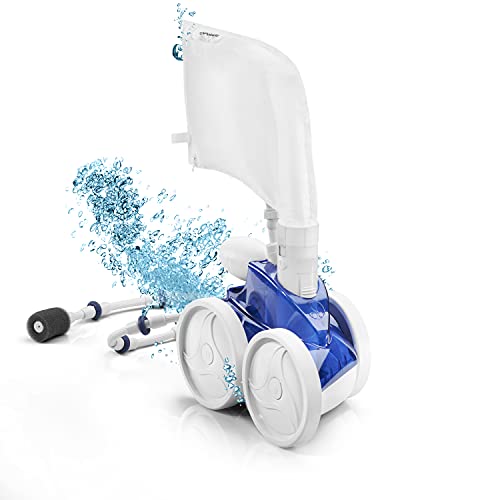
Polaris pool sweep troubleshooting starts with knowing how the unit moves and cleans. The sweep uses water pressure, jets, and a diaphragm or turbine to drive motion. It pulls debris into a filter bag or into your pool filter. When any part fails, cleaning power drops.
Troubleshooting is about checking parts and water flow. Fixing small issues keeps repair costs low. Regular checks prevent breakdowns and keep pools safe.

Common Problems with Polaris Pool Sweep and Quick Causes
Understanding common failures makes troubleshooting faster. Here are the top issues I see.
- Cleaner won't move. Likely low water pressure, blocked jet, or stuck wheel.
- Cleaner runs but doesn't pick up debris. Bag or filter may be full, or hoses leak.
- Cleaner moves in circles. Swivel or wheel may be jammed or worn.
- Hose floats and tangles. Weight or hose length might be wrong.
- Cleaner clogs at skimmer. Flow balance or valve settings may be off.
Polaris pool sweep troubleshooting focuses on these points. Start with simple checks before buying parts.

Step-by-Step Polaris Pool Sweep Troubleshooting Checklist
Follow this checklist in order. Each step narrows the cause.
- Check pool pump and pressure
- Turn on pump and observe pressure gauge.
- Low pressure means blocked pump, dirty filter, or closed valves.
- Inspect hoses and connections
- Look for holes, cracks, or loose clamps.
- Replace damaged hose sections first.
- Clean or replace the bag and screens
- Remove debris from the filter bag.
- Clean screens and ports thoroughly.
- Examine jets and fittings
- Remove obstructions from the jet and throat area.
- Tighten any loose fittings.
- Test cleaner movement in shallow water
- Put cleaner in shallow end to watch motion.
- Note stuck wheels, uneven rotation, or sinking.
- Check valve settings and backwash if needed
- Ensure pressure side and return valves are correct.
- Backwash the filter if pressure remains high.
- Inspect drive train and wheels
- Look for worn gears, stripped teeth, or jammed wheels.
- Lubricate moving parts carefully with manufacturer-approved products.
- Replace diaphragm or turbine if needed
- If the cleaner loses power, the diaphragm or turbine may be worn.
- Follow the manual for part replacement.
Polaris pool sweep troubleshooting works best when you go step-by-step. Keep parts organized and test after each fix.
Tools and Parts You May Need
Being ready saves time. Keep these items on hand.
- Replacement hoses and clamps
- Spare diaphragm or turbine kit
- Filter bags or leaf canisters
- Screwdrivers and pliers
- Pool-safe lubricant and hose weights
- Pressure gauge and multimeter if model is powered
These parts help with most Polaris pool sweep troubleshooting tasks. I carry a small kit for on-the-spot fixes.
Maintenance Tips to Avoid Frequent Troubleshooting
Regular maintenance reduces breakdowns. Do these tasks weekly or monthly.
- Empty the bag after each run.
- Inspect hoses monthly for wear.
- Clean jets and fittings every two weeks.
- Backwash or clean the main filter monthly.
- Store the cleaner out of sun when not in use.
I once skipped hose checks and paid for a new turbine. Regular care saves money and time.
When to Replace Parts and When to Call a Pro
Know when to DIY and when to seek help. Replace common parts yourself. These include:
- Hoses and clamps
- Filter bags
- Wheels and small gears
Call a pro for electrical faults, complex internal gearbox issues, or persistent leaks. If multiple parts fail at once, professional diagnosis avoids repeated failed repairs.
Polaris pool sweep troubleshooting may seem simple, but internal gearbox repairs often need experts. I have repaired hoses and diaphragms. I recommended pros for motor and sealed gearbox jobs.
Cost and Time Estimates for Common Fixes
Expect modest costs for common fixes. Typical estimates:
- Hose replacement: low cost, 15–30 minutes.
- Filter bag replacement: very low cost, 5–10 minutes.
- Diaphragm or turbine rebuild: moderate cost, 30–90 minutes.
- Gearbox or motor work: higher cost, variable time.
Time and cost depend on model and part availability. Always compare part prices with local repair shops.
Personal Tips and Real-Life Fixes
I once fixed a Polaris cleaner that stalled every 10 minutes. The cause was a half-blocked jet and a cracked hose. I cleaned the jet and replaced two hose sections. The cleaner ran like new.
Tips I learned the hard way:
- Always test in shallow water first.
- Keep a hose splice kit for quick fixes.
- Label hose lengths to avoid tangling.
- Use only approved lubricants to avoid damage.
These tricks save hours and prevent return trips to the shop.
Troubleshooting Checklist Summary (Printable Steps)
Use this short checklist when you inspect a cleaner.
- Verify pump pressure and filter status.
- Check hoses and seal connections.
- Empty and inspect the bag.
- Clean jets and ports.
- Run cleaner in shallow water to observe motion.
- Replace worn diaphragms or turbines.
- Call pro for gearbox or electrical faults.
Keep this checklist near your pool equipment for fast reference.
Frequently Asked Questions of Polaris Pool Sweep Troubleshooting
Why won't my Polaris Pool Sweep move at all?
Low water pressure, closed valves, or a clogged pump are common causes. Check the pump, filter, and valve positions first, then inspect hoses for leaks.
Why does my Polaris sweep move but not pick up debris?
A full bag, torn bag, or blocked inlet will reduce pickup. Empty the bag, inspect for holes, and clean the inlet screens.
How often should I replace the diaphragm or turbine?
Replace these parts when you notice weak or erratic movement, usually every 1–3 years with regular use. Heavy debris or poor maintenance can shorten their life.
Can I use any lubricant for the wheels and seals?
No. Use pool-safe lubricants recommended by the manufacturer to avoid damage. Avoid petroleum-based products that degrade rubber.
When should I call a professional for Polaris pool sweep troubleshooting?
Call a pro for sealed gearbox repairs, electrical motor issues, or if multiple parts fail simultaneously. Professionals can diagnose complex problems and prevent extra damage.
How do I prevent hose tangles and floating?
Use proper hose length and add weights or a hose float kit as needed. Inspect connection points to ensure they are secure and not over-length.
Conclusion
Polaris Pool Sweep Troubleshooting is easier when you follow a clear, step-by-step process. Check pump pressure, hoses, bags, and jets first. Replace worn parts and call a pro for complex repairs. With regular care, your Polaris cleaner will last longer and perform better.
Take action today: run through the checklist, fix the easy issues, and schedule a professional if needed. Share your results or questions below, and subscribe for more pool care tips.

