

Fix common Pro Stitcher errors fast with clear steps for hardware, software, and connectivity.
I’ve spent years working with longarm systems and Pro Stitcher setups. This guide on Pro Stitcher Troubleshooting packs tested fixes, clear checks, and real tips I use daily. Read on to diagnose errors, reduce downtime, and get reliable stitching results.

36% off Today’s Exclusive Deals
Limited-time Exclusive Deals. Check current discount on Amazon.
Check Price on Amazon As an Amazon Associate I earn from qualifying purchases.
Understanding Pro Stitcher and common issues
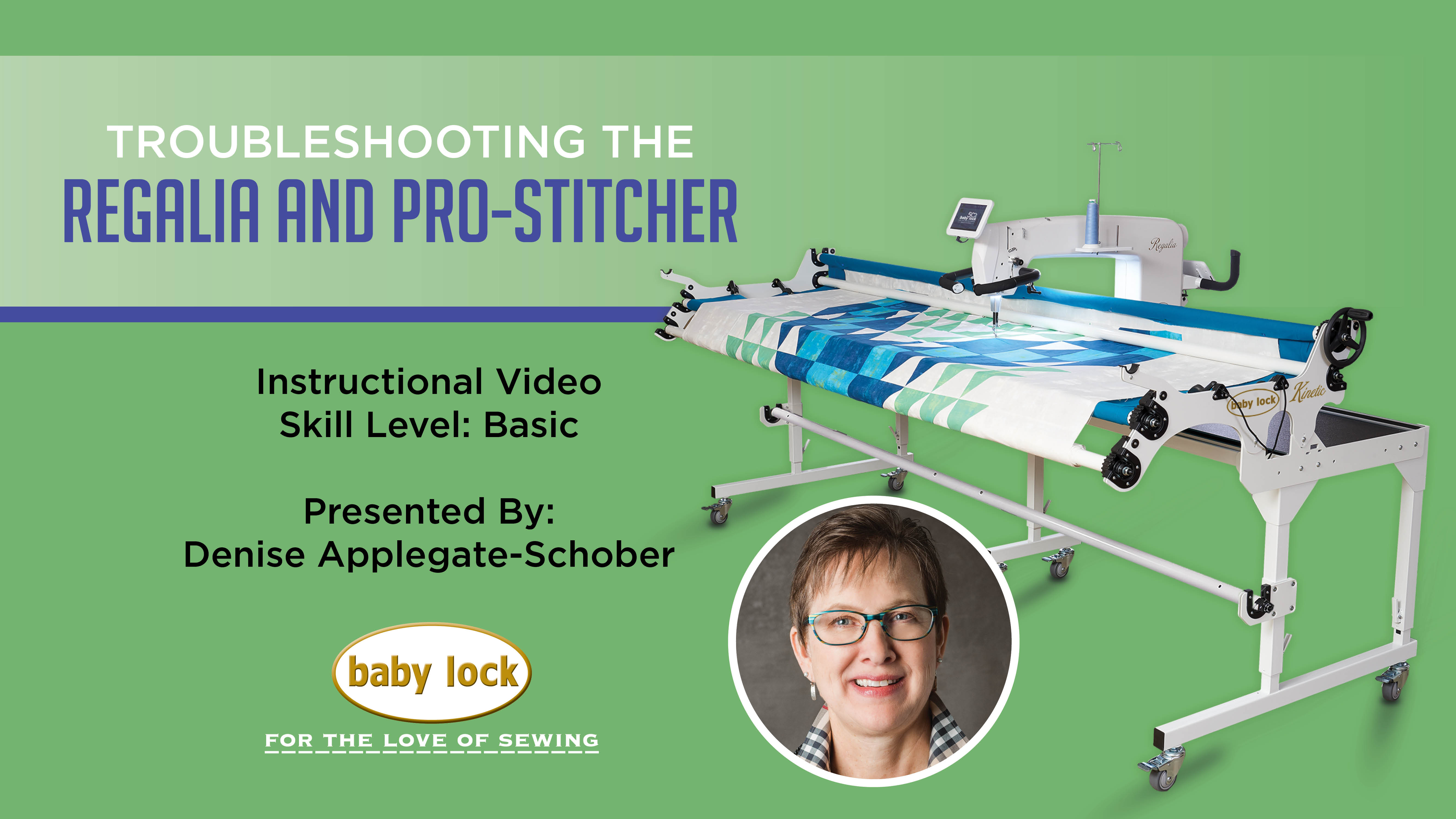
Pro Stitcher is a computerized quilting system that controls longarm motion and stitch patterns. Pro Stitcher Troubleshooting starts with knowing typical failure points: hardware, files, or communication. Problems often show as missed stitches, freezes, alignment errors, or crashes. Knowing how the software, motion system, and files interact makes most fixes straightforward.
Quick checklist for Pro Stitcher Troubleshooting
Before deep dives, run a short checklist to isolate the problem. This saves time and avoids unnecessary repairs.
-
Power and emergency stop
- Ensure the machine is plugged in and the emergency stop is released.
- Check outlet and surge protector.
-
Connections and cables
- Inspect USB, serial, and network cables for snug fits and damage.
- Swap cables to rule out a bad lead.
-
Software and version
- Confirm Pro Stitcher software is up to date.
- Note recent updates that coincide with the issue.
-
Simple reboot
- Restart the computer, controller, and machine in that order.
- Test with a small file after reboot.
Running this checklist tackles about half of the common Pro Stitcher Troubleshooting cases quickly.

Hardware troubleshooting: motors, belts, and sensors
Hardware faults are common causes of motion errors. Check each part methodically.
-
Motor and encoder
- Listen for grinding or unusual noise from motors.
- Verify encoder cables are secure and free of debris.
-
Belts and pulleys
- Look for loose or worn belts that cause backlash.
- Tighten or replace belts per manufacturer specs.
-
Limit switches and home sensors
- Test limit switches manually to confirm they trigger.
- Clean sensor surfaces and check alignment.
-
Bearings and rails
- Inspect rails for dirt and wear.
- Lubricate bearings following recommended products.
I once fixed a repeat skip by reseating an encoder connector. The machine ran perfectly after that simple step. Small hardware checks can save hours.
Software and file issues in Pro Stitcher Troubleshooting
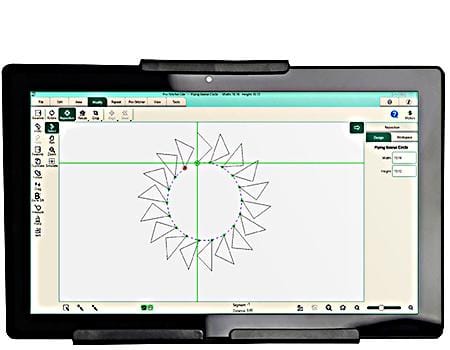
Software and file errors cause crashes and odd stitch paths. Use a clear approach.
-
Pattern files and conversion
- Confirm files are compatible with your Pro Stitcher version.
- Re-export patterns if conversion errors appear.
-
Map and calibration
- Re-run calibration routines when stitches drift or scale wrong.
- Check grid mapping if the pattern warps.
-
PC performance and drivers
- Close background apps and free memory before running Pro Stitcher.
- Update graphics and USB drivers to current stable versions.
-
Corrupt project files
- Open backups or export pattern to a new file.
- Avoid saving over originals until issue is resolved.
I learned to always keep dated backups. Corrupt files are common after sudden power loss, and having a backup avoids major rework.

Communication, network, and USB troubleshooting
Connectivity issues block commands and file transfers. Diagnose connection paths.
-
USB and serial links
- Try a different USB port and cable.
- Use a known-good cable to rule out failures.
-
Network sharing and permissions
- Ensure the PC can access network drives if patterns are stored remotely.
- Map drives with consistent letters and test access.
-
Controller firmware match
- Check that controller firmware matches the Pro Stitcher software requirements.
- Update firmware carefully and follow rollback steps if needed.
-
Latency and packet loss
- On networks, test latency and packet drops.
- Move to a wired connection if Wi-Fi shows instability.
A wired connection and a dedicated PC for Pro Stitcher reduce many communication headaches.
Preventive maintenance and best practices
Preventive care reduces the frequency of Pro Stitcher Troubleshooting tasks. Schedule simple routines.
-
Daily checks
- Wipe rails and inspect belts briefly.
- Verify emergency stop and power connections.
-
Weekly tasks
- Run calibration checks and test a short pattern.
- Back up all pattern files to local and cloud storage.
-
Monthly service
- Lubricate moving parts and inspect for worn components.
- Update software and review driver updates in a test window.
-
Usage habits
- Use clean, labeled files and avoid network saves during stitching.
- Train operators on safe shutdown and file handling.
Regular maintenance keeps the machine stable and makes Pro Stitcher Troubleshooting less common.

When to escalate: collecting data for support
Some problems need vendor or tech intervention. Prepare clear evidence to speed help.
-
What to record
- Note exact error messages, steps to reproduce, and recent changes.
- Capture photos of wiring, connections, and screen errors.
-
Logs and system info
- Export Pro Stitcher logs and include PC system specs.
- List software versions and firmware numbers.
-
Recreating the issue
- Try to reproduce the problem on a simple pattern.
- If it only happens on one file, attach that file.
-
Clear communication
- Share concise, ordered steps you took during troubleshooting.
- Ask support for expected response times and escalation paths.
Good documentation shortens repair time and leads to clearer answers from tech support.

Personal tips and common mistakes to avoid
From hands-on experience, these tips save time and frustration.
-
Avoid sudden updates
- Don’t update software or drivers right before a big project.
- Test updates on a spare system when possible.
-
Keep a troubleshooting log
- Note each issue, fix, and results.
- Logs reveal recurring patterns and slow failures.
-
Replace parts proactively
- Swap belts and cables on a schedule before they fail.
- Small parts are inexpensive compared to downtime.
-
Stay calm and methodical
- Rushing often causes missed steps and repeat troubleshooting.
- Work through checks in order and document results.
These habits improved my uptime and made Pro Stitcher Troubleshooting straightforward.
People Also Ask: quick answers
Why does Pro Stitcher freeze mid-pattern?
Freezing often comes from USB drops, overloaded PC resources, or corrupt pattern files. Restart devices, try a different USB cable, and test with a small file.
How often should I calibrate my Pro Stitcher?
Calibrate after hardware changes, belt replacements, or quarterly for regular use. Frequent calibration prevents drifting and scaling errors.
Can a file cause stitching errors?
Yes. Corrupt or improperly converted files can cause skips or weird paths. Always test new files on scrap fabric first.
Frequently Asked Questions of Pro Stitcher Troubleshooting
What is the first thing to check when Pro Stitcher stops responding?
Check power, emergency stop, and physical connections first. A quick reboot of the computer and controller often resolves transient hangs.
Why are my stitches not lining up with the pattern?
Misalignment usually means calibration drift or belt slack. Re-run calibration and inspect belts and encoders.
How do I know if the problem is hardware or software?
Try a known-good file and a different PC or cable. If the issue follows the machine, it is likely hardware; if it follows the file or PC, it’s likely software.
What logs should I gather before contacting support?
Collect Pro Stitcher logs, screenshots of errors, system specs, firmware versions, and a brief step-by-step of how to reproduce the issue. These speed diagnosis.
Is regular maintenance necessary for Pro Stitcher?
Yes. Regular cleaning, lubrication, and calibration prevent many common failures and reduce the need for urgent Pro Stitcher Troubleshooting.
Can network storage cause problems with Pro Stitcher?
Yes. Network latency or dropped connections can interrupt file access and cause freezes. Use local storage or ensure a stable wired network.
How long does a firmware update take and is it risky?
Firmware updates are usually short but require following exact steps. Back up settings first, and be prepared to roll back if issues arise.
Conclusion
Pro Stitcher Troubleshooting becomes faster with a methodical approach, clear documentation, and steady maintenance. Start with simple checks, isolate hardware versus software, and keep backups to avoid data loss. Try the checklist and preventive tips here, and collect clear logs before contacting support. If this guide helped, subscribe for more step-by-step tips or leave a comment sharing your Pro Stitcher Troubleshooting wins.

