

Most Ryobi lawnmower issues are fixable with basic battery, blade, and safety-check steps.
I have repaired and maintained Ryobi lawnmowers for years, both battery and gas models. This guide on Ryobi Lawnmower Troubleshooting brings clear steps, real-world tips, and easy checks you can do today. Read on to learn how to diagnose common faults, fix simple problems, and know when to call a pro.

36% off Today’s Exclusive Deals
Limited-time Exclusive Deals. Check current discount on Amazon.
Check Price on Amazon As an Amazon Associate I earn from qualifying purchases.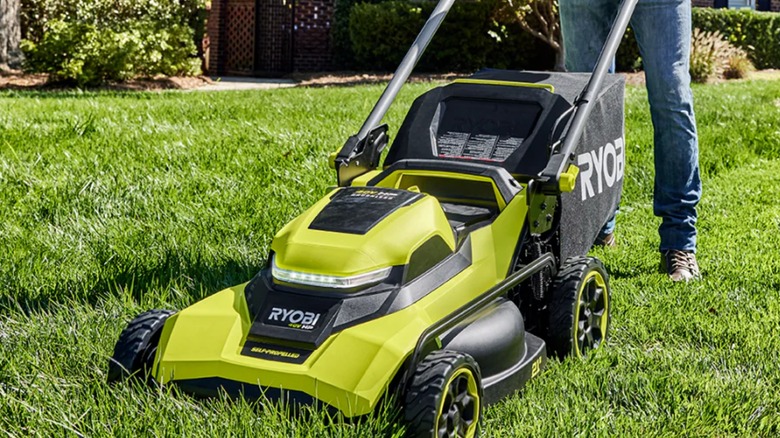
Understanding Ryobi Lawnmower Troubleshooting Basics
Ryobi Lawnmower Troubleshooting begins with knowing the model and power type. Ryobi makes battery, corded electric, and some gas mowers. Each type shares basic parts: power source, motor/engine, blade, deck, wheels, and safety switches. Learn these parts to find problems fast and with less guesswork.

Common Problems and Their Causes
Many users search Ryobi Lawnmower Troubleshooting when the mower won’t start or cuts poorly. Below are common issues, likely causes, and quick checks.
- Mower won’t start
- Cause: dead battery, loose connector, or safety switch not engaged.
- Quick check: charge battery and test connections.
- Mower loses power mid-cut
- Cause: weak battery, clogged deck, or motor overload.
- Quick check: clear clippings and swap a charged battery.
- Uneven cut or scalping
- Cause: dull blade, bent blade, or wrong height setting.
- Quick check: inspect blade and set height evenly.
- Excess vibration or noise
- Cause: bent blade, foreign object in deck, or loose hardware.
- Quick check: remove spark plug (gas) or battery (electric) and inspect.
- Short battery runtime
- Cause: battery age, extreme heat, or improper storage.
- Quick check: run a battery test and compare run times.
- Mower emits smoke or smells
- Cause: oil leak, burnt wiring, or motor overheating.
- Quick check: stop use immediately and inspect for oil or electrical damage.
These checks cover most DIY fixes in Ryobi Lawnmower Troubleshooting. If a check points to a major part failure, prepare for replacement or service.
Step-by-Step Troubleshooting Checklist
Use this checklist to diagnose problems fast. Follow steps from simple to complex.
- Confirm model and power type. Write it down for parts reference.
- Safety first. Remove battery or disconnect spark plug before touching parts.
- Visual scan. Look for leaks, broken cables, dents, and debris.
- Power check. Test battery with a multimeter or swap with a known good battery.
- Safety switches. Test bail lever, blade brake, and deck safety switches.
- Blade and deck. Remove debris and inspect blade balance and sharpness.
- Electrical test. Check connectors, fuses, and controller LEDs.
- Run test. Reinstall power and test operation in a safe area.
- Log symptoms. Note noises, smoke, and exact behavior for pros or warranty claims.
This ordered approach makes Ryobi Lawnmower Troubleshooting faster and less stressful. Keep a notebook with findings for future reference.

Battery and Electrical Issues (Battery & Corded Models)
Battery problems are the top reason people search Ryobi Lawnmower Troubleshooting. Here are practical tests and fixes.
- Battery charge and health
- Test with a voltmeter. A healthy Ryobi battery shows rated voltage under no load.
- If voltage drops quickly, the battery is likely near end of life.
- Charger and contacts
* Clean contacts with a dry cloth. Dirty terminals reduce charging.- Test the charger by checking for indicator lights and stable output.
- Controller and safety interlocks
- Some models include an electronic controller that prevents startup when faults occur.
- Reset by removing and reinserting the battery after a minute.
- Motor and wiring
- Inspect wiring for burn marks or broken insulation.
- A humming motor with no rotation can point to controller or motor failure.
Personal tip: I once misdiagnosed a dead mower as a faulty motor. It was a worn battery that passed a quick visual test but failed under load. Always test with a load or swap with a good battery when possible.

Engine, Fuel, and Starting Problems (Gas Models)
If your Ryobi gas mower is hard to start or dies, follow these steps for Ryobi Lawnmower Troubleshooting specific to engines.
- Fuel and carburetor
- Old fuel causes gum in the carburetor. Drain stale fuel and add fresh gasoline.
- Use a carb cleaner if the engine sputters after fresh fuel.
- Spark plug and ignition
- Remove and inspect the spark plug. Replace if fouled or worn.
- Check spark with an inline tester on a safe, grounded engine.
- Air filter and compression
- A clogged air filter chokes the engine. Replace if dirty.
- Low compression can indicate worn rings or valve issues and needs pro help.
- Choke and primer
- Ensure choke works and primer bulb is not cracked.
- Incorrect choke position makes cold starts hard.
I once cleaned a carburetor bowl on a Ryobi mower and restored perfect idle. Small parts like jets and floats can clog fast when you store fuel in the mower over winter.

Blade, Deck, and Cutting Performance
A dull blade or clogged deck often causes poor cut quality and motor strain. These steps help fix cutting problems.
- Blade inspection
- Remove the blade and check for nicks and bends.
- Sharpen or replace if the edge is blunt or damaged.
- Deck cleaning
- Caked grass reduces airflow and causes uneven cutting.
- Scrape the deck clean and rinse with water after removing the blade.
- Cutting height and wheels
- Confirm height settings are even on all wheels.
- Replace worn wheels or tighten loose wheel mounts.
- Mulching and bagging issues
- Verify attachments are installed correctly.
- A missing deflector or disconnected chute changes airflow and performance.
A sharp blade cuts cleanly and reduces stress on the motor. I sharpen blades twice per season to keep cut quality high.

Parts, Warranty, and When to Call a Pro
Know when Ryobi Lawnmower Troubleshooting is DIY and when to seek help.
- Minor repairs you can do at home
- Battery replacement, blade sharpening, deck cleaning, and spark plug swaps.
- When to call a pro
- Motor failures, controller faults, transmission problems, or low engine compression.
- If you see electrical burning, smoke, or fuel leaks, stop and call a technician.
- Parts and warranty
- Check your manual for warranty terms and serial numbers before ordering parts.
- Use genuine replacement parts for safety and fit.
If in doubt, document the issue and call Ryobi support or a licensed small-engine shop. Safety and correct diagnostics matter more than saving a small repair fee.

People Also Ask: Quick Answers
How do I reset my Ryobi lawnmower?
Remove the battery or disconnect the spark plug for one minute, then reconnect to reset safety systems. Reinsert the battery and test basic functions.
Why does my Ryobi mower lose power while cutting?
Loss of power usually comes from a weak battery, clogged deck, or motor overload caused by tall, wet grass. Clear the deck and test with a fully charged battery.
How often should I sharpen the blade on a Ryobi mower?
Sharpen the blade at least twice per mowing season or more if you mow rough terrain. Dull blades tear grass and stress the mower.
Frequently Asked Questions of Ryobi Lawnmower Troubleshooting
How do I know if the battery is dead or the mower is faulty?
Check battery voltage with a meter and swap with a known good battery if available. If a fresh battery doesn’t solve it, focus on wiring, controller, or motor tests.
What should I do if the mower starts but then cuts out?
Stop and inspect for clogged deck, overheating, or weak battery. Clean the deck, test the battery, and let the mower cool before retrying.
Can I use any replacement battery for my Ryobi mower?
Use batteries specified by the manufacturer to ensure fit and safety. Generic batteries can fit but may lack proper protection circuits and void warranty.
Why does my lawnmower smoke or smell like burning plastic?
Turn it off immediately. Smoke or burning smells can mean oil on a hot surface, damaged wiring, or motor failure. Inspect visually and get professional service if needed.
How do I store my Ryobi mower for winter?
For battery models, remove and store batteries at cool room temperature with partial charge. For gas models, drain fuel or add stabilizer and clean the deck before storage.
Conclusion
Ryobi Lawnmower Troubleshooting is mostly about clear checks, safety, and steady steps. Start with simple tests: power, safety switches, and a clean deck. When problems go beyond basics, ask a pro and use genuine parts. Try the checklist above, keep notes, and you will fix most issues yourself. If this guide helped, subscribe for more practical mower tips or leave a comment with your specific problem — I’ll help troubleshoot it.

