

The smartphone world is full of exciting choices, but two names often rise above the rest for people who want the best: the Sony Xperia 1 Viii and the Samsung Galaxy S23 Ultra. Each phone represents the top technology from its brand, bringing unique strengths in camera, display, performance, and design. But which one fits your needs? This guide dives deep into both devices, comparing every important detail without confusing jargon. Whether you love photography, need a fast device for work, or care about battery life, you’ll find clear answers here. By the end, you’ll know exactly which flagship should be in your pocket.
Design And Build Quality
A phone’s look and feel matter. You use it every day, so comfort, style, and toughness count.

36% off Today’s Exclusive Deals
Limited-time Exclusive Deals. Check current discount on Amazon.
Check Price on Amazon As an Amazon Associate I earn from qualifying purchases.Sony Xperia 1 Viii
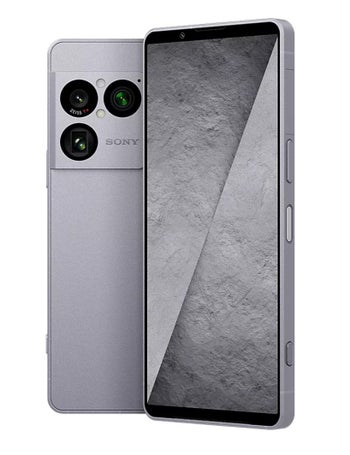
Sony continues its tradition of a tall, slim design. The Xperia 1 Viii feels like a premium device, with a matte glass back and flat metal frame. Its 21:9 aspect ratio makes it easy to hold, especially for people with smaller hands. This shape is great for watching movies, but can feel a bit long for some pockets.
Sony keeps physical controls simple, including a dedicated shutter button for the camera. This is a rare feature in modern smartphones and makes taking photos feel more like using a real camera. Color options are classic: black, silver, and a deep green.
The phone is rated IP68 for water and dust resistance. That means it can survive rain, splashes, and even a short dunk in water. The glass is Gorilla Glass Victus 2, which offers strong scratch and drop protection.
Samsung Galaxy S23 Ultra
The Galaxy S23 Ultra goes for a rounded, bold look. It’s heavier and wider than the Sony, with a curved back that sits nicely in the palm. The frame is armor aluminum, and the front and back use Gorilla Glass Victus 2, matching Sony for toughness.
Samsung’s signature is the S Pen, which slides into the bottom of the phone. This is perfect for note-takers, artists, or anyone who wants more control. The S23 Ultra comes in several colors, from classic black to green, lavender, and cream.
It also boasts IP68 water and dust resistance. Despite its size, the Ultra feels balanced. However, people with smaller hands might find one-handed use tricky.
Key Differences
- Shape: Xperia is tall and slim; S23 Ultra is wider and heavier.
- Extras: Sony offers a shutter button; Samsung includes the S Pen.
- Grip: Xperia’s matte finish feels less slippery, while Samsung’s curves fit snugly in hand.
- Colors: Samsung offers more variety.
Display Quality
The screen is where you see, touch, and interact with everything. Both phones use top technology, but their approach is different.
Sony Xperia 1 Viii
Sony’s display is a 6.5-inch 4K OLED. That’s 3840 x 1644 pixels—much sharper than most phones. The 21:9 shape makes it excellent for movies, as you see less black bar on the top and bottom. Sony’s Bravia HDR technology brings rich colors and deep contrast.
Refresh rate is 120Hz, meaning animations and scrolling look smooth. The screen supports 1 billion colors, covering the full DCI-P3 color space—a standard for filmmakers.
Sony keeps the display flat with almost no bezel, giving a clean look. One hidden benefit: the flat screen is easier to use with screen protectors.
Samsung Galaxy S23 Ultra
Samsung’s screen is a 6.8-inch QHD+ Dynamic AMOLED 2X. Its resolution is 3088 x 1440—less than Sony’s on paper, but still extremely sharp. The curved edges make the display feel even larger.
Brightness is a highlight: the S23 Ultra reaches up to 1750 nits peak brightness, making it easy to see in sunlight. It also supports 120Hz refresh rate and HDR10+ for vivid colors.
Samsung adds an adaptive refresh rate that drops down to 1Hz when you’re not touching the screen, saving battery. The stylus works smoothly on this panel with almost no lag.
Display Comparison Table
| Feature | Sony Xperia 1 Viii | Samsung Galaxy S23 Ultra |
|---|---|---|
| Size | 6.5 inches (flat) | 6.8 inches (curved) |
| Resolution | 3840 x 1644 (4K) | 3088 x 1440 (QHD+) |
| Refresh Rate | 120Hz | 1–120Hz (adaptive) |
| Brightness (max) | 1200 nits | 1750 nits |
| Color | 1 billion, DCI-P3 | 1 billion, HDR10+ |
Not-so-obvious Insights
- 4K resolution on a phone is rare. Sony’s display is technically sharper, but most users won’t notice much difference unless watching 4K movies up close.
- The S23 Ultra’s adaptive refresh rate is a quiet battery saver, especially if you read or browse a lot.
Performance And Hardware
How fast is each phone? Can they handle gaming, video editing, or lots of apps at once? Here’s what you need to know.
Sony Xperia 1 Viii
Sony powers the Xperia 1 Viii with the Qualcomm Snapdragon 8 Gen 2 processor. This is one of the fastest chips available in 2023, offering smooth operation for any app or game. It comes with 12GB RAM and either 256GB or 512GB of storage. If you need more space, you can add a microSD card—a feature Samsung no longer offers.
Sony includes a 3.5mm headphone jack. This is a big deal if you use wired headphones or professional audio gear. It also supports LDAC and aptX HD for high-quality wireless audio.
Samsung Galaxy S23 Ultra
The S23 Ultra uses a custom version of the Snapdragon 8 Gen 2, called “for Galaxy”. This means it’s tuned for slightly better performance and efficiency. RAM goes up to 12GB, and storage options are 256GB, 512GB, or a massive 1TB. However, there’s no microSD slot.
Samsung drops the headphone jack, but its wireless audio is excellent. The phone includes UWB (Ultra Wideband), which helps with fast file sharing and using digital car keys.
Performance Comparison Table
| Feature | Sony Xperia 1 Viii | Samsung Galaxy S23 Ultra |
|---|---|---|
| Processor | Snapdragon 8 Gen 2 | Snapdragon 8 Gen 2 (for Galaxy) |
| RAM | 12GB | 8GB/12GB |
| Storage | 256GB/512GB (+microSD) | 256GB/512GB/1TB |
| Headphone Jack | Yes | No |
| Expandable Storage | Yes | No |
Two Key Insights
- If you need expandable storage or love wired audio, Sony is your best bet.
- For those who want maximum internal storage and faster wireless features, Samsung leads.
Camera Systems
Cameras are often the biggest reason people upgrade. Both phones aim high, but their methods are different.
Sony Xperia 1 Viii
Sony’s camera system is designed for photography enthusiasts. There are three main lenses:
- Wide (24mm, 48MP, OIS)
- Telephoto (85–170mm variable, 12MP, OIS)
- Ultra-wide (16mm, 12MP, OIS)
Sony uses real optical zoom (not just digital cropping) from 85mm to 170mm. This is unique—most phones only have fixed telephoto lenses. The main sensor is large, offering great low-light performance and fast autofocus.
Sony’s camera app feels like a pro camera, with manual controls for ISO, shutter speed, and focus. There’s also a simple mode for point-and-shoot photos.
Video is a strength: you can shoot 4K at 120fps on all cameras, with strong color and detail. Audio recording is also professional-level, with wind filter and external mic support.
Samsung Galaxy S23 Ultra
Samsung’s camera system is built for versatility and ease. It has four rear cameras:
- Wide (200MP, OIS)
- Periscope Telephoto (10x, 10MP, OIS)
- Telephoto (3x, 10MP, OIS)
- Ultra-wide (12MP, OIS)
The main sensor is a huge 200MP—the highest in any mainstream phone. This allows for very detailed photos, especially in daylight. The S23 Ultra excels at zoom: it can reach up to 100x digital zoom, though best results are up to 30x.
Samsung’s camera app is simpler, using AI to enhance photos automatically. Night mode is excellent, and the phone can shoot 8K video at 30fps.
Camera Comparison Table
| Feature | Sony Xperia 1 Viii | Samsung Galaxy S23 Ultra |
|---|---|---|
| Main Sensor | 48MP, 1/1.3″, OIS | 200MP, 1/1.3″, OIS |
| Telephoto | 85–170mm, 12MP, OIS | 10x periscope, 10MP, OIS; 3x, 10MP, OIS |
| Ultra-wide | 12MP, OIS | 12MP, OIS |
| Video (max) | 4K 120fps | 8K 30fps |
| Pro Controls | Full manual, RAW | Limited manual, RAW |
Unique Camera Benefits
- Sony gives you a real camera experience—great for people who want to control every setting.
- Samsung is for those who want quick, bright, and detailed photos with no fuss.
Common Camera Mistake
Many people judge camera quality only by megapixels. But sensor size, lens quality, and software matter more for real-world photos. Try both in-store if you can, and check sample images online.

Software Experience
The way a phone feels every day is shaped by its software. Let’s see how these two compare.
Sony Xperia 1 Viii
Sony uses a very clean version of Android (close to stock), with a few unique apps for camera, audio, and gaming. You won’t find much bloatware. Updates are promised for two years of Android versions and three years of security fixes.
Sony’s side sense lets you open favorite apps quickly with a swipe. The phone also supports multi-window for running two apps at once, useful on the tall screen.
Gaming features include Game Enhancer, which blocks notifications and lets you adjust performance or stream directly.
Samsung Galaxy S23 Ultra
The S23 Ultra runs One UI 5.1 on top of Android. Samsung’s software is full of features, from themes to split-screen multitasking. The S Pen has deep integration—handwriting, screen notes, and air gestures.
Samsung promises four years of Android updates and five years of security patches, much longer than Sony. There’s also DeX mode, which turns your phone into a desktop computer when connected to a monitor.
Samsung includes more pre-installed apps, but most can be removed. The software is smooth, but some may find it more complex than Sony’s version.
Key Insights
- Sony offers a simple, fast Android with less clutter.
- Samsung gives more features and longer support, but the learning curve is higher.
Battery Life And Charging
A powerful phone needs a battery that lasts. Here’s how both models perform.
Sony Xperia 1 Viii
Sony uses a 5000mAh battery. That’s standard for a flagship, and the efficient software helps the phone last a full day with normal use. If you watch lots of 4K videos or play games, expect to charge by bedtime.
Charging is wired at 30W—not the fastest, but safe and reliable. Wireless charging is supported at 15W, and you can use reverse wireless charging for earbuds or other phones.
Sony’s STAMINA mode helps stretch battery life by limiting background activity. You can also limit charging to 80% for longer battery health.
Samsung Galaxy S23 Ultra
Samsung also uses a 5000mAh battery, but the adaptive refresh rate and efficient chip help it last even longer. Heavy users can often make it through a full day and night.
Charging is faster: 45W wired (charger not included) and 15W wireless. Reverse charging is also available.
Samsung’s software includes power saving modes and deep control over battery use. The display’s ability to drop to 1Hz saves energy during reading or always-on display.
Practical Examples
- Sony: Streaming a 4K movie for two hours uses about 20% battery.
- Samsung: Playing games at max brightness drains about 18% per hour, but regular use is more efficient than Sony.
Battery Tips
- Use dark mode—both phones have OLED screens, so black backgrounds save energy.
- Carry a USB-C PD charger for fast top-ups when needed.

Audio And Multimedia
How do these phones sound, and what makes watching movies or playing games special?
Sony Xperia 1 Viii
Sony is famous for audio quality. The Xperia 1 Viii has front-facing stereo speakers with real separation, making movies and games immersive. The sound is tuned for clarity and balance, and supports Dolby Atmos.
The 3.5mm headphone jack means you can use high-end wired headphones with no adapter. Sony’s DSEE Ultimate upscales compressed music, making even streaming audio sound better.
Samsung Galaxy S23 Ultra
Samsung uses stereo speakers tuned by AKG, with Dolby Atmos support. The speakers are loud and clear, but one is bottom-firing, so the stereo effect isn’t as strong as Sony’s.
No headphone jack, but Bluetooth audio quality is excellent. Samsung supports advanced codecs like aptX and LDAC.
Streaming And Gaming
Both phones handle Netflix, YouTube, and games smoothly. Sony’s 21:9 screen is ideal for movies, while Samsung’s larger display and S Pen are perfect for note-taking and art.
Connectivity And Special Features
Both phones are packed with connectivity options, but there are differences.
Sony Xperia 1 Viii
- 5G support for fast data
- Wi-Fi 6E for top wireless speeds
- NFC for payments
- MicroSD slot
- 3.5mm headphone jack
- Dual SIM support
Sony’s phone is great for travelers or people who need lots of local storage.
Samsung Galaxy S23 Ultra
- 5G support
- Wi-Fi 6E
- NFC
- UWB for smart car keys and fast sharing
- Dual SIM (some markets)
- S Pen with Bluetooth for remote control
Samsung leads in smart features, and the S Pen unlocks extra use cases.
Price And Value
Flagship phones are expensive, so what do you get for your money?
Sony Xperia 1 Viii
The Xperia 1 Viii usually launches around $1,199 for the base model. Prices can drop after a few months, and you get expandable storage, premium audio, and a pro camera system. Sony includes a charger in the box, which is rare now.
Samsung Galaxy S23 Ultra
The S23 Ultra starts at $1,199 for 256GB. The 512GB and 1TB models cost more. You pay for the extra cameras, S Pen, and longer software updates. No charger is included, so budget for a fast charger if you don’t have one.
Value Insights
- If you keep your phone for four or five years, Samsung’s longer support gives more peace of mind.
- For creative pros (photographers, audiophiles), Sony’s hardware is hard to beat.
Which One Should You Choose?
Choosing between the Sony Xperia 1 Viii and Samsung Galaxy S23 Ultra depends on your needs. Here’s a summary for different users:
- Photography Lovers: Sony is the choice for manual controls and real zoom. Samsung is easier for quick, bright photos and extreme zoom.
- Movie Fans: Sony’s 4K, 21:9 screen is unmatched for films. Samsung’s bigger, brighter display is better outdoors.
- Power Users: Samsung’s S Pen and DeX mode offer more productivity tools.
- Audio Enthusiasts: Sony wins with its headphone jack and front speakers.
- Gamers: Both phones are fast, but Sony’s Game Enhancer and flat screen appeal to eSports fans.
- Long-Term Owners: Samsung has longer updates and more smart features.
Frequently Asked Questions
Does The Sony Xperia 1 Viii Support Wireless Charging?
Yes, the Xperia 1 Viii supports 15W wireless charging and can also reverse charge other devices wirelessly. This is handy for charging earbuds or a friend’s phone.
Can I Use A Microsd Card With The Samsung Galaxy S23 Ultra?
No, the S23 Ultra does not support microSD cards. You must choose your storage size when buying. If you need more space later, use cloud storage or external drives.
Which Phone Is Better For Video Recording?
Both are excellent, but for professional video, the Xperia 1 Viii offers full manual controls and 4K 120fps on all lenses. The S23 Ultra can record 8K video, but with fewer manual options. For creative filmmakers, Sony is a better fit.
Is The S Pen Really Useful On The S23 Ultra?
Yes, the S Pen is more than a stylus. You can write notes, draw, annotate screenshots, and even control the camera remotely. It’s especially helpful for students, artists, and people who like to jot down ideas.
Which Phone Will Get Updates For Longer?
Samsung promises four years of Android updates and five years of security patches for the S23 Ultra. Sony offers two years of Android updates and three years of security, so Samsung is the better choice for long-term support.
For more in-depth specs, you can also check the official Samsung Galaxy S23 Ultra page.
When picking between the Sony Xperia 1 Viii and Samsung Galaxy S23 Ultra, think about what matters most—camera, display, productivity, or audio. Both are among the best Android phones you can buy, and each brings something special to the table.
Take a closer look, compare your priorities, and you’ll find the perfect match for your next smartphone.

