Camping is one of the best ways to relax and connect with nature. But imagine arriving at your campsite only to realize you forgot something important.
That feeling can quickly turn your adventure into a stressful experience. To make sure your trip is smooth and enjoyable, you need to remember a few key things before you go. You’ll discover the essential items and tips that will help you stay comfortable, safe, and ready for anything.
Keep reading to make your next camping trip truly unforgettable—for all the right reasons.
Shelter Essentials
Shelter is the heart of any camping trip. It protects you from rain, wind, and cold. Choosing the right shelter helps you stay comfortable and safe. Packing the right shelter gear makes your trip more enjoyable. Here are the key shelter essentials you should not forget.
Choosing The Right Tent
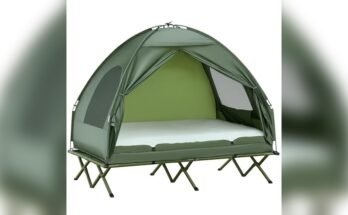
Pick a tent that fits your group size. Check weather ratings for rain and wind resistance. Lightweight tents work well for backpacking. Larger tents offer more space for family trips. Easy setup tents save time and effort. Always carry extra stakes and guy lines.
Sleeping Bags And Pads
Sleeping bags keep you warm and cozy at night. Choose bags rated for the coldest temperature you expect. Synthetic bags dry faster if they get wet. Sleeping pads add comfort and insulation from the ground. Inflatable pads are light and compact. Foam pads are durable and simple.
Tarps And Ground Covers
Tarps protect your tent from rain and debris. Use tarps under your tent to prevent moisture. A larger tarp can create a dry sitting area. Ground covers add extra protection for your sleeping area. They stop dirt and rocks from damaging your gear. Pack ropes and clips for tarp setup.
Cooking Gear
Cooking gear is a key part of camping. It helps you prepare meals easily and enjoy food outdoors. Without the right tools, cooking can become difficult and stressful. Packing the right cooking gear makes your camping trip smoother and more fun.
Portable Stoves And Fuel
Portable stoves are small and easy to carry. They let you cook meals anywhere. Choose a stove that fits your cooking style and group size. Bring enough fuel for your trip. Fuel types include propane, butane, and white gas. Store fuel safely to avoid accidents.
Cookware And Utensils
Cookware should be lightweight and durable. Pots and pans made of aluminum or stainless steel work well. A frying pan and a pot cover many cooking needs. Bring utensils like spatulas, spoons, and knives. Don’t forget a cutting board and a can opener.
Food Storage Solutions
Keeping food fresh is important. Use airtight containers or resealable bags. Coolers help keep perishable items cold. Store food away from animals and insects. Organize food to avoid spills and waste. Clean containers after use to prevent odors.
Clothing And Footwear
Choosing the right clothing and footwear is key for a safe and fun camping trip. The weather and terrain can change quickly. Being ready keeps you comfortable and protects you from the elements. Packing smart clothes and shoes helps you enjoy every moment outdoors without worries.
Weather-appropriate Clothing
Wear layers that you can add or remove easily. Cotton is not the best choice because it stays wet. Opt for wool or synthetic fabrics that dry fast. Bring a warm jacket for cold nights. During summer, light and breathable clothes work best. Always have a hat and gloves for sudden cold weather.
Sturdy Hiking Boots
Good boots protect your feet from rough paths and sharp rocks. Choose boots that fit well and offer ankle support. Break them in before your trip to avoid blisters. Waterproof boots help keep your feet dry. Hiking boots with good grip reduce slipping on wet or uneven ground.
Rain Gear And Extras
Rain can come unexpectedly during camping. Pack a waterproof jacket and pants. Carry extra socks and a change of clothes. Waterproof bags protect your gear from getting wet. A poncho is light and easy to carry for quick cover. These items keep you dry and comfortable in wet weather.
Safety And Navigation
Camping is fun but can be risky without safety and navigation tools. You must prepare to stay safe and find your way. Knowing what to carry helps you avoid trouble and handle emergencies.
First Aid Kit Basics
A first aid kit is a must-have for every camping trip. It should include bandages, antiseptic wipes, and pain relievers. Add tweezers, scissors, and allergy medicine. Check the kit before you leave. Replace used or expired items. Knowing basic first aid skills is helpful too.
Maps And Compass
Technology can fail. Carry a paper map and a compass. Learn how to read them. A map shows trails, water sources, and landmarks. A compass helps you find directions. These tools keep you on track. They prevent getting lost in the wild.
Emergency Communication Devices
Mobile phones may not work in remote areas. Carry a whistle or signal mirror for nearby help. Consider a satellite phone or a personal locator beacon. These devices send distress signals. They increase your chances of rescue. Always test devices before your trip.
Lighting And Power
Lighting and power are essential for a safe and fun camping trip. Night falls quickly in the wilderness. Proper lighting helps you move around safely and find your way in the dark. Power keeps your devices charged and ready for use. Planning your lighting and power needs is important for comfort and security.
Headlamps And Flashlights
Headlamps free your hands for tasks at night. They are perfect for setting up tents or cooking after dark. Flashlights offer a strong beam to light your path. Choose bright and lightweight models. Waterproof options work well in wet weather.
Extra Batteries
Carry extra batteries for all your lights. Batteries can run out quickly in cold weather. Keep spares in a dry, easy-to-reach place. Check battery types before you pack. It avoids last-minute problems and wasted trips.
Portable Chargers
Portable chargers keep phones and gadgets powered. Solar chargers are good for long trips without electricity. Power banks store energy to use anytime. Pick chargers with enough capacity for your devices. Charge them fully before your trip starts.
Personal Care Items
Camping means being close to nature. Personal care items help keep you fresh and healthy. They protect your skin and body from harm. Never forget these essentials to enjoy your trip.
Toiletries And Hygiene
Bring basic toiletries like soap, toothbrush, and toothpaste. Pack a small towel and wet wipes for quick cleaning. Carry hand sanitizer to keep germs away. Cleanliness prevents sickness and keeps you comfortable.
Insect Repellent
Insects can spoil your camping fun. Use insect repellent to keep bugs off your skin. Choose one safe for your skin and strong enough for the outdoors. Apply it often, especially near water or in the evening.
Sunscreen
Sunburn can ruin your day in nature. Use sunscreen with good SPF to protect your skin. Apply it before going outside and reapply after swimming or sweating. Cover all exposed skin to avoid painful burns.
Miscellaneous Must-haves
Camping needs more than just a tent and food. You need small tools and items to keep your trip smooth and safe. These items may seem small but they make a big difference in comfort and safety. Carrying the right gear helps you face surprises without stress.
Multi-tools And Knives
A good multi-tool or knife is a camping essential. It helps with cutting ropes, preparing food, and small repairs. Choose a sturdy tool with several functions. It saves space and weight in your backpack. Always keep it sharp and clean to avoid accidents.
Fire Starters
Fire is important for warmth, cooking, and light. Carry reliable fire starters like waterproof matches or a lighter. Firestarter sticks or cotton balls with wax work well too. Practice starting a fire before your trip. Keep fire starters dry and easy to reach.
Trash Bags And Cleaning Supplies
Protect nature by packing trash bags. Collect all your waste and take it home. Use cleaning wipes or biodegradable soap to clean dishes. Keep your camping area clean for everyone’s safety. Leaving no trace helps preserve the outdoors for future trips.
Frequently Asked Questions
What Essential Items Should I Never Forget When Camping?
Always pack a reliable tent, sleeping bag, and weather-appropriate clothing. Don’t forget a first-aid kit, flashlight, and enough food and water. These basics ensure safety, comfort, and preparedness for any situation during your camping trip.
How Can I Keep My Food Safe While Camping?
Store food in airtight containers or coolers to prevent spoilage and animal attraction. Use sealed bags and keep perishable items chilled. Always clean up food scraps and dispose of waste properly to maintain hygiene and safety.
What Are The Must-have Safety Items For Camping?
Bring a first-aid kit, flashlight with extra batteries, multi-tool, and a whistle. Also carry insect repellent and sunscreen. These items help handle emergencies and protect you from environmental hazards while outdoors.
How Do I Prepare For Unpredictable Weather Camping?
Check the forecast before leaving and pack layers of clothing. Include waterproof jackets, sturdy boots, and extra blankets. Preparing for weather changes keeps you comfortable and safe regardless of conditions.
Conclusion
Camping trips bring fun and fresh air. Don’t forget to pack essential items for safety and comfort. Always check your gear before leaving home. Plan for weather changes and unexpected situations. Respect nature and keep your site clean. These small steps make your trip better and stress-free.
Enjoy the outdoors, relax, and create good memories. Camping is simple when you prepare well and think ahead. Stay safe, have fun, and appreciate the beauty around you.