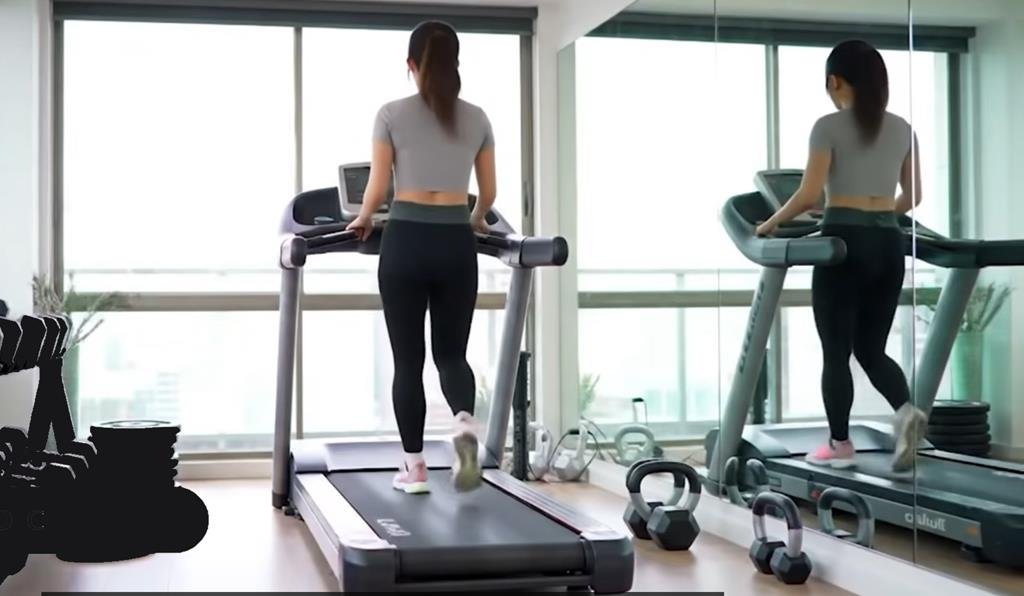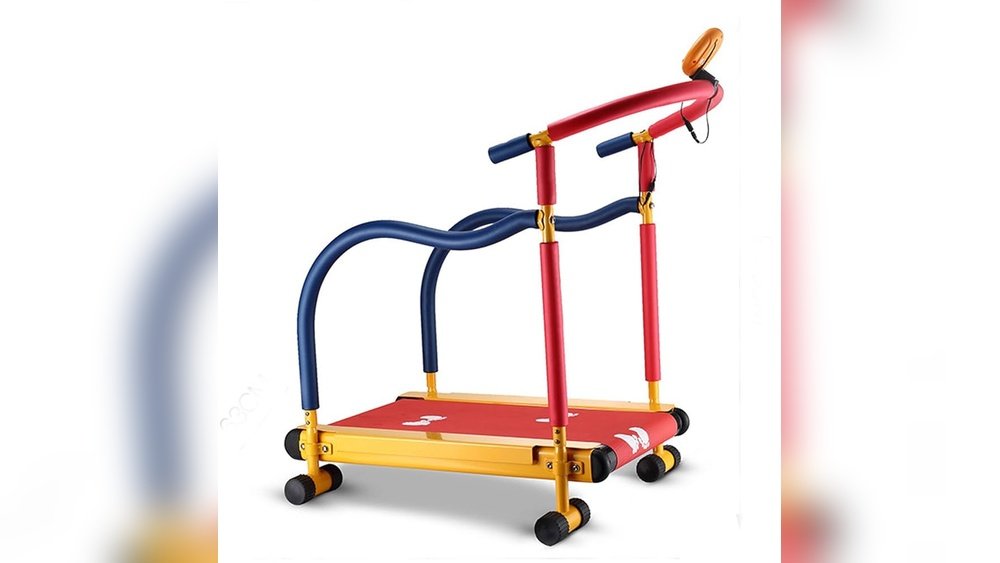
Are you thinking about getting a walking pad for your kids but worry if it’s really safe? You’re not alone.
As a parent, your child’s safety is your top priority, and the idea of them using a new exercise device can bring up many questions. How do you know if it’s the right choice? Can your little one use it without risk?
You’ll discover everything you need to know about walking pads for kids—the benefits, potential dangers, and expert tips to keep your child safe while they stay active. Keep reading, because your child’s health and safety deserve the best.
Benefits Of Walking Pads For Kids
Walking pads offer many benefits for kids. They provide a fun way to stay active indoors. These devices help children move more, even when outside play is limited. Parents can feel confident knowing their kids get exercise safely at home.
Promoting Physical Activity
Walking pads encourage kids to move and exercise daily. Regular movement improves heart health and builds strong muscles. Kids can use walking pads during play or study breaks. This helps reduce screen time and keeps them active.
Enhancing Motor Skills
Using a walking pad helps improve balance and coordination. Kids learn to control their steps and pace. These skills support overall motor development and physical confidence. Practicing on a walking pad can make outdoor activities easier.
Encouraging Healthy Habits
Walking pads teach children the value of daily exercise. They create a routine that supports long-term health. Kids enjoy moving more, making exercise a positive habit. Early healthy habits can lead to better wellness in adulthood.

Potential Risks To Consider
Using a walking pad for kids may seem convenient, but there are risks to keep in mind. Understanding these risks helps parents decide if it is safe for their child. Safety starts with knowing what could go wrong.
Injury Hazards
Kids can easily lose balance on a walking pad. Falling off can cause cuts, bruises, or even broken bones. Small fingers can get caught in moving parts. Moving belts may cause friction burns. The risk rises if the child runs or jumps on the pad.
Supervision Challenges
Children need constant watching while using a walking pad. Kids may try to use it without help. Distractions can lead to accidents. Parents might not always see when a child is in trouble. Lack of supervision increases the chance of injury.
Equipment Quality Concerns
Not all walking pads are made for kids. Cheap models might break easily. Faulty motors or loose parts can cause harm. Poor design may not support a child’s weight well. Always check for safety certifications before buying.
Safety Features To Look For
Choosing a walking pad for kids requires careful thought about safety. Kids need a device that protects them from falls and injuries. Safety features reduce risks and help parents feel calm. Focus on key elements that make a walking pad safe for children.
Speed Controls
Speed controls help limit how fast the walking pad moves. Kids can start slow and increase speed as they get comfortable. Adjustable settings prevent accidents from sudden fast movements. Easy-to-use controls let parents manage speed without hassle.
Non-slip Surfaces
Non-slip surfaces keep kids’ feet steady while walking. They stop slipping and sliding during use. Look for textured or rubberized mats that improve grip. Good traction lowers the chance of falls and injuries.
Sturdy Construction
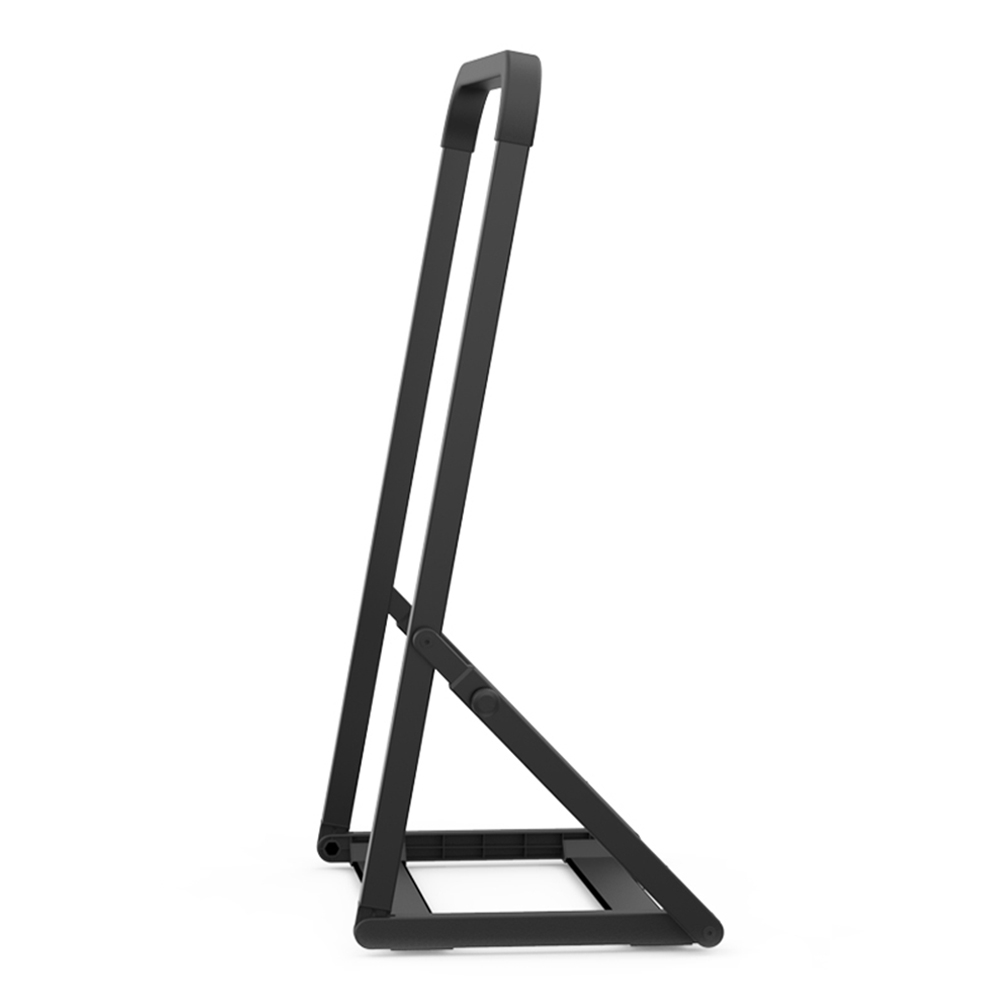
A sturdy walking pad supports kids safely without wobbling. Solid frames and quality materials prevent tipping or breaking. Sturdy designs stand up to active play and last longer. Strong construction ensures steady balance for young walkers.
Expert Tips For Safe Usage
Using a walking pad for kids can be fun and healthy. Safety is very important. Experts suggest simple tips to keep children safe during use. These tips help parents prevent accidents and make the experience enjoyable.
Proper Supervision Guidelines
Always watch your child while they use the walking pad. Stay close to help if needed. Do not leave kids alone on the device. Teach them how to start and stop safely. Supervision reduces risks and builds good habits.
Setting Time Limits
Limit the walking pad use to short sessions. Start with 5 to 10 minutes per time. Long use may tire children or cause strain. Breaks help maintain focus and energy. Adjust time based on your child’s age and stamina.
Wearing Appropriate Footwear
Make sure your child wears shoes with good grip. Avoid socks or slippery shoes on the pad. Proper footwear helps prevent slips and falls. Choose lightweight, closed-toe shoes for the best protection. Check shoes regularly for wear and tear.
Age And Size Recommendations
Choosing the right walking pad for kids depends a lot on age and size. Using a walking pad that fits your child’s age and body size keeps them safe and comfortable. This section explains which age groups are suitable, weight and height limits, and the importance of adjustable settings.
Suitable Age Groups
Most walking pads recommend use for children aged 6 and above. Younger kids might find it hard to keep balance. Older children enjoy better control and safety on the pad. Always check the product’s age guidelines before buying.
Weight And Height Limits
Walking pads have weight limits to ensure safety. Usually, they support kids up to 100 pounds. Exceeding the weight limit can cause damage or accidents. Height matters too. The walking pad should match your child’s height for proper posture and comfort.
Adjustable Settings
Many walking pads offer adjustable speed and incline. These settings help fit the device to your child’s ability. Start slow and increase speed as they get comfortable. Adjustable features make the walking pad safer and more fun for kids.
Maintenance And Care
Proper maintenance and care keep a walking pad safe and working well. It helps avoid accidents and extends the pad’s life. Simple steps can protect your child and the equipment.
Regular Inspections
Check the walking pad before every use. Look for loose parts or cracks. Make sure the belt runs smoothly without slipping. Tighten screws and bolts if needed. Fix any damage immediately to prevent injury.
Cleaning Tips
Clean the walking pad regularly to stop dirt buildup. Use a soft cloth with mild soap and water. Avoid harsh chemicals that can damage the surface. Wipe off sweat and dust after each use. Keep the belt dry to prevent slipping.
Storage Advice
Store the walking pad in a dry, cool place. Avoid direct sunlight to protect the materials. Fold it carefully if it is foldable. Keep it away from sharp objects. Proper storage helps the pad last longer and stay safe.
Alternatives To Walking Pads
Walking pads are one way to keep kids active, but they are not the only option. Many parents want safe and fun alternatives to help children move more. Exploring different activities can encourage healthy habits and keep kids interested.
Outdoor Walking Options
Fresh air and open space make outdoor walks enjoyable. Parks, trails, and playgrounds offer natural places for kids to walk or run. Walking with friends or family adds a social touch. Nature walks also teach kids about plants and animals.
Other Indoor Exercise Tools
Indoor tools like mini trampolines and balance boards keep kids active inside. These tools improve balance and coordination. Small exercise bikes and step platforms are also good choices. They fit well in limited spaces and provide variety.
Active Play Ideas
Active play combines fun with movement. Dancing, jumping rope, and playing tag get kids moving fast. Simple obstacle courses can be set up in the home or yard. These activities build strength and improve motor skills.
Frequently Asked Questions
Is A Walking Pad Safe For Children To Use?
Yes, walking pads can be safe for kids if supervised properly. Ensure the device has safety features like speed control and non-slip surfaces to prevent accidents.
What Age Is Appropriate For Kids To Use Walking Pads?
Walking pads are generally safe for children aged 6 and above. Younger kids should avoid using them due to balance and coordination development.
How To Supervise Kids While Using A Walking Pad?
Always stay close and monitor your child during use. Set speed limits and teach them to stop immediately if they feel unsafe or tired.
Can Walking Pads Improve Children’s Physical Health?
Yes, walking pads help kids stay active indoors. They promote cardiovascular health, muscle strength, and improve overall fitness in a fun way.
Conclusion
Walking pads can be safe for kids with proper use and care. Parents must watch their children closely during use. Choosing the right size and speed is very important. Clear rules about use help prevent accidents. Regular breaks keep kids from getting too tired.
Safety features like emergency stops add protection. Using walking pads can help children stay active indoors. Always prioritize safety to make walking pads a good choice. Careful supervision makes all the difference in safety.