

Positions in football describe each player's role on the field, defining duties in attack, defense, and transition.
I’ve spent years coaching youth teams and studying both soccer and American football. In this article I’ll explain the main positions in football, why they matter, and how formations shape roles. Whether you mean association football (soccer) or American football, I’ll break down each position, list core skills, share practical tips, and give real-world examples from my coaching and playing experience so you can pick a role that fits your strengths and goals.

36% off Today’s Exclusive Deals
Limited-time Exclusive Deals. Check current discount on Amazon.
Check Price on Amazon As an Amazon Associate I earn from qualifying purchases.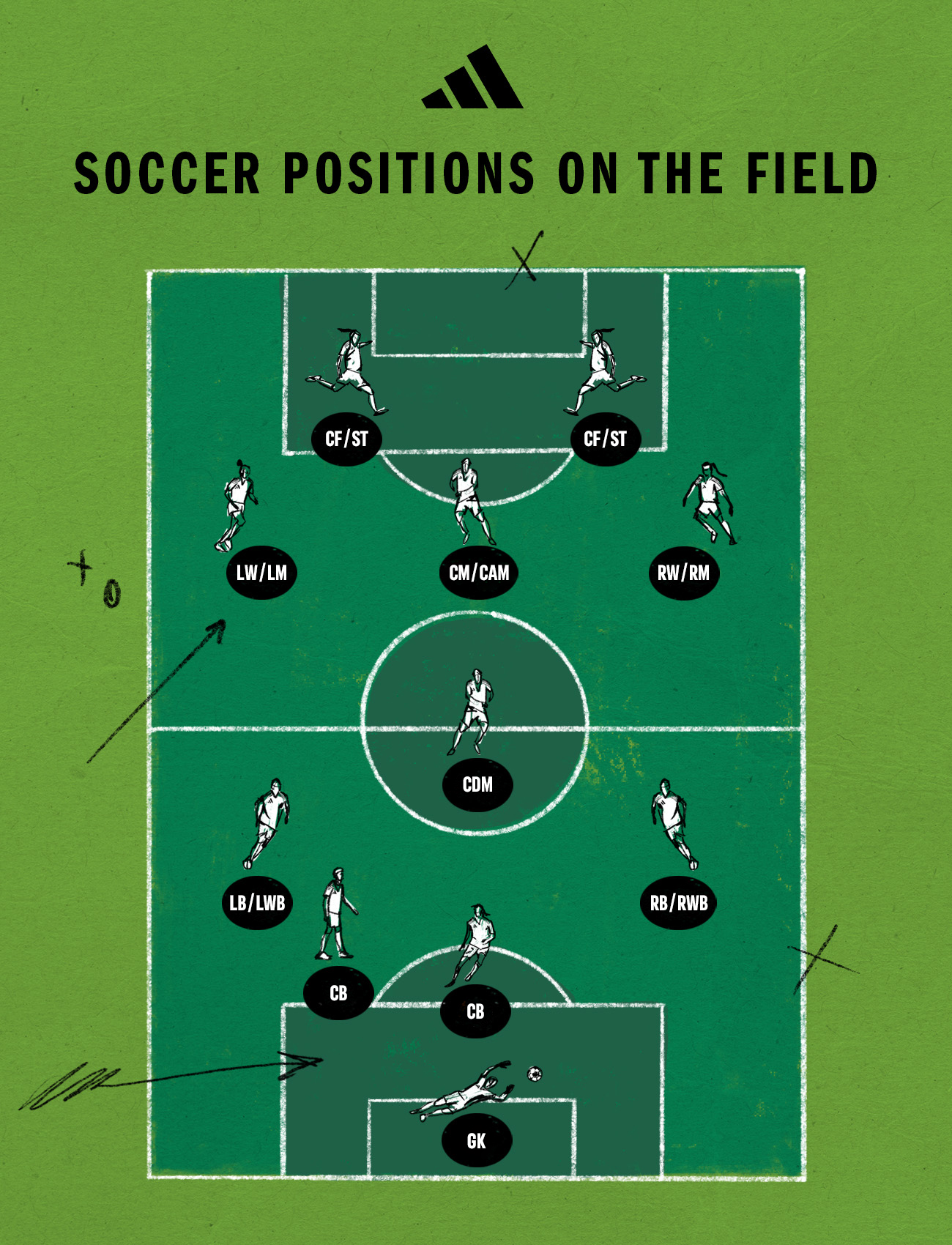
Why positions in football matter
Positions in football create order on the field. They let teams balance attack and defense. Good position choices match a player’s skills to a team need. As a coach, I learned that clear roles cut confusion and build trust. When players know their position, they move together and react faster.
Overview: Positions in soccer (association football)
Soccer has 11 players per team. Each player usually falls into one of four groups: goalkeeper, defenders, midfielders, and forwards. Formations tell how many players sit in each group and change what each position must do.
Goalkeeper
The goalkeeper is the last line of defense. Main duties:
- Prevent goals using saves, catches, and punches.
- Organize the backline and communicate.
- Start attacks with throws or kicks.
Goalkeepers need good reflexes, command of the box, and calm under pressure.
Defenders
Defenders protect the goal and help start plays. Common defender types:
- Center-back: Holds the center, wins aerial duels, and clears danger.
- Full-back: Covers flanks, defends wingers, and overlaps in attack.
- Wing-back: A more attacking full-back used in systems that need width.
Defenders must read the game, time tackles, and pass well from the back.
Midfielders
Midfielders link defense and attack. Types include:
- Defensive midfielder: Shields defense, breaks up play, and distributes simple passes.
- Central midfielder: Controls tempo, recycles possession, and supports both ends.
- Attacking midfielder: Creates chances, dribbles, and scores from late runs.
- Wide midfielder: Provides width, crosses, and support to full-backs.
Good midfielders read space, pass accurately, and keep energy for long shifts.
Forwards
Forwards score and stretch the opposition. Common forward roles:
- Striker: Finishes chances, holds up the ball, and presses defenders.
- Winger: Attacks on the flanks, beats defenders, and supplies crosses.
- False nine: Drops deep to link play and create space for runners.
Forwards need timing, composure, and the ability to exploit small windows on goal.
How formations affect roles in soccer
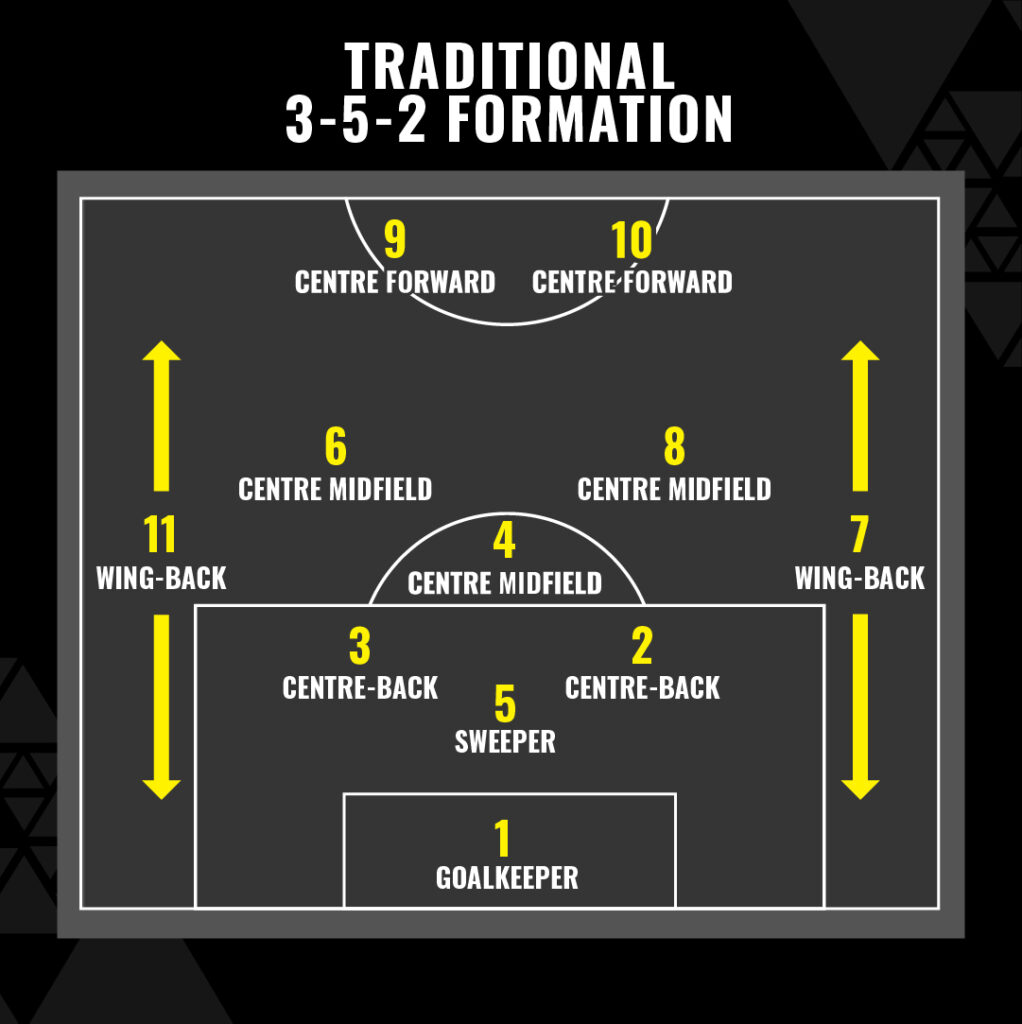
Formations like 4-3-3 or 3-5-2 change how many players occupy each role. A 4-3-3 makes wide forwards important and asks full-backs to overlap. A 3-5-2 relies on wing-backs for width and two forwards who combine. Knowing formations helps you pick the best position for your skill set.
Overview: Positions in American football
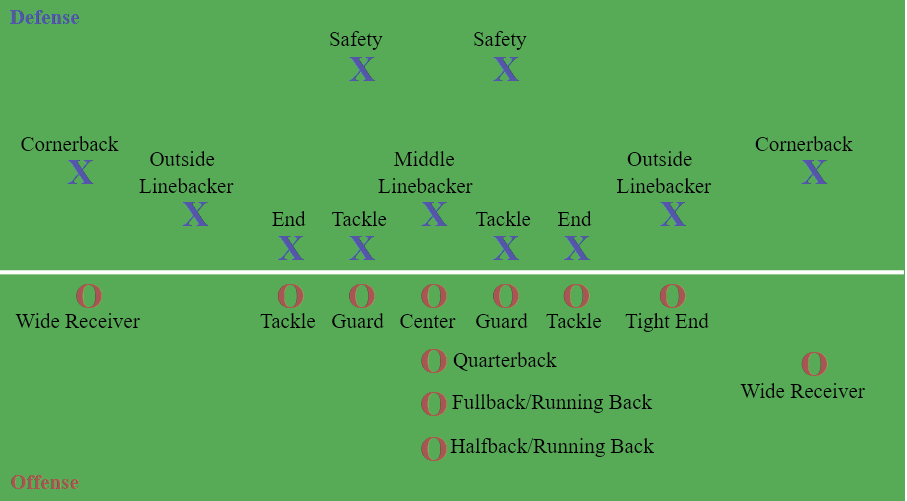
American football uses specialized positions on offense, defense, and special teams. Each unit has clear tasks and frequent substitutions. Below is a concise breakdown.
Offense
- Quarterback (QB): Leader of the offense. Calls plays, passes, and reads defenses.
- Running back (RB): Runs between the tackles, catches short passes, and blocks.
- Fullback (FB): Blocks and runs short-yardage plays.
- Wide receiver (WR): Runs routes and catches passes. Speed and hands matter most.
- Tight end (TE): Hybrid blocker-catcher. Works on the line and in short routes.
- Offensive line: Center, guards, tackles. They protect the QB and create run lanes.
The offense must coordinate timing, protection schemes, and route concepts.
Defense
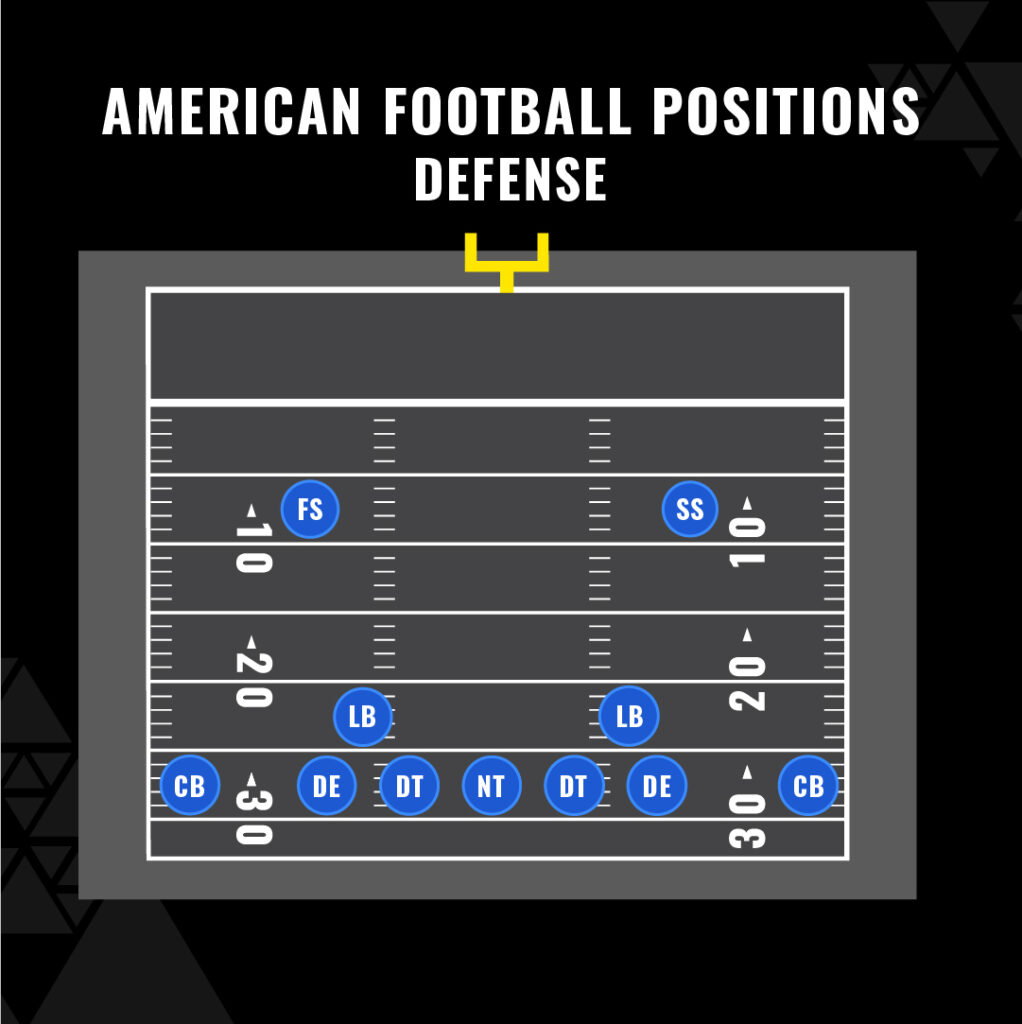
- Defensive line (DL): Tackles and pressures the quarterback. Includes ends and tackles.
- Linebackers (LB): Stop the run, cover short passes, and blitz.
- Cornerbacks (CB): Cover wide receivers and defend passes.
- Safeties (S): Deep coverage, support run defense, and read the whole play.
Defense aims to disrupt timing and force turnovers.
Special teams
- Kicker: Handles field goals and kickoffs.
- Punter: Handles punts to change field position.
- Returners: Field kicks and try to gain yards on returns.
- Specialists: Long snapper, holder and gunners on coverage teams.
Special teams can swing field position and momentum.

Skills and traits by position
Matching traits to roles speeds improvement. Below are common strengths needed for each group.
Soccer
- Goalkeeper: Reflexes, positioning, communication.
- Defender: Strength, anticipation, clear passing.
- Midfielder: Stamina, vision, ball control.
- Forward: Finishing, timing, off-ball movement.
American football
- Quarterback: Decision-making, accuracy, poise.
- Running back: Balance, vision, burst.
- Wide receiver: Hands, route running, speed.
- Offensive line: Footwork, leverage, teamwork.
- Linebacker: Instincts, tackling, coverage versatility.
I once coached a midfielder who tried striker and then settled as a box-to-box midfielder. The switch improved his game because it matched his stamina and passing, not just his desire to score.
How to choose a position in football
Pick a position that fits your body, mind, and preferences. Ask these steps:
- Test your natural skills: speed, strength, vision, or hands.
- Try different roles in practice and small-sided games.
- Talk with coaches about where the team needs help.
From my experience, youth players who rotate positions learn faster. I advised a teen who loved scoring to train as a winger first; that improved his crossing and made him a more complete forward later.
Practical drills to explore positions
- For goalkeepers: reaction saves and distribution drills.
- For defenders: 1v1 recovery and passing under pressure.
- For midfielders: rondos, short passing circuits, and positional awareness.
- For forwards: finishing with varied angles and timing runs.
- For American football positions: footwork ladders, route tree reps, and blocking/pursuit drills.

Quick questions players often ask
How long does it take to get good at a new position?
- With focused practice, basics appear in weeks, but mastering a new position can take months to years depending on complexity and play level.
Can I play multiple positions at once?
- Many players cover multiple roles in youth and amateur levels. Specialization often happens as skill requirements grow.
Common misconceptions and limitations about positions in football
Misconception: Position equals fixed box. Reality: modern football values flexibility. Players often rotate roles in a single game.
Limitation: Physical traits can limit certain positions. A very tall but slow player might struggle as a winger but excel as a center-back. Be honest about your fitness and skills.
Bias: Coaches sometimes pigeonhole players. Push for chances to try other positions. I once pushed a defender into midfield for a tournament and found he had the vision to excel centrally.
Frequently Asked Questions of What are the positions in football?
What are the basic positions in soccer?
Soccer’s basic positions are goalkeeper, defenders, midfielders, and forwards. Each group has subroles like center-back, defensive midfielder, and striker.
What are the main offensive positions in American football?
Main offensive roles include quarterback, running back, wide receiver, tight end, and the offensive line. Each has specific tasks like passing, running, catching, or blocking.
Are positions the same in all football formations?
No, formations change roles and responsibilities. A player’s position label may stay the same while duties shift based on the system.
How do I choose the right position for myself?
Assess your physical traits and skills, try multiple roles, and get coach feedback. Practice position-specific drills to find what fits best.
Can players switch positions at higher levels?
Yes, players can switch, but it becomes harder at elite levels due to specialized skills. Many successful pros started in different positions as youth players.
Does special teams count as a position in American football?
Special teams is a unit with distinct roles like kicker, punter, and returner. Players often have primary roles and also serve on special teams.
Conclusion
Positions in football organize play, define duties, and help teams perform. Whether you focus on soccer or American football, understanding positions lets you choose the right role, train with purpose, and improve faster. Start by trying roles in practice, get feedback, and drill position-specific skills. Share your progress, ask coaches for chances, and keep an open mind—flexibility is often your best asset. If this guide helped, try one new position in your next session, subscribe for more tips, or leave a comment with your biggest position challenge.

