

Tennis is played by scoring points to win games, games to win sets, and sets to win the match.
I have taught and played tennis for years, and I will walk you through the rules of tennis in plain language. This guide explains scoring, serving, court layout, faults, etiquette, and common match situations. Read on to get clear, practical rules you can use on the court today.

36% off Today’s Exclusive Deals
Limited-time Exclusive Deals. Check current discount on Amazon.
Check Price on Amazon As an Amazon Associate I earn from qualifying purchases.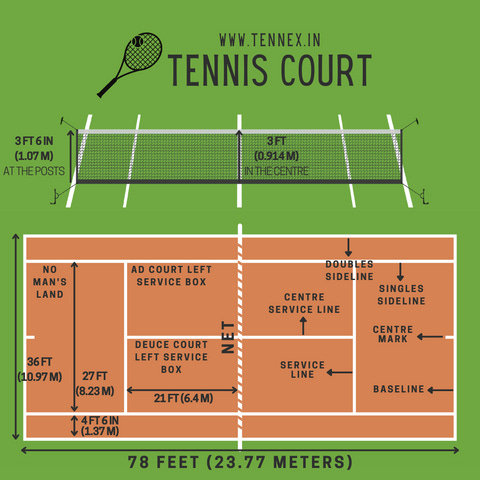
Basic rules overview
The rules of tennis set how players start play, score points, and win matches. Players must hit the ball over the net and inside the opponent’s court. Play continues until a point ends by a ball bouncing twice, a fault, or the opponent failing to return the ball within the lines.
Here are core ideas to remember about the rules of tennis:
- Two players (singles) or four players (doubles) compete.
- A match is made of sets. Sets are made of games. Games are made of points.
- The server starts each point, and serving alternates as rules require.
- The ball must land inside court lines to count as in.
Source: tenniscoachsingapore.com
Scoring system: points, games, sets, and matches
Scoring is unique in tennis and often confuses new players. Know the point sequence and how games, sets, and matches are won.
Point sequence within a game:
- 0, called "love"
- 15
- 30
- 40
- Game when a player wins the next point after 40, unless deuce occurs
When both players reach 40, that is deuce. After deuce:
- The next point gives "advantage" to the winner.
- If the advantaged player wins the following point, they win the game.
- If they lose the following point, score returns to deuce.
Sets and matches:
- Most sets are first to 6 games with a two-game lead.
- At 6-6, a tie-break often decides the set (common in modern rules).
- Tie-breaks are typically first to 7 points with a two-point lead.
- Matches are usually best of 3 sets or best of 5 sets in some competitions.
How tie-breaks work (common question):
- Players alternate serves in a tie-break, and the first to 7 points with a two-point lead wins the tie-break and the set.
Source: youtube.com
Serving rules and common faults
Serving starts every point and follows strict rules in tennis. A legal serve is crucial to keep points alive.
Key serving rules:
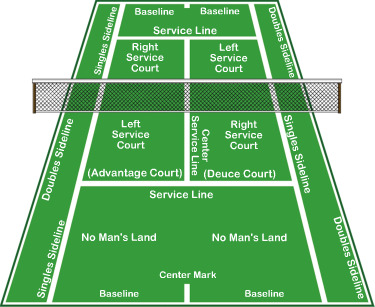
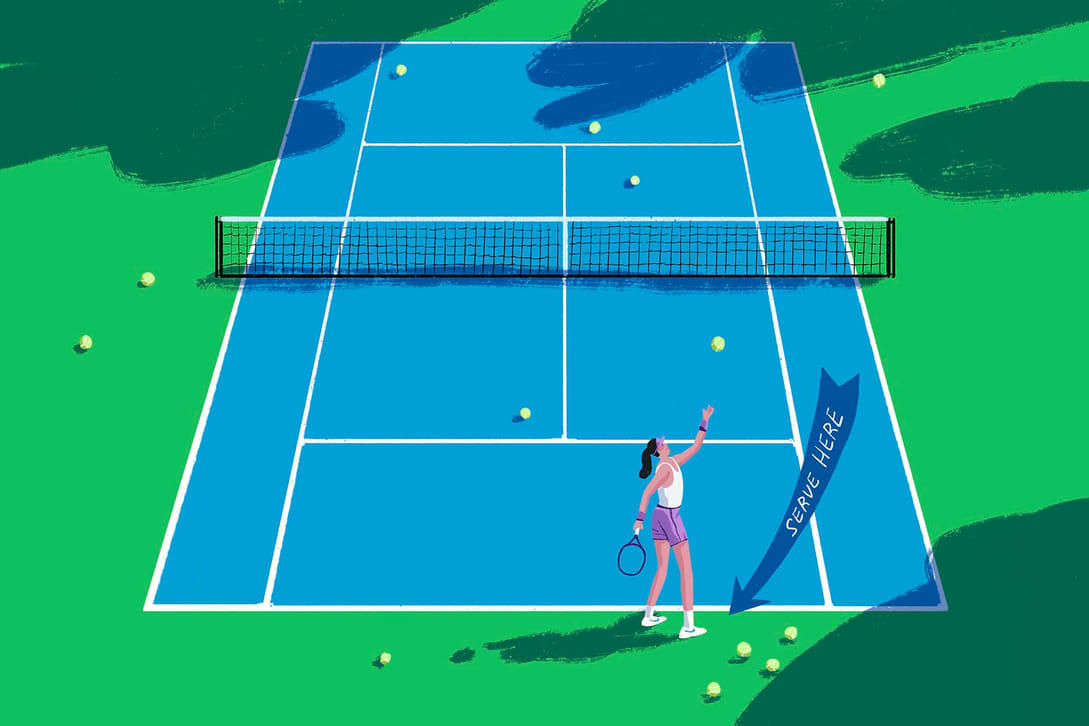
- The server stands behind the baseline, between the center mark and the sideline.
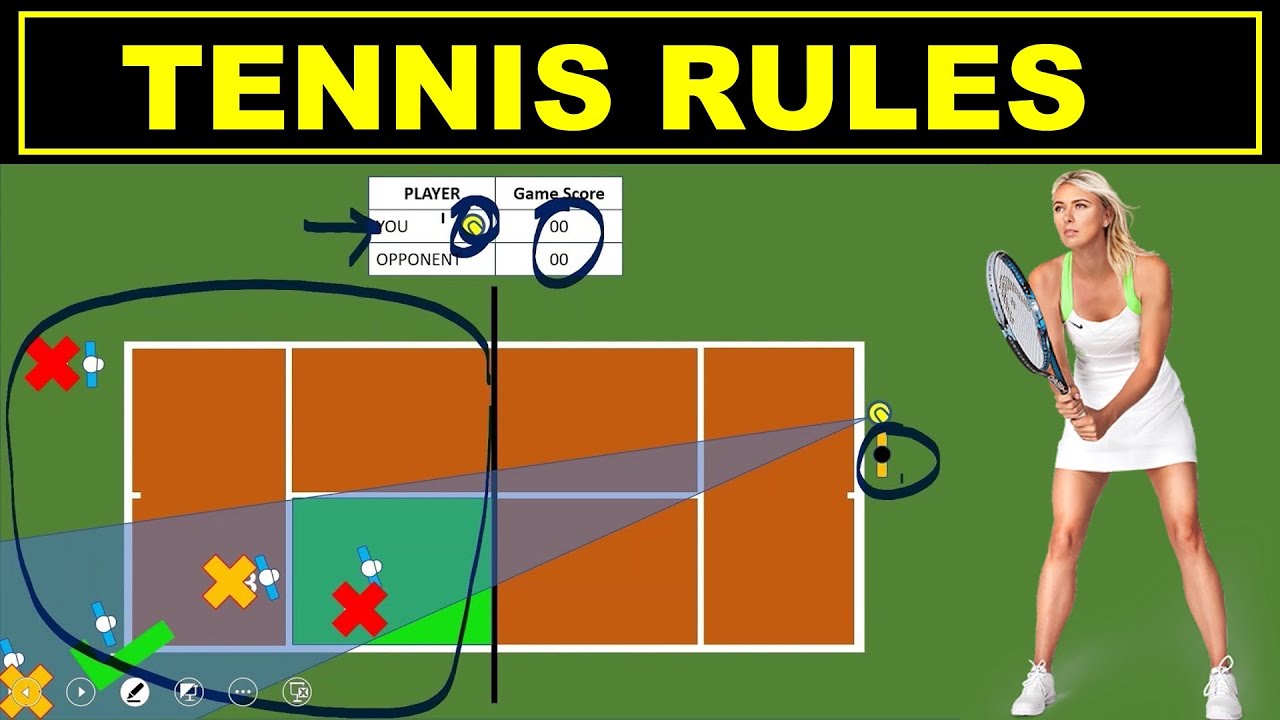
- The ball is tossed and struck into the diagonal service box on the opponent’s side.
- A first serve fault allows a second serve. Two faults in a row result in a double fault and loss of point.
- A let is called when the served ball touches the net but lands in the correct service box; the serve is replayed.
- A foot fault occurs if the server steps on or over the baseline before hitting the ball.
How many serves do you get?
- Two serves per point: first serve and second serve. A double fault loses the point.
Serving order in doubles:
- Teams alternate serving; each player serves for a whole game in rotation during a set.
Source: adidas.com
Court, lines, and equipment
Understanding the court and gear helps you apply the rules of tennis correctly. Court layout and equipment have standardized sizes and features.
Court dimensions and parts:
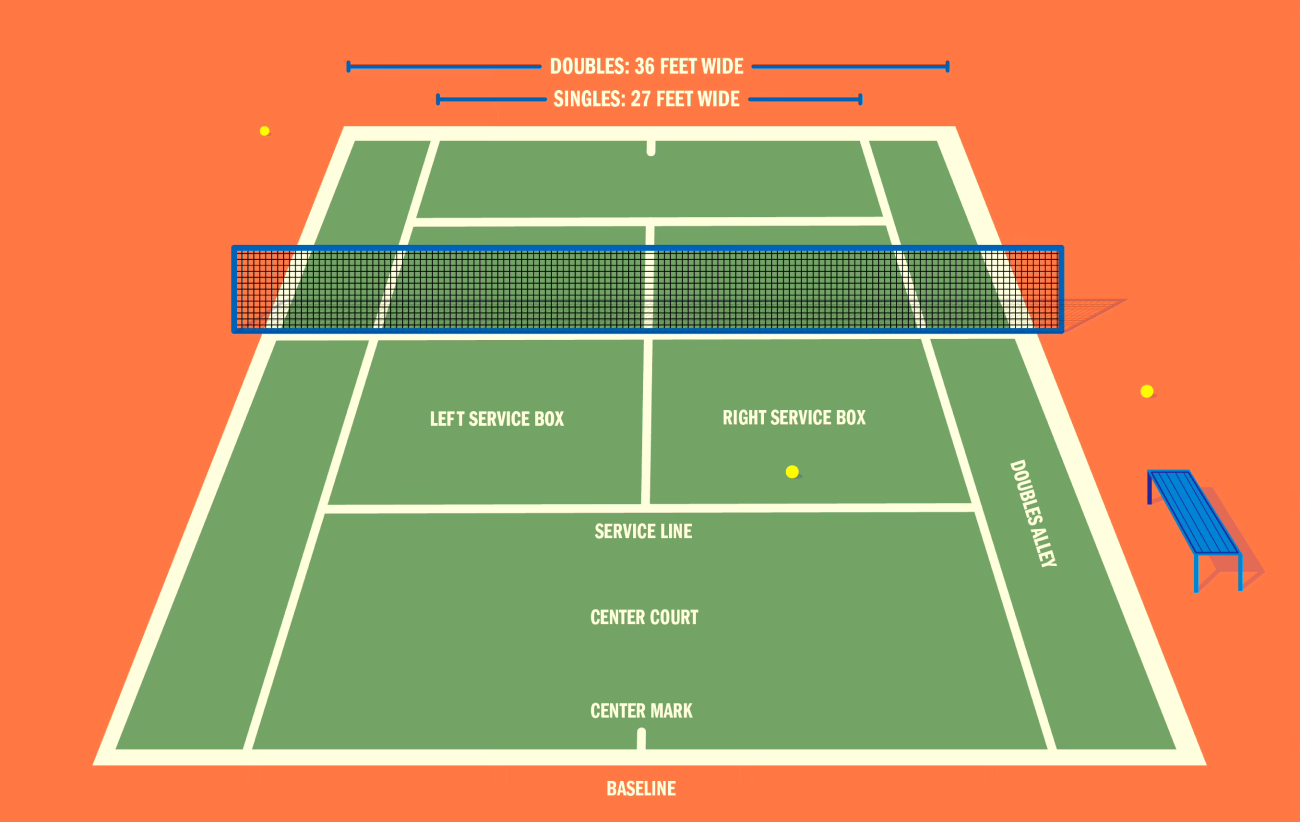
- Singles court width: 27 feet. Doubles court width: 36 feet.
- Court length for singles and doubles: 78 feet.
- Net height: 3 feet at center and 3.5 feet at the posts.
- Baseline, service line, center service line, and alleys define legal play areas.
Equipment rules:
- Balls are regulation tennis balls approved for competition. They can be changed according to tournament rules.
- Rackets must meet size and construction rules set by governing bodies but are generally flexible for recreational play.
Out-of-bounds and line calls:
- A ball that touches any part of the line is in. If the ball lands outside lines, it is out and the point ends.

Source: youtube.com
Singles versus doubles: rule differences
Many rules of tennis are the same in singles and doubles, but court positioning and serving order differ.
Main differences:
- Doubles uses the full court width, including alleys.
- Serving rotates among four players. Each player serves a full game in turn.
- Net play and communication are more important in doubles due to shared court space.
Doubles tactics that affect rules:
- Poaching at the net is legal and common. Partners must avoid interfering with each other.
- Player positioning after serve return is flexible as long as no rules are broken.
Source: nike.com
Common violations and penalties
Knowing common violations helps you avoid losing points and keep matches fair. Violations may lead to point loss or code penalties.
Typical violations:
- Foot fault on serve: loss of serve or point if second fault occurs.
- Double fault: two failed serves in one point, point lost.
- Hindrance: deliberately distracting an opponent can result in point loss.
- Coaching violations: at many levels, coaching during a match is not allowed and can lead to warnings.
Code violations and penalties:
- Umpires issue warnings, point penalties, game penalties, and defaults for unsportsmanlike conduct.

Source: youtube.com
Etiquette and sportsmanship
Rules of tennis extend beyond written laws to behavior and respect. Good etiquette keeps play enjoyable for everyone.
Common etiquette practices:
- Be ready to play when it is your turn to serve or receive.
- Call the lines honestly when no umpire is present.
- Keep noise and movement low during points.
- Shake hands after the match, win or lose.
Coaching and communication:
- At recreational levels coaching is often allowed between games. In pro events, coaching is usually restricted. Always check event rules first.

Source: globaltennisnetwork.com
Strategy tips that use the rules of tennis
Knowing the rules of tennis can shape smart tactics. Use rules to gain small advantages during matches.
Practical tips:
- Use the serve to set up the point. A well-placed first serve forces weak returns.
- At 40-40 (deuce), focus on one high-percentage shot to gain advantage rather than trying risky winners.
- In doubles, serve and volley can pressure opponents because alleys are in play.
- Save energy by closing points when you have a clear advantage in a game or set.
Personal experience tip:
- Early in my coaching, I learned to train players to call balls clearly. Honest calls reduce disputes and help players focus on strategy rather than arguments.

Source: substack.com
Frequently Asked Questions of What are the rules of tennis?
What does "love" mean in tennis scoring?
"Love" means zero points. It comes from an old term meaning "nothing," and it replaces 0 in the tennis score.
How many sets do you play to win a match?
Most matches are best of 3 sets. Some events use best of 5 sets. Tournament rules decide the format.
Can the ball touch the net and still be in play?
Yes. If the ball hits the net during a rally and lands in the opponent’s court, the point continues. If it hits the net on a serve and lands in the correct box, the serve is a let and replayed.
What happens when a player serves out of turn in doubles?
If a player serves out of turn and it is discovered, the order is corrected and points may be replayed or awarded based on rules at that time. Team captains should track serving order to avoid this.
What is a "let" and when is it called?
A let occurs when a serve touches the net but lands in the proper service box. The serve is replayed. Umpires may also call a let for interruptions that stop fair play.
Conclusion
The rules of tennis cover scoring, serving, court layout, faults, and behavior. They shape how you play and win. Learn the basics, practice serving and scoring under pressure, and respect opponents to enjoy better matches. Try applying one rule-driven tactic this week, like practicing second serves or honest line calls, and watch your game improve. Leave a comment with your toughest rule question or subscribe to get more tips on playing smarter.

