

A cricket bat, ball, protective pads, helmet, gloves, stumps, and suitable footwear are the core essentials.
I’ve played, coached, and reviewed gear at club and amateur levels, so I know what works and what doesn’t. This guide explains exactly what equipment is needed for cricket, why each piece matters, how to choose it, and how to care for it. Read on for practical buying tips, safety advice, and real-world lessons that will save you time and money.

36% off Today’s Exclusive Deals
Limited-time Exclusive Deals. Check current discount on Amazon.
Check Price on Amazon As an Amazon Associate I earn from qualifying purchases.
Essential equipment every player needs
When you ask "What equipment is needed for cricket?" start with the basics. These items let you play any match at any level.
- Cricket bat: Choose weight and shape to match your style and strength. English willow is standard for higher levels. Kashmir willow suits beginners and tight budgets.
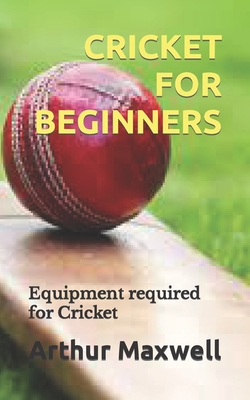
- Cricket ball: Hard leather ball for matches, softer practice balls for nets and juniors. Seam and weight vary by level.
- Stumps and bails: Wooden or plastic sets work for nets and practice. Official matches use regulation wooden sets.
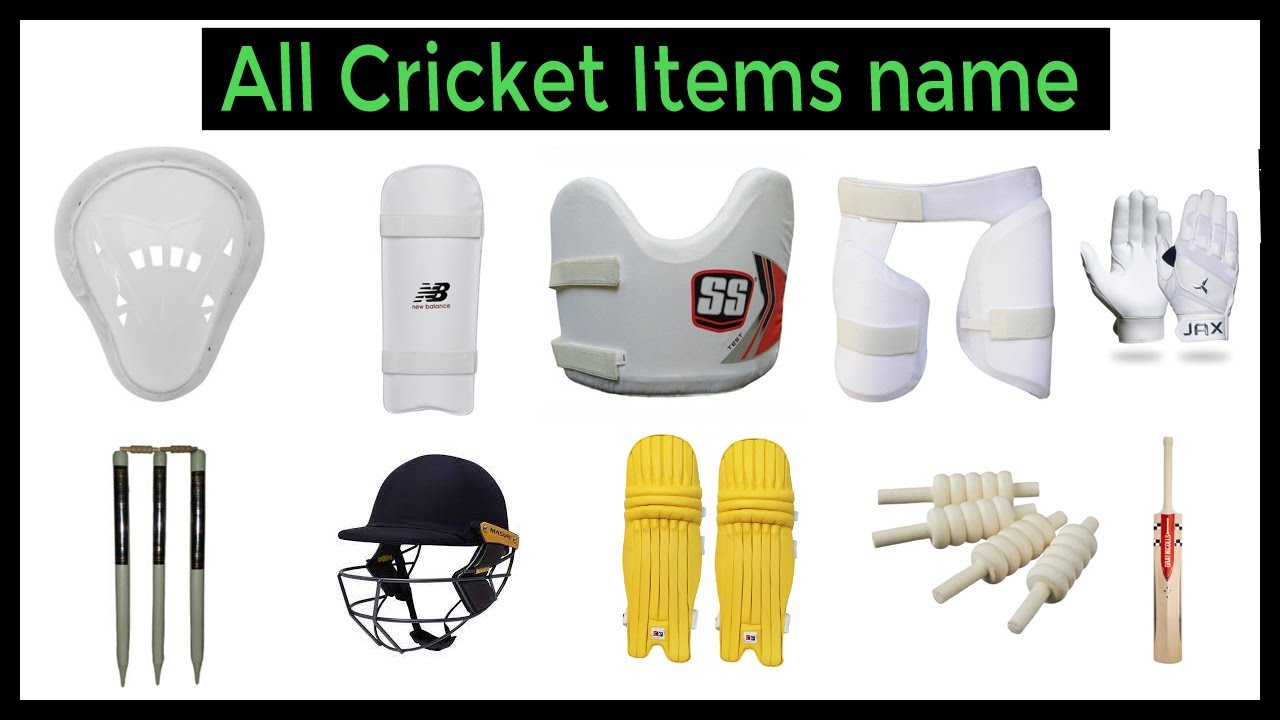
- Protective gear: Helmet, batting pads, gloves, and an abdominal guard are non-negotiable for safety.
- Kit bag: A good bag carries bats, pads, and smaller accessories while protecting gear between sessions.
What equipment is needed for cricket? These essentials cover play, practice, and safety for most players. Choose items that match your playing level and role on the team.

Protective equipment: prioritize safety
Safety is the top priority when considering what equipment is needed for cricket. Good protection reduces injury risk and gives you confidence at the crease.
- Helmet: Pick a certified helmet with a strong grille and a snug fit. Replace after heavy impact or visible damage.
- Batting pads: Look for secure straps and good coverage of the shin and knee. Pad weight matters for mobility.
- Batting gloves: Reinforced fingers, quality palm material, and a secure cuff help prevent hand injuries.
- Abdominal guard (box): A well-fitted guard is essential for male players. Consider a jockstrap or compression short that holds it securely.
- Thigh, chest, and arm guards: Useful for players facing fast bowling or for younger players who need extra protection.
- Wicketkeeper protection: Wicketkeeping pads, inner gloves, and an abdominal guard designed for keepers are critical.
What equipment is needed for cricket? Without the right protective gear, the game is risky. Invest in certified equipment and check fit before each session.
Clothing, footwear, and comfort items
What equipment is needed for cricket also includes what you wear. Clothing affects movement, comfort, and safety.
- Kit (jersey and trousers): Breathable fabric with a comfortable fit helps in long sessions. White for traditional formats; colored kits for limited overs.
- Cricket shoes: Choose toe stiffness and grip for your role. Spiked shoes give traction on natural turf; rubber soles are fine for hard or artificial surfaces.
- Innerwear: Compression shorts and moisture-wicking base layers improve comfort and reduce chafing.
- Cap and sunglasses: Help with sun and glare while fielding.
- Sweaters and rain gear: Useful in cold or wet conditions to maintain comfort and readiness.
What equipment is needed for cricket? Proper clothing improves performance and reduces fatigue. Match your footwear to the ground type for the best results.

Training and coaching gear to improve faster
Beyond match gear, training equipment helps you build skill and consistency. Knowing what equipment is needed for cricket training speeds progress.
- Practice nets and pop-up nets: Allow focused batting and bowling practice. Use soft balls for beginners.
- Bowling machine or throwdown sticks: Provide consistent deliveries for batting drills.
- Cones and markers: Structure fielding drills and agility work.
- Training balls: Tennis balls, soft balls, and leather practice balls suit different drills and skill levels.
- Fitness equipment: Agility ladders, resistance bands, and medicine balls support cricket-specific conditioning.
What equipment is needed for cricket? For steady improvement, pair match gear with training tools that simulate game situations and target weaknesses.
How to choose gear and manage your budget
Choosing gear wisely matters. This section shows what equipment is needed for cricket and how to match it to your budget and level.
- Beginner budget: Affordable bat (Kashmir willow), practice balls, basic pads, and helmet. Focus on fit rather than brand.
- Club/intermediate: Mid-range English willow bats, certified helmets, higher-quality pads and gloves, and a good kit bag.
- Advanced/pro: Top-grade English willow, custom-fitted protective gear, professional footwear, and specialist training gear.
- Buying tips:
- Test a bat for pickup and balance before buying.
- Try on gloves and pads to check comfort and fit.
- Check helmet certifications and grille spacing.
- Inspect leather balls for seam quality and hardness.
- Maintenance tips:
- Oil and knock-in new wooden bats before heavy use.
- Dry pads and gloves after use; avoid leaving damp items in bags.
- Clean leather balls and store them in a cool, dry place.
What equipment is needed for cricket? Match gear quality to your goals. Spend most on the bat and helmet, and maintain gear to extend its life.

Personal experience, mistakes to avoid, and practical tips
I’ve fitted dozens of players and learned what works from hands-on experience. Here are lessons that help new and seasoned players alike.
- Start with a comfortable, slightly lighter bat. I once recommended a heavy bat to a junior; it slowed their stroke development. A lighter bat improved timing and technique quickly.
- Don’t skimp on the helmet. I’ve seen players trade helmets for looks and later suffer avoidable hand or head scares.
- Replace gloves and grips regularly. Worn palms and slippery grips reduce control and cause poor shots.
- Organize kit after each session. I ignored damp pads once and ended up with mold and a costly replacement.
- Ask teammates or coaches to help with fitting. Fit beats brand names every time.
What equipment is needed for cricket? Practical fit and maintenance often matter more than the most expensive gear. Learn from others and prioritize safety.
Frequently Asked Questions of What equipment is needed for cricket?
What is the minimum equipment required to play cricket?
Minimum equipment includes a bat, ball, stumps (or a wicket setup), and protective gear like a helmet and pads for batting. For casual backyard play, a bat and ball may suffice, but safety gear is recommended for serious play.
Do beginners need an expensive bat?
No. Beginners do well with an affordable Kashmir willow or entry-level English willow bat that balances weight and control. Upgrading matters once technique and power are established.
Is a helmet necessary for junior cricketers?
Yes. Helmets protect against serious head and facial injuries and are strongly recommended for juniors facing hard balls. Proper fit and certified standards are important.
How often should I replace cricket gloves and pads?
Replace gloves and pads when padding compresses or palms wear thin, typically every season for regular players. Inspect gear regularly and replace sooner if fit or protection diminishes.
Can I use the same shoes for grass and artificial pitches?
Not always. Spiked shoes suit natural turf for traction, while rubber-soled shoes are better for hard or artificial surfaces to prevent damage and ensure grip.
Conclusion
What equipment is needed for cricket? A good bat, reliable ball, proper protective gear, correct footwear, and smart training tools form the foundation. Choose gear that fits, protect yourself with certified equipment, and maintain items to extend their life. Start with practical, budget-minded choices and upgrade as your skills grow.
Take action: try equipment in person, ask a coach for fitting help, and create a simple care routine for your gear. If this guide helped, leave a comment with your top gear question or subscribe for more cricket gear reviews and buying tips.

