

What Is A Wakeboard Tower?
Wakeboarding is one of the most popular water sports around the world. But if you’ve watched wakeboarders glide, jump, and spin behind a boat, you might wonder how they get so much air or why their tricks look so smooth. The answer often comes down to a special piece of equipment: the wakeboard tower. This simple structure can change your entire wakeboarding experience. Whether you’re new to wakeboarding or just curious, understanding what a wakeboard tower is, how it works, and why it matters can help you make smarter choices and enjoy your time on the water much more.
What Is A Wakeboard Tower?
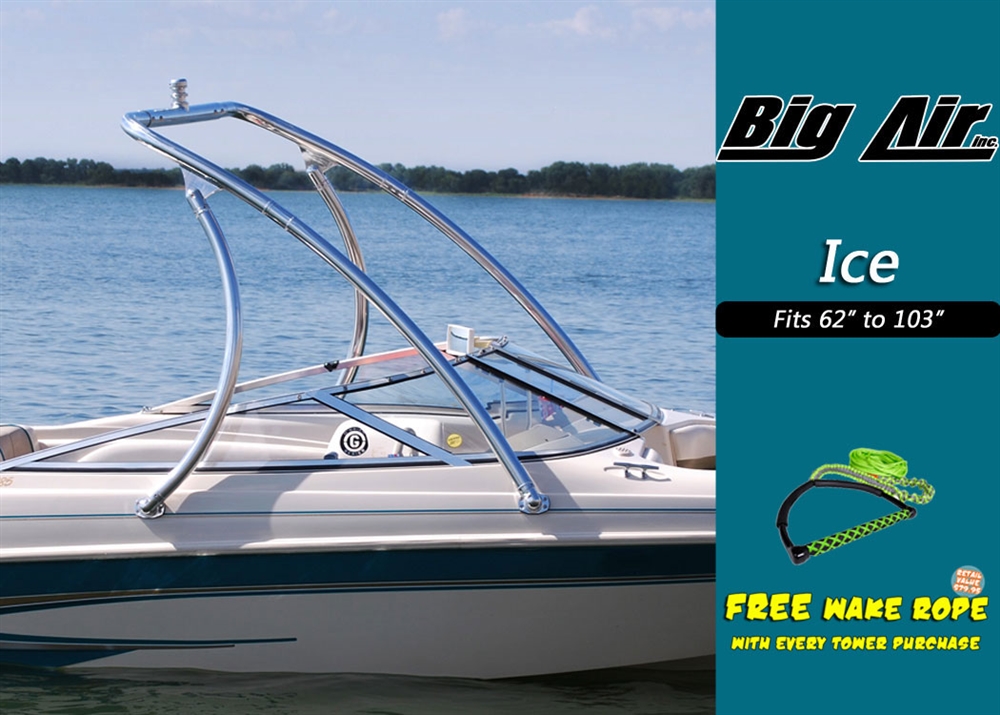
A wakeboard tower is a metal frame installed on a boat. Its main job is to raise the attachment point for the tow rope above the boat’s deck—usually 6 to 8 feet high. This change lets wakeboarders ride with a higher pull, making it easier to jump, do tricks, and stay stable on the water.

36% off Today’s Exclusive Deals
Limited-time Exclusive Deals. Check current discount on Amazon.
Check Price on Amazon As an Amazon Associate I earn from qualifying purchases.The tower is usually made of strong materials like aluminum or stainless steel. It’s designed to be sturdy yet lightweight. Most towers have a sleek look, blending into the boat’s style and often offering mounts for speakers, lights, and other gear.
Unlike a simple rope tied to the back of a boat, a wakeboard tower transforms the sport. It’s not just about pulling the rider—it’s about creating the right angle and height for bigger jumps, safer landings, and more fun.
Why Wakeboard Towers Matter
Wakeboard towers are not just for looks. They solve real problems for riders and boat owners. Here’s why they’re important:
- Higher rope pull: When the tow rope is attached higher up, wakeboarders are pulled upward and forward. This helps them get more air and land tricks safely.
- Easier tricks: The upward pull reduces drag and allows for smoother spins, flips, and jumps.
- Less strain: Riders feel less pull on their arms and shoulders, making longer sessions easier.
- Boat protection: Towers help keep equipment organized and prevent damage to boat rails and seats.
- Multi-purpose: Towers often have mounts for speakers, lights, and racks for boards, making the boat more versatile.
Many wakeboarders say their performance improved instantly after adding a tower. It’s a common upgrade for people who want to move from beginner to intermediate or advanced levels.
Anatomy Of A Wakeboard Tower
Wakeboard towers may look simple, but they’re carefully designed. Let’s break down the main parts:
- Base mounts: These attach the tower to the boat’s hull. Mounts must be strong and well-placed to handle the force from wakeboarding.
- Main frame: The tower’s backbone, usually made from tubular aluminum or stainless steel. It must be rigid but light.
- Tow point: The highest spot on the tower where the rope attaches. This is usually a reinforced loop or bracket.
- Accessory mounts: Hold racks, speakers, lights, and other gear. Some towers come with built-in mounts, others need add-ons.
- Folding joints: Some towers fold down for storage or transport, using special hinges.
Each part is designed for safety, strength, and ease of use. A poorly made tower can flex or break, risking injury and damage.
Types Of Wakeboard Towers
Not all wakeboard towers are the same. There are several main types, each with unique features. Here’s a quick overview:
Fixed Towers
These towers are installed permanently and don’t fold. They’re very strong and stable, but can be harder to store or transport, especially if your boat needs to fit under a low roof.
Folding Towers
Folding towers use special joints to collapse down. This makes them easy to store, transport, or fit in tight spaces. They’re popular with people who keep their boat in a garage or marina with height limits.
Custom Towers
Custom towers are built to fit specific boat models or personal preferences. They’re often chosen by owners who want a perfect match for their boat’s style or special features.
Universal Towers
Universal towers are designed to fit many boats. They use adjustable mounts and frames, making them ideal for people who upgrade boats often or want a budget-friendly option.
Comparison Table: Types Of Wakeboard Towers
Here’s a simple table to compare main tower types:
| Type | Strength | Flexibility | Ease of Storage | Cost |
|---|---|---|---|---|
| Fixed | Very High | Low | Low | Medium |
| Folding | High | High | High | Medium-High |
| Custom | Very High | Medium | Medium | High |
| Universal | Medium | High | Medium | Low-Medium |
Understanding the differences can help you pick the right tower for your needs.
Wakeboard Tower Materials
The material used for a tower affects its strength, weight, and durability. Most towers are made from:
- Aluminum: Lightweight, resistant to rust, and easy to shape. Aluminum towers are common and affordable.
- Stainless steel: Strong, shiny, and resistant to corrosion. These towers are heavier and often more expensive, but last longer.
- Powder-coated steel: Less common, but offers extra protection against scratches and weather.
A good tower needs to withstand heavy forces, sun, saltwater, and constant vibration. Aluminum is the top choice for most boat owners because it’s light and doesn’t rust easily.
How Wakeboard Towers Improve Performance
Wakeboard towers are not just about convenience. They make a real difference in performance. Here’s how:
Higher Tow Point
With the tow rope attached several feet above the water, riders get a more upward pull. This lets them jump higher off the wake, making tricks easier.
Reduced Drag
Pulling from above means less resistance on the water. Riders feel less strain, can ride longer, and recover faster after falls.
Easier Landings
A high tow point helps riders land softly after jumps, reducing the risk of injury.
More Consistent Rides
Wakeboard towers help keep the rope clear of waves and spray, giving riders a smoother pull and fewer interruptions.
Example: Rider Jump Height Data
According to the Wakeboard Association, average jump height increases by 25% to 35% when using a wakeboard tower compared to a traditional tow point. This means a rider who jumps 3 feet off a regular rope might jump 4 to 4.5 feet with a tower.
Wakeboard Tower Accessories
Most people think of towers as rope holders, but they do much more. Popular accessories include:
- Board racks: Store wakeboards, surfboards, or skis safely off the boat floor.
- Speaker mounts: Enjoy music while riding or relaxing.
- Light bars: Improve visibility for evening rides or nighttime boating.
- Bimini tops: Provide shade on hot days.
- Mirrors: Help drivers keep an eye on riders.
Adding accessories can make your boat more comfortable, fun, and safe.
Installation And Maintenance
Installing a wakeboard tower is a big decision. Here’s what you should know:
Professional Vs. Diy Installation
- Professional installation: Done by experts, ensures safety and correct placement. Costs more, but reduces risk of mistakes.
- DIY installation: Can save money, but mistakes can damage your boat or make the tower unsafe.
Most people choose professional installation, especially for expensive boats or custom towers.
Maintenance Tips
- Inspect mounts and joints before each ride.
- Tighten bolts and check for rust or cracks.
- Clean with fresh water after use, especially in saltwater.
- Lubricate folding joints if your tower folds.
- Remove accessories when not in use to prevent theft or damage.
Proper care extends the life of your tower and keeps your boat safe.
Cost And Value
Wakeboard towers are an investment. Prices range from $800 to $3,000 for basic models, with custom towers costing even more. Installation can add $300 to $800. Accessories like racks and speakers range from $100 to $500 each.
Is a wakeboard tower worth the money? For many riders, the answer is yes. Towers:
- Improve performance
- Make boats more organized
- Allow for longer, safer rides
- Increase resale value
If you want to get serious about wakeboarding, a tower is one of the best upgrades you can make.
Common Mistakes When Choosing A Wakeboard Tower
Buying a tower isn’t always easy. Here are mistakes to avoid:
- Ignoring boat compatibility: Not all towers fit all boats. Check size, shape, and mounting points.
- Choosing cheap materials: Low-quality towers rust, bend, or break quickly.
- Skipping professional installation: Poorly installed towers can cause accidents.
- Overloading with accessories: Too many racks, speakers, or lights can stress the tower.
- Not checking local regulations: Some areas have height or equipment restrictions.
Avoiding these mistakes saves money and keeps you safe.
Wakeboard Tower Vs. Traditional Tow Point
Why not just use a regular tow point? Let’s compare:
| Feature | Wakeboard Tower | Traditional Tow Point |
|---|---|---|
| Jump Height | Higher (25-35% more) | Lower |
| Ease of Tricks | Easier | Harder |
| Arm Strain | Lower | Higher |
| Accessory Mounts | Multiple options | Few or none |
| Boat Protection | Better | Risk of damage |
A wakeboard tower offers clear advantages for most riders.
How To Choose The Right Wakeboard Tower
Picking the right tower isn’t just about price. Here’s what matters:
- Boat size and shape: Check if your boat can support a tower.
- Material: Aluminum is best for most users.
- Type: Folding towers are great for storage, universal towers fit many boats.
- Accessory needs: Make sure you can add racks, speakers, or lights.
- Budget: Don’t forget installation and extras.
If you’re unsure, talk to a local wakeboard shop or boat dealer. They can help you find the best fit.
Real-world Example: Wakeboard Tower Benefits
Let’s look at a practical story. Jason, a wakeboarder from Florida, upgraded his 18-foot boat with a folding aluminum tower. Before the upgrade, his jumps were small, and tricks felt hard. After adding the tower:
- Jump height improved by almost 30%
- Tricks became easier to learn
- Longer rides with less fatigue
- Boat stayed cleaner and more organized
Jason says the tower made wakeboarding more fun and less tiring. He also noticed more friends wanted to join in, thanks to the extra board racks and music system.
Wakeboard Tower Safety Tips
Safety is critical. Follow these tips:
- Always check mounts and bolts before riding.
- Use the proper tow rope for wakeboarding—shorter and stronger than ski ropes.
- Don’t overload the tower with heavy accessories.
- Keep riders clear of the boat’s wake when starting.
- Fold the tower down when transporting the boat under bridges or low roofs.
A safe tower means more fun and fewer accidents.
Environmental Impact
Wakeboard towers don’t pollute directly, but they do change how boats are used. More jumps and tricks can stir up water, so:
- Follow local rules about wake size and noise.
- Avoid sensitive areas like shallow lakes or wildlife zones.
- Use quieter accessories, like low-volume speakers.
Responsible wakeboarding keeps lakes and rivers healthy for everyone.
Wakeboard Tower Trends
Wakeboard towers are evolving. New trends include:
- Integrated lighting: LED bars for night rides.
- Bluetooth speakers: Wireless sound systems.
- Quick-release racks: Faster setup and removal.
- Custom designs: Towers matched to boat colors and shapes.
Manufacturers are focusing on safety, style, and ease of use. Expect more smart accessories and eco-friendly options soon.
Wakeboard Tower Brands
Some brands stand out for quality and innovation. Top names include:
- Monster Tower: Known for universal towers and strong frames.
- Roswell Marine: Offers custom designs and high-end accessories.
- Samson Sports: Focuses on folding towers and unique mounts.
- Xtreme Towers: Durable, affordable options for many boat types.
Research brands and read reviews before buying. Quality matters more than price.
Wakeboard Tower Data: Market Growth
The wakeboard tower market is growing fast. According to industry data:
- The global wakeboard tower market is expected to grow by 6% per year from 2023 to 2027.
- More than 60% of new wakeboard boats come with towers installed.
- Demand for accessory mounts is increasing, especially for speakers and racks.
This growth means more options and better technology for riders.
Wakeboard Tower Installation Example
Here’s a step-by-step example of professional installation:
- Measure boat size and deck space.
- Mark mounting points using templates.
- Drill holes and install base mounts.
- Attach main frame and tow point.
- Add accessory mounts (racks, speakers, lights).
- Test for stability and safety.
- Clean and polish tower.
A typical installation takes 3–6 hours, depending on the boat and tower type.
Wakeboard Tower Myths
Many people believe myths about towers. Let’s clear up a few:
- Myth: Towers always damage boats.
- Fact: Proper installation prevents damage.
- Myth: Only pros need towers.
- Fact: Beginners benefit from easier rides and safety.
- Myth: Towers are too expensive.
- Fact: Many affordable options exist, and they increase resale value.
Don’t let myths keep you from enjoying wakeboarding.

Wakeboard Tower Statistics
Wakeboard towers are now standard on most wakeboarding boats. Some key stats:
- Over 70% of wakeboarders use towers, according to industry surveys.
- Riders report 20–35% higher jump heights with towers.
- Boats with towers sell for up to 15% more on the used market.
These numbers show the real value towers add.
Wakeboard Tower Regulations
In some areas, laws affect tower use:
- Maximum height rules in marinas and lakes
- Restrictions on accessory lights and speakers
- Safety requirements for rope type and length
Check local rules before installing a tower. Avoid fines and keep your rides legal.
Frequently Asked Questions
What Is The Main Purpose Of A Wakeboard Tower?
A wakeboard tower raises the tow rope attachment point above the boat deck. This gives wakeboarders a higher, upward pull, making it easier to jump, do tricks, and ride for longer without fatigue.
Can I Install A Wakeboard Tower On Any Boat?
Not all boats can handle a tower. Check your boat’s size, hull strength, and deck layout. Universal towers fit most boats, but custom towers may be needed for unique shapes. Professional advice helps avoid mistakes.
Is A Wakeboard Tower Worth The Cost?
For most riders, yes. Towers improve performance, make tricks easier, and add value to the boat. Prices vary, but even basic towers can make a big difference.
What Accessories Can I Add To A Wakeboard Tower?
Popular accessories include board racks, speakers, lights, bimini tops, and mirrors. Make sure your tower supports the accessories you want, and avoid overloading.
Are There Any Legal Restrictions On Wakeboard Towers?
Some areas have rules about tower height, lights, and noise. Always check local regulations before installing or using a tower. Staying legal prevents fines and keeps your rides safe.
Wakeboard towers have changed the sport. They help riders jump higher, do better tricks, and enjoy safer, longer rides. If you want to get the most out of wakeboarding, a tower is a smart upgrade. For detailed specs and more wakeboarding info, visit Wikipedia. Whether you’re a beginner or expert, understanding wakeboard towers can help you make the right choice and enjoy every moment on the water.

