

A water trampoline is an inflatable, floating trampoline made for jumping and play on lakes and pools.
If you enjoy lakes, summer, and safe thrills, this guide answers exactly what a water trampoline is and how to choose, use, and care for one. I’ve tested models on calm lakes and worked with owners and rental operators, so I’ll share clear, practical advice and real tips to help you decide if a water trampoline fits your fun plans.

36% off Today’s Exclusive Deals
Limited-time Exclusive Deals. Check current discount on Amazon.
Check Price on Amazon As an Amazon Associate I earn from qualifying purchases.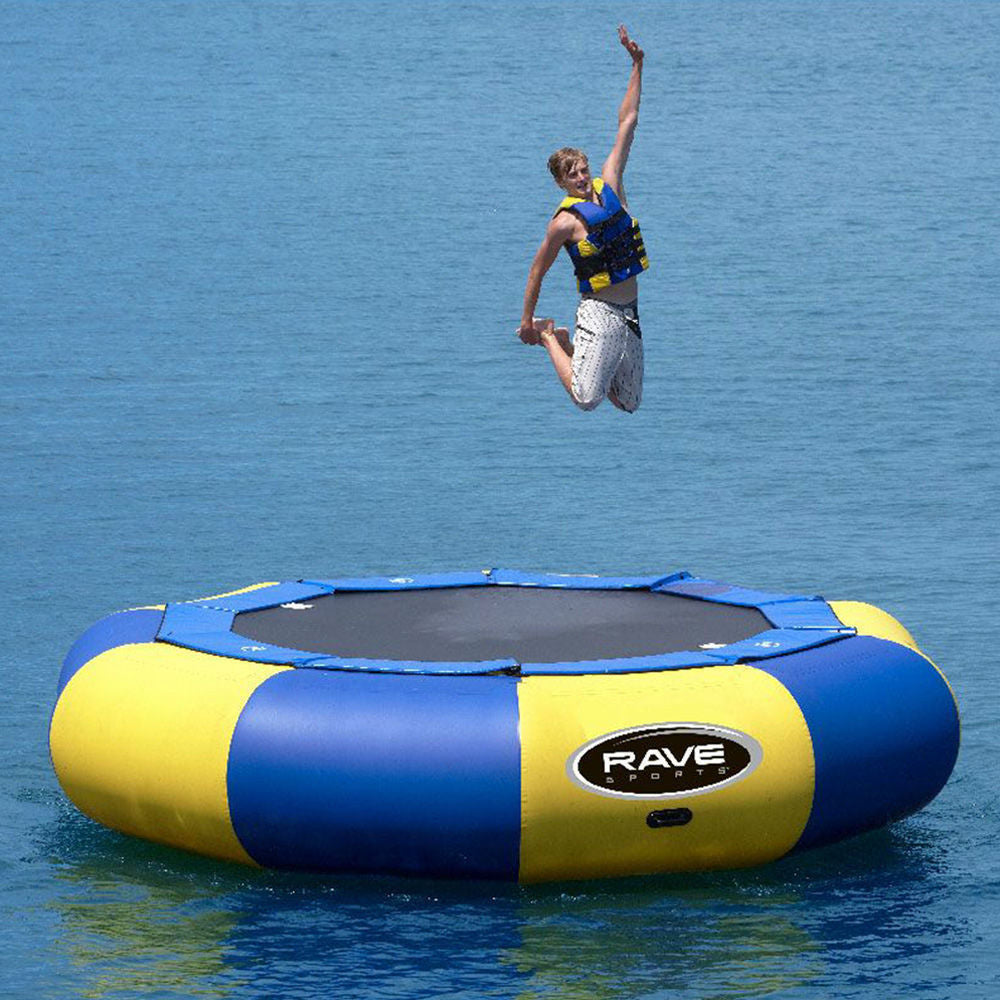
What is a water trampoline? Definition and basic components
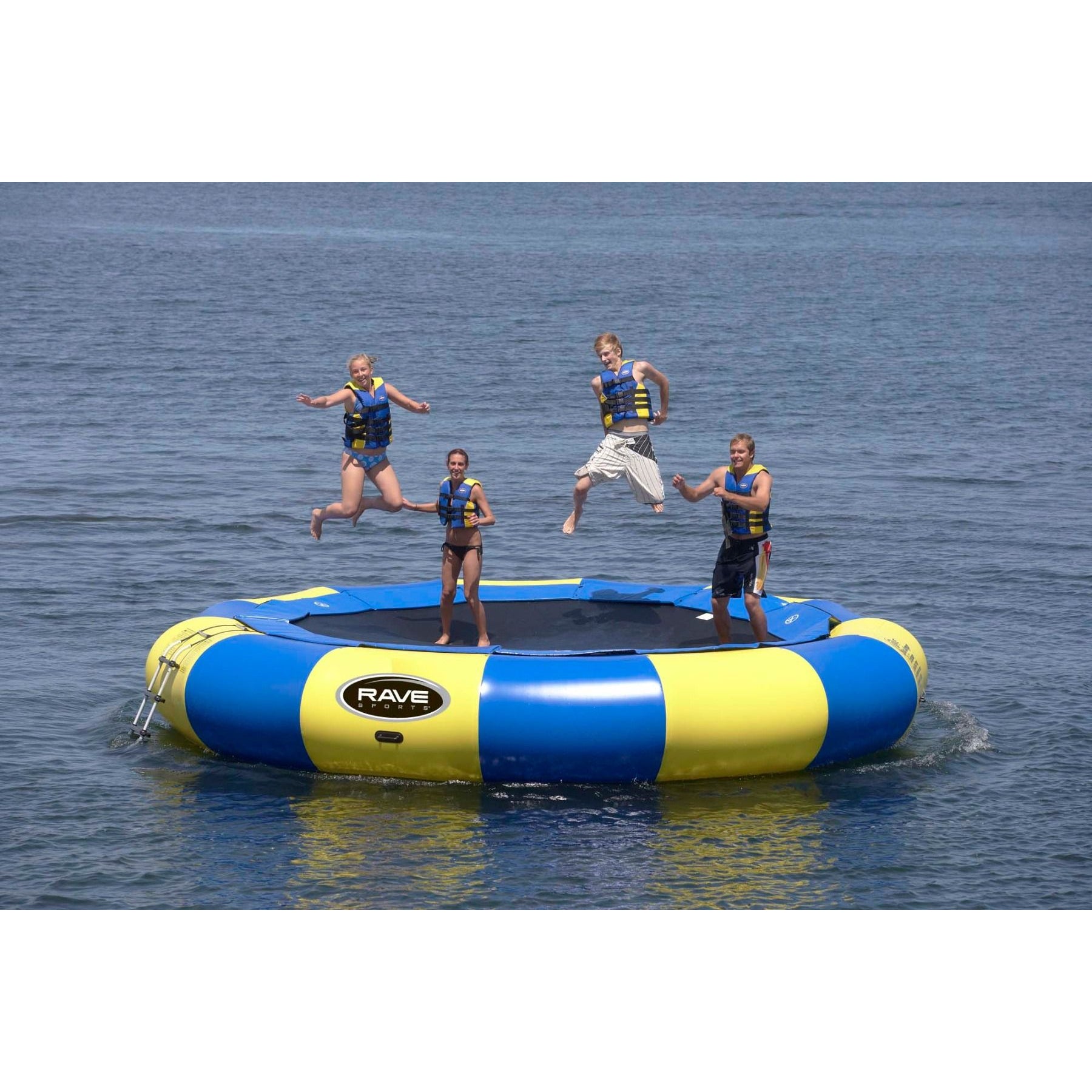
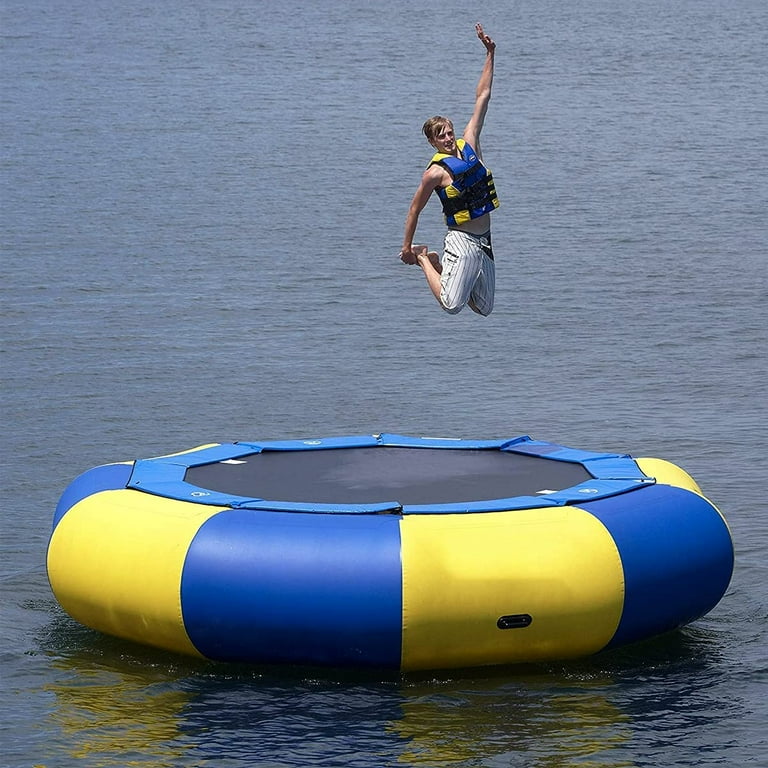
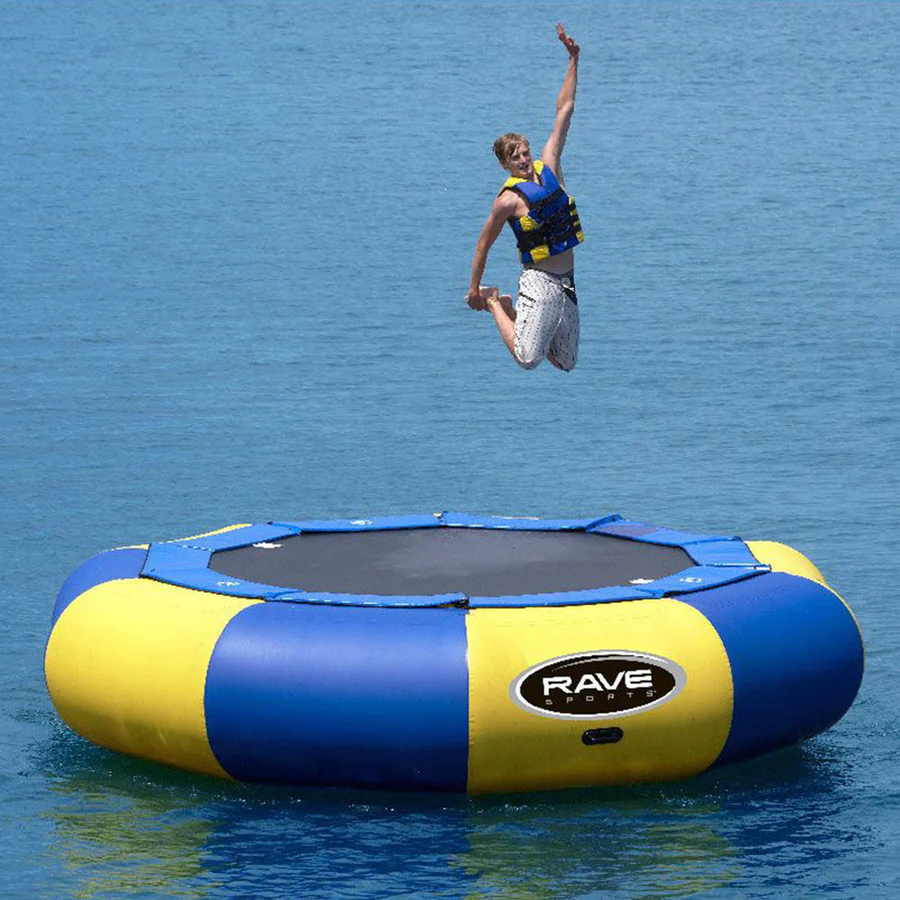
When people ask "What is a water trampoline?" they want a simple, clear definition. A water trampoline is a buoyant, inflatable platform with a flexible jumping surface. It floats on water and is secured by an anchor system so users can jump and play safely.
Key components include:
- Jump mat: the stretchy surface for bouncing.
- Inflatable frame or ring: provides buoyancy and shape.
- Anchor points: rings or straps used with anchors and ropes.
- Ladder or handles: for safe entry and exit from the water.
Materials are usually heavy-duty PVC or TPU for the bladder and UV-resistant fabric for the jump mat. Quality matters. Thicker materials and reinforced seams last longer and resist abrasion. When evaluating durability, check weight limits and warranty details.
How a water trampoline works
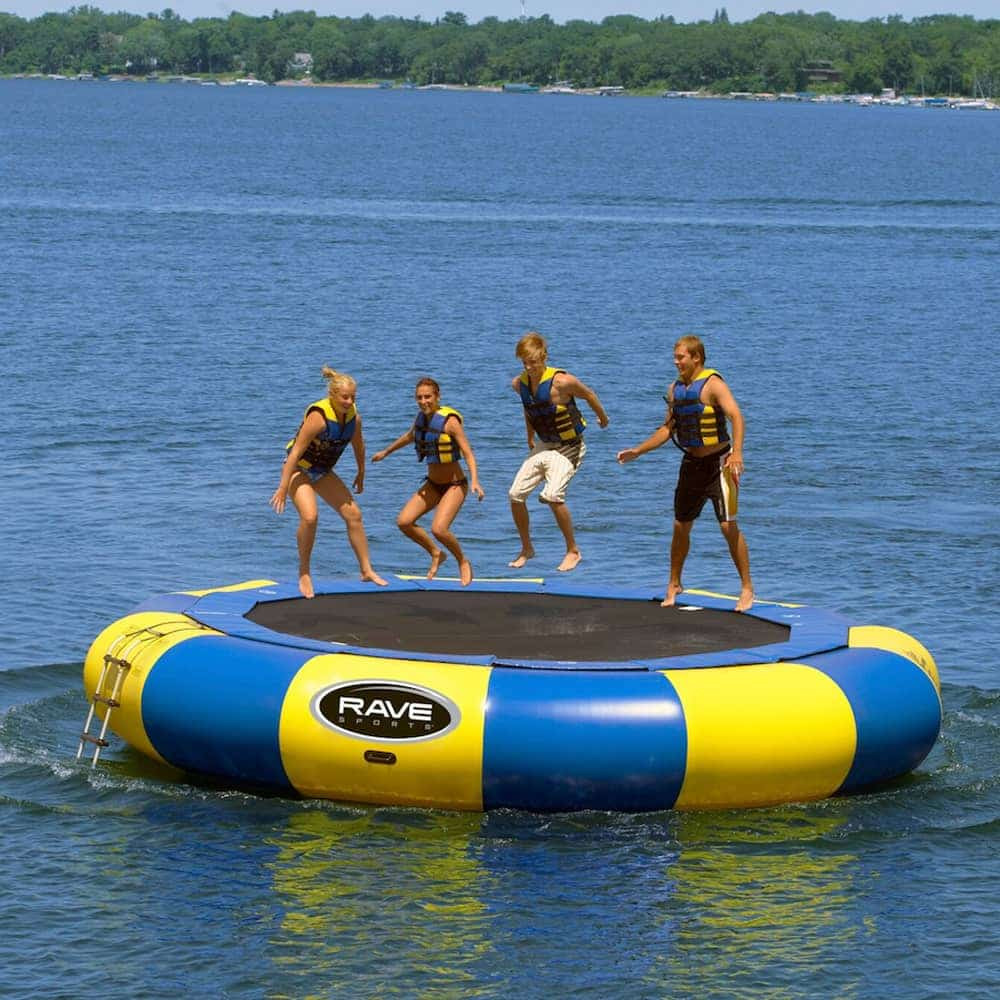
Answering "What is a water trampoline?" also means explaining how it functions. Buoyancy comes from the inflated tubes or chambers. The jump mat is stretched tight across the frame so it stores and releases energy when someone lands on it.
How it performs:
- Inflated chambers keep the trampoline afloat.
- Tensioned mat creates a spring-like effect for bounce.
- Anchor system keeps the trampoline in place against wind and current.
- Optional air chambers or separate floats can fine-tune buoyancy and stability.
Proper inflation and an anchored setup create a smooth bounce and reduce sideways drift. Overinflation makes the bounce harsh; underinflation makes it sluggish. Follow manufacturer pressure specs for the best feel and longevity.
Types and sizes of water trampolines
When you search "What is a water trampoline?" you’ll find many styles. Pick the one that fits your lake, group size, and budget.
Common types:
- Ring-style: circular inflatable ring with a central mat. Good for casual play and easy storage.
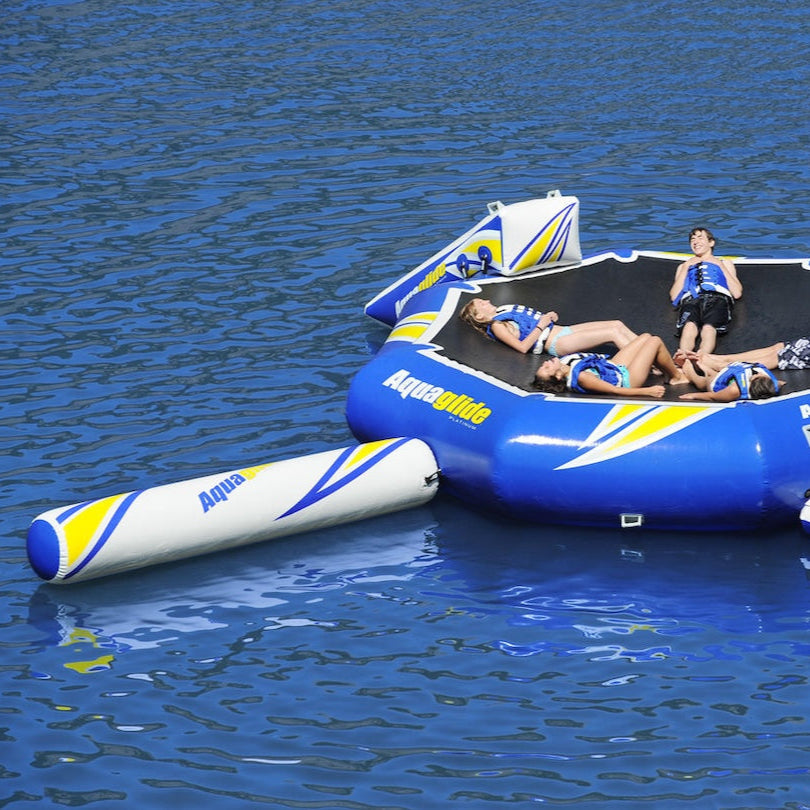
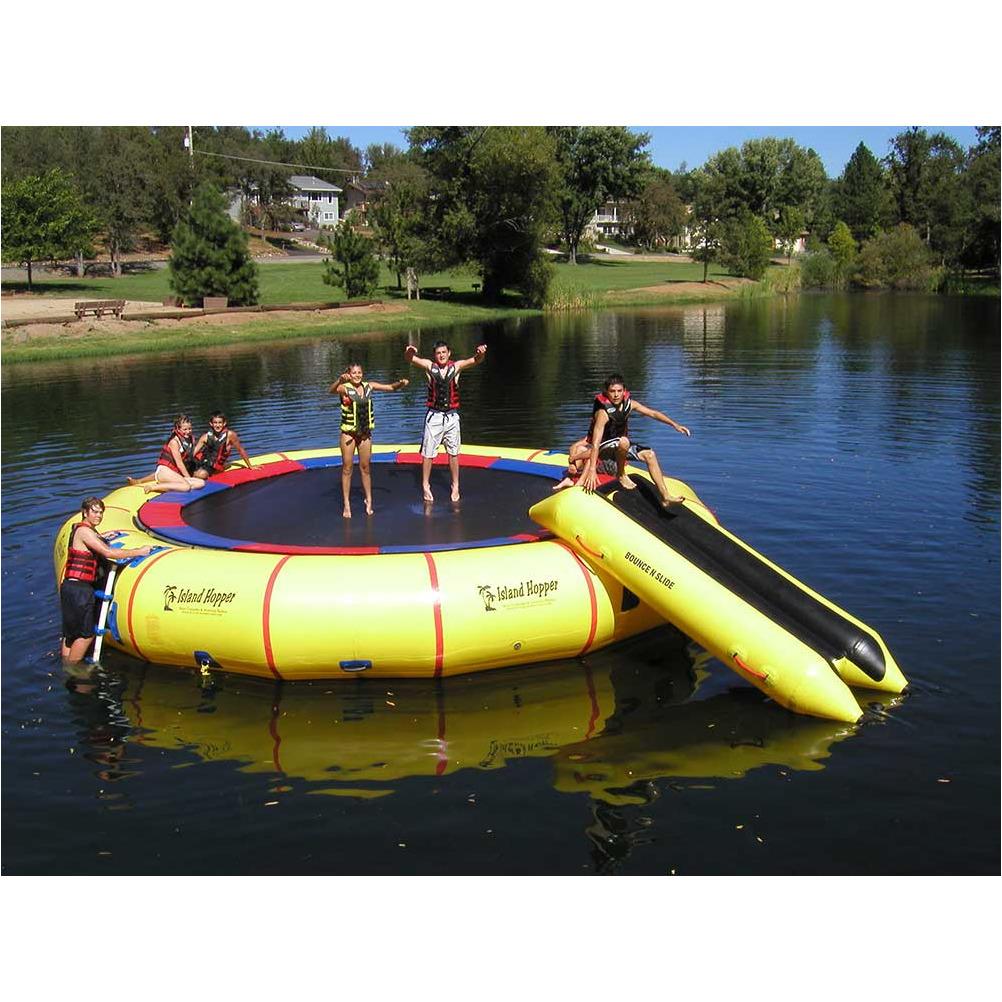
- Island-style: large, thick platform that acts like a floating play island. Better for groups and added features.
- Hybrid inflatables: combine floating platforms with slide attachments or climbing walls.
- Modular systems: link multiple pieces to make a custom play area.
Size matters. Small trampolines suit 1–3 users. Medium and large models handle more people and heavier weight limits. Check capacity and recommended user counts in product specs.
Benefits and common uses
Explaining "What is a water trampoline?" includes why people buy them. These inflatables offer fun, fitness, and social time on the water.
Benefits:
- Fun and active recreation for kids and adults.
- Low-impact cardio and muscle work from jumping.
- Social centerpiece for lakeside gatherings.
- Portable options allow seasonal use and off-season storage.
Typical uses:
- Family outings on lakes and large ponds.
- Rental fleets at resorts and water parks.
- Training for balance and light plyometrics.
- Safe play zones when properly supervised and anchored.
The main value is simple: they turn calm water into an instant play area and bring groups together.

Safety, risks, and best practices
A clear answer to "What is a water trampoline?" should include safety. Water trampolines are fun but carry risk if misused. Knowing common hazards reduces accidents.
Safety considerations:
- Drowning risk if users can’t swim well. Always wear life jackets for non-swimmers and children.
- Impact injuries from collisions or improper landings. Limit users on the mat and supervise.
- Anchor failure that causes drifting. Use proper anchors and check ropes before use.
- Weather hazards like wind, waves, or lightning. Remove or secure the trampoline in bad weather.
Best practices:
- Enforce one-jump-at-a-time or limited users based on size.
- Keep a rescue throw rope and first-aid kit nearby.
- Train everyone on safe entry, exit, and jump rules.
- Inspect the trampoline, seams, and valves before each season.
Buying guide: what to look for
If you’re still asking "What is a water trampoline?" and thinking of buying, here’s how to choose smartly. Focus on build quality, safety, and fit for your lake.
Key buying factors:
- Material and thickness: thicker PVC/TPU and double-stitched seams increase life.
- Weight capacity and size: match capacity to your usual group size.
- Anchor system compatibility: confirm anchors and lines are included or available.
- Warranty and repair options: look for clear warranties and easy patch kits.
Ask these questions before buying:
- Will it fit my lake depth and space?
- How many users will use it at once?
- How easy is setup and season storage?
- Are spare parts and repair kits available locally?
A good seller will be transparent about load limits and materials. Avoid ultra-cheap models that cut corners on buoyancy and seam strength.
Setup, maintenance, and storage
To fully answer "What is a water trampoline?" you need to know how to care for it. Proper setup and maintenance add years to its life.
Setup tips:
- Choose a calm, debris-free area with enough clearance from docks and rocks.
- Inflate to manufacturer specs. Use a pump with a pressure gauge.
- Attach anchors to recommended points and test stability before use.
Maintenance steps:
- Rinse with fresh water after salt or algae exposure.
- Inspect seams, valves, and ropes regularly.
- Patch small punctures promptly with the provided kit.
- Store dry, rolled loosely, and out of direct sunlight during winter.
Storage advice:
- Deflate partially, clean, and dry completely to prevent mildew.
- Keep it in a cool, dry place away from rodents and sharp objects.
- Re-inflate and inspect early in the season before use.
My experience and practical tips
As someone who has set up and used multiple models, I can share hands-on lessons. I’ve anchored a medium ring-style trampoline on a small lake and tested slides on a larger island-style unit.
What I learned:
- Placement is everything. A spot with minimal current and no underwater obstacles makes use safer and more fun.
- Proper anchoring saved one windy afternoon when a rental group left it unattended briefly.
- A basic air gauge and a spare patch kit kept us from losing play time to soft spots.
Mistakes to avoid:
- Don’t overfill chambers; it feels better but strains seams.
- Don’t let too many people jump at once, even if the weight limit seems high.
- Don’t store it wet—mold and delamination follow quickly.
Practical tips:
- Mark a safe zone around the trampoline with buoys or float lines.
- Rotate use so heavy jumpers don’t wear the same area.
- Teach kids to climb on and off from a ladder, not by pulling the mat.
Frequently Asked Questions of What is a water trampoline?
What is a water trampoline made of?
Most water trampolines use heavy-duty PVC or TPU for inflatables and a UV-resistant woven fabric for the jump mat. These materials balance strength, flexibility, and sun resistance.
How many people can use a water trampoline at once?
Capacity depends on size and weight limits; small units fit 1–3 users while larger models can hold 6–10. Always follow the manufacturer’s user-count and weight guidelines.
Is a water trampoline safe for kids?
Yes, when used with supervision, life jackets for weak swimmers, and strict jump rules. Proper anchoring and a clear water area are essential for child safety.
How do you anchor a water trampoline?
Use a three-point anchor system or a weighted anchor kit recommended by the maker, with marine-grade ropes and swivel connectors. Check anchors regularly for wear and correct tension.
Can you leave a water trampoline in the water year-round?
It’s not recommended in most climates. Remove and store the trampoline during storms, freezing conditions, or off-season to prevent damage and wear.
Conclusion
A water trampoline transforms calm water into an instant play zone. It is a floating, inflatable platform built for jumping, social play, and light exercise. Knowing what a water trampoline is, how it works, and how to care for it helps you pick the right model and keep everyone safe.
Takeaway: Choose quality, follow setup rules, and supervise users closely to enjoy years of fun. Ready to try one? Check your lake conditions, pick a trusted model, and start with a simple setup and strict safety rules. Share your questions or experiences below — I’d love to hear which model you pick or what surprised you most.

